 Vietnamnet.vn

 Podcast



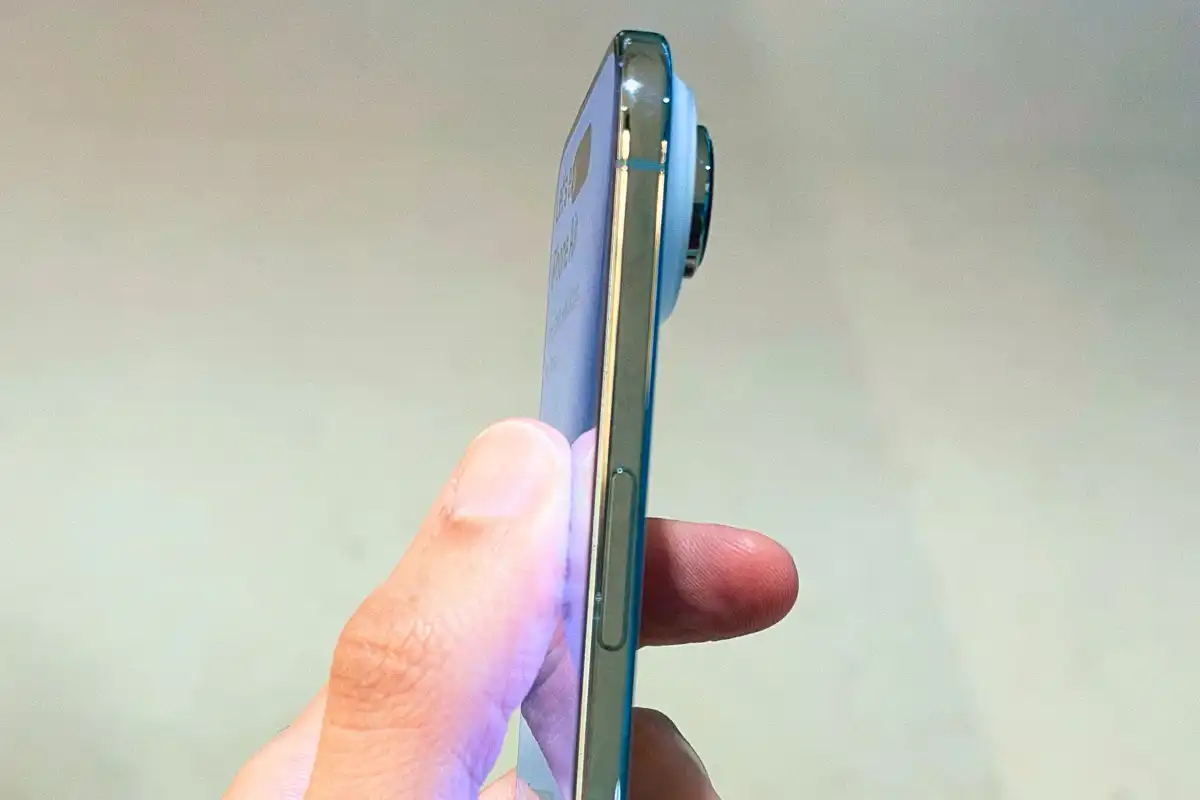
It was the thinnest iPhone Apple had ever produced and was widely seen as the clearest glimpse yet into the future of smartphones.
When the new iPhone lineup officially hit stores on September 19, nearly every conversation revolved around the iPhone Air.
But several months after launch, the market reality has told a very different story. Very few consumers actually chose the iPhone Air over its siblings in the iPhone 17 lineup.
Those who own the device have largely praised it. It also became one of the few iPhone models to receive early discounts without restrictive conditions attached.
Its design has even been described as one of Apple’s most beautiful achievements in years.
Yet sales of the iPhone Air have still fallen short of expectations.
That raises an intriguing question: perhaps consumers do not truly need the “dream smartphone” they once imagined.
The iPhone that makes everyone say “wow”
There is no denying that the iPhone Air is an impressive device. Nearly everyone who has tried it shares the same reaction when holding it for the first time.
The phone is just 5.64mm thick and weighs around 165 grams. By comparison, the iPhone 17 Pro Max is nearly 3mm thicker and weighs 233 grams. The difference creates a noticeably lighter and more comfortable experience in everyday use.
The slimness of the iPhone Air reminds many people of the golden era of the iPhone 6, a device that once captivated consumers worldwide with its sleek and modern design.
This time, however, Apple pushed things even further. The polished titanium frame combined with the ultra-thin body creates a luxurious feel more reminiscent of high-end jewelry than a conventional smartphone.
It is the kind of product that immediately makes people say “wow” the moment they see it.
But the problem is that initial excitement does not necessarily translate into long-term buying decisions.
Over the years, the smartphone market has steadily moved toward devices that are larger, thicker and heavier.
Modern phones now contain massive batteries, huge camera systems, advanced cooling solutions and increasingly powerful hardware built for AI, gaming and professional video recording.
As a result, today’s flagship smartphones can sometimes feel too bulky for ordinary daily use.
That is why many users have long dreamed of a lighter and thinner device - a futuristic smartphone with a seamless display, an ultra-thin body and a more comfortable fit in the pocket.
In many ways, the iPhone Air is the closest Apple has come to making that dream real.
The issue is that once the dream became a commercial product, consumers began viewing it far more practically.
Beautiful is not enough
Apple does not disclose sales figures for individual iPhone models. However, during a recent investor call, CEO Tim Cook and chief financial officer Kevan Parekh said the iPhone 17 lineup had become the most successful iPhone generation in the company’s history.
Still, a report from well-known leaker “Digital Chat Station” painted a less optimistic picture for the iPhone Air.
According to the source, Apple has struggled to surpass the milestone of one million units shipped.
So far, the company is believed to have sold only around 700,000 iPhone Air devices - an extremely modest figure for a company that typically sells roughly 250 million iPhones annually.
The biggest reason likely comes down to compromise.
To achieve such an ultra-thin design, Apple had to sacrifice several key features that mainstream consumers value more than aesthetics.
Over time, users began realizing that beautiful design alone cannot fully replace practicality.
Consumers today want long battery life, powerful cameras, strong thermal performance and durability. An ultra-thin smartphone often struggles to deliver all of those qualities at once.
Although the iPhone Air remains a premium product, the feeling of “sacrificing functionality for design” becomes increasingly noticeable in everyday use.
That may be the biggest paradox of the modern smartphone market: consumers love innovation, but they are unwilling to sacrifice too much to get it.
The relative disappointment of the iPhone Air does not necessarily mean Apple is heading in the wrong direction. On the contrary, the product may simply have arrived too early.
Technology history has repeatedly shown that pioneering devices are not always the best-selling ones. Sometimes, they exist primarily to pave the way for future trends.
The iPhone Air may ultimately belong to that category.
Hai Phong
.svg)
