 Vietnamnet.vn

 Podcast



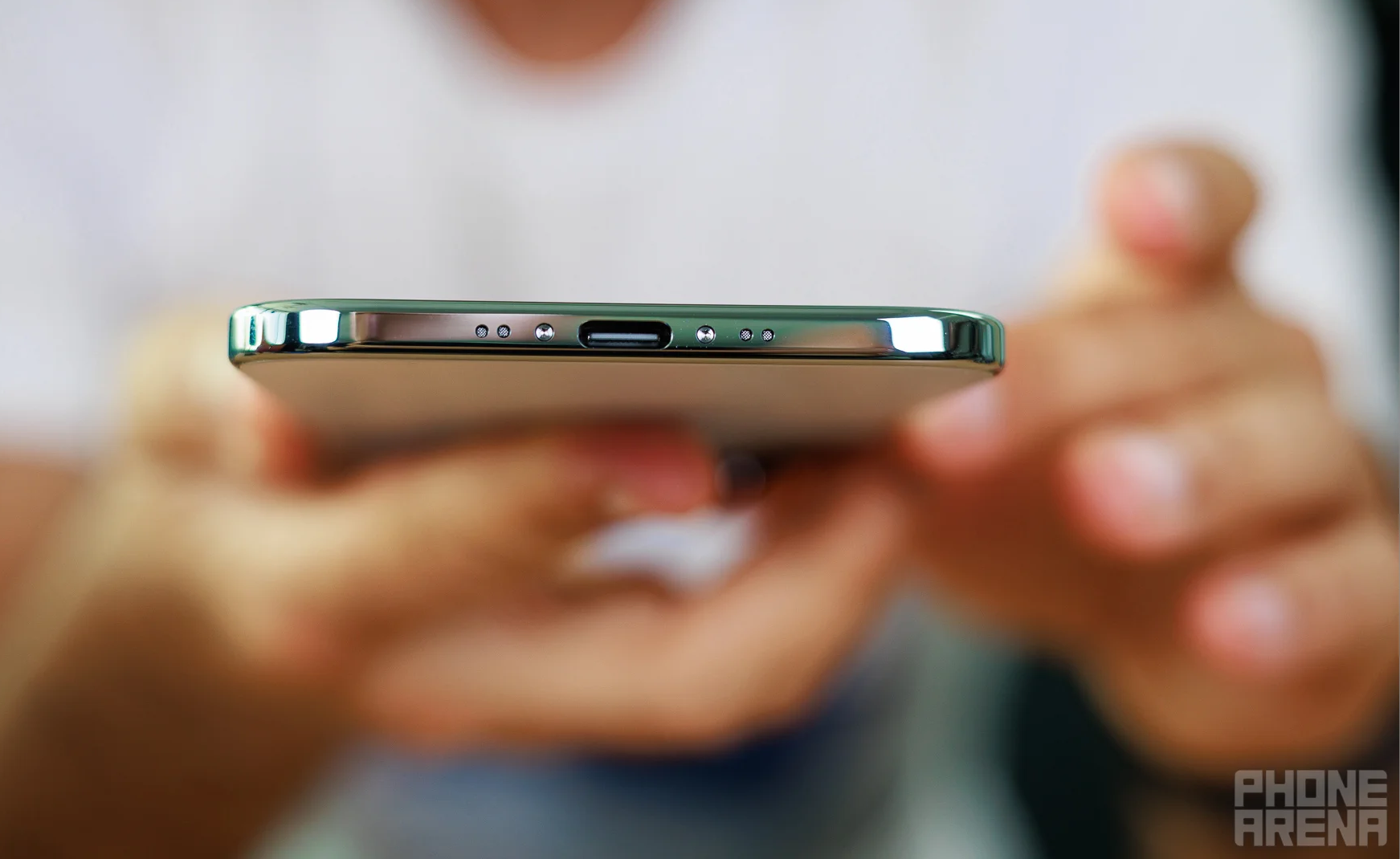
The global smartphone market once anticipated a design revolution - an era defined by ultra-slim devices.
Apple was widely expected to lead this shift with iPhone Air, followed closely by Samsung, while Chinese brands would compete aggressively on price. In reality, the outcome has moved in the opposite direction.
Instead of becoming a new standard, ultra-thin smartphones quickly lost momentum, and the stumble of iPhone Air appears to have dragged the entire segment down with it.
Disappointing numbers
According to information from well-known leaker Digital Chat Station on Weibo, iPhone Air recorded only around 700,000 activations, even after multiple price reductions aimed at stimulating demand.
In a market where global iPhone sales typically reach tens of millions of units per quarter, this figure is negligible.
More strikingly, an ultra-thin model from a Chinese competitor performed even worse, with only about 50,000 activations. This signals clearly that users are not particularly drawn to the idea that “thinner is better.”
Several manufacturers are now reportedly retreating from the ultra-thin race.
A successor project from one Chinese brand is described as “highly unstable” and at risk of cancellation. Xiaomi is said to have halted development of a direct competitor to iPhone Air, while Vivo has scaled back its ambitions for slimness in its S series.
Not everyone was caught off guard. Samsung appears to have recognized the warning signs early.
The Galaxy S25 Edge saw sales so weak that the company decided to scrap its successor, the Galaxy S26 Edge. Instead of continuing down the ultra-thin path, Samsung has chosen to abandon it altogether in the next generation.
Ironically, Apple - the company that helped shape the perception that “thinner means more premium” - has now become the reason the industry is stepping back. The failure of iPhone Air delivers a clear message: design alone is not enough.
Can iPhone Air 2 fix the flaws?
Despite negative signals, Apple does not appear ready to give up. Reports from Bloomberg, Nikkei Asia and The Information suggest that iPhone Air 2 is still planned for release in spring 2027.
Technology journalist Mark Gurman also confirmed this in his Power On newsletter, noting that the next version will focus on addressing the biggest weaknesses of the first generation.
Rumored upgrades include a dual rear camera system, a more accessible price point, vapor chamber cooling technology, and a larger battery.
Apple is also believed to be developing a thinner Face ID module to make room for additional camera hardware.
Interestingly, some users say their decision to buy iPhone Air had little to do with Apple’s marketing.
The most appealing feature turned out to be the sky blue color, with a near-translucent effect that gives the device a refined aesthetic unmatched by competitors such as Pixel 10 Pro Fold or Galaxy models.
Even so, the device remains more of a secondary option within personal ecosystems rather than a compelling primary choice.
At a price of US$999, with a single camera, average battery life, and mono speaker, iPhone Air struggles to compete against alternatives like the standard iPhone 17, which is both cheaper and more well-rounded.
The failure of iPhone Air was not intentional, but it has become a wake-up call for the entire smartphone industry.
Today’s users are no longer easily persuaded by design alone. A successful device must balance performance, battery life, camera capabilities, and overall value - not just thinness or aesthetics.
Yet the story is not over. If iPhone Air 2 manages to resolve these core issues, it may prove that the problem was never the idea of ultra-thin smartphones, but rather how it was executed.
Hai Phong
.svg)
