 Vietnamnet.vn

 Podcast



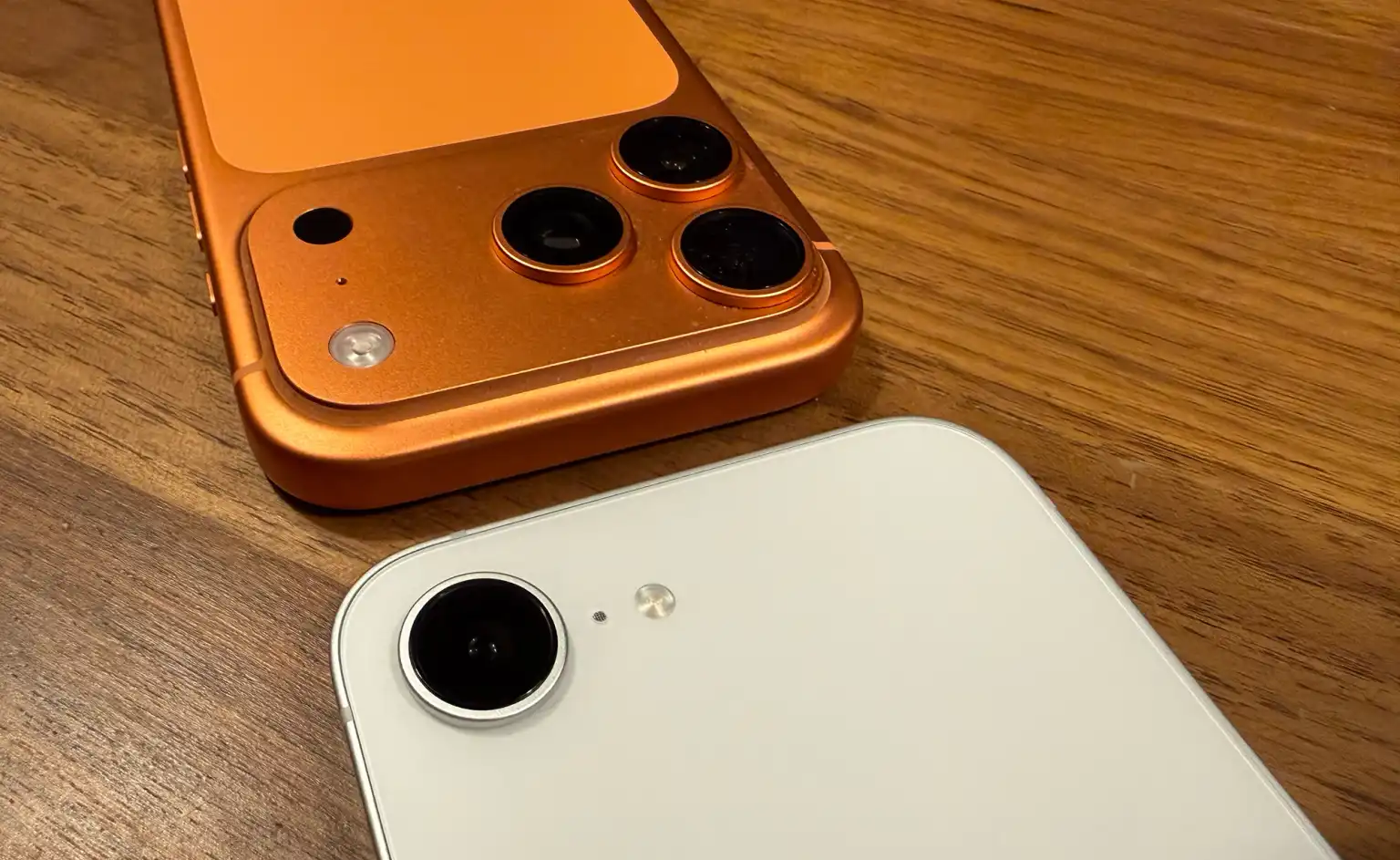
After years of keeping prices for its premium iPhones largely unchanged, Apple is widely expected to introduce a significant price increase for its next-generation flagship smartphones.
If the latest forecasts prove accurate, customers may need to pay substantially more for the iPhone 18 Pro and the top-end iPhone 18 Pro Max, both expected to debut next month.
The anticipated move follows recent price increases across several Mac and iPad models, while Apple's current iPhone lineup has so far escaped similar adjustments.
iPhone remains Apple's only major product line without a recent price hike
During its latest round of pricing changes, Apple surprised many consumers by leaving the prices of every current iPhone model unchanged.
The entry-level iPhone 17e continues to start at US$599, while the standard iPhone 17 Pro Max begins at US$1,199. Even the iPhone 16 and iPhone 16 Plus, introduced two years ago, have retained their original pricing.
Maintaining stable iPhone prices despite rising component costs had been viewed as positive news for consumers. However, analysts believe that may soon change.
Mark Gurman: Apple will raise iPhone prices
In the latest edition of his Power On newsletter, Bloomberg's Apple correspondent Mark Gurman expressed little uncertainty about Apple's pricing plans.
Responding to a reader's question about the next-generation iPhone lineup, Gurman wrote: "There's no doubt that Apple will raise iPhone prices for a variety of reasons."
According to Gurman, one of the biggest factors is the ongoing memory chip supply crunch affecting the broader technology industry. He noted that the same cost pressures recently contributed to higher prices for several Mac and iPad models.
Another expected contributor is hardware.
The iPhone 18 Pro is widely rumored to feature a new variable-aperture camera system, allowing photographers to control the amount of light entering the lens and potentially improving image quality under different shooting conditions. The more advanced hardware would also increase manufacturing costs.
Premium iPhone prices have remained surprisingly stable
Apple's high-end iPhone pricing has changed relatively little over the past decade.
When the company introduced the iPhone X in 2017 with a starting price of US$999, it became the first iPhone to cross the US$1,000 threshold, sparking widespread debate about the future cost of flagship smartphones.
Nearly a decade later, the comparable iPhone 17 Pro starts at US$1,099, only around US$100 higher.
The iPhone 17 Pro Max costs more depending on storage capacity, with top-tier configurations reaching US$1,999.
Given the substantial improvements in display technology, camera systems, processors and other premium components over that period, many analysts believe Apple's flagship pricing has risen more slowly than expected.
iPhone 18 Pro could cost US$100-200 more
Gurman said Apple has not finalized or disclosed specific pricing for the next-generation iPhone lineup.
However, based on the company's recent pricing strategy for Macs and iPads, he expects the iPhone 18 Pro to increase by roughly US$100 to US$200 compared with the current generation.
The biggest price tag could belong to Apple's long-rumored foldable iPhone, widely referred to by industry observers as the iPhone Ultra.
Analysts expect the foldable model to start at at least US$2,000, with higher-capacity storage versions likely costing even more.
If those projections prove accurate, it would become the most expensive commercial iPhone Apple has ever released, positioning it directly against premium foldable smartphones from leading Android manufacturers.
Standard models may avoid price increases
While Apple's Pro lineup is widely expected to become more expensive this year, the standard iPhone 17 and iPhone 17e are expected to retain their current prices.
According to industry speculation, those models are unlikely to receive major hardware upgrades until next spring, allowing Apple to maintain competitive pricing in the mainstream smartphone segment for a little longer.
Even so, analysts increasingly believe that rising component costs, tighter memory supplies and Apple's continued addition of premium technologies mean the long period of relatively stable iPhone pricing is nearing its end.
If Apple proceeds with the expected increases, this year's iPhone launch could mark not only a major technological upgrade but also the beginning of a new pricing era for the company's flagship smartphones.
Hai Phong
.svg)
