 Vietnamnet.vn

 Podcast



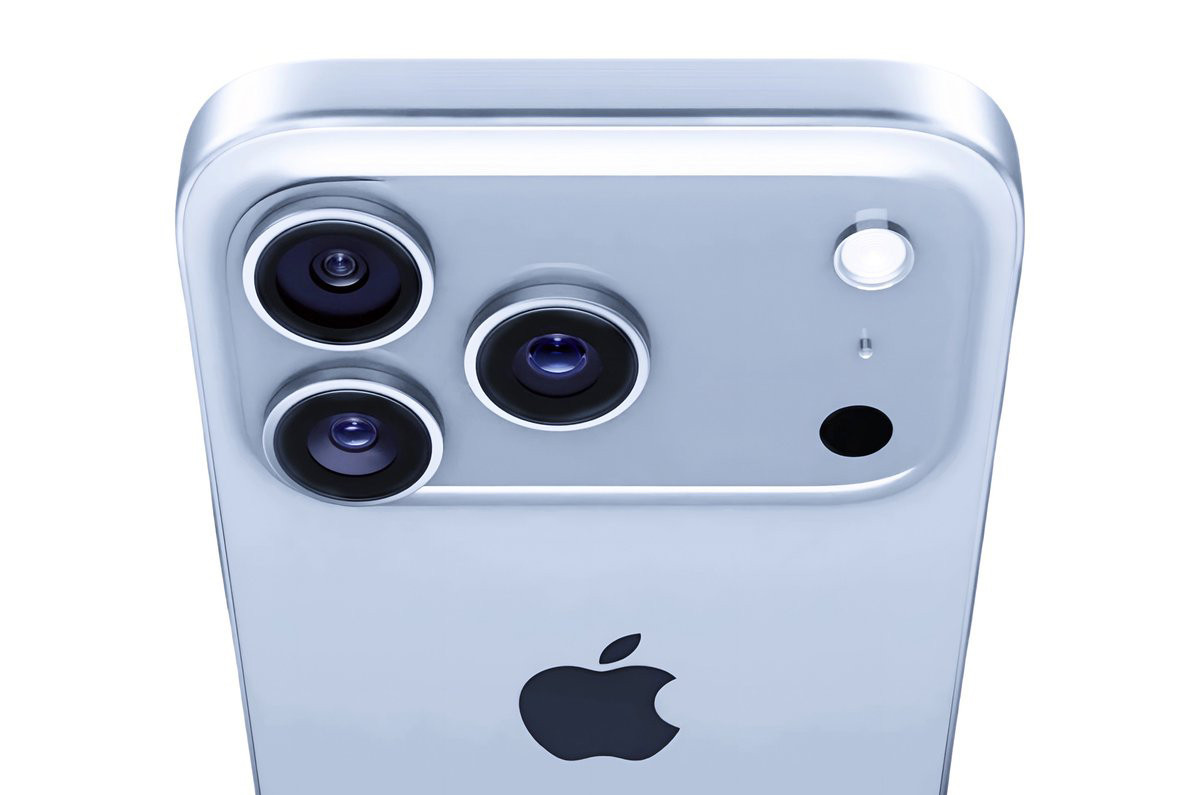
Apple has confirmed it will hold its annual September event on September 9 at its Apple Park headquarters in Cupertino, California. Observers are almost certain this will be the official unveiling of the iPhone 17 lineup, new Apple Watch models, and possibly other surprises.
September: Apple’s most important moment of the year
Apple rarely reveals product details before launch, but since 2012, September has consistently marked the debut of new iPhone generations. This year’s press invitation came with the tagline “Awe dropping,” hinting at a highly anticipated event packed with major revelations.
The September event has long been considered Apple’s “G hour,” as the iPhone continues to generate the company’s largest share of revenue.
Still, the big question is whether consumers are willing to spend on a new smartphone amid tighter budgets and if Apple can prove it remains the leader in tech innovation during the age of artificial intelligence (AI).
That pressure has only intensified after Apple delayed major upgrades to Siri, which many hoped would catch up with rivals like OpenAI’s ChatGPT and Google’s Gemini. However, despite AI setbacks, Apple’s Q2 2025 earnings still impressed Wall Street, thanks to robust iPhone sales.
Last year, Apple marketed the iPhone 16 as “built for Apple Intelligence,” a strategy analysts believe the company will continue pursuing this year.
Ultra-thin iPhone and new variants on the horizon
According to Bloomberg, Apple is betting big on a new standout feature: an ultra-thin iPhone, described as the “MacBook Air of iPhones.”
This sleek, minimalist design promises a fresh look but will likely come at the cost of battery capacity and camera performance.
The move is seen as a bid to reignite excitement around smartphones, especially as many consumers now upgrade only when absolutely necessary. While competitors have explored foldable designs, Apple’s iPhone has seen minimal design change for years.
Apple previously experimented with varying form factors with mixed results. The iPhone Mini was discontinued after just two generations, and as of July 2024, the iPhone 16 Plus accounted for only 5–10% of shipments, according to analyst Ming-Chi Kuo (TF International Securities). He also predicts the Plus line will be phased out in 2025.
In addition to the ultra-thin iPhone, Apple is expected to unveil the standard iPhone 17 and its Pro variants.
The standard iPhone 17 is set to feature moderate upgrades in processing power, battery life, and camera quality.
The iPhone 17 Pro and Pro Max will likely come with more advanced cameras, larger displays, faster chips, and high-end titanium frames - although some leaks suggest aluminum may be used instead.
This product tiering reinforces Apple’s ongoing strategy of offering “Pro premium - standard mainstream” models to cater to a diverse consumer base.
AI ambitions and looming challenges
The iPhone 17 launch comes as Apple navigates the economic effects of President Donald Trump’s trade policies. In a July investor meeting, CEO Tim Cook stated that Apple expects to absorb $1.1 billion in tax-related costs in Q3 2025.
To mitigate risks, Apple has shifted much of its U.S.-bound iPhone production to India, reducing its reliance on China, which remains the primary assembly hub. Though India will double import tariffs on many goods to 50% starting August 28, smartphones remain exempt.
Moreover, Trump hinted that Apple may avoid a 100% semiconductor tariff due to its commitment to expanding U.S. investments. In early August, Apple announced plans to invest $600 billion in expanding its domestic operations, including a local semiconductor supply chain.
A closely watched aspect of the upcoming event will be how Apple positions its products in the AI era. While Google and Samsung have already embedded strong AI features in their devices, Apple is seen as lagging behind.
Analysts agree the iPhone 17 will be a decisive test of whether Apple can “sync with AI.” If the new features prove compelling, Apple could once again assert its leadership in a highly competitive smartphone landscape.
The September 9 event will not only unveil new devices but also serve as a litmus test for Apple’s brand power amid a slowing global smartphone market, cautious consumer spending, and fierce competition from Asian rivals.
With the ultra-thin iPhone poised to replace the Plus line and performance upgrades across the board, Apple appears ready to rewrite the narrative of smartphone design and user experience - shifting focus from hardware specs to overall innovation.
But to succeed, Apple must show that the iPhone 17 is not only beautiful, but also truly different, valuable, and technologically ahead in the AI - driven era.
Hai Phong
.svg)
