 Vietnamnet.vn

 Podcast



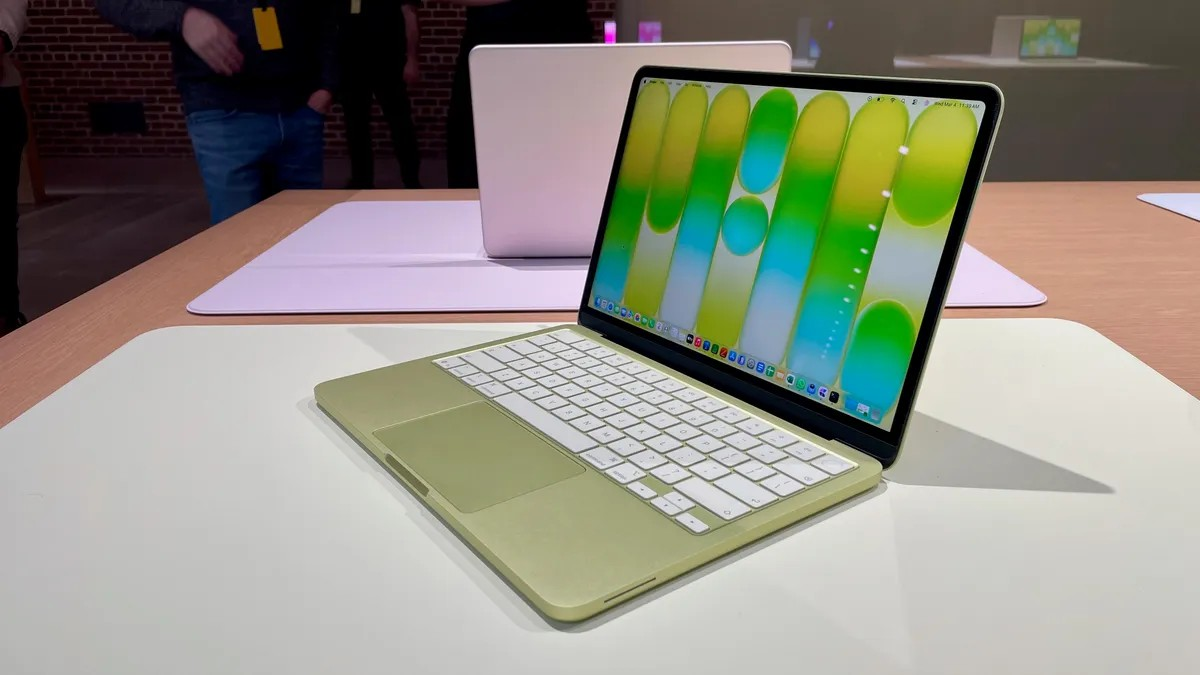
The MacBook Neo runs on Apple’s A18 Pro processor, a chip first introduced in the iPhone 16 Pro two years ago.
However, there is one important difference: the version used in the Neo lineup comes with only five GPU cores, one fewer than the full version shipped in Apple’s 2024 flagship iPhone.
This strongly suggests Apple is reusing A18 Pro chips with one defective graphics core instead of throwing them away.
In the semiconductor industry, faulty cores can be disabled, allowing the remaining chip to function perfectly well in lower-performance devices - in this case, an entry-level laptop rather than a premium smartphone.
Apple has elevated this long-standing “binning” strategy into a highly refined business model by dividing products into Good, Better and Best categories to maximize profitability.
“If you can use something that doesn’t quite meet the highest standards but still works perfectly well, you save money, time and reduce component waste,” supply chain analyst Tim Culpan said. “And you can reach a massive customer segment that was previously out of reach.”
Apple’s flexibility with its self-designed silicon chips has enabled the company to develop affordable iPhones and computers that still sell extremely well.
The Neo lineup has reportedly become so popular that Apple has already exhausted its inventory of repurposed chips and has been forced to order new A18 Pro production to keep up with demand.
Apple is also using aggressive pricing as a competitive weapon to attract new users.
The MacBook Neo is cheap enough to compete directly with Chromebooks and low-cost Windows PCs, while the iPhone 17e - also reportedly built with downgraded chips - is designed to lure Android users into Apple’s ecosystem.
According to research firms Counterpoint and IDC, while competitors struggle with soaring memory and storage costs that have eroded profits on low-end devices, Apple continues gaining market share.
Each new customer joining the ecosystem also becomes a potential subscriber to high-margin services such as iCloud and the App Store.
A long history of component recycling
An analysis by The Wall Street Journal based on nearly 200 pages of Apple documents found that since 2021, the company has released six A-series chips with one GPU core disabled after the full versions debuted in flagship iPhones.
With annual iPhone sales exceeding 200 million units, even a relatively small defect rate provides Apple with millions of reusable chips.
The report claims the iPhone 17e uses chips that failed to meet standards for the iPhone 17, while the iPhone Air relies on processors originally intended for the iPhone 17 Pro lineup.
Similarly, M-series chips with disabled GPU cores have reportedly been repurposed for cheaper iPad Air models.
The strategy dates back to Apple’s first in-house processor, the A4 chip.
A4 units that consumed too much power for smartphones were instead used in the second-generation Apple TV, which operates while plugged into a power source.
A similar approach was later applied to inefficient S7 chips, which were redirected from the Apple Watch lineup to the second-generation HomePod speaker.
While the strategy has helped Apple launch its first truly low-cost laptop, the overwhelming popularity of the Neo lineup is now creating new pressure for the company.
Apple has reportedly run out of inexpensive defective chips and now needs fresh A18 Pro production to sustain MacBook Neo manufacturing.
That may not be as simple as before.
TSMC, Apple’s exclusive supplier for advanced chips, is currently under enormous pressure to meet soaring global demand for AI processors.
“Apple no longer has the flexibility it once had, and the pressure is beginning to show,” analyst Ming-Chi Kuo of TF International Securities said.
Apple CEO Tim Cook has also acknowledged that the company is facing chip shortages that are affecting its ability to meet demand for products including the iPhone and, more recently, the Mac lineup.
Delivery times for a new MacBook Neo ordered through Apple’s website have already stretched to between one and two weeks.
Du Lam
.svg)
