 Vietnamnet.vn

 Podcast



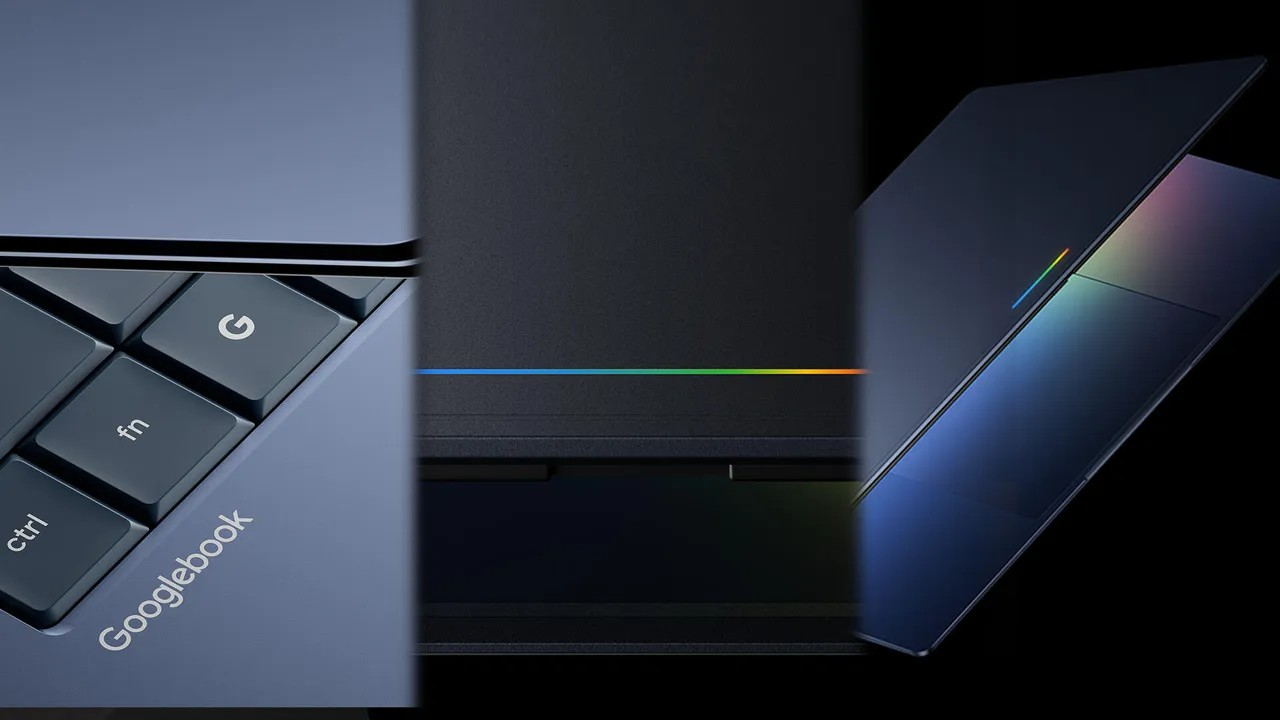
The new series represents a major upgrade over Chromebooks in both performance and functionality through the merger of Android and ChromeOS into a single operating system.
The move to a unified operating system is considered risky, but it could also become one of Google’s biggest successes.
While previous Chromebook models already offered limited Android phone connectivity, Google says the new platform will fully erase the boundaries between mobile and desktop experiences, bringing MacBook-style ecosystem features to Googlebook devices.
Details remain limited for now and are expected to be fully revealed during Google I/O, the company’s developer conference scheduled for May 19.
Googlebook is entering the laptop market at a critical moment.
Earlier this year, Apple launched the $599 MacBook Neo, dramatically changing consumer expectations for affordable laptops and forcing PC makers as well as Chromebook manufacturers to rethink pricing strategies across their product ranges.
Google’s strategy focuses on releasing premium devices powered by the unified operating system while competing through advanced AI capabilities driven by a new core system called Gemini Intelligence.
One of the biggest attractions of the MacBook Neo is its deep integration with the iPhone ecosystem.
That advantage has increasingly led users to question why they should continue using Windows PCs when cheaper Apple laptops already provide built-in access to features like Messages, FaceTime and Phone Mirroring.
Googlebook is almost certainly Google’s answer to that challenge.
One of the central features of the new operating system is Cast My Apps, allowing users to run smartphone apps directly on Googlebook devices without downloading them separately.
Google’s long-term goal is to deliver native Android app support across the Googlebook interface, including integration with the company’s new AI platform called Google Intelligence.
The rollout will happen in stages beginning this summer, initially targeting the latest Samsung Galaxy and Google Pixel smartphones.
Another feature called Create My Widget uses AI to generate custom widgets on Googlebook screens through natural language prompts.
In one demonstration, a user created a family vacation widget, after which Gemini Intelligence automatically built a scrollable itinerary displayed directly on the home screen.
Cross-platform data sharing has also been optimized.
Google says Quick Share, its tool for sending photos, videos and files between devices, will now support compatibility with Apple’s AirDrop standard.
The feature will first appear on Pixel devices before expanding later this year to products from Samsung, OPPO, OnePlus, Vivo, Xiaomi and Honor.
The future of Chromebook
It has now been 15 years since Google introduced the first Chromebooks, which were originally low-cost devices with modest hardware designed mainly for basic web browsing tasks.
Today, Chromebook and Chromebook Plus devices have moved into the premium segment with OLED displays, up to 16GB of RAM and support for Gemini-powered AI workloads.
Google insists the Chromebook lineup is not being discontinued.
“Chromebook is not dead,” Alexander Kuscher, Google’s senior director for tablets and laptops, said during an online press briefing.
While Googlebook is positioned as a completely new product category, the current Chromebook market will remain unchanged for now.
Kuscher also confirmed that Google will continue providing software updates for Chromebooks through at least 2034.
He acknowledged that the company cannot simply phase out millions of Chromebook devices currently used across schools, businesses and consumer markets worldwide.
Maintaining long-term support is expected to help users avoid the kind of large-scale upgrade disruptions previously seen during transitions such as Windows 11.
Although Google has not yet revealed detailed specifications, the company confirmed that the new premium Googlebook devices will be manufactured by Acer, Asus, HP, Dell and Lenovo.
In terms of design, Google has so far revealed only one signature visual element called the Glow bar, a seven-color LED strip placed on the back of every Googlebook laptop as the lineup’s unified design identity.
The first Googlebook models are expected to officially launch this fall, although manufacturers may begin previewing their products as early as this summer.
Du Lam
.svg)
