 Vietnamnet.vn

 Podcast



However, such an attempt to circumvent the law could expose vehicle owners to several disadvantages.
Under the new regulation, private passenger vehicles not used for transport business (white license plates) must be equipped with appropriate child restraint systems when carrying children under 10 years old and shorter than 1.35 meters. In addition, children are prohibited from sitting in the front passenger seat, except in vehicles with only one row of seats.
On automotive forums, many private car owners have expressed concerns about the inconvenience of installing child seats and the relatively high cost of purchasing certified child restraint systems.
Some have even questioned whether they could avoid the regulation and switch from white plates to yellow plates, which would classify their vehicles as commercial transport vehicles.
The purpose of the different plate colors is to distinguish vehicle usage and facilitate management. White-background plates are issued to individuals and organizations that do not engage in business transport activities.
Yellow-background plates are issued to individuals and organizations engaged in passenger or cargo transport services, including traditional taxis and ride-hailing vehicles.
“According to the regulations, ride-hailing vehicles and commercial transport vehicles are exempt from the child-seat requirement. If I switch my vehicle to a commercial service vehicle with a yellow plate, I won’t need to install one,” user Thinh Nguyen wrote on the Otofun forum.
The post quickly sparked debate. Some users argued that if the regulation exempts commercial transport vehicles, then switching to a yellow plate would be entirely legal.
“If the law allows it, citizens have the right to choose the option that best suits their needs. Just register the vehicle for transport services,” one forum member commented.
Others disagreed, arguing that converting a vehicle to commercial use solely to avoid installing a child seat runs contrary to the goal of protecting children.
“A child seat is meant to protect your own child, not simply comply with regulations,” Hoang Nam wrote.
Many people also questioned the logic behind the exemption, noting that children traveling in taxis or ride-hailing vehicles face the same accident risks as those traveling in private cars.
Some commercial drivers argued that equipping transport vehicles with child seats would be difficult due to operational characteristics and additional costs.
Although converting a vehicle from a white plate to a yellow plate is not complicated, legal experts and lawyers emphasize that the change involves much more than simply replacing the license plate. The vehicle must genuinely participate in commercial transport activities in accordance with the law.
Under regulations, conversion from a white plate to a yellow plate is only permitted for vehicles actually participating in transport services. To do so, owners must complete procedures for changing vehicle registration, submit required declarations and ownership documents, and fulfill all legal requirements related to transport business operations.
More drawbacks than benefits
Lawyer Duong Duc Thang of the Hanoi Bar Association said that converting a private vehicle from a white plate to a yellow plate solely to avoid child-seat regulations is impractical and could create numerous legal and financial burdens.
According to Thang, once a vehicle is classified as a commercial transport vehicle, the owner must comply with a range of industry-specific regulations in addition to changing the license plate color.
Commercial vehicles are subject to more frequent inspection cycles than private vehicles, meaning owners must spend more time and money on periodic inspections.
In addition, compulsory third-party liability insurance premiums and other transport-related expenses are generally higher than those for private-use vehicles.
“In many cases, vehicle owners may also be required to register a business, declare income, and fulfill tax obligations in accordance with regulations. Drivers operating commercial transport vehicles must meet additional requirements regarding health, professional qualifications, and other licensing conditions,” lawyer Thang explained.
He also noted that commercial vehicles may be required to carry transport badges, journey-monitoring devices, or other identifying equipment depending on the transport category.
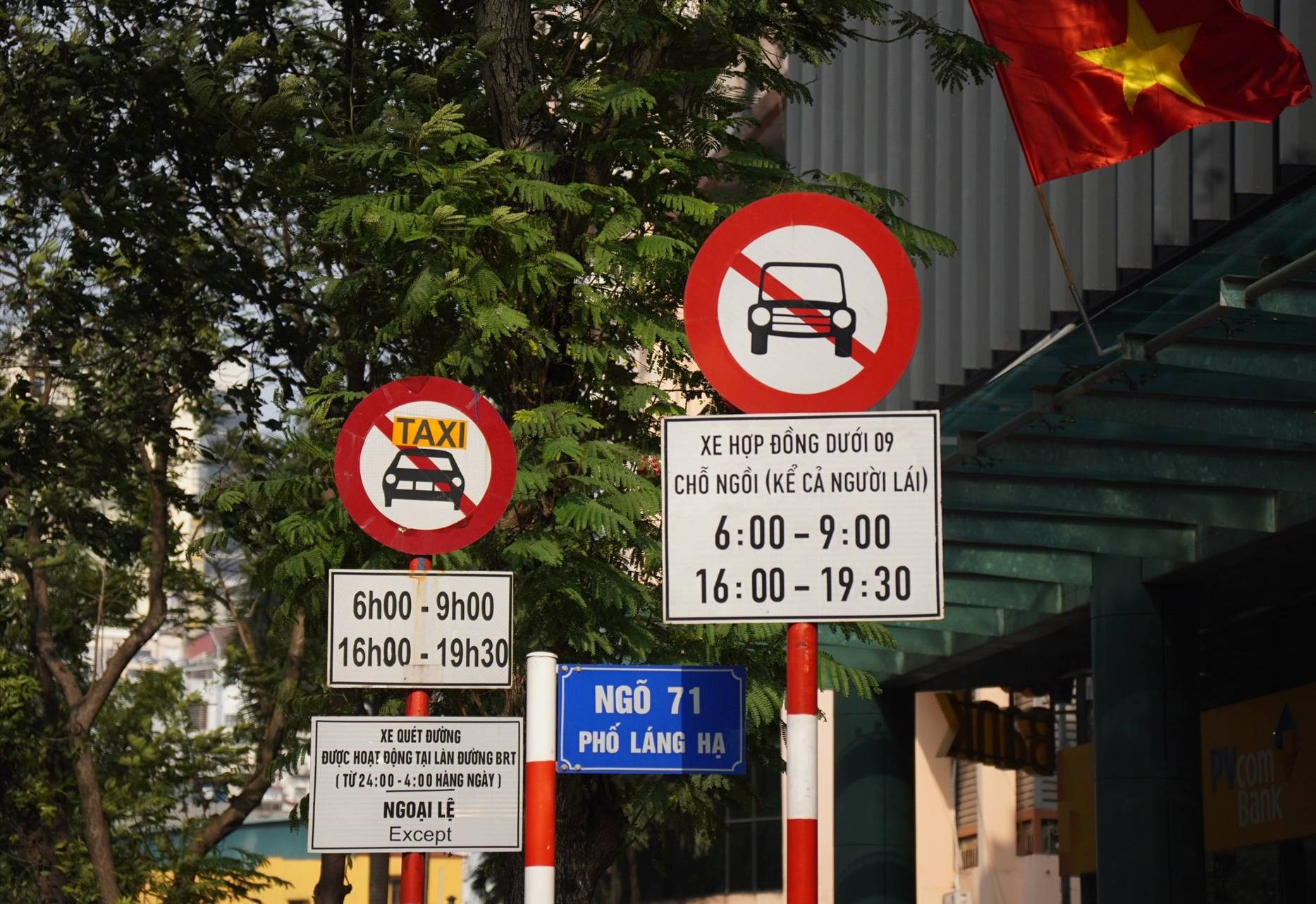
Furthermore, some roads and urban areas impose restrictions on contract vehicles and taxis during certain time periods, which could affect a vehicle’s use for family purposes.
Notably, if an owner later stops operating transport services and wishes to switch back to a white plate, they must first complete procedures to terminate transport permits or badges before applying for a new registration.
Vu Diep
.svg)
