 Vietnamnet.vn

 Podcast



At the age of 72, Ho Thi Nieng, a woman from the Ta Oi ethnic group in Pa Ling village, Ta Rut commune, Quang Tri province, continues to attend literacy classes with quiet determination. For her, being able to read, write, and calculate independently is a source of simple yet profound happiness.
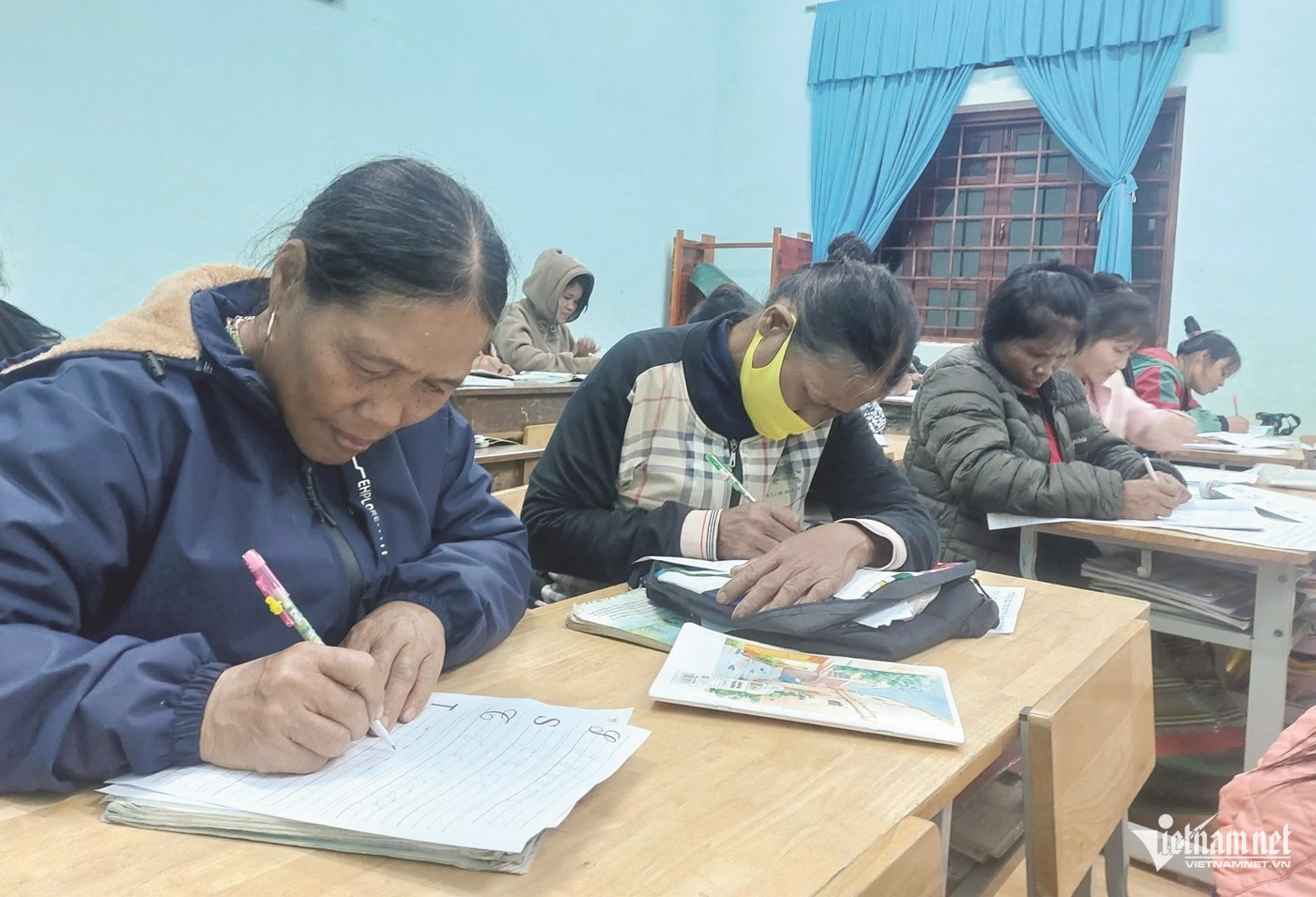
Five evenings a week, she walks to the Pa Ling learning point of A Vao Semi-Boarding Primary and Secondary School for Ethnic Minorities. Her journey began with the most basic steps - learning how to hold a piece of chalk, pronounce individual letters, and gradually form syllables under the guidance of teacher Phan Ngoc Anh.
For Nieng, simply showing up to class is already a challenge. Absorbing knowledge at her age is even harder. Yet she persists. At home, she often studies alongside her grandchild to better remember her lessons. The path to literacy is not easy, but she remains committed.
“Not being able to read or calculate is very difficult. Going to the market or handling paperwork, I always had to rely on others,” she said. “Now that there is a class, I want to learn. At my age, it is discouraging at times, but I want to be able to read, to calculate, and to set an example for my children and grandchildren.”
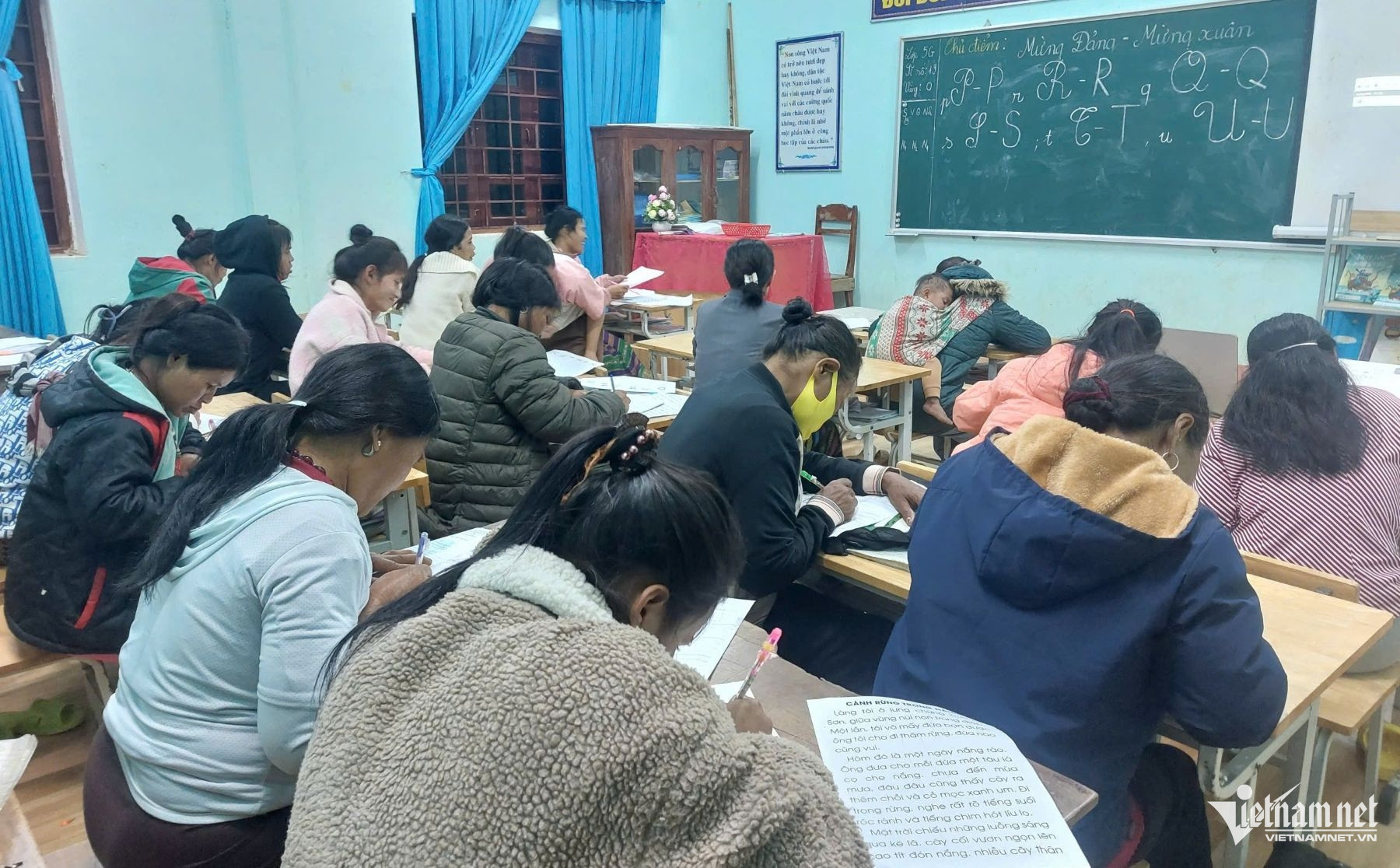
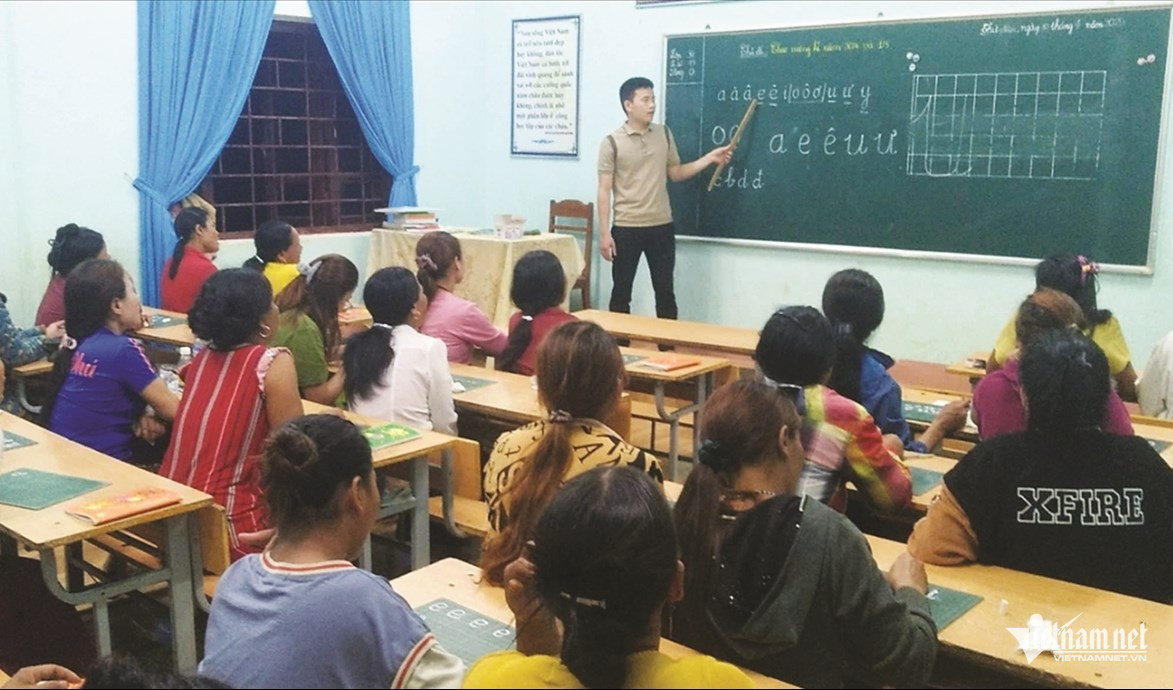
She is not alone. The literacy class, organized by the Ta Rut Commune People’s Committee in coordination with A Vao school, has more than 20 learners. Most are middle-aged or elderly, many already grandparents. They share a common aspiration - to read, to write, and to gain basic numeracy skills that eluded them during years spent making a living.
To make learning more accessible, local authorities have assigned a teacher from the community, Ho Thi K’Loi, to improve interaction with learners. Gradually, more than 20 residents of Pa Ling village are learning to read and write, and are becoming increasingly confident with basic calculations.
Phan Ngoc Anh, the teacher in charge of the class, noted that none of the learners have dropped out so far. Most are now able to read and write, and the current focus is on developing basic arithmetic skills.
Ta Rut commune was formed by merging the former communes of A Vao, Huc Nghi, and Ta Rut, all of which were previously classified as especially disadvantaged areas. Today, ethnic minorities make up 90.78 percent of the population, and illiteracy and relapsing illiteracy remain significant challenges.
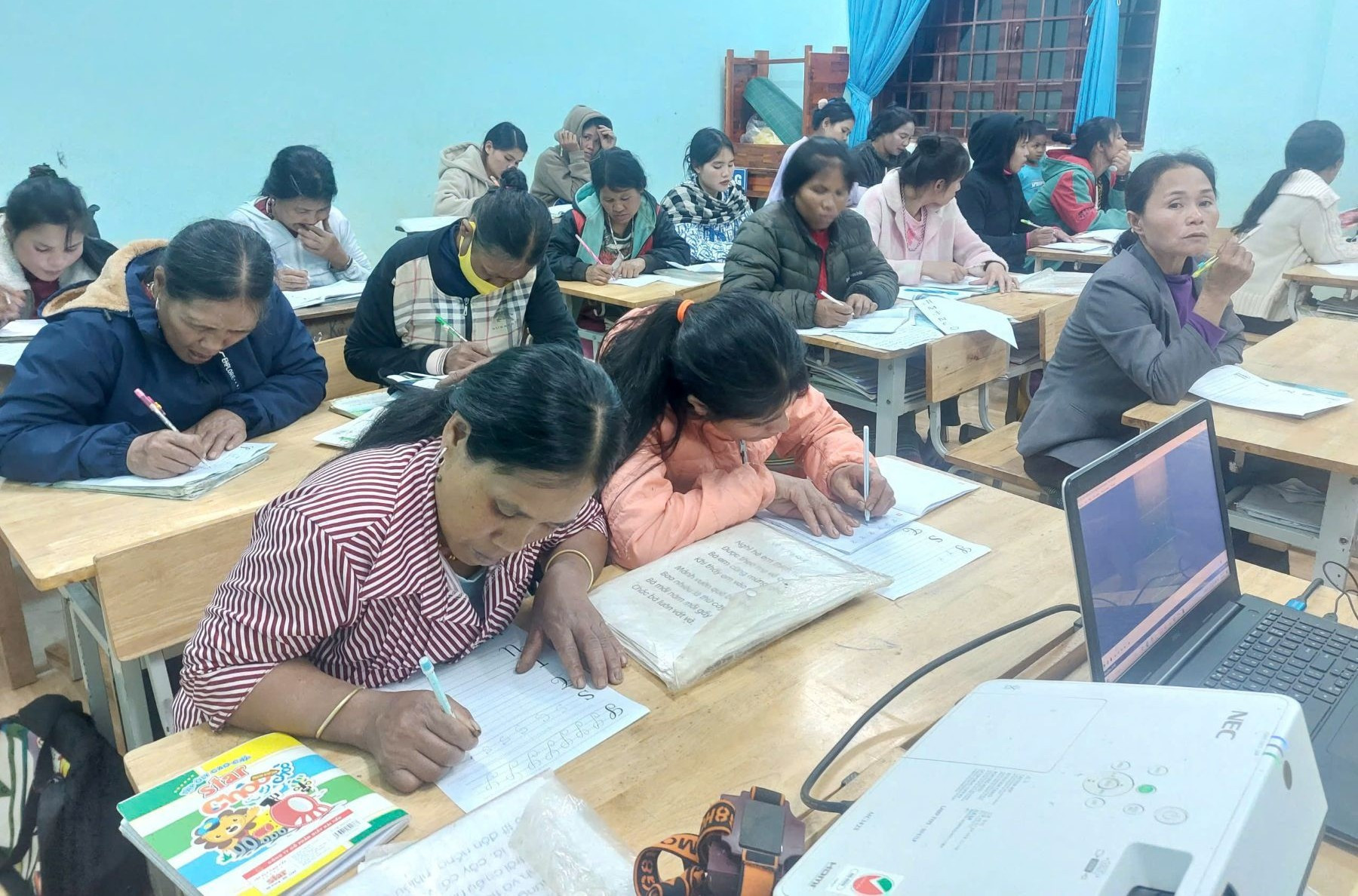
In response, the commune established a steering committee for education universalization and literacy eradication under Decision No. 439/QD-UBND dated August 27, 2025. Local schools were tasked with developing plans and opening literacy classes for residents.
After nearly six months, Ta Rut has launched 11 literacy classes with a total of 202 learners. These courses are expected to conclude by the end of 2026, with the goal that all participants can read, write fluently, and perform basic calculations.
According to the Quang Tri Department of Education and Training, the province has made proactive and determined efforts in recent years to promote universal education and eliminate illiteracy. Flexible class models have been introduced to suit local conditions, especially in ethnic minority, remote, and mountainous areas. To date, 25 literacy classes have been opened across the province, with 499 participants.
Tien Pham
.svg)
