 Vietnamnet.vn

 Podcast


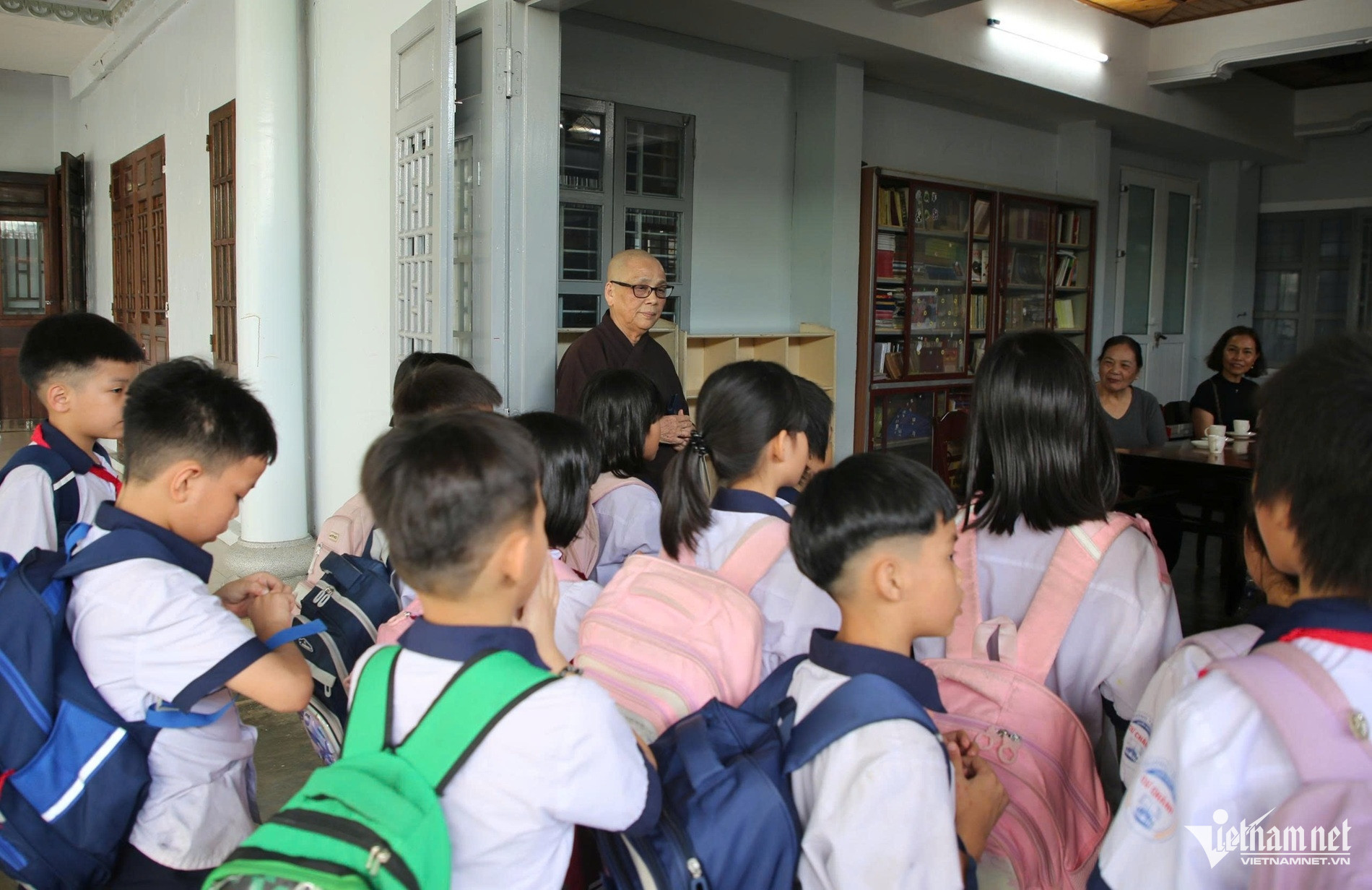
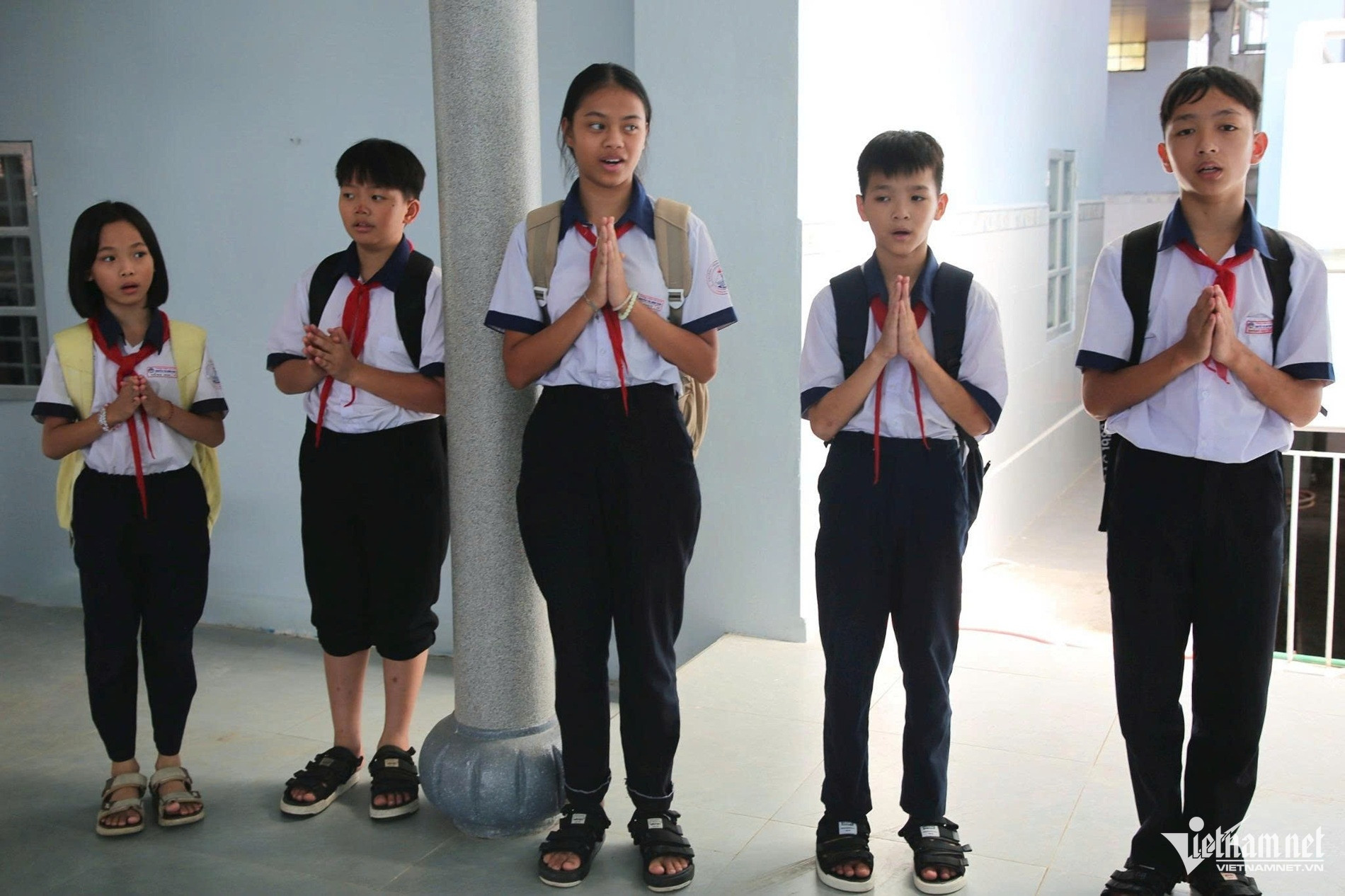
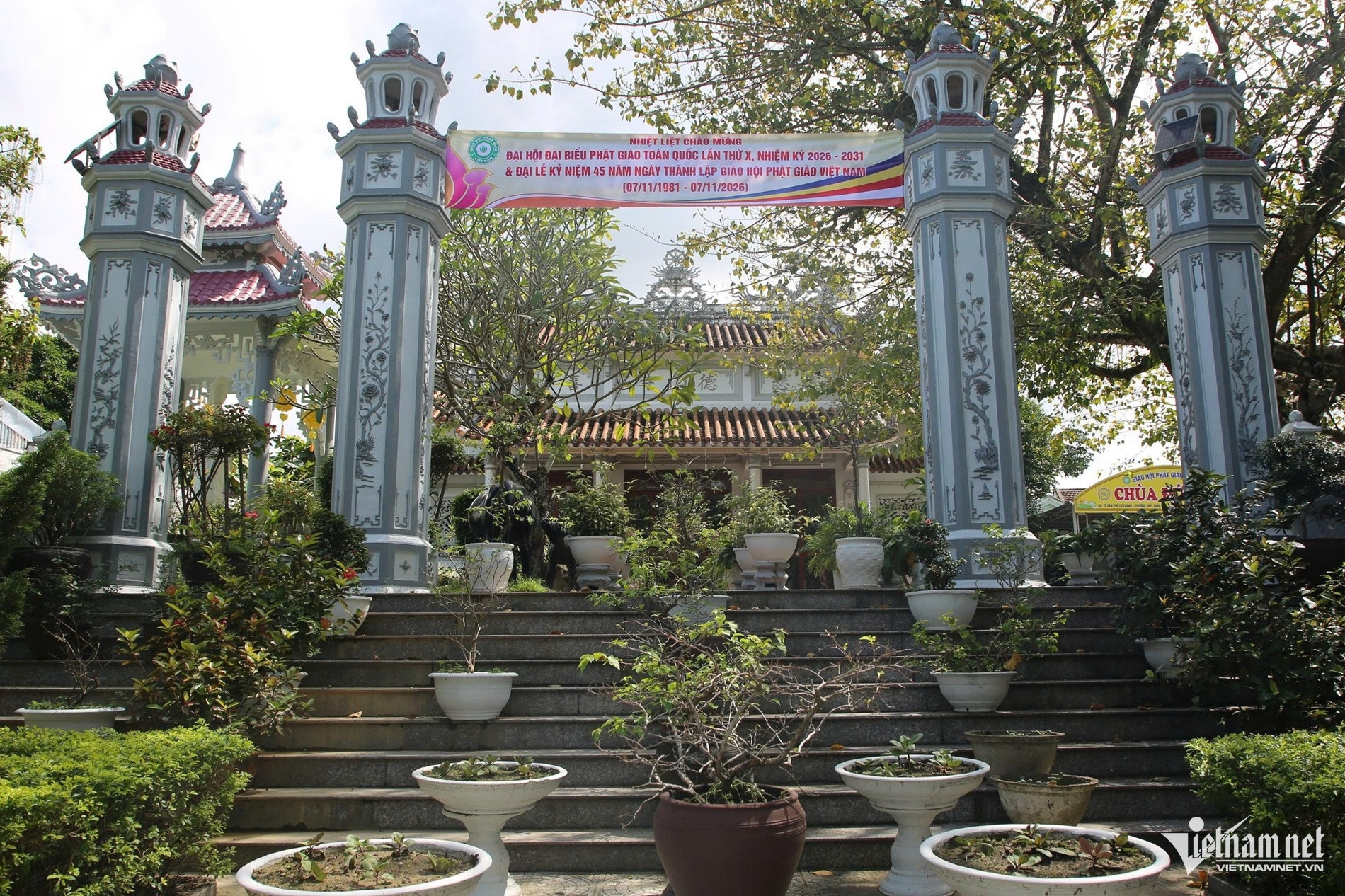
On an early November afternoon, groups of children were returning from school to Duc Son Pagoda in Thuy Xuan Ward, Hue City, central Vietnam.
Noticing visitors, they pressed their palms together in a respectful greeting before cheerfully following the Buddhist nuns around the grounds. Their laughter and lively chatter filled the pagoda with warmth.
Behind those carefree faces, however, were childhoods marked by hardship. Some had lost their parents, others had been abandoned at birth, while some came from families unable to care for them or lived with severe disabilities.
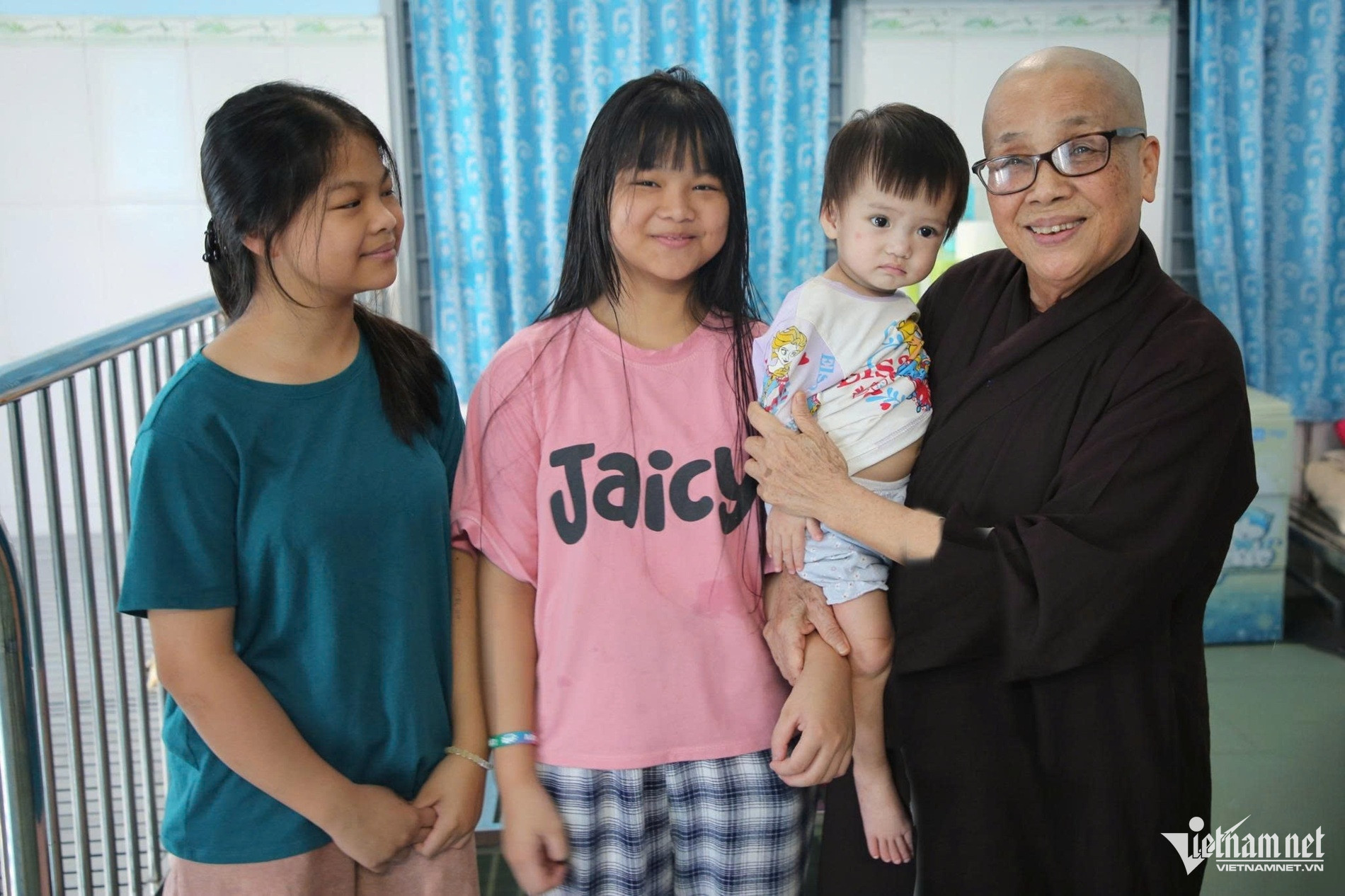
Over the past 40 years, Duc Son Pagoda has provided shelter and care for more than 400 children facing difficult circumstances. Today, it is home to 82 people, ranging from a baby just over a week old to a 47-year-old adult.
At Duc Son Pagoda, Buddhist nuns become mothers
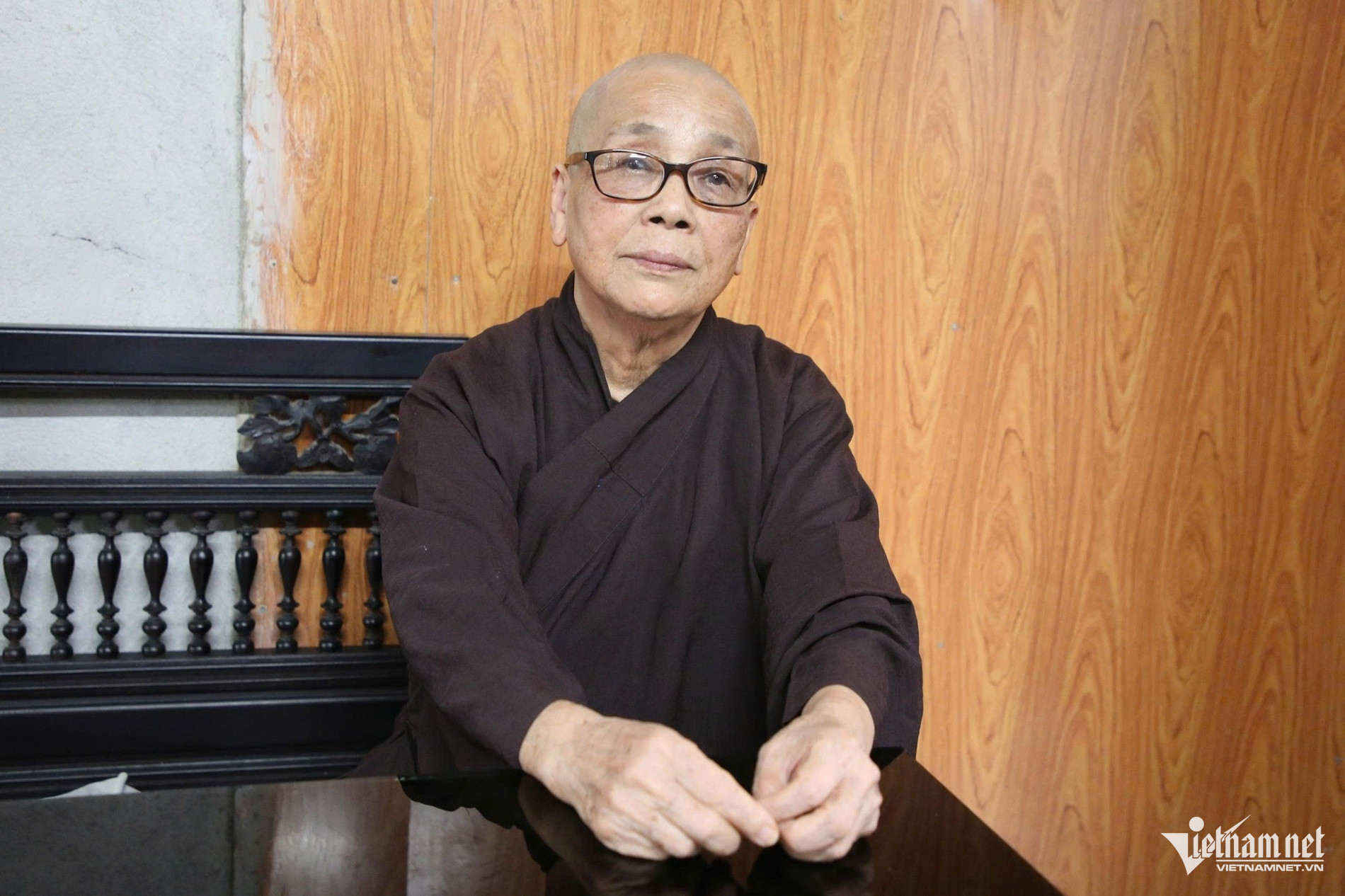
Nun Minh Tu, the pagoda's abbess, said its mission of caring for people without family support began in 1975.
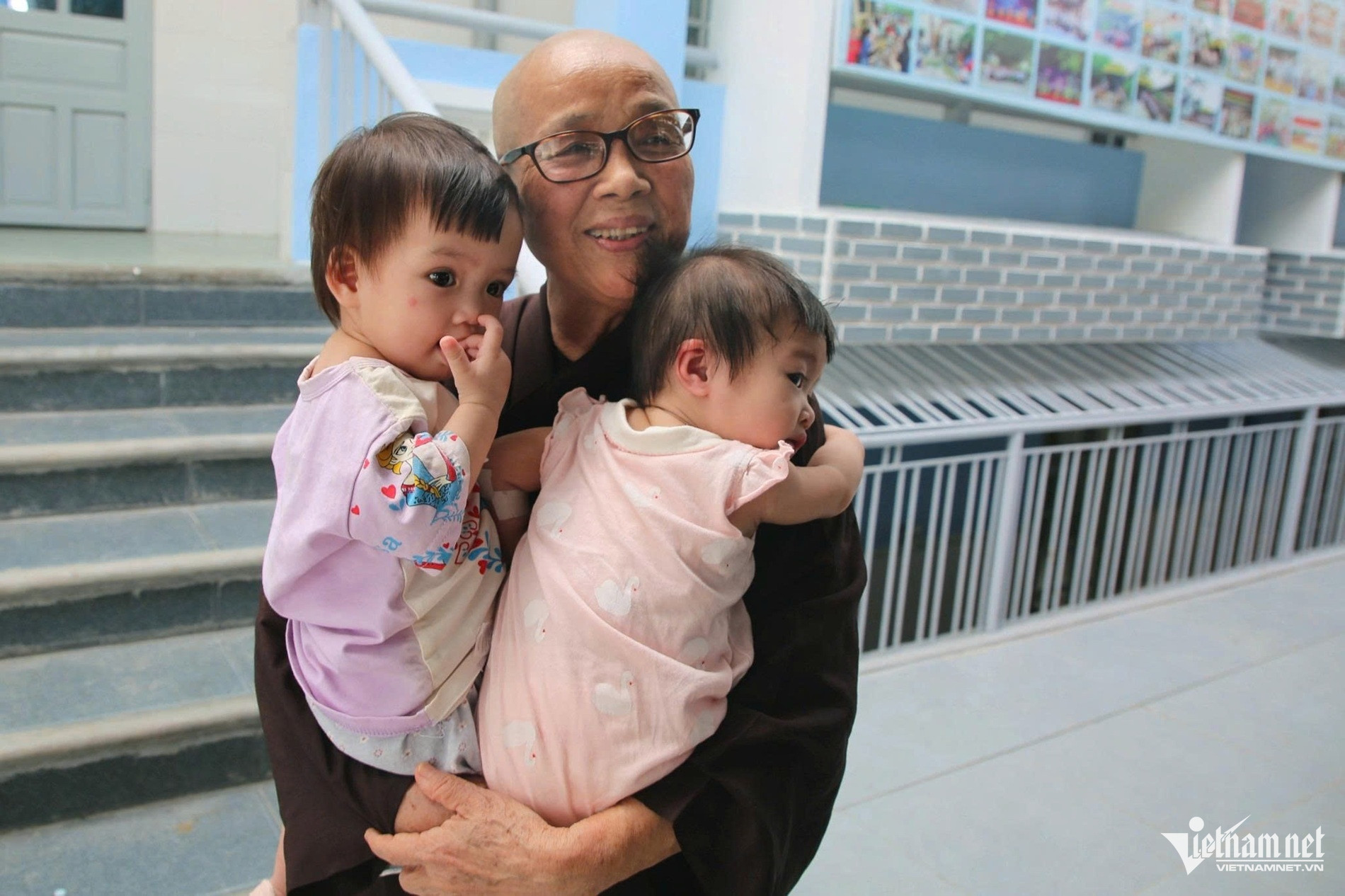
In 1986, the nuns took in a newborn baby who had been abandoned outside the pagoda gate. From that moment, more children in need gradually found their way into its care. At one point, the pagoda was raising as many as 250 children.
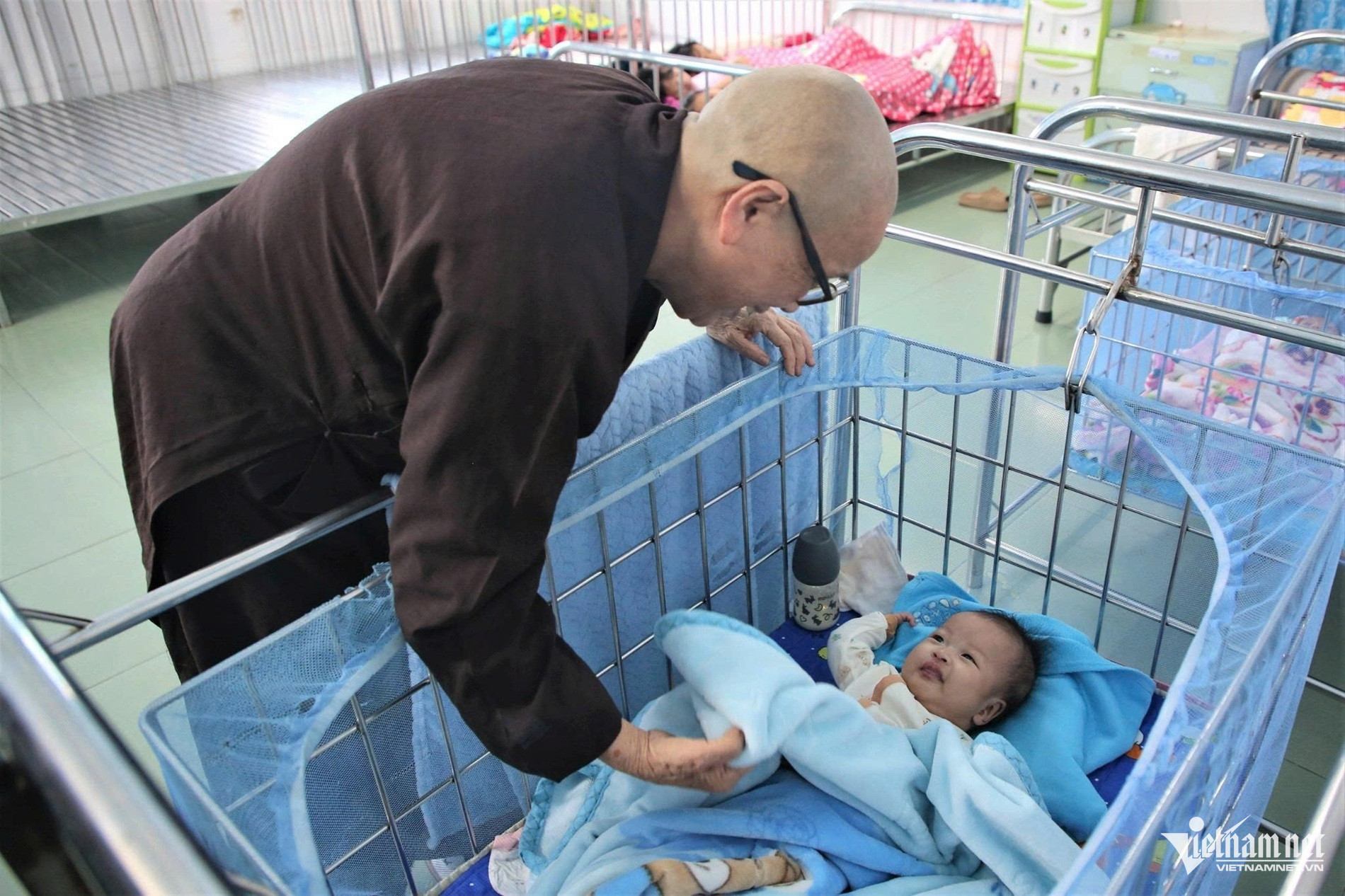
Minh Tu recalled that some babies had been left at the pagoda immediately after birth, sometimes before their umbilical cords had even been cut.
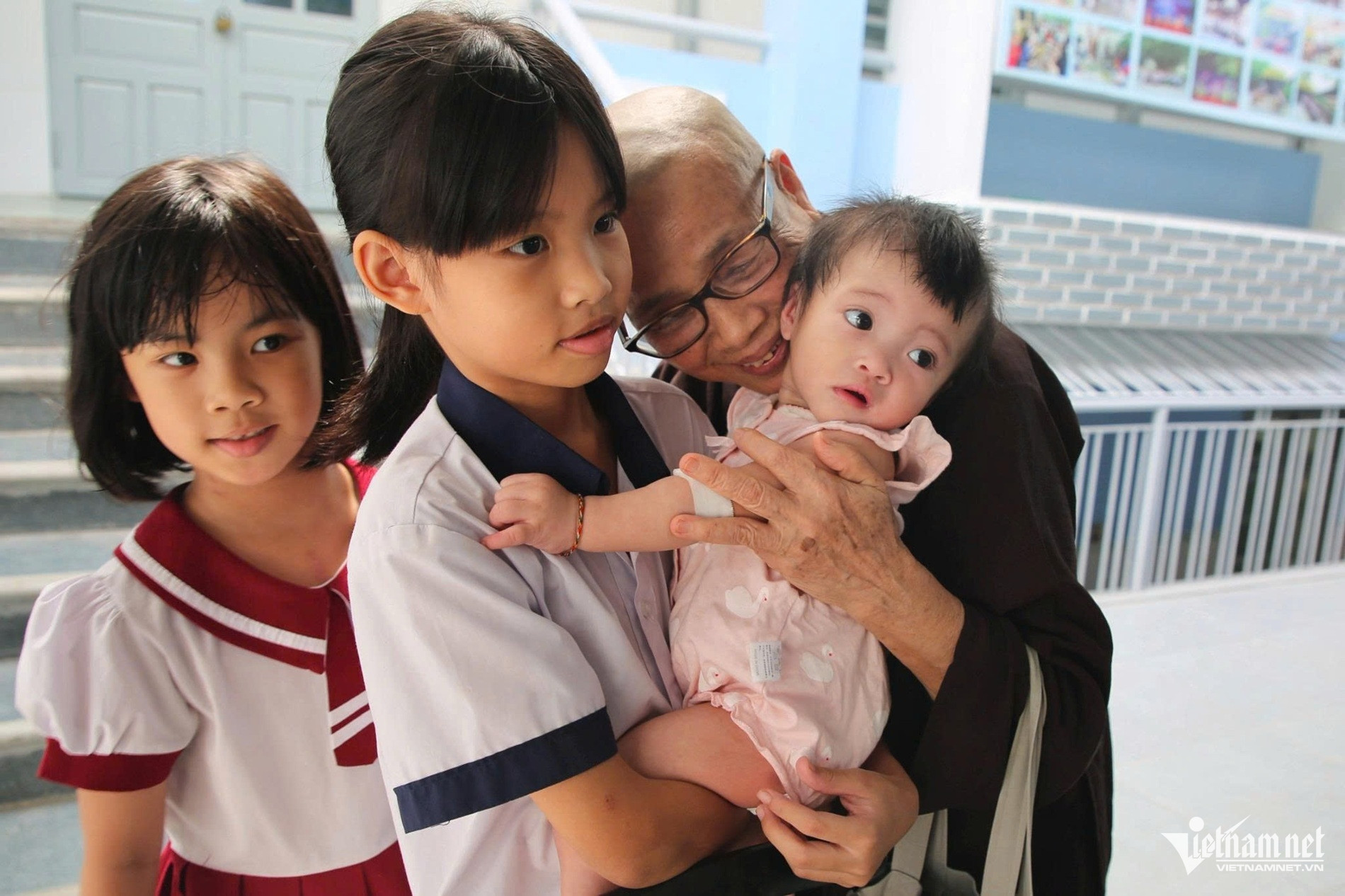
The nuns became their mothers in every practical and emotional sense, holding them in their arms, feeding them, putting them to sleep and tending to their needs.
For Minh Tu, raising children means much more than providing food and shelter. It also means helping them heal from the emotional deprivation they have experienced since their earliest days.
"These children have already endured so much pain. We must not let those wounds deepen," she said.
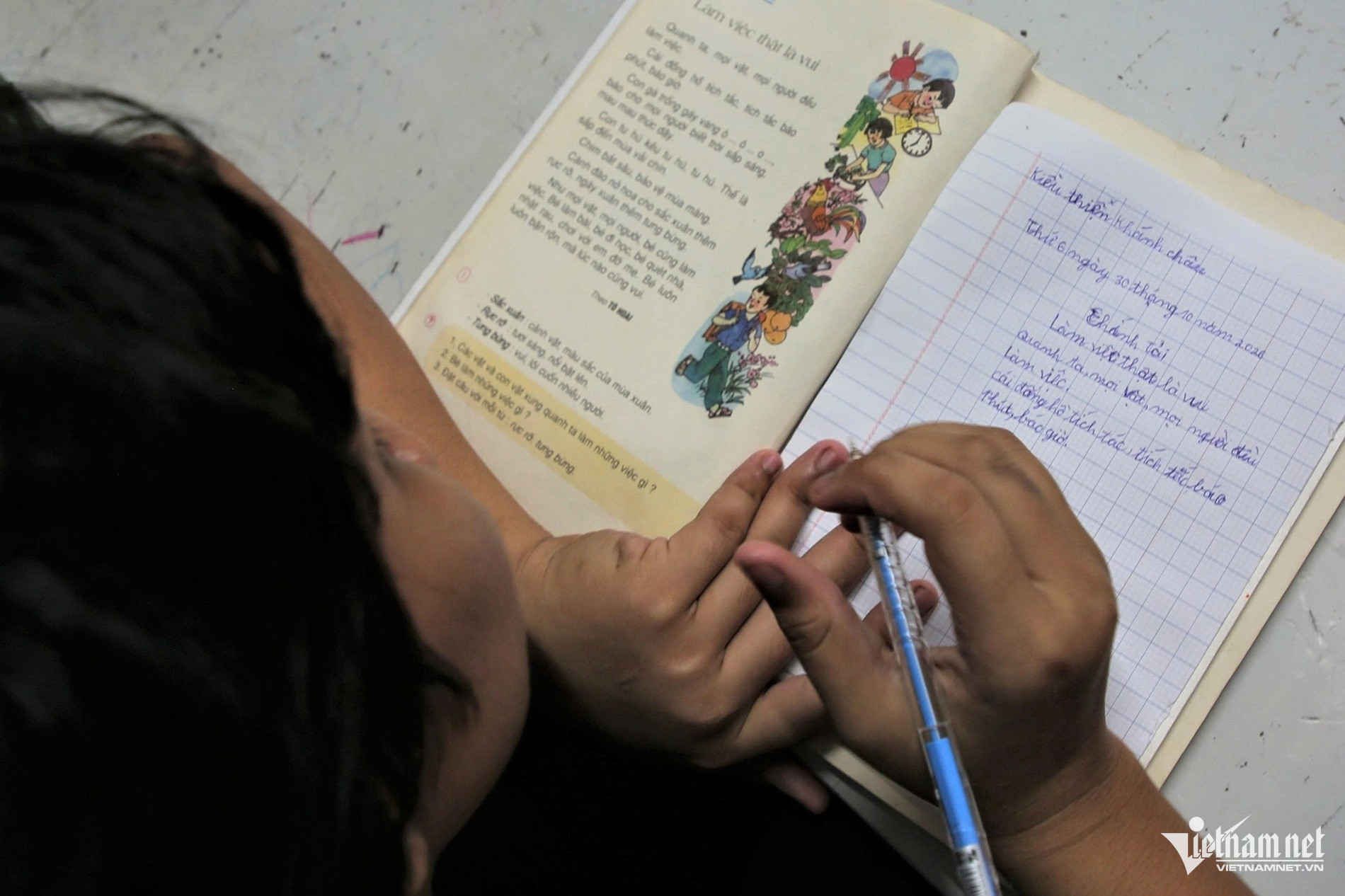
That belief shapes everyday life at Duc Son Pagoda. Although the children live within a Buddhist religious community, they are free to study, play and enjoy childhood like other children their age.
They are not required to follow a vegetarian diet or adopt the daily routines of Buddhist monastics.
Children who are able to attend mainstream schools do so alongside their peers. The pagoda arranges daily transportation and, when they are old enough, provides electric bicycles to make getting to school easier.
From clothes and textbooks to everyday necessities, the nuns do their best to ensure that the children have what their classmates have, within the pagoda's means, so they do not feel left behind.
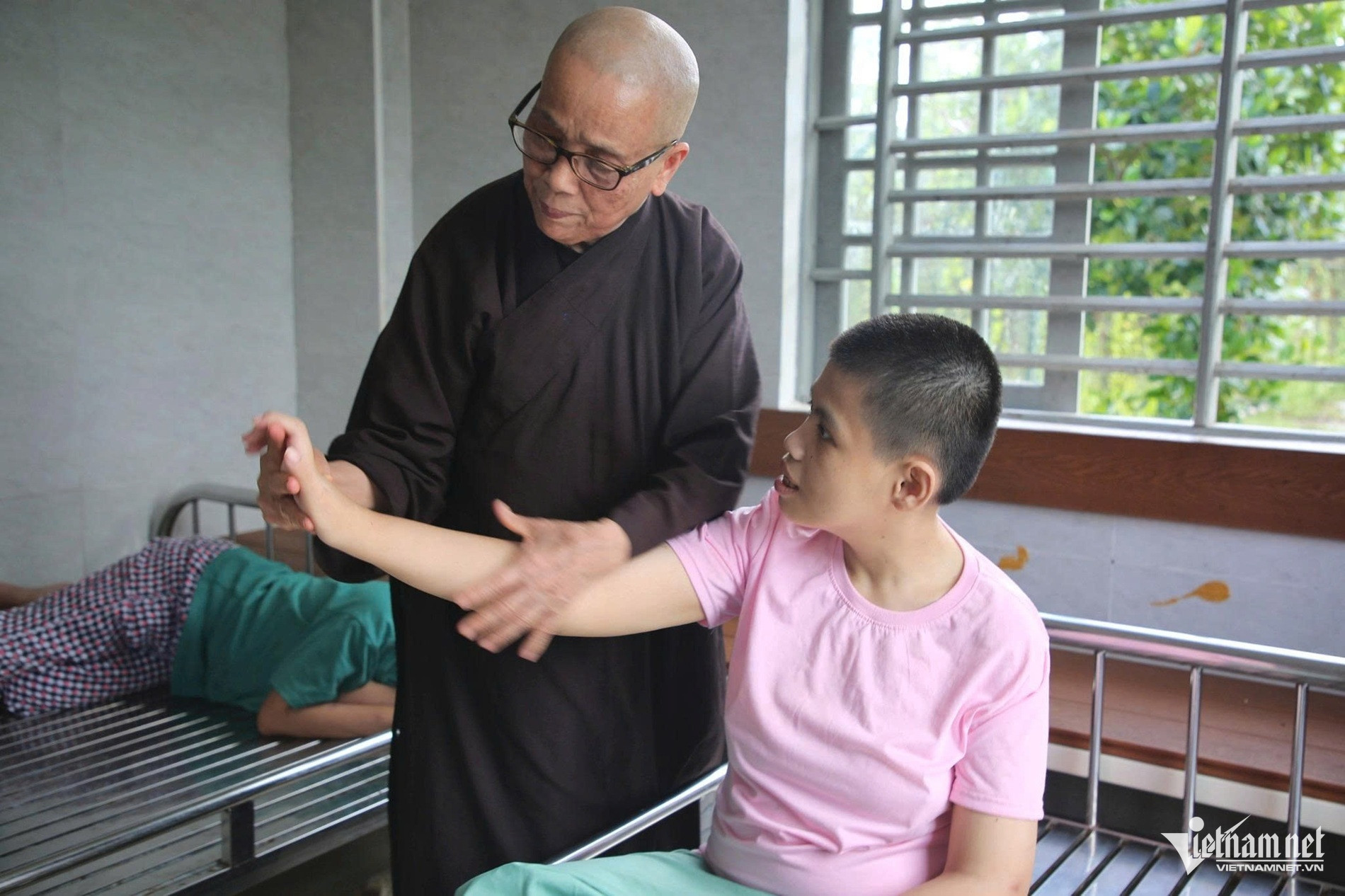
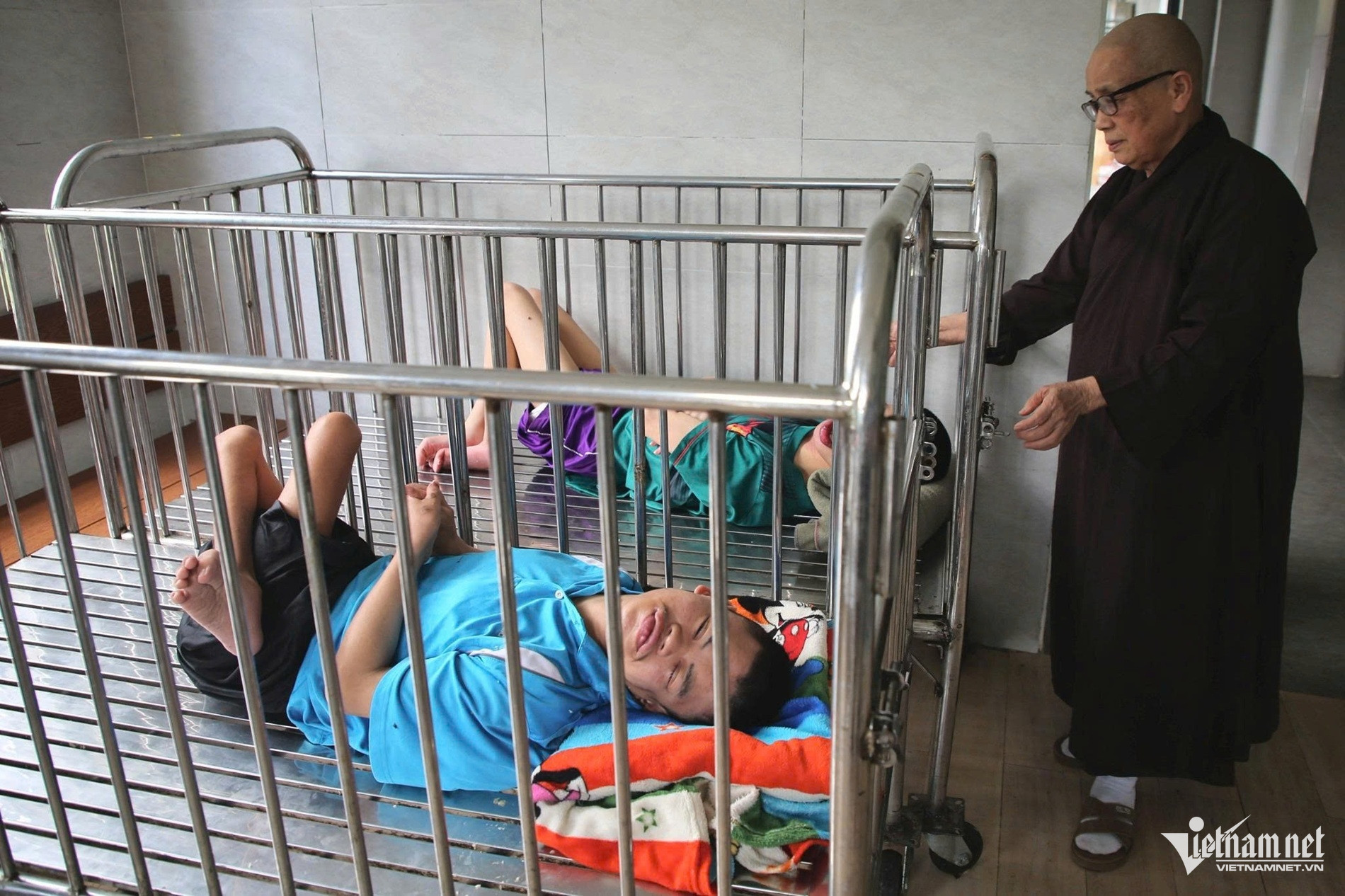
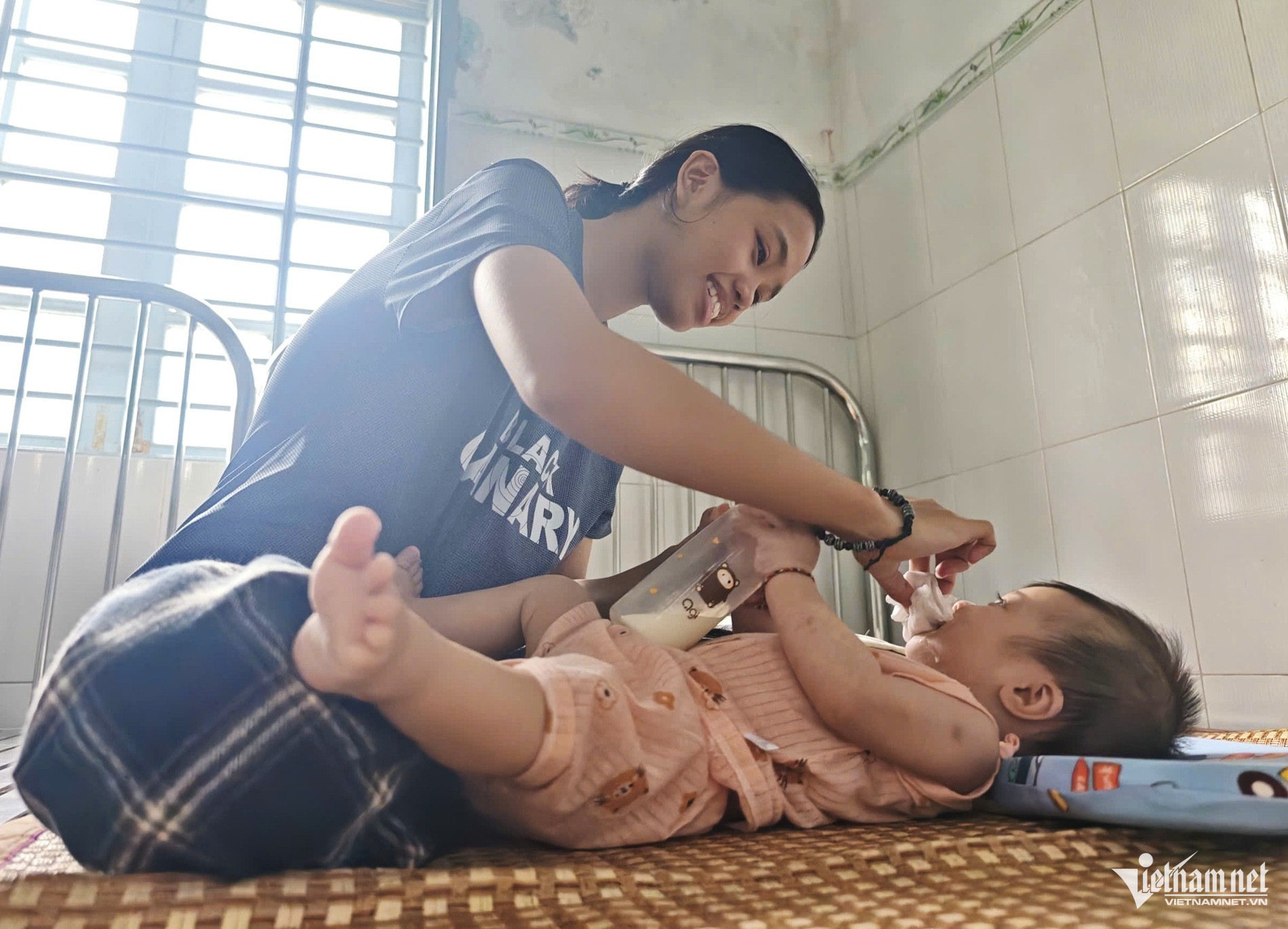
Duc Son also cares for children with severe disabilities who require constant assistance.
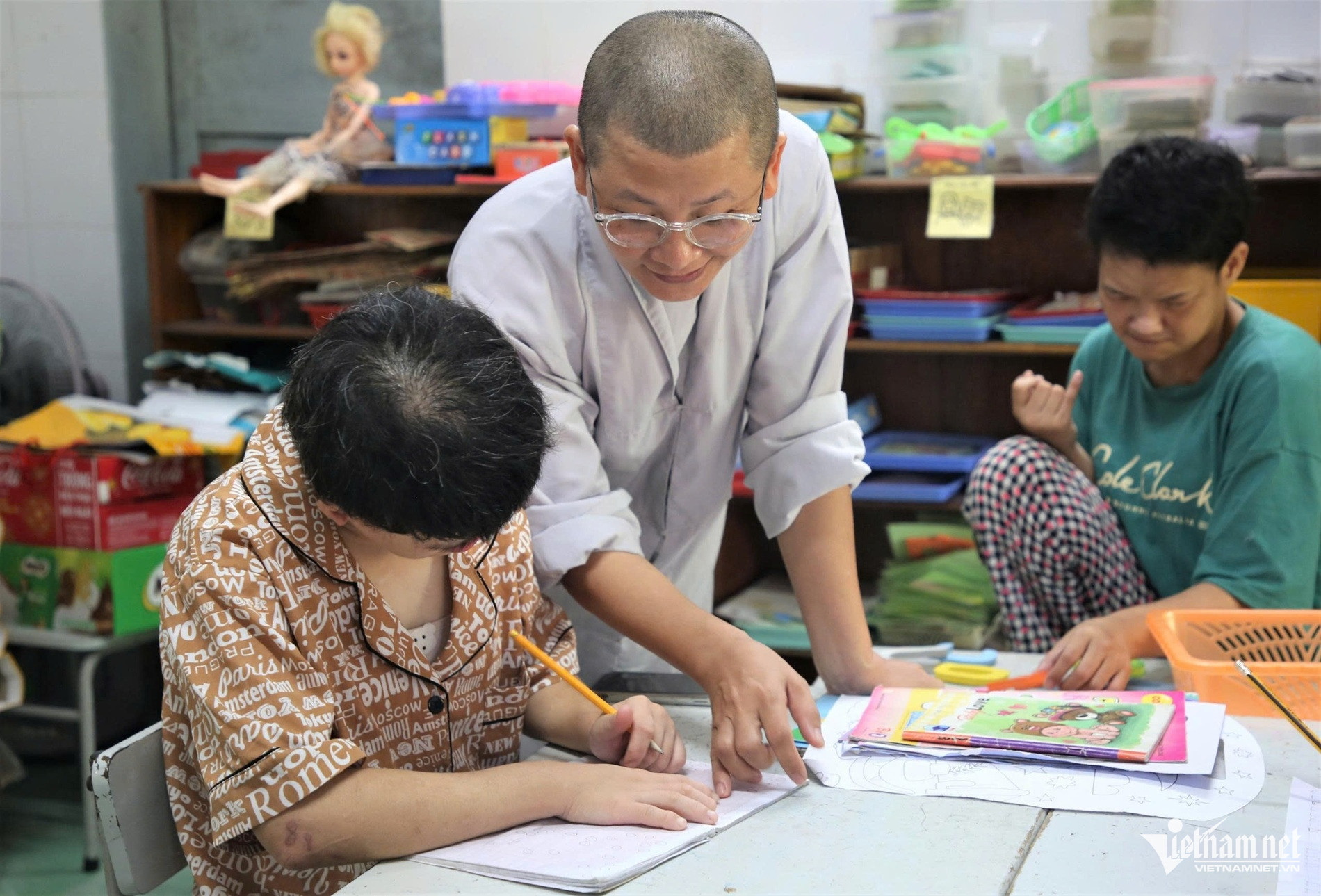
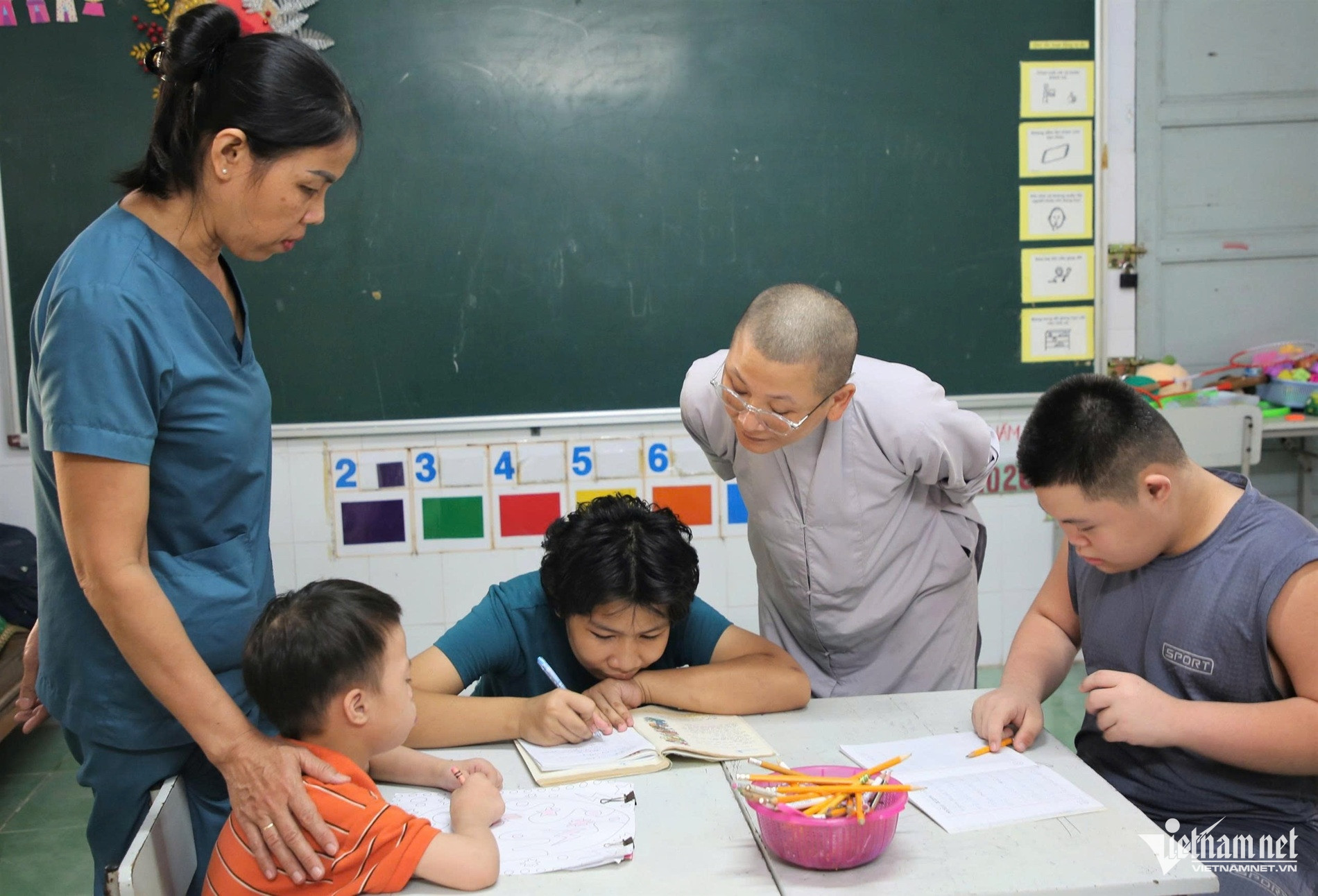
For those unable to attend school, the pagoda hires teachers to provide lessons on-site, helping them acquire knowledge suited to their abilities.
Every morning begins early for the nuns. They change diapers, bathe children, prepare meals, attend to medical needs and take students to school.
Caring for children with severe disabilities demands even more time, patience and devotion, much like looking after one's own children or grandchildren.
Nun Lien Nhu, who has spent more than 20 years at the shelter, said the pagoda places as much emphasis on character development as it does on physical well-being.
The children are taught honesty, the difference between right and wrong, compassion, generosity and the importance of helping others.
Some arrived barely able to speak and gradually grew up surrounded by the nuns' affection.
For these children, calling a nun "Mom" is more than a familiar form of address. It expresses a bond built through countless meals, bedtime routines and years of growing up together.
Beyond teaching moral values, Minh Tu is determined to equip the children with the education and practical skills they need to become independent adults.
According to the abbess, around 20% of the children raised at the pagoda go on to college or university.
Most of the others complete high school or pursue vocational training, allowing them to find employment and support themselves sooner.
For Minh Tu, success does not mean that every child must obtain an advanced degree. What matters most is that they grow into independent, compassionate and responsible adults who can contribute positively to society.
A home to return to, even after growing up
Phan Thi Ngoc Tam, 19, is among the young people who have grown up at Duc Son Pagoda.
Born into a family facing severe financial hardship, Tam was taken in by the pagoda because her parents could not afford to care for her.
She was so young when she arrived that she has little memory of those early days. Much of what she knows about her childhood comes from stories told by the nuns who raised her.
Recently, Tam was admitted to a college-level beauty care program at the University of Medicine and Pharmacy, Hue University.
The first person she shared the good news with was the nun who had cared for her throughout her childhood.
Minh Tu was delighted and encouraged Tam to study hard so she could eventually build a stable career and support herself.
For Tam, the nuns are not simply caregivers. They are mothers who have loved, guided and supported her throughout her life.
The children at Duc Son also care deeply for one another, forming relationships much like those between biological siblings.
Older children take turns looking after younger ones and help each other with daily activities.
Under the pagoda's roof, children with no blood ties have gradually become one family.
Minh Tu recalled occasions when people came to the pagoda hoping to adopt a child.
When the nuns gathered the children to ask how they felt, many clung tightly to one another, unwilling to be separated from the friends who had shared their difficult circumstances.
According to the abbess, children who have experienced hardship often develop a deep understanding of one another's struggles.
Over time, those shared experiences create bonds as close as those between brothers and sisters.
Watching the children grow into adults brings Minh Tu immense joy.
What moves her most, however, is that their affection for the pagoda remains unchanged even after they leave to build lives of their own.
Many return regularly to visit after moving away for school or work.
Some who have established careers help younger residents prepare for adulthood, sharing professional experience or assisting them in finding employment.
Others have chosen to become Buddhist monastics themselves, remaining at the pagoda to care for children and participate in charitable activities.
For Minh Tu, these gestures are among the greatest rewards of her many years of quiet dedication.
Children who once depended on others for care have grown into adults willing to extend that same compassion to people facing similar hardships.
Four decades of care sustained by compassion
The shelter's work is supported not only by the dedication of its Buddhist nuns but also by local authorities, the Buddhist Sangha's executive board, monks, nuns, Buddhist followers and generous benefactors.
Their contributions help maintain living conditions, support the children's education and assist with administrative procedures so they can attend school and access essential services and benefits.
After decades of caring for children deprived of family support, Minh Tu refuses to distinguish between those who have suffered more or less.
Each child, she believes, carries a different story, and every one of them deserves love.
"They need a home, too. They need someone to share love with them," she said. "They have the right to leave, to come back and to stay here. I want to be there for them."
Ho Giap - Ha Nam

