 Vietnamnet.vn

 Podcast



Authorities in Ho Chi Minh City have busted a criminal network that turned pork into imitation ostrich, Australian goat, porcupine, and venison, distributing counterfeit meat to markets in the lead-up to Tet. The ring had already pushed more than 50 tons of fake meat into circulation over the past year.
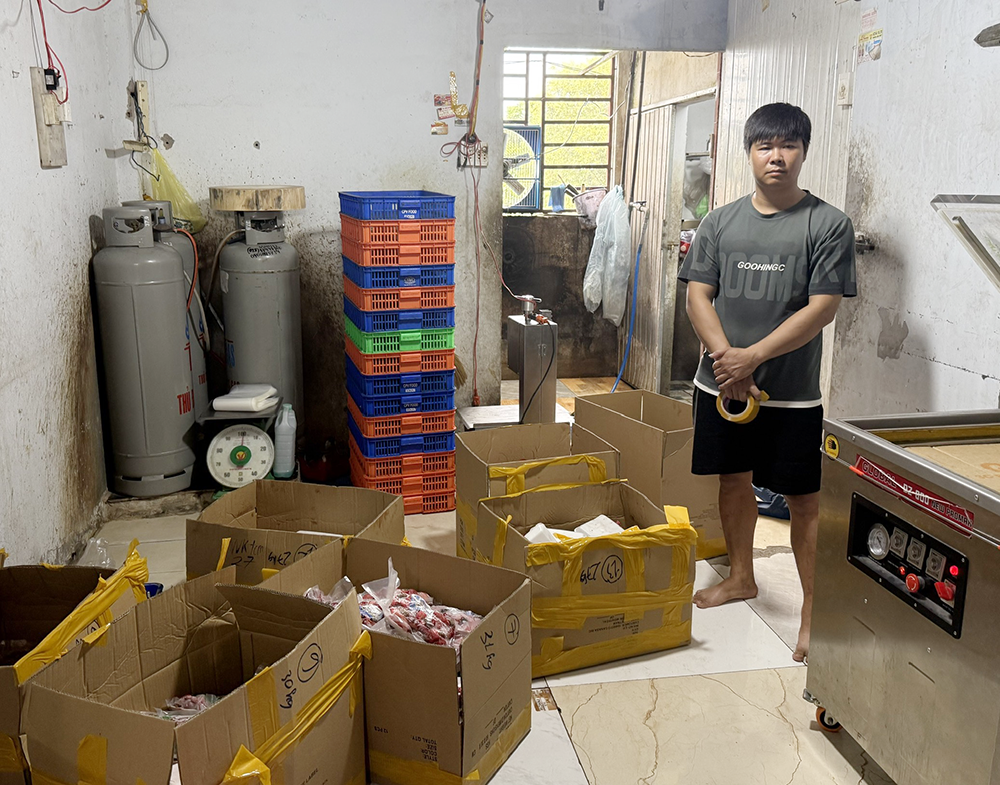
Suspect Nguyen Van Phong and fake meat seized during the raid – Photo: Police
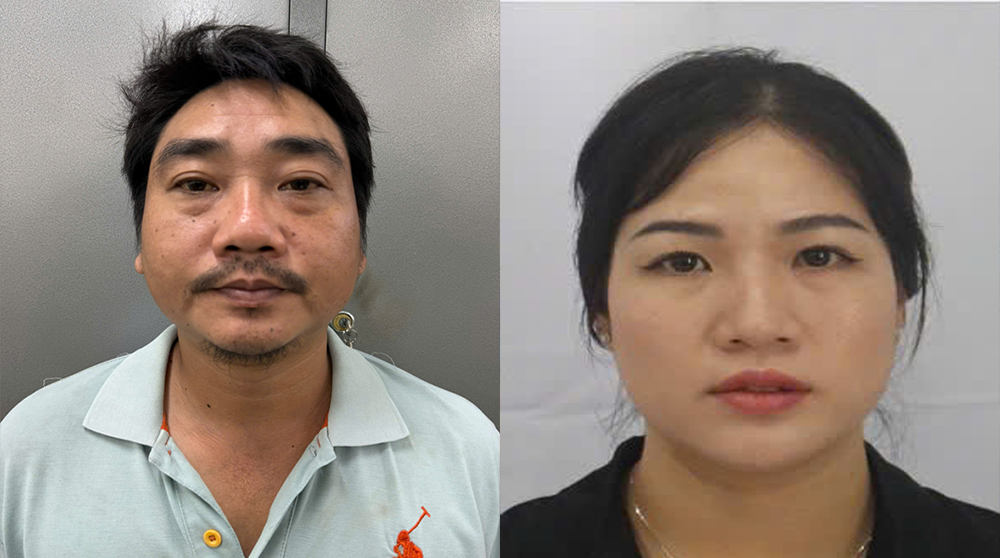
Key suspects Nguyen Phi Long and Tran Thi Van Phuoc, believed to be ringleaders – Photo: Police
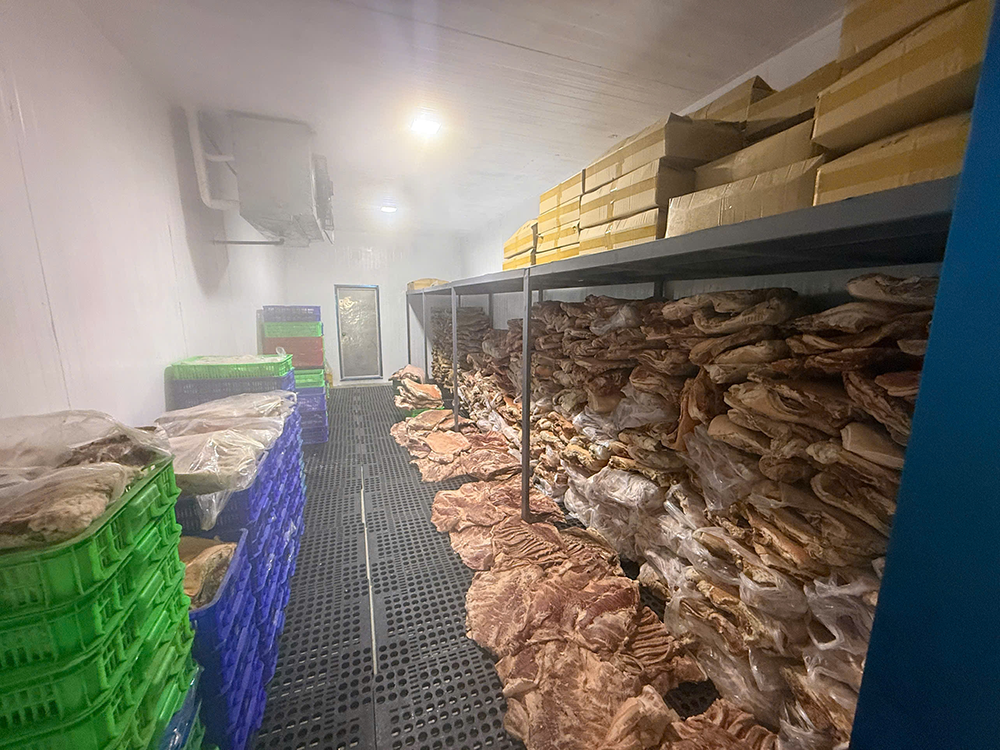
Inside one of the fake meat storage facilities – Photo: Police
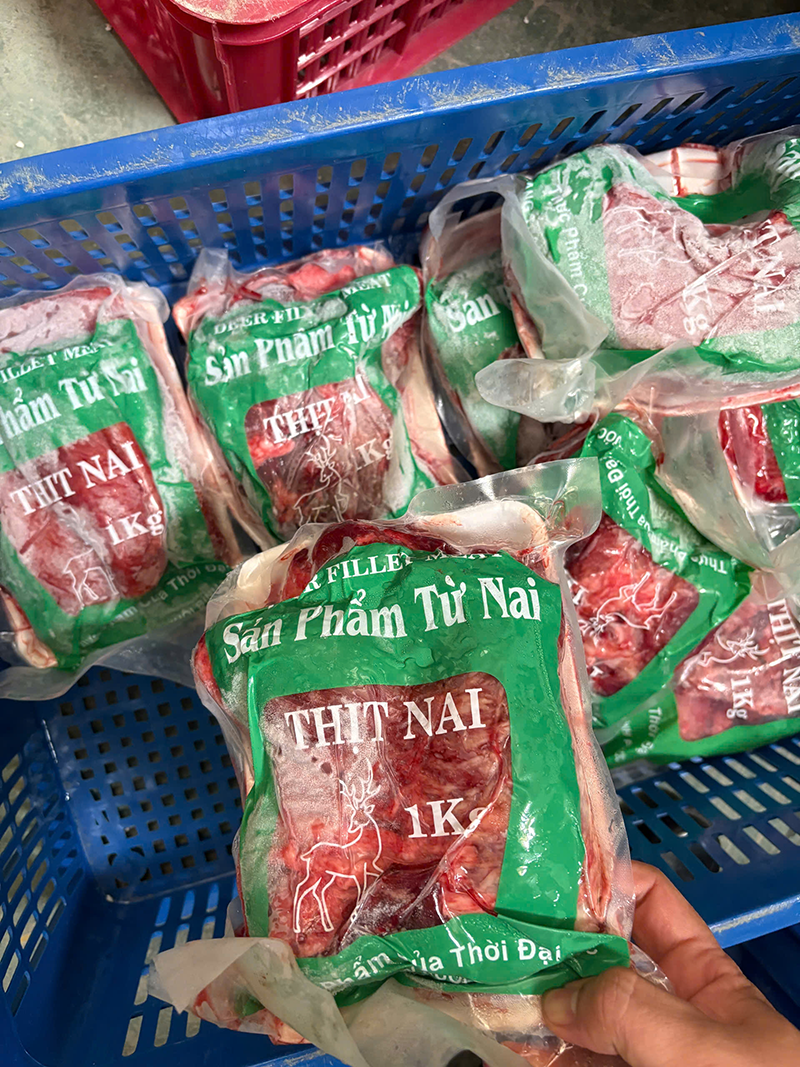
Counterfeit venison products prepared for market distribution – Photo: Police
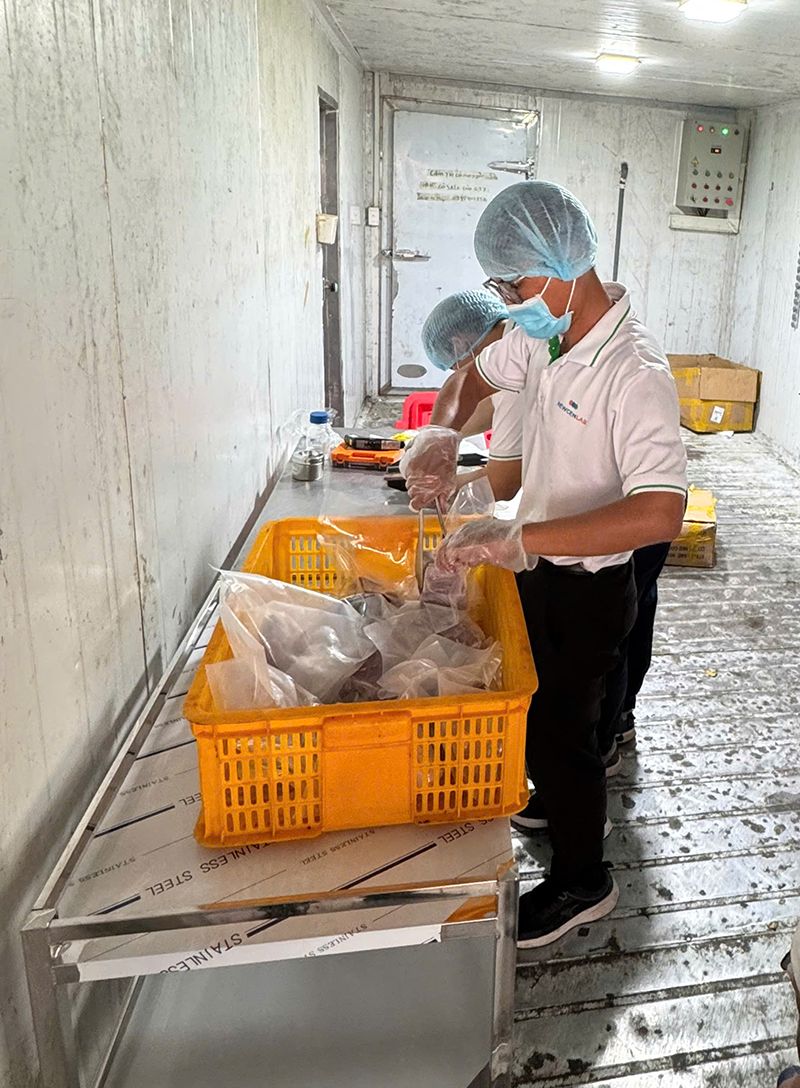
On January 16, the Economic Police Department of the Ho Chi Minh City Police Department confirmed the arrest of eight individuals involved in the operation. Investigations are ongoing to identify further accomplices and trace the full network of suppliers and distributors.
After months of surveillance and investigation, coordinated raids were carried out at multiple locations across the city. Among the key sites were: a facility in Ba Diem Commune run by Nguyen Van Phong; Khánh Ngọc SG Trading & Production Co., Ltd. in Binh Tri Dong Ward, directed by Tran Thi Van Phuoc; and Dai Loc Phat Food Co., Ltd. in Xuan Thoi Son Commune, led by Nguyen Phi Long.
Additional inspections targeted cold storage facilities and restaurants known to distribute the fake products across Ho Chi Minh City and surrounding provinces such as Lam Dong, Dong Nai, and Dak Lak.
According to initial findings, from late 2024 to present, the ring produced over 50 tons of counterfeit meat. Their method involved processing and marinating pork through various stages to mimic specialty meats. These included sliced porcupine, Australian goat thigh, venison, and ostrich - products typically sold at a premium during the festive season.
Authorities estimate the value of the counterfeit goods at around USD 400,000 - comparable to genuine products - and say the ring pocketed illicit profits amounting to several billion VND.
Investigators described the case as particularly dangerous - not only deceiving consumers and disrupting market integrity, but also posing a serious threat to public health.
The Economic Police Department continues to expand the probe, focusing on the sources of raw materials and distribution networks. All involved will be prosecuted in accordance with the law.
Ho Chi Minh City police issued a warning:
Consumers are urged to pay close attention to food quality and only purchase goods with clear origins from reputable vendors.
Businesses are encouraged to register trademarks, adopt digital traceability systems, and commit to rejecting counterfeit or substandard goods.
Dam De
.svg)
