 Vietnamnet.vn

 Podcast



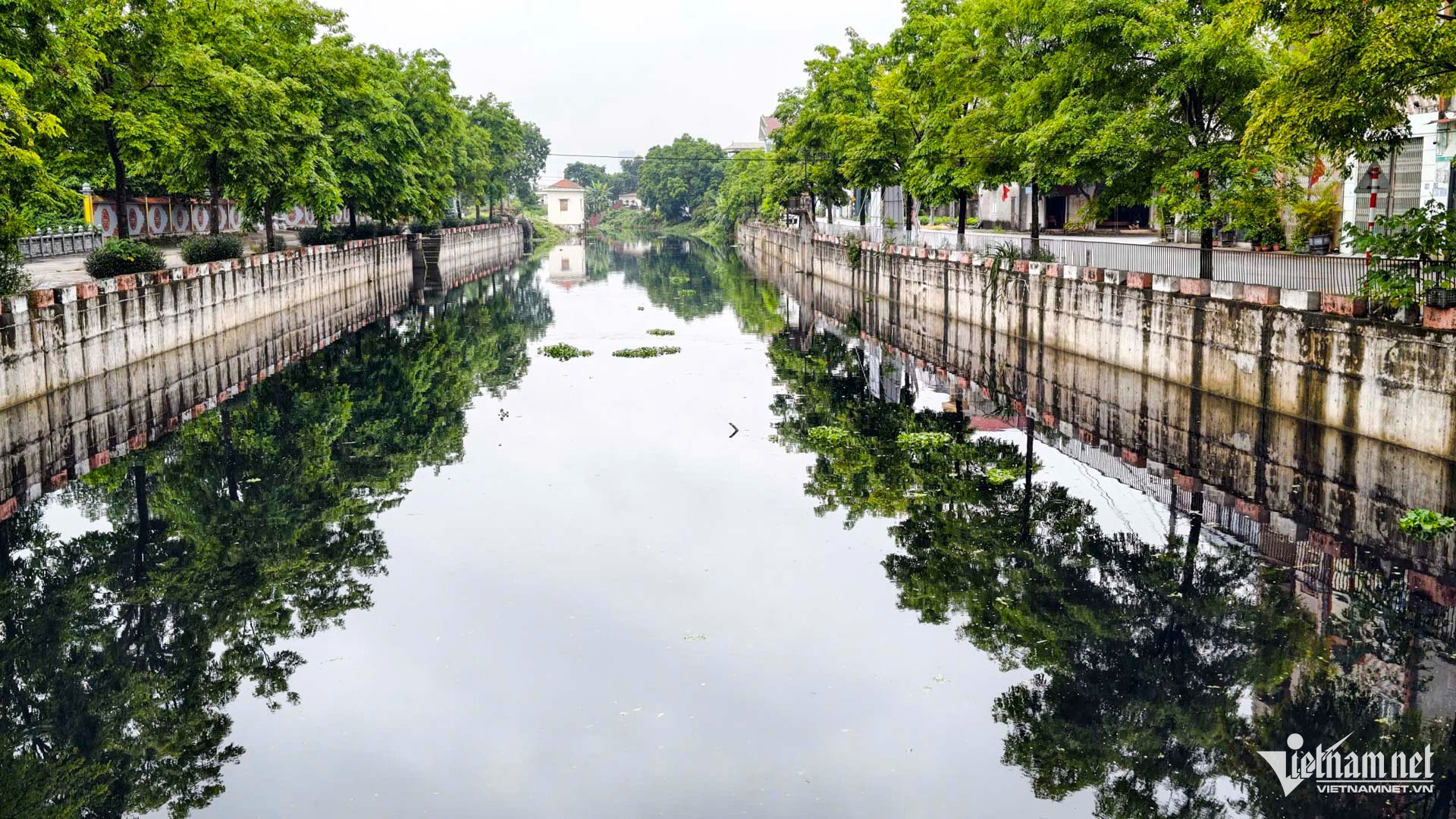
Authorities in Bac Ninh Province have ordered urgent measures to address severe pollution in Kim Doi Canal after residents reported blackened water, thick white foam and persistent foul odors affecting daily life across several communities.
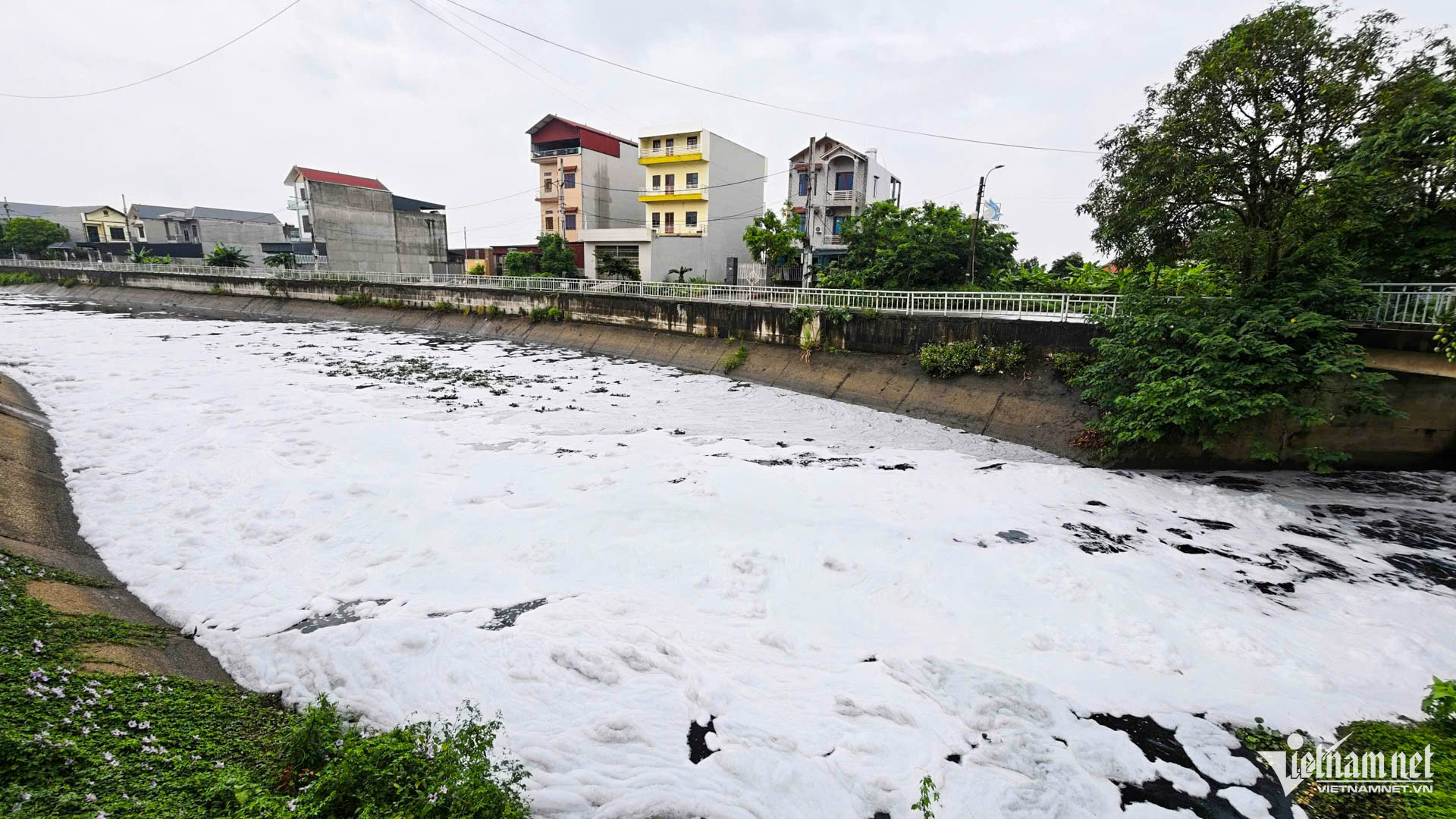
In recent weeks, water flowing through Kim Doi Canal in Vu Ninh Ward has turned dark black, with large patches of white foam accumulating on the surface and drifting into nearby residential areas. Residents say the pollution has become particularly noticeable during periods of hot weather, when strong odors spread throughout neighborhoods along the canal.
Field observations show several sections of the canal covered by black, stagnant water, oily residue and dense foam stretching for dozens of meters. During sunny days, the unpleasant smell becomes increasingly intense, while foam is carried by the wind into homes.
Residents raise health and environmental concerns
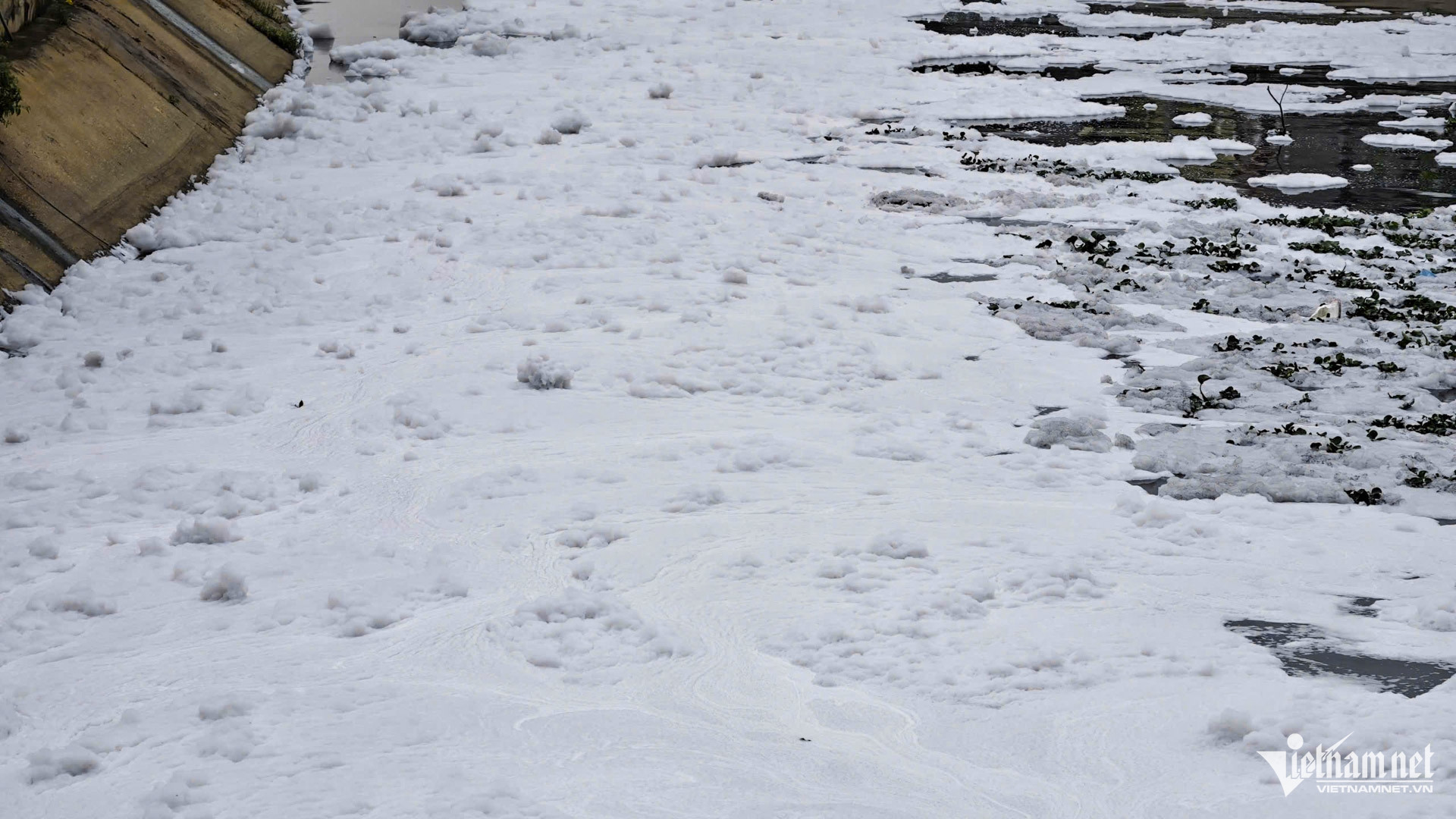
Local residents say the pollution is not a new problem but one that has persisted for years. However, many believe conditions have worsened significantly in recent months.
Nguyen Tien Xuan, head of Ngoc Doi Residential Group in Vu Ninh Ward, said the affected area spans multiple neighborhoods with thousands of residents. Along the canal section running through Ngoc Doi alone, around 150 households and nearly 1,000 people are directly impacted.
"On hot and windy days, the smell becomes overwhelming and white foam blows into people's homes. We hope authorities will quickly determine the source of the pollution and resolve the issue completely to prevent long-term impacts on the environment and public health," Xuan said.
According to him, Kim Doi Canal was once clean enough for bathing, household use and agricultural production. Over the past two decades, however, water quality has steadily deteriorated.
"When people pump water from the canal into their fields, rice crops can die and plants are affected. Direct contact with the water can also cause skin irritation and allergic reactions," he said.
Nguyen Van Tuan, a resident of Kim Chan Residential Group, recalled that local people previously relied on the canal for both household and agricultural purposes.
"The water used to be so clean that children could swim in it. Now, during hot weather, the smell is unbearable. People want authorities to identify the cause as soon as possible," he said.
Nguyen Thi Dien, another resident of Ngoc Doi Residential Group, expressed concern that the polluted section is located near schools and densely populated residential areas.
"We hope authorities can clearly identify where the pollution is coming from and deal with it. This canal eventually flows into the Cau River, where water treatment facilities draw raw water for public supply, so naturally people are worried," she said.
Local authorities begin investigation
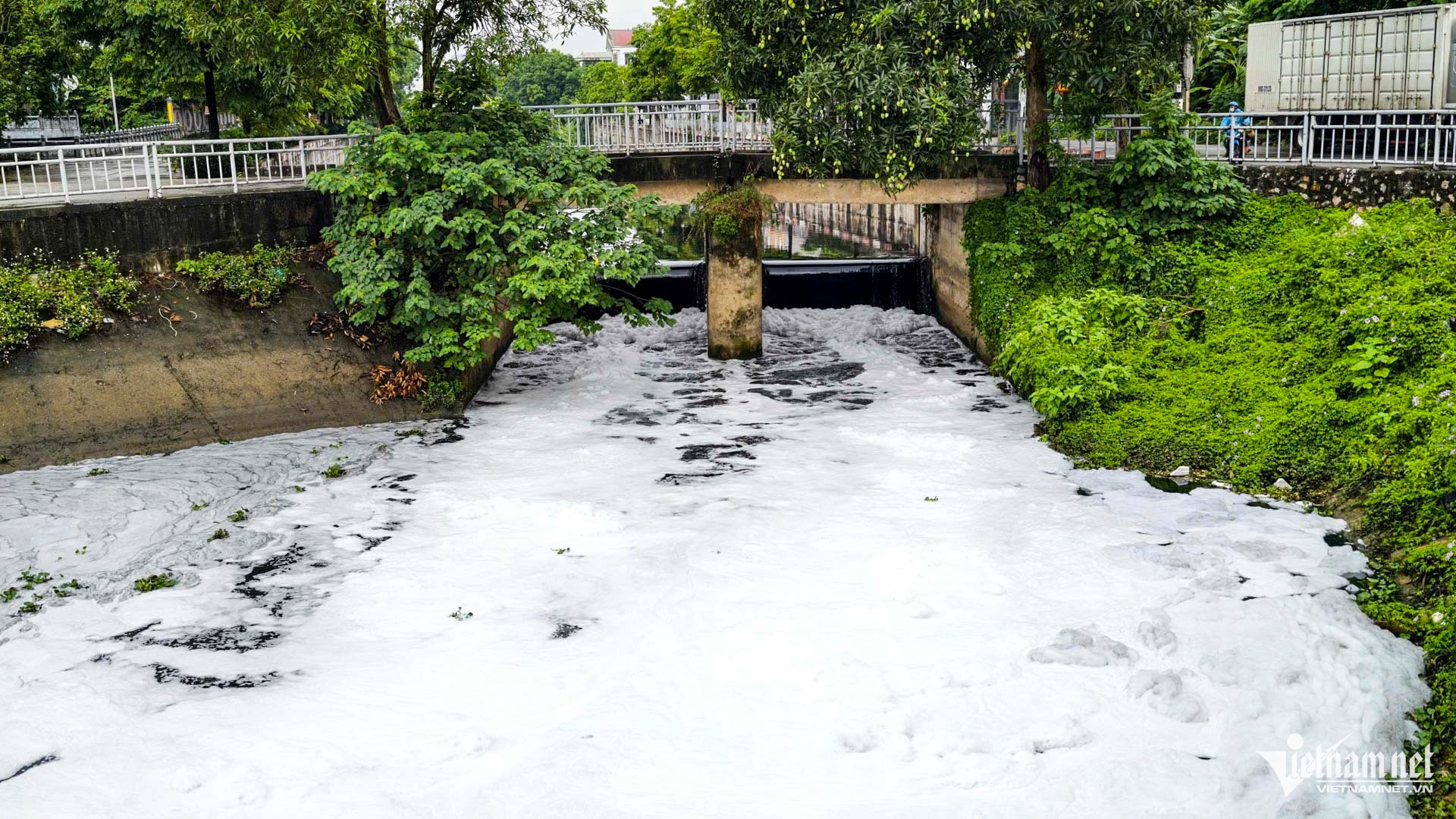
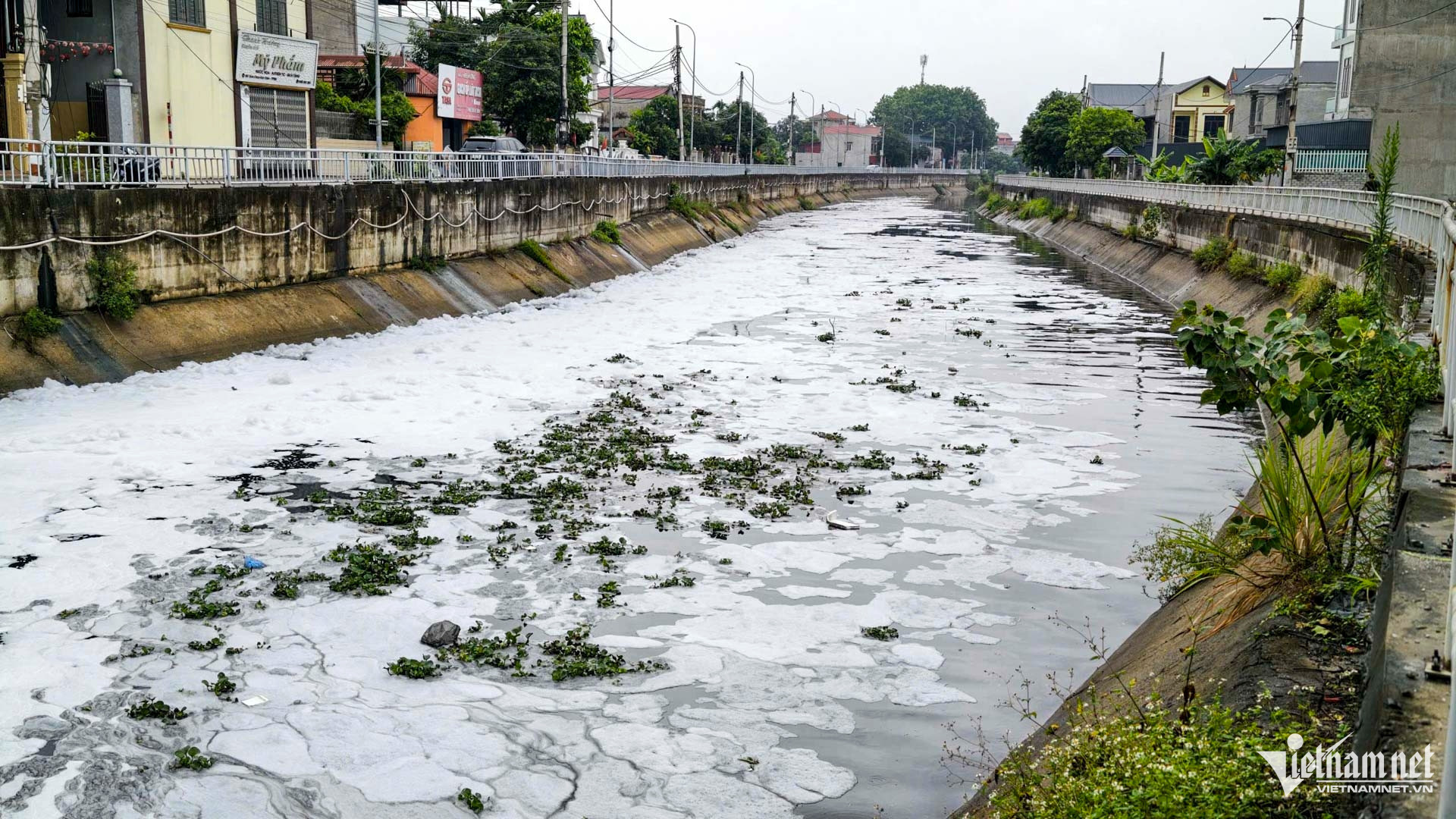
Chu Thanh Hai, Chairman of the People's Committee of Vu Ninh Ward, said local authorities had already reported the issue to higher-level agencies and requested coordinated inspections of wastewater discharge sources affecting the canal.
According to Hai, the return of black water and foam was first recorded at the beginning of 2026 and has become more severe since late March.
"The ward's position is clear - we must determine the cause and identify the source of the discharge. We have sent official requests to neighboring localities to coordinate inspections and take action if violations are detected," he said.
Local officials believe the pollution may originate upstream, where wastewater from residential areas, manufacturing facilities and industrial zones enters the canal system. However, determining the exact source will require technical investigations by provincial authorities.
Vu Ninh authorities have also requested that neighboring localities and Bac Duong Irrigation Works Exploitation One-Member Co., Ltd. inspect the entire canal system, identify discharge points, improve water flow and strengthen management of the waterway.
The ward noted that Kim Doi Canal sits at the downstream end of a broader drainage network and receives water from numerous canals and ditches. During the dry season, reduced water circulation can cause stagnation, unpleasant odors and foam accumulation.
Province orders comprehensive response
Following widespread public concern, the Bac Ninh Provincial People's Committee has issued directives requiring relevant agencies and local governments to take decisive action to eliminate pollution in Kim Doi Canal.
Authorities in Vu Ninh, Vo Cuong, Nam Son, Hap Linh, Phuong Lieu and Lien Bao have been instructed to regularly inspect residential areas and production facilities to prevent untreated wastewater from being discharged directly into the canal system.
Local administrations have also been ordered to address pollution hotspots within their jurisdictions, improve water circulation and strictly handle violations.
Provincial authorities further directed departments and agencies to accelerate construction of the Que Vo urban wastewater treatment plant and associated collection systems serving residential areas.
Kinh Bac City Development Corporation has been tasked with coordinating with industrial zone authorities to develop wastewater collection and treatment infrastructure for manufacturing facilities located near Que Vo Industrial Park.
Bac Duong Irrigation Works Exploitation Company has been instructed to work with local authorities to inspect wastewater sources, report violations and conduct dredging and canal maintenance to improve water flow.
Meanwhile, Bac Ninh Provincial Police have been ordered to strengthen field inspections and apply investigative measures to identify organizations or facilities discharging untreated wastewater into the environment. Where sufficient evidence exists, authorities may pursue criminal proceedings in accordance with the law.
Long-standing problem worsens
Residents say pollution in Kim Doi Canal has persisted for years, but conditions have become significantly worse over the past four months as the water turned darker and foam became increasingly widespread.
Kim Doi Canal, also known as Tao Khe Canal, plays an important role in supplying irrigation water to agricultural areas in Vu Ninh Ward while helping regulate water resources and reduce the impacts of drought and flooding.
The canal section running through Vu Ninh extends for approximately five kilometers, passing through the residential areas of Phuong Vy, Dao Chan, Ngoc Doi, Phu Xuan and Kim Doi before eventually flowing into the Cau River.
Bao Khanh
.svg)
