 Vietnamnet.vn

 Podcast



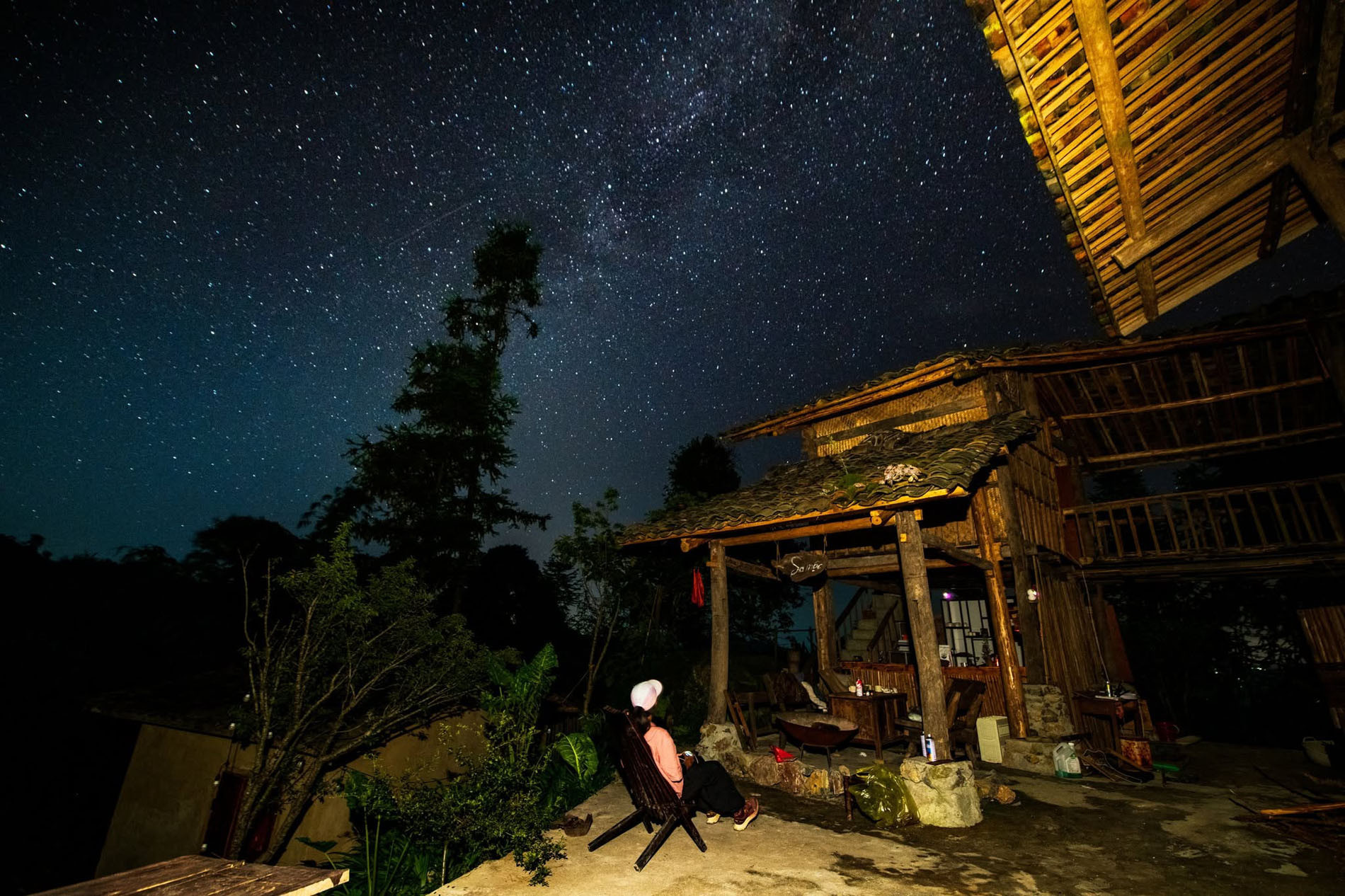
Leaving the city for the forest
Nguyen Sy Duc (born in 1995, native of Bac Ninh) has a passion for travel, having traveled across Vietnam and set foot in numerous provinces and cities.
Among them, he spent most of his time exploring mountainous areas to learn about and experience the cultural life of ethnic minorities in the high regions.
Initially, the trips were simply to "escape the city." But the more he traveled, the more he felt suited to the slow pace of life in pristine, nature-immersed lands.
And from short trips through Cao Bang, Sa Pa, or Y Ty (Lao Cai), Duc gradually developed the idea of leaving the city.
"In 2019, after many journeys, I chose Tuyen Quang (formerly Ha Giang) as a place to attach myself to.
For me, leaving the city was not a grand decision, just a shift so I could pursue what I had long desired," Duc recalled.
The Bac Ninh native admitted that the initial period after leaving the city was quite difficult.
To earn an income to cover living expenses and connect with the surrounding community, he took on various jobs, from freelance photography to managing homestays and guiding visitors.
Moreover, living conditions in the mountains were still poor. The young man had to learn everything himself and adapt to the inconveniences of highland life.
“Although it was hard, each day brought new experiences that helped me grow. But what I was ultimately looking for was a peaceful space for myself,” he said.
Driven by that desire, in early 2025, Duc began traveling around villages in Lung Cu Commune in search of a house that could be turned into a homestay.
The 31-year-old said the idea did not stem from business ambitions, but simply from a basic need: to live in a home of his own and welcome people who shared his interests.
“During the roughly six years I had lived away from the city and settled in Tuyen Quang, there were times when I wanted to return to the lowlands. But when I found an old property in San Tro Village, Lung Cu Commune, I changed my mind and decided to settle here and turn it into a homestay,” he said.
Turning a run-down house into a comfortable homestay
Duc said the homestay was renovated from a traditional rammed-earth house in a small Hmong village, about 5km from the Lung Cu Flag Tower. The house and surrounding grounds cover about 600 sqm.
Although the house was quite dilapidated at the time, with several areas deteriorating over the years, he still decided to buy it.
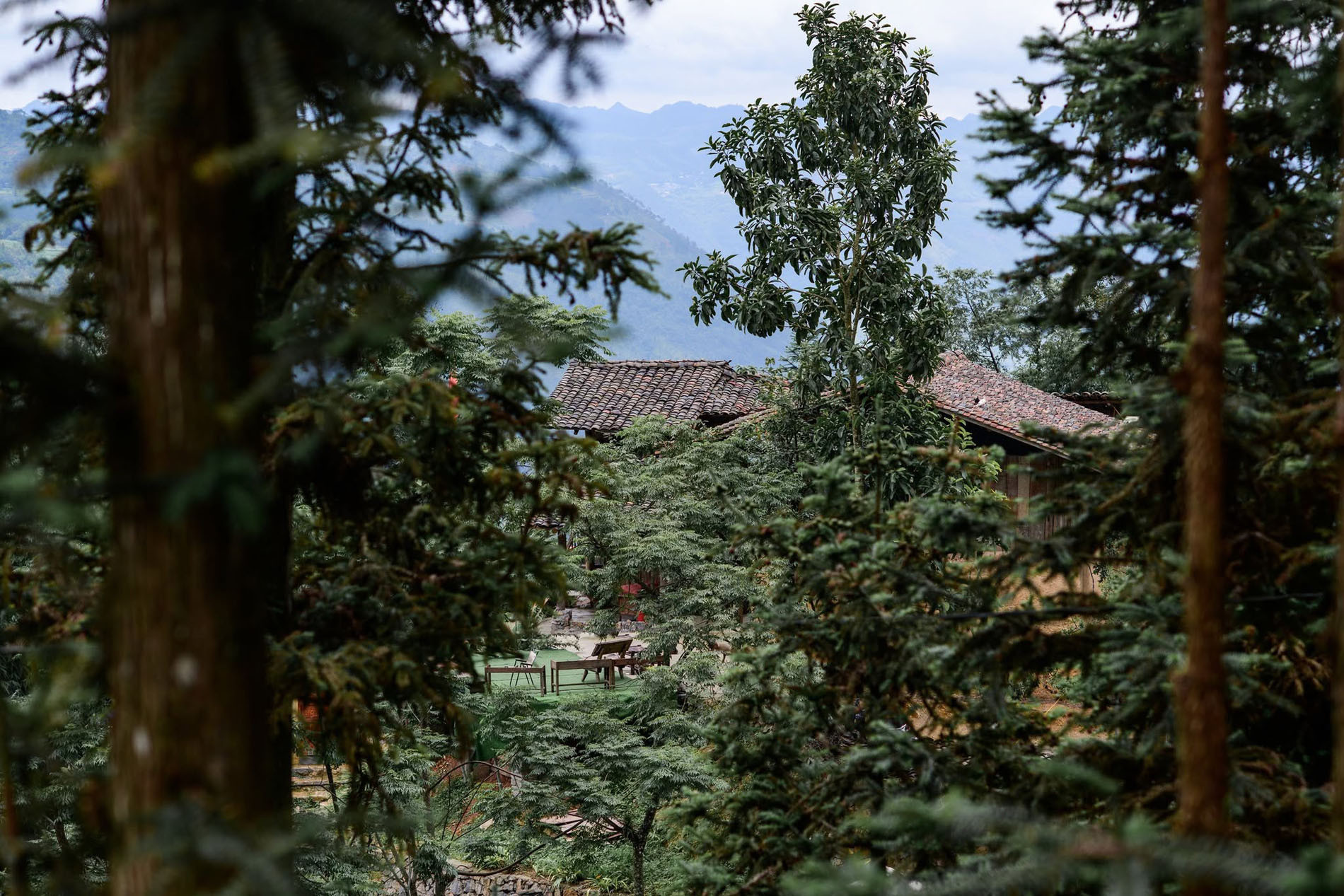
The house is located near a forest of Chinese fir trees, a woody conifer species known for its resilience and regarded as a symbol of overcoming hardship and striving forward in Vietnam's northernmost region. The location is also quiet and peaceful.
Moreover, the house is far from residential areas and surrounded by open scenery, making it an ideal spot for watching sunrises and sunsets, stargazing and photographing the Milky Way.
“To make it suitable for guests, I had to renovate many parts of the house. Although it cost a lot of money, effort and time, the property made up for that with a location that suited me and matched what I had been looking for,” he said.
The Bac Ninh man also said the renovation was based on practical needs while respecting the local architecture and materials.
He hired local workers and renovated the property as they went, without following any pre-existing blueprint or design, from building the stone fence to installing roof tiles and landscaping the grounds.
He also preserved the pear and peach trees around the house, creating a cool, green and welcoming space while highlighting the distinctive cultural character of highland life.
Duc said room rates range from VND800,000 to VND1.5 million per night, depending on the time of year.
In addition to accommodation, the homestay also serves meals. Guests can enjoy local specialties such as smoked pork, Hmong cornmeal, local vegetables and black chicken hotpot.
“Besides running the homestay, I also want to help local people promote their traditional products, giving them an additional source of income to improve their lives while creating opportunities for visitors to learn about the culture and people of the highlands.
“In the village where I live, every household raises a horse. Many families still grow wild ginger, while preserving and maintaining interesting aspects of local culture and beliefs,” he said.
Thao Trinh
.svg)
