 Vietnamnet.vn

 Podcast



Among business leaders currently serving as chairmen or chief executives of banks, three were born in the Year of the Horse: the chairman of Asia Commercial Bank, the chief executive of TPBank, and the chairman of BaoViet Bank.
Chairman of ACB Tran Hung Huy

Chairman of ACB Tran Hung Huy. Photo: ACB.
Perhaps the most prominent Horse-born businessman in both the broader corporate community and the banking sector is Tran Hung Huy, chairman of Asia Commercial Bank.
Tran Hung Huy was born in 1978, the Year of the Horse. Known not only for his academic credentials and trillion-dong fortune but also for his polished appearance and versatility, the Tien Giang native stands out among Vietnam’s business elite.
Raised in a family with a strong foundation, he received formal training that few can match. In 2000, he earned a bachelor’s degree in business administration, finance and international business from Chapman University.
Two years later, he completed a Master of Business Administration at the same institution. Before becoming widely known in business circles and across social media, he had already obtained a doctorate in business administration from Golden Gate University.
Officially taking over as chairman of ACB in 2012, Tran Hung Huy guided the bank out of the shadow of bad debts left behind by a group of companies linked to Bau Kien. Under his stewardship, ACB gradually emerged as one of the most efficiently run banks in Vietnam, with some of the healthiest financial indicators in the system.
Prior to assuming the chairmanship, he had served as a member of ACB’s board of directors since 2006 and concurrently held the position of deputy chief executive between 2006 and 2012.
He first joined ACB in 2002 as a market research specialist, later serving as marketing director from 2004 to 2008.
At ACB, Tran Hung Huy is also a major shareholder, holding more than 176 million shares, equivalent to 3.42 percent of the bank’s charter capital.
At current market prices, his directly held ACB shares are valued at VND4,200 billion (approximately US$172 million), placing him 50th among the wealthiest individuals on Vietnam’s stock market.
CEO of TPBank Nguyen Hung
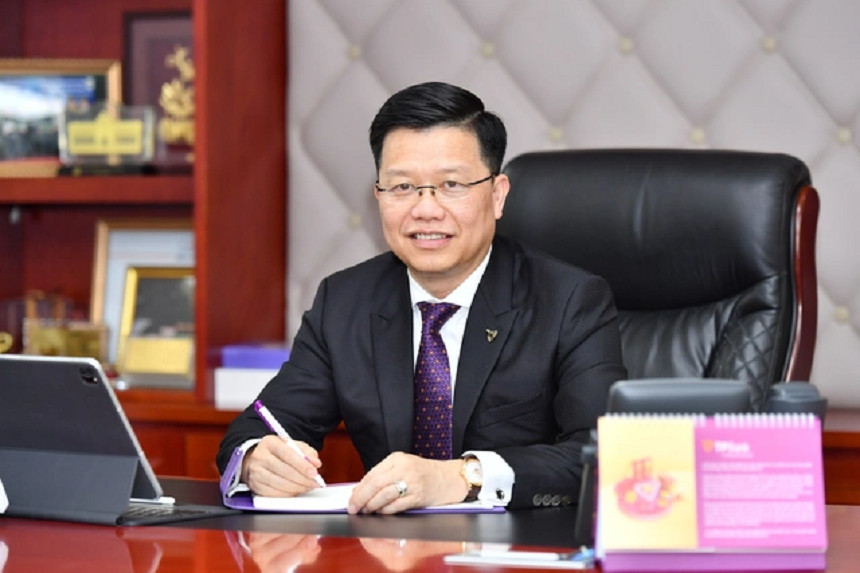
CEO of TPBank Nguyen Hung. Photo: Nguyen Hung.
The second Horse-born executive is Nguyen Hung, chief executive officer of Tien Phong Bank.
Born in 1966, he turned 60 this year. He holds an executive MBA from Northcentral University in the US.
Before being appointed CEO of TPBank in 2012, Nguyen Hung held key positions at major banks, including branch director of Techcombank Dong Do, chief of office at Techcombank’s head office, deputy chief executive and later chief executive of VPBank.
After more than a decade at the helm, he has played a central role in transforming TPBank from a relatively young institution into one of the most dynamic banks in the market, distinguished by its strong digital presence and youthful customer base.
Assuming the CEO role at a time when TPBank was under mandatory restructuring, Nguyen Hung steadily steered the bank into the group of leading institutions through a strategy focused on digital channel development.
He once described this strategic choice as a case of “necessity being the mother of invention.”
Today, more than 98 percent of TPBank’s customer transactions are conducted via digital channels, with over 14 million users, placing it among the banks with the largest customer bases in the system.
Chairman of BaoViet Bank Luu Quyet Thang
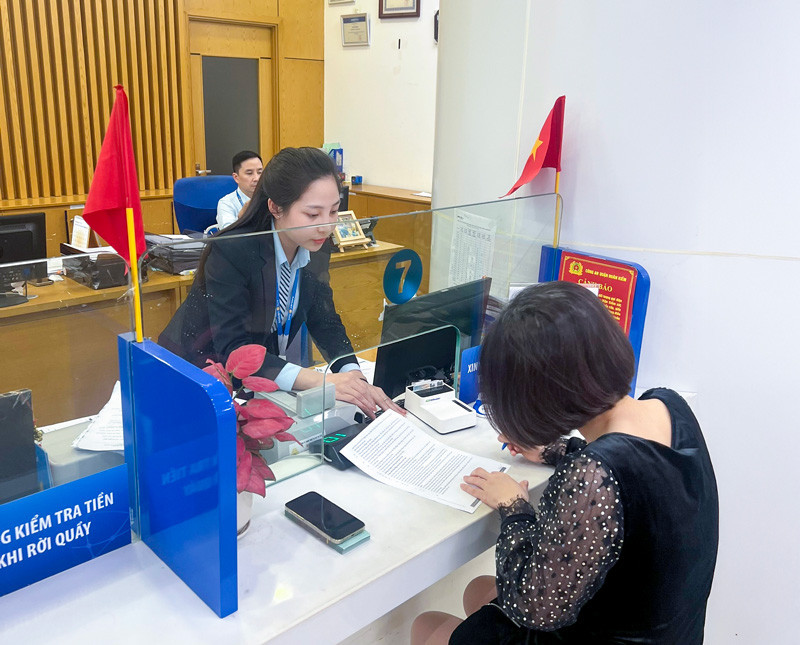
BaoViet Bank, during the second term of chairman Luu Quyet Thang, has made steady progress. Photo: BaoViet Bank.
Alongside the two leaders above, another Horse-born figure in the banking leadership circle is Luu Quyet Thang, chairman of BaoViet Bank.
As BaoViet Bank has yet to list its shares on the Ho Chi Minh City or Hanoi stock exchanges, information about Thang appears less frequently in the media.
Nevertheless, the chairman, born in 1966, has been elected for two consecutive terms since 2020, covering 2020 - 2025 and 2025 - 2030.
By the end of fiscal year 2025, BaoViet Bank recorded a 22.22 percent increase in total assets compared with 2024. This notable growth, given the bank’s scale, reflects efforts to expand operations and strengthen market presence under his leadership.
At the same time, the bank proactively narrowed its financial investment portfolio, with the size of bond holdings declining sharply from the previous year. This adjustment forms part of a more cautious asset restructuring strategy, reducing the proportion of indirect investments to focus resources on core lending activities.
In 2025, BaoViet Bank reported customer deposits rising 27.83 percent year-on-year, ensuring ample liquidity to meet business needs while creating room to maintain capital safety ratios.
Tuan Nguyen
.svg)
