 Vietnamnet.vn

 Podcast



Once admired for their business acumen and inspiring presence on Shark Tank Vietnam, several of the show’s prominent investors have since fallen from grace. Multi-million-dollar scandals have exposed the dark side behind the glitz and motivational speeches of Vietnam’s startup elite.
Shark Thuy held responsible for over USD 308 million
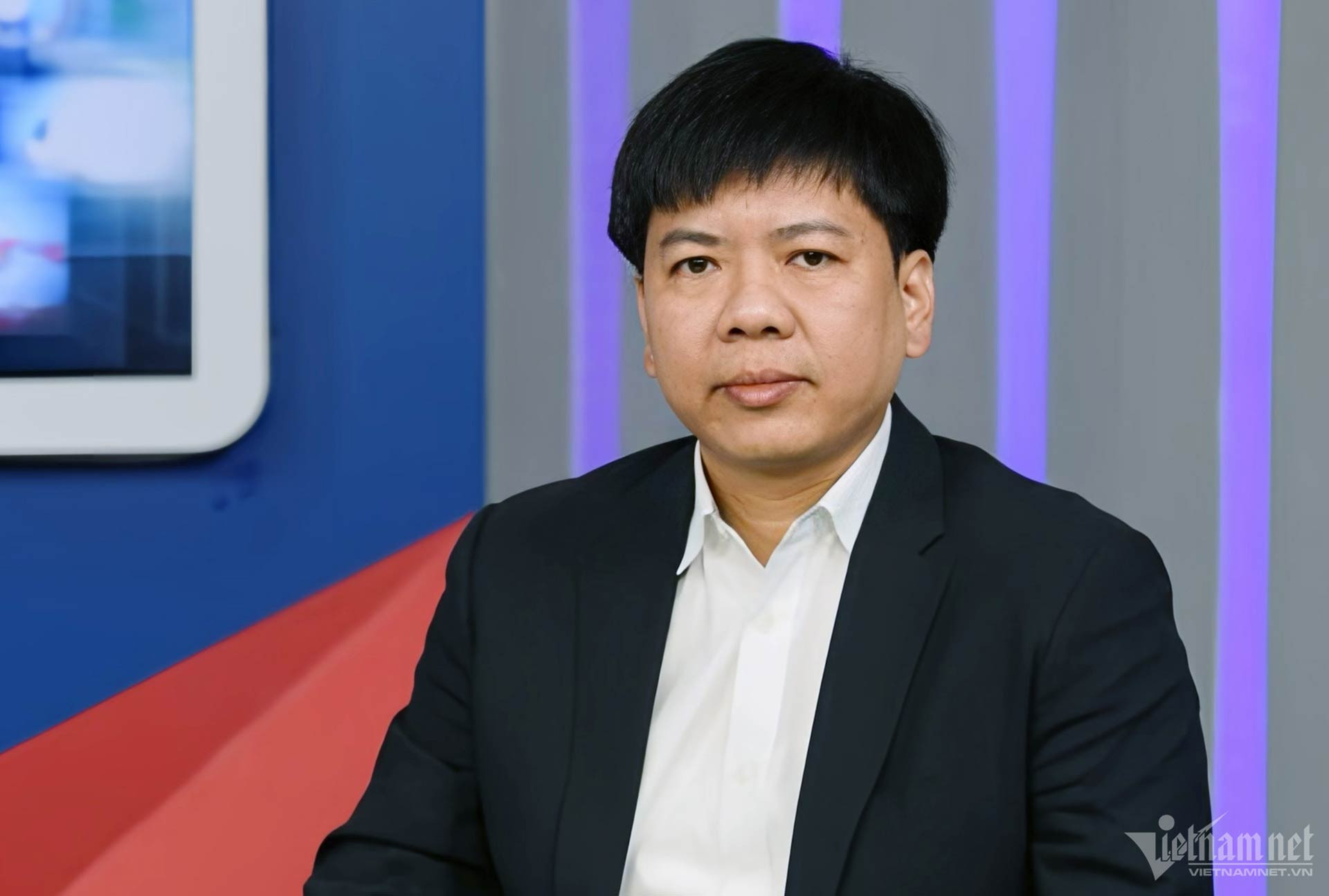
Nguyen Ngoc Thuy (Shark Thuy), Chairman and CEO of Egroup and Egame, has been indicted by the Supreme People’s Procuracy on charges of bribery, fraud, and offering bribes.
According to the indictment, Thuy is primarily responsible for defrauding 10,063 victims, involving total debts exceeding 7.677 trillion VND (approximately USD 308 million), of which only about USD 80,000 has been recovered.
Between 2015 and 2023, although Egroup’s registered capital was just 32 billion VND (about USD 1.3 million), Thuy allegedly directed the sale of over 209 million shares to investors through 26,354 contracts, raising more than 7.765 trillion VND (USD 312 million).
Only 3.2 million shares were legally transferable, sold to 60 investors with a remaining principal of about USD 3.5 million. The rest-over 206 million shares-were sold beyond the company’s charter capital to 10,063 investors, creating a massive financial liability.
Nguyen Ngoc Thuy gained nationwide fame through his role as a judge on the first three seasons of Shark Tank Vietnam.
Shark Binh indicted over cryptocurrency scheme
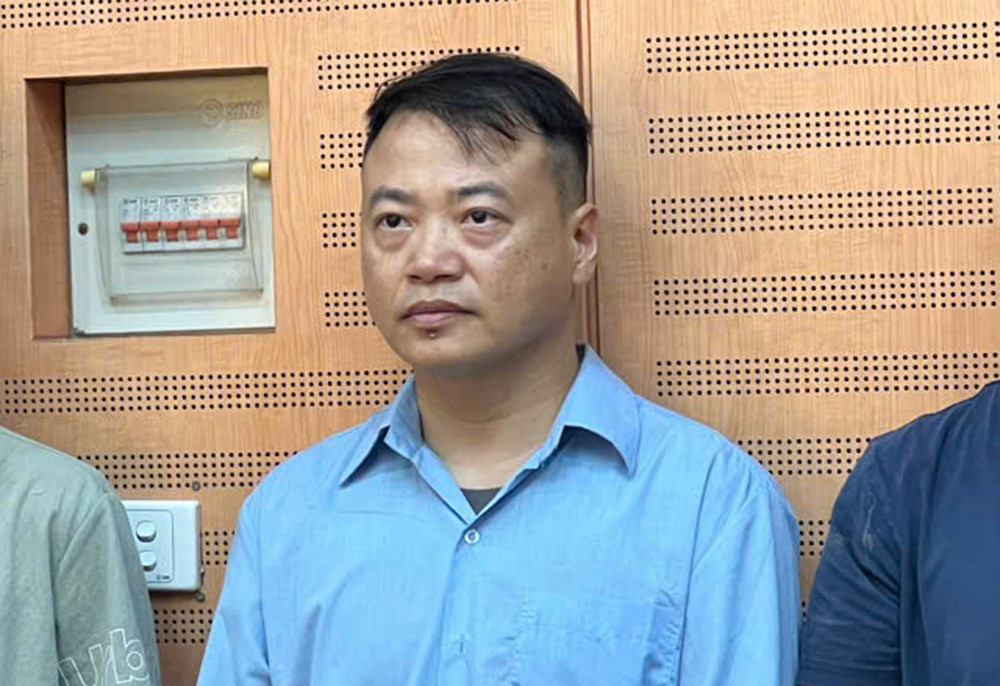
On October 10, 2025, Hanoi Police launched criminal proceedings and detained Nguyen Hoa Binh (Shark Binh) and several associates in connection with the AntEx cryptocurrency project.
Investigators allege that despite aggressive promotions, the project lacked transparency, legality, and operational substance.
Authorities claim that Binh and shareholders of NextTech, the company he co-founded, used the AntEx brand to solicit investment, then funneled investor funds through virtual exchanges and various VND accounts, causing major financial losses for thousands.
NextTech has since shut down, with an estimated 30,000 investors reportedly losing their money. Binh has also been charged with tax evasion.
Known for his confident persona and sharp business instincts, Shark Binh joined Shark Tank Vietnam in 2019 for its third season and quickly became one of the show’s most active investors.
Shark Tam faces smuggling and tax evasion charges
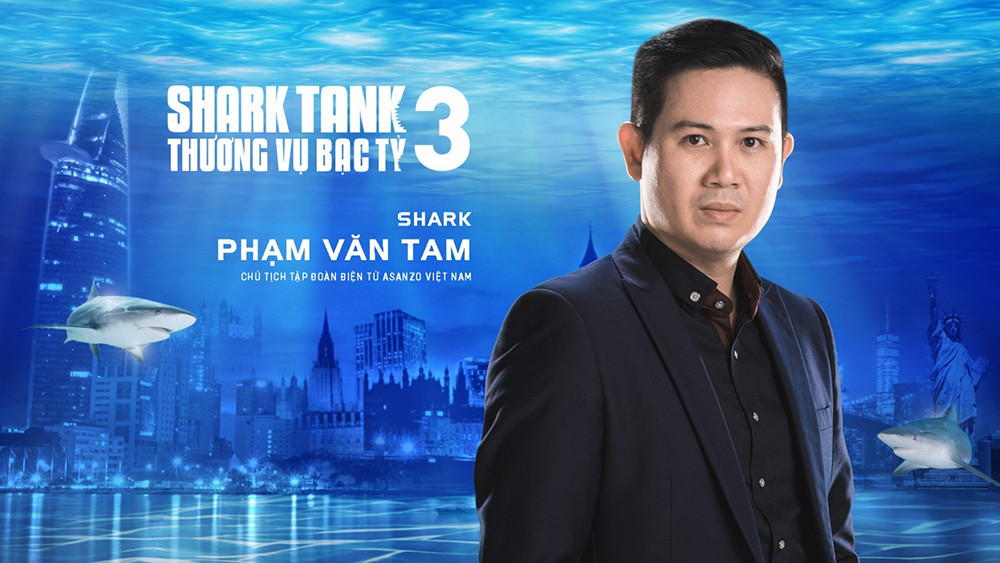
In Ho Chi Minh City, prosecutors have filed formal charges against Pham Van Tam, 45, former Chairman of Asanzo Group, for smuggling and tax evasion.
Asanzo, founded in 2016, became a sensation in Vietnam’s electronics market with ultra-low-cost televisions-30–40% cheaper than competitors-dominating rural areas, which accounted for 70% of sales.
In 2017 alone, Asanzo sold roughly 710,000 TVs, earning revenues of more than 4.6 trillion VND (USD 184 million), including USD 168 million from TV sales, positioning the company behind only Samsung, LG, and Sony in market share.
However, Tam and Asanzo were soon accused of misrepresenting their products as “Japanese technology.” Investigations later revealed that Asanzo imported components mainly from China and assembled them locally, misleading consumers about their origin.
Once announced as a Shark Tank Vietnam investor for the 2019 season, Tam was later removed and did not appear in the recorded or aired episodes.
Shark Khai and the “Made in Vietnam” scandal
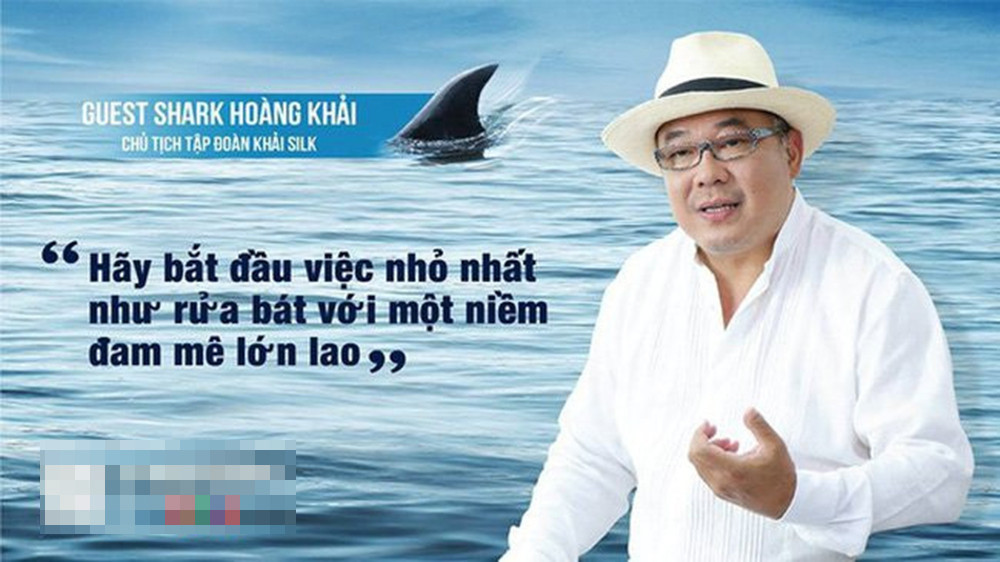
Hoang Khai (Shark Khai), Chairman of Khai Silk Group and a guest investor on Shark Tank Vietnam’s first season, once impressed audiences with his eloquence about business ethics and integrity.
His quotes-“I do business with honesty” and “Never sacrifice long-term goals for short-term gains”-became emblematic of the principled entrepreneur he projected.
That image crumbled when he was caught in the Khaisilk scandal, involving fake “Made in Vietnam” silk products that were, in fact, imported from China.
The revelation sent shockwaves through the business community, as Khaisilk had long been promoted as a symbol of Vietnamese luxury craftsmanship.
On October 25, 2017, Hoang Khai publicly admitted to selling Chinese-made silk under Vietnamese labels and issued an apology to consumers.
A Ministry of Industry and Trade investigation later confirmed multiple legal violations, including selling counterfeit goods, mislabeling products, tax and invoice irregularities, and providing false information to customers. The case was referred to criminal investigators for further action.
Duy Anh
.svg)
