 Vietnamnet.vn

 Podcast


Revived in 2017, the Cha Mun Festival in Yen Thang Commune, Thanh Hoa Province, has become an important expression of the Black Thai community's spiritual traditions and cultural identity.
Recognized as a national intangible cultural heritage in October 2025, the festival is now being preserved and promoted alongside efforts to develop community-based tourism.
Cha Mun Festival in Black Thai spiritual life
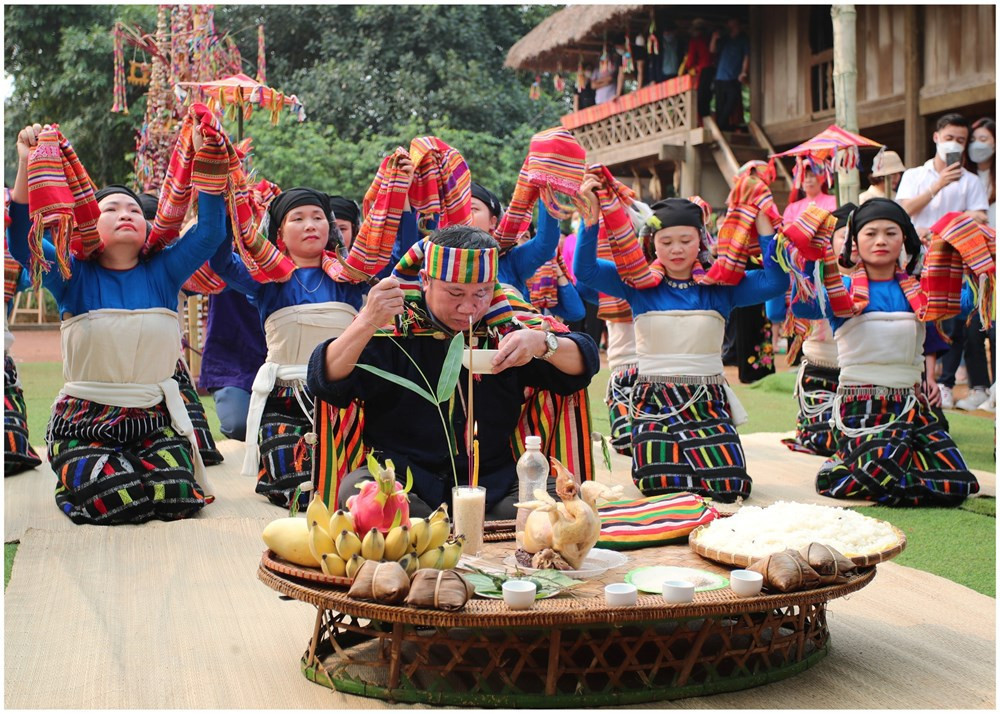
Traditional drum performances, the resonant sounds of gongs, folk dances and ceremonial reenactments offer residents and visitors an opportunity to discover the distinctive cultural heritage of the Black Thai people.
For the Black Thai community in Yen Thang, Cha Mun is closely associated with folk beliefs and traditional healing knowledge passed down through generations.
The festival consists of four main stages: preparation, welcoming the spirits, performing sacred rituals and bidding farewell to the spirits as they return to Muong Troi, the heavenly realm in Black Thai cosmology.
Traditional healers and community members knowledgeable about ancestral customs play essential roles in conducting the ceremonies.
From ritual prayers and gong rhythms to traditional songs and dances, each element reflects the community's spiritual worldview and the rich body of folk knowledge preserved over generations.
Lo Viet Lam, a resident of Ngam Poc Village in Yen Thang Commune, is regarded by local people as one of the guardians of the festival's spiritual traditions.
"The Cha Mun Festival is a sacred part of the Black Thai people's cultural and spiritual heritage. We are extremely proud that it has been recognized as a national intangible cultural heritage," Lam said.
"Together with other village elders, I will continue encouraging local people to preserve and promote the festival so that its cultural beauty can reach a wider audience."
Connecting cultural heritage with community-based tourism
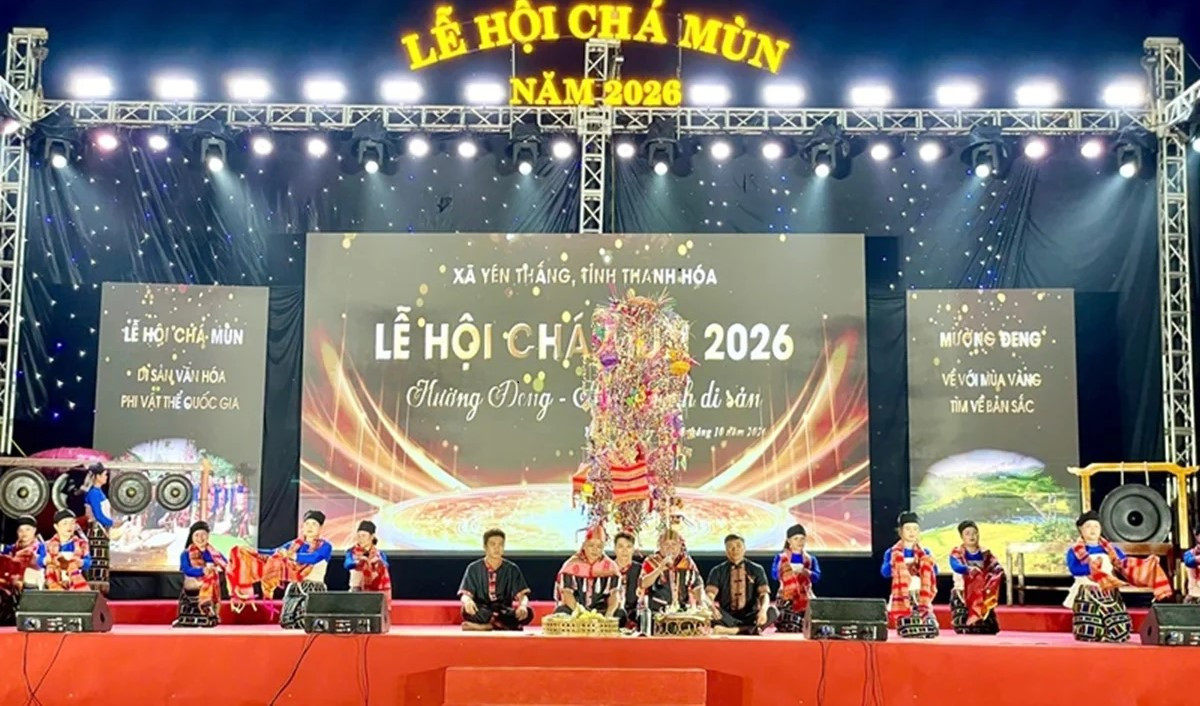
Beyond its spiritual ceremonies, the festival features a lively program of traditional games and cultural activities.
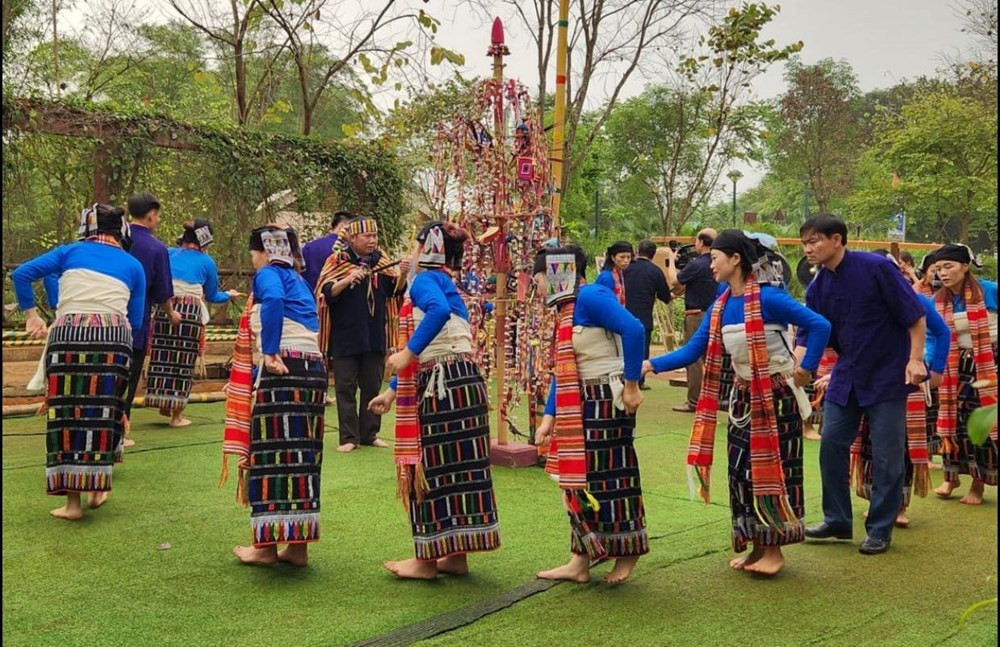
Visitors can participate in con throwing, a traditional game involving tossing a decorated cloth ball through a raised ring, as well as crossbow shooting, stilt walking, and folk singing and dancing around a ceremonial flower tree.
These activities create opportunities for cultural exchange and allow visitors to experience Black Thai traditions firsthand.
Duong Duy, a visitor from Hac Thanh Ward in Thanh Hoa Province, said he was eager to discover the festival for the first time.
"I had never attended the Cha Mun Festival before, so I was very curious. When I learned that this year's event would feature a variety of cultural and sporting activities, I decided to arrive early to explore the local scenery and cuisine," he said.
Growing visitor interest is creating new opportunities to introduce Black Thai cultural traditions to a wider audience.
It also provides a foundation for connecting the festival with experiences involving local landscapes, traditional food and everyday community life.
Vu The Vinh, chairman of the Yen Thang Commune People's Committee, said the locality aims to integrate the preservation and promotion of the Cha Mun Festival with ecotourism and community-based tourism development.
The approach is intended to showcase the distinctive cultural identity of the Black Thai people, attract visitors and create opportunities for residents to introduce local products, expand tourism services and increase their incomes.
The ceremonial erection of the Booc May, or flower tree, remains one of the festival's important traditional practices, symbolizing the community's connection with its spiritual heritage.
From its revival in 2017 to its recognition as a national intangible cultural heritage in 2025, the Cha Mun Festival has gained renewed momentum as a living tradition.
Continued ritual practice, the involvement of traditional healers and respected community elders, and efforts to connect heritage preservation with sustainable livelihoods are expected to help ensure that the festival remains an integral part of Black Thai cultural life.
Quynh Tram

