 Vietnamnet.vn

 Podcast



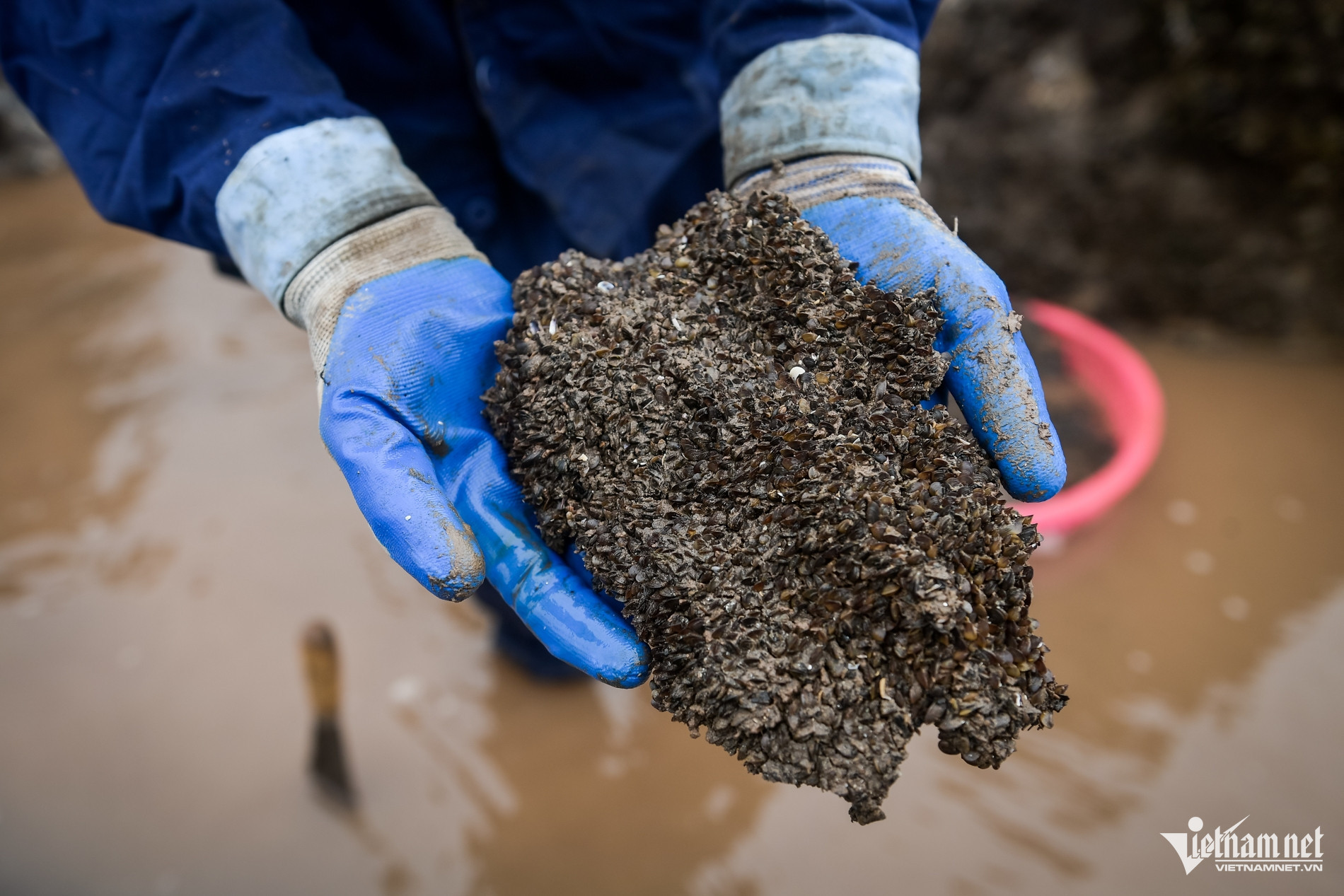
Each winter afternoon, as the tide recedes along the shoreline of Giao Ninh commune in Ninh Binh, clusters of villagers wade into the frigid sea. Armed with basic tools, they comb through concrete wave barriers for baby clams - a modest “gift from nature” that can yield hundreds of thousands of dong in just a few hours.
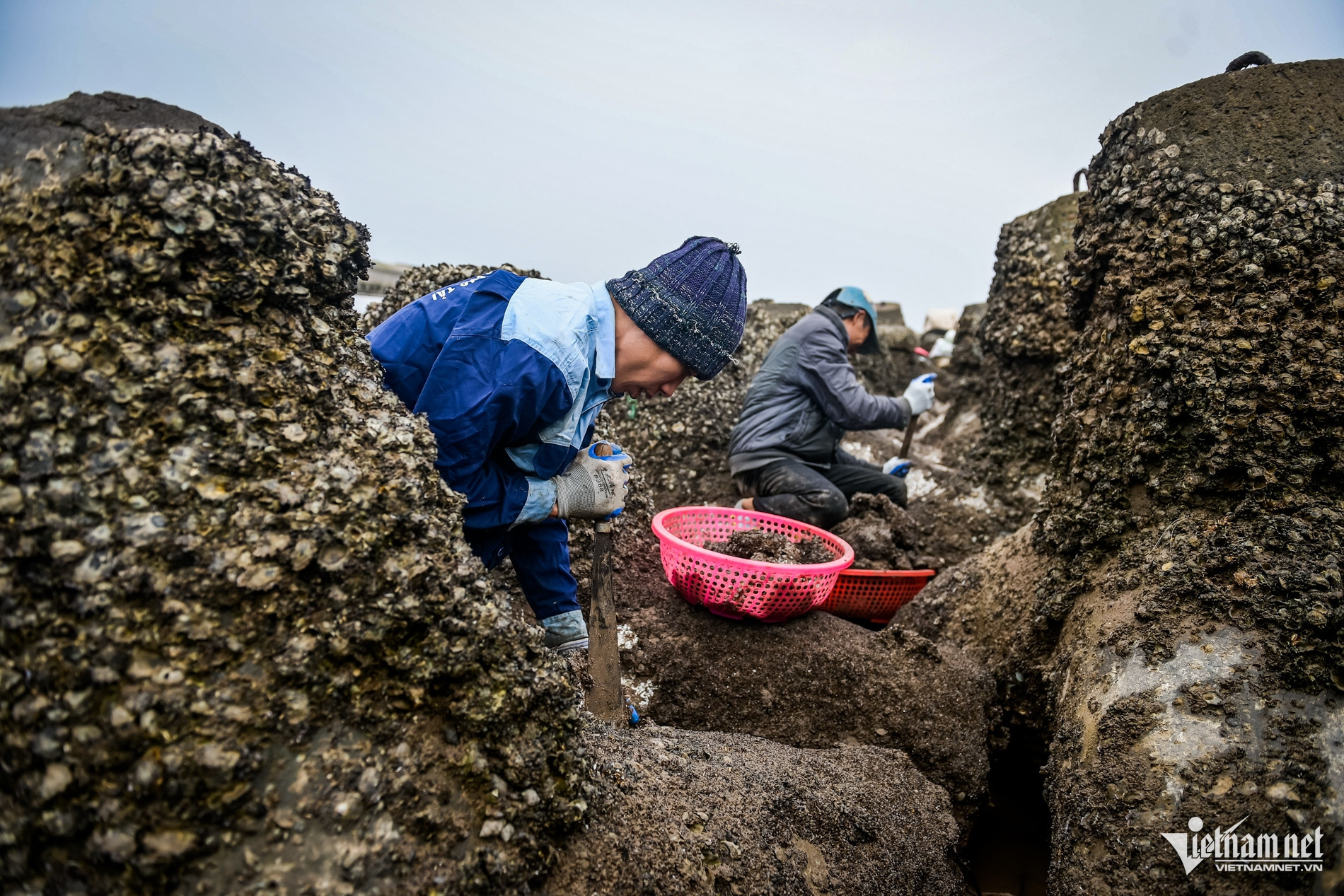
The final months of the lunar year bring biting winds and water cold enough to sting the skin. But that hasn’t slowed the footsteps of those who rely on the sea for their living. Around 2 p.m. daily, as the tide begins to retreat, the beach comes alive with people in raincoats and scarves, hunched over in the wind, prying clams from the concrete structures jutting into the coastal flats.
Many choose to go barefoot, despite the cold, as rubber boots sink into the wet sand and make movement difficult. The chill is intense. Faces flush red, legs go numb, and the wind cuts across the wide tidal flat.
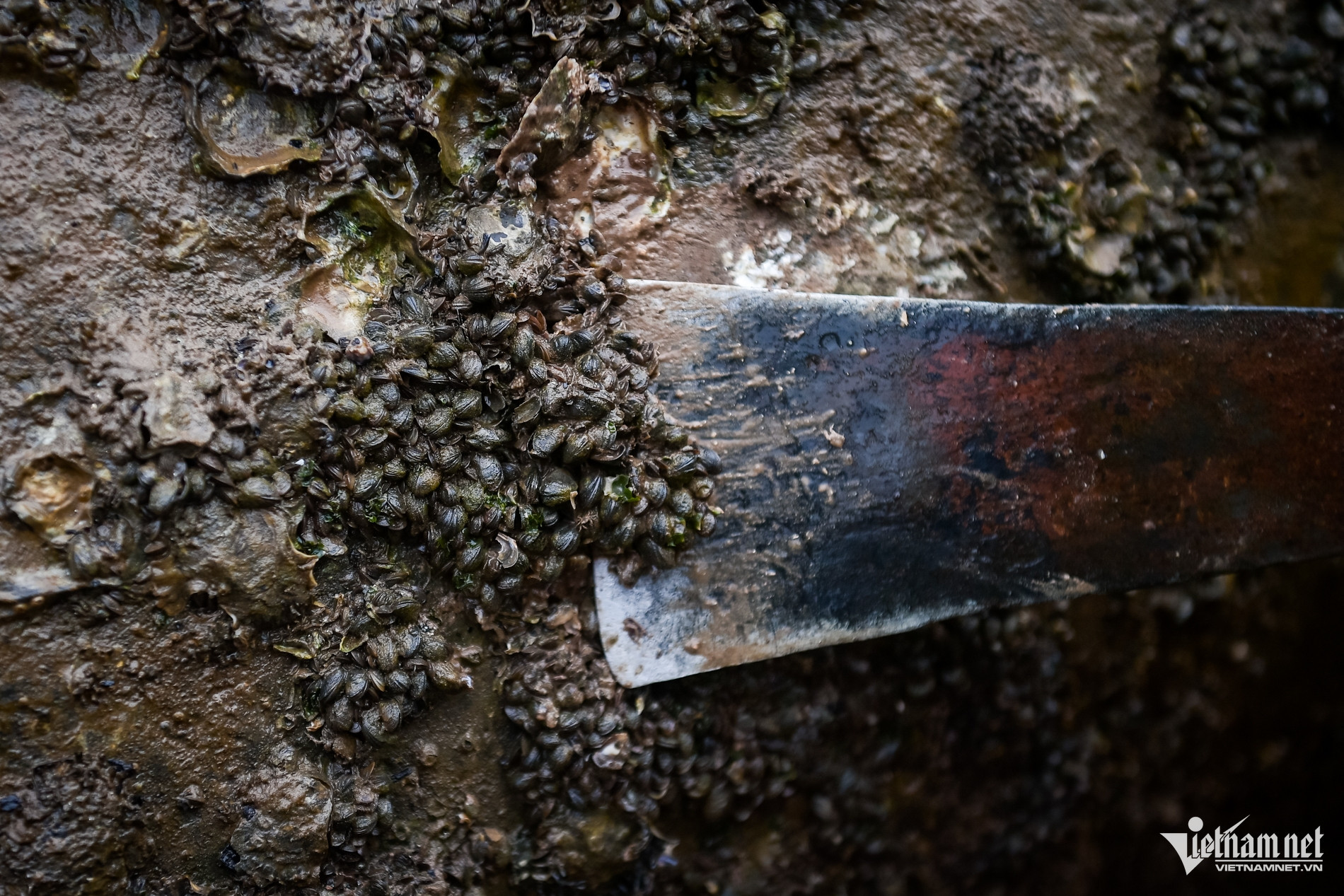
Nguyen Thi Dung, 54, a longtime resident of Giao Ninh, said this small clam - called vem - is most plentiful in the 11th and 12th lunar months, when cold air encourages dense clusters to form on the wave-breaking blocks.
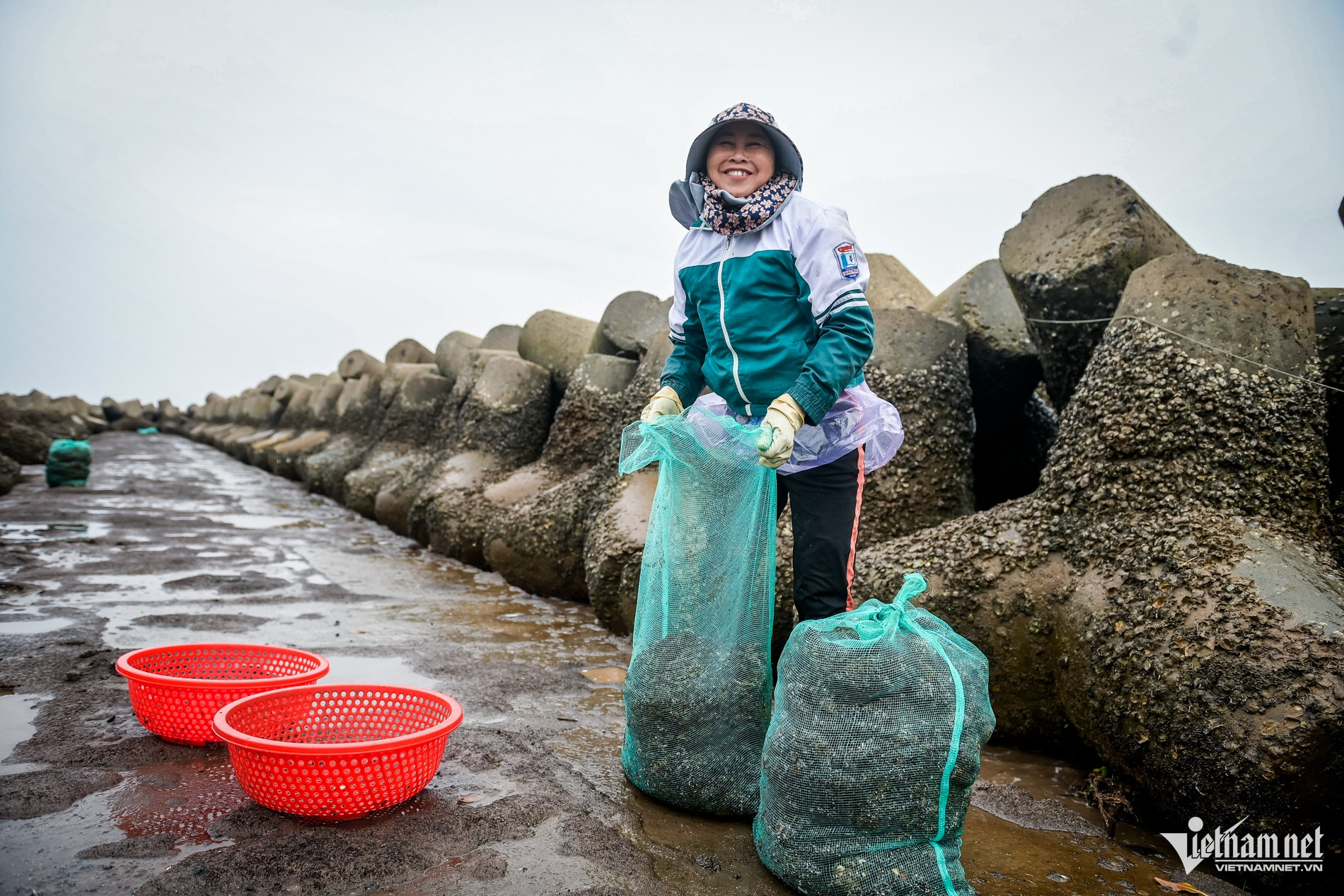
“The harvest depends entirely on the tide,” she said. “When the water recedes and exposes the concrete blocks, we head out to collect. When the tide returns, we pack up and go home. I usually work from 2 to 6 p.m. and can gather around 10 sacks. This season lasts only about two months, so everyone makes the most of it.”
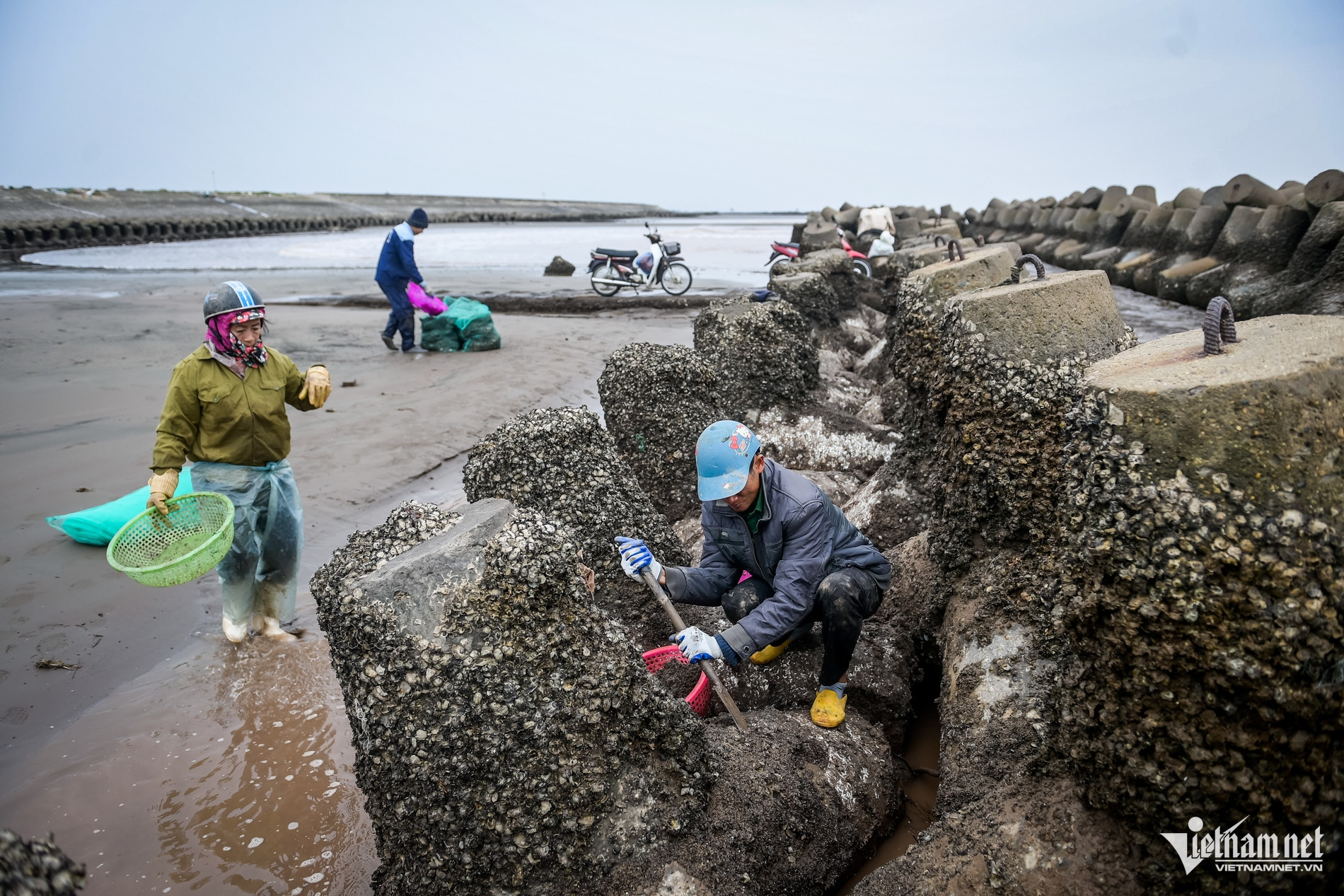
To dislodge the clams, workers use a tool called a nẫy - a flat blade for prying the shells loose. They sift out the sand and gather the clams into mesh bags. Traders often buy the catch right on the beach, using it as feed for lobsters and other aquaculture species.
A quick-handed collector can gather dozens of bags in a single afternoon, each weighing 40 to 60 kilograms. With each bag selling for 60,000 to 70,000 VND (about $2.50 to $3), many walk away with up to a million dong in a few short hours.
Cao Minh Huy, 34, has been doing this for years. To make the most of each low tide, he heads out with the tools he needs and braces himself for the discomfort.
“It might look easy, but it’s extremely hard work,” Huy said. “You have to bend over constantly and use a lot of force to break the clams free from the concrete. By evening, my arms and back ache from the effort.”
“On the coldest days, stepping into the water is a shock to the body,” he added. “But once you start working, you sweat so much that your clothes get soaked - even in the cold wind. And then, when you stop, the chill hits harder. Still, it’s worth it. With a little effort, you can earn good money before the New Year.”
As darkness falls and the sea begins to rise again, the beach empties out. Workers haul their wet, heavy bags ashore, trading them for cash and heading home with aching limbs - but also with the quiet satisfaction of another productive afternoon.
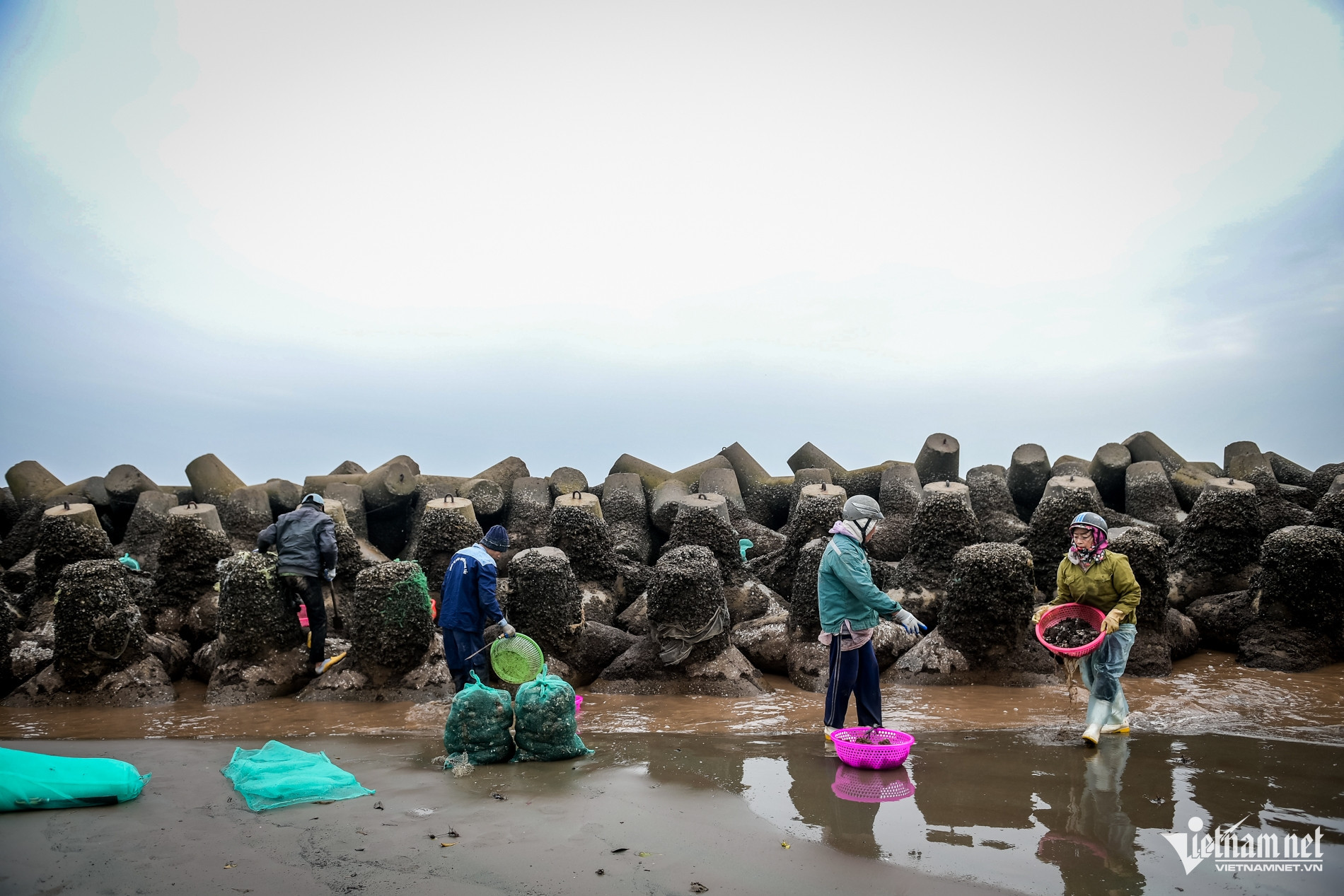
Each winter, residents of Giao Ninh commune brave freezing waters to collect clams from concrete blocks exposed at low tide.
Trong Tung
.svg)
