 Vietnamnet.vn

 Podcast



The concerts are scheduled for September 12 in Ho Chi Minh City and September 19 at Ho Guom Opera House in Hanoi.
Ahead of the performances, Ani Choying Drolma spoke with VietNamNet about healing through music, Buddhist practice and the role of compassion in daily life.
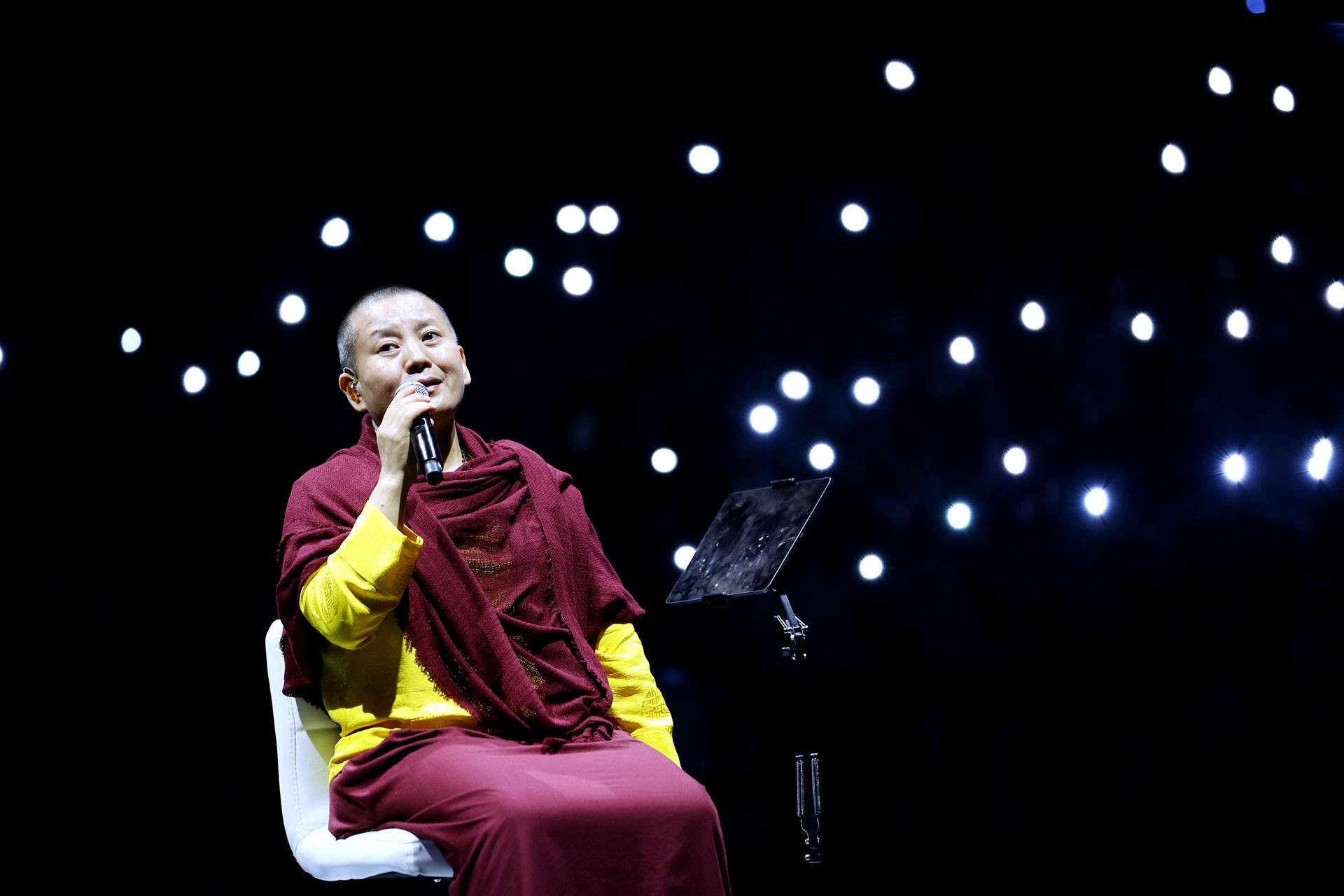
With sound healing becoming increasingly popular worldwide, Ani Choying Drolma was asked how she distinguishes genuinely healing music from soothing entertainment.
When she first met the founders of Sound Healing World in Kathmandu, she recalled telling them: "My music is not entertainment. It belongs to the inner world."
She explained that her musical path began in a Buddhist nunnery, where she was trained as an Umze - the lead chanter responsible for reciting sacred mantras during religious ceremonies.
"The stage may change, but my music and the path I have chosen have never changed," she said.
According to Ani Choying Drolma, sound can calm the mind and guide people inward only when it originates from clarity and purity.
Chanting as spiritual practice
Asked whether she ever sings while carrying sadness or emotional burdens, the Buddhist nun described chanting as a form of spiritual discipline rather than performance.
Monastic training, she said, emphasizes complete concentration, bringing body, speech and mind together through visualization during chanting.
"When I chant mantras, I simply become a channel through which awakening sounds can reach listeners," she said. "Only when the person chanting is at peace can the audience truly experience those sounds."
Beyond the monastery
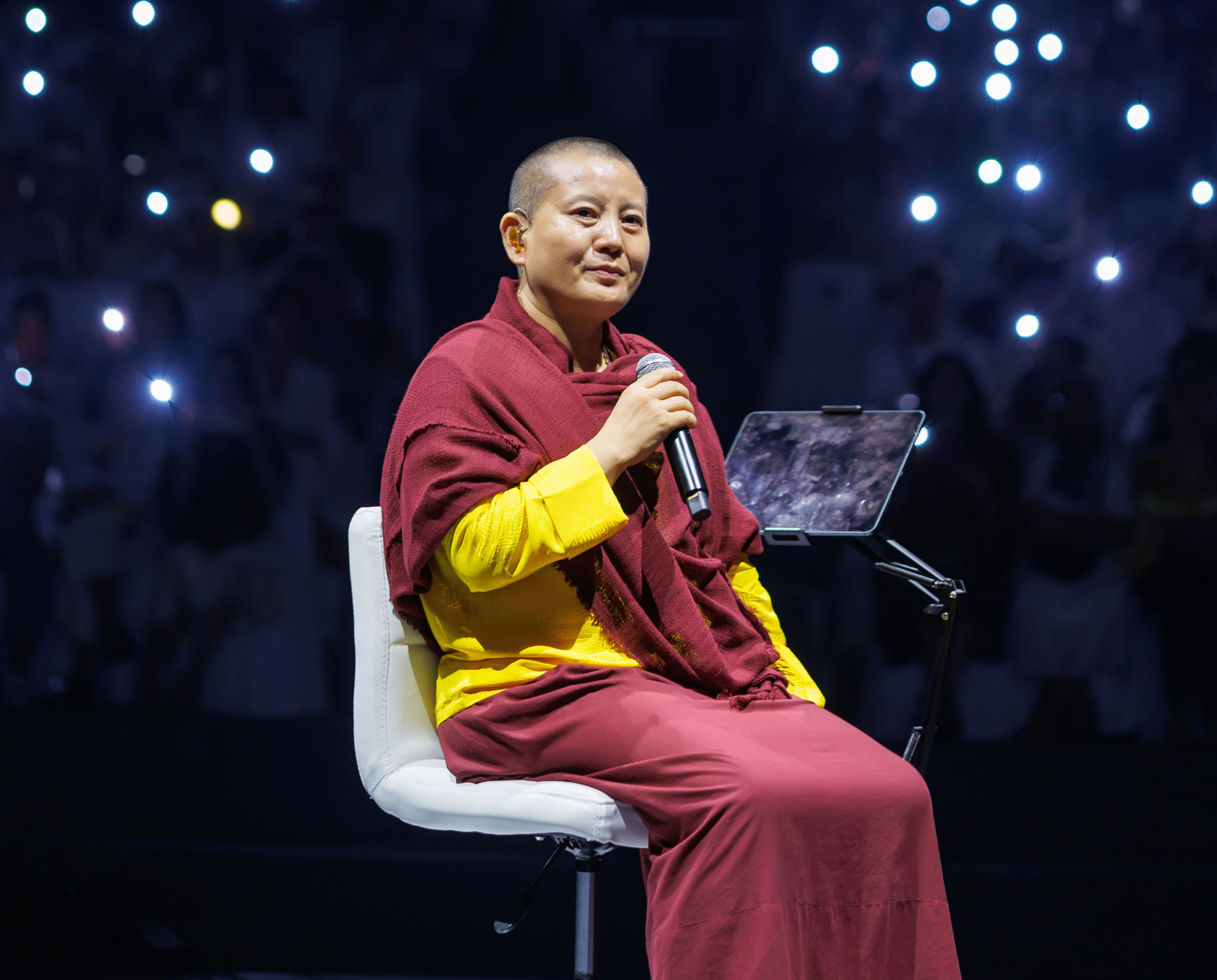
The Nepalese Buddhist nun is internationally known for her sacred chanting and humanitarian work.
Over the years, Ani Choying Drolma has released albums, toured internationally and raised substantial funds for charitable causes.
She acknowledged that some people question whether a Buddhist nun should maintain such a public profile.
"I still encounter those opinions," she said.
She explained that the Buddhist tradition in which she was trained encourages practitioners to move beyond attachment to fixed perceptions. "I am a nun, but when I stand on stage I also take on the role of an artist."
Within Himalayan Buddhist traditions, she added, music and sacred sound are regarded as skillful means of spiritual practice. "I am proud to share that tradition in the small way that I can."
Planting the seeds within
Asked whether true spiritual practice is found in silent meditation or in helping others through public engagement, Ani Choying Drolma said authentic practice begins with honesty.
Buddhist practitioners, she noted, are known as "those who practice" because spiritual cultivation is rooted in lived experience.
"I try to be truthful in every role I am fortunate to have - as a nun, an artist and a social activist," she said. "I believe music can make life a little better."
Reflecting on the theme of this year's concerts, The Inner Seed, she offered a final message for audiences seeking comfort.
"I rarely give advice," she said. "But I believe each of us already carries good seeds within us - seeds of compassion, wisdom and the inner strength to overcome life's challenges."
Born in 1971 in Kathmandu, Nepal, Ani Choying Drolma endured a difficult childhood marked by domestic violence.
At the age of 13, she fled home and entered Nagi Gompa Monastery, where she became a disciple of the late meditation master Tulku Urgyen Rinpoche.
Under his guidance, she learned to transform anger, fear and suffering into compassion and later took monastic vows under the name Ani Choying Drolma.
Tinh Le
.svg)
