 Vietnamnet.vn

 Podcast


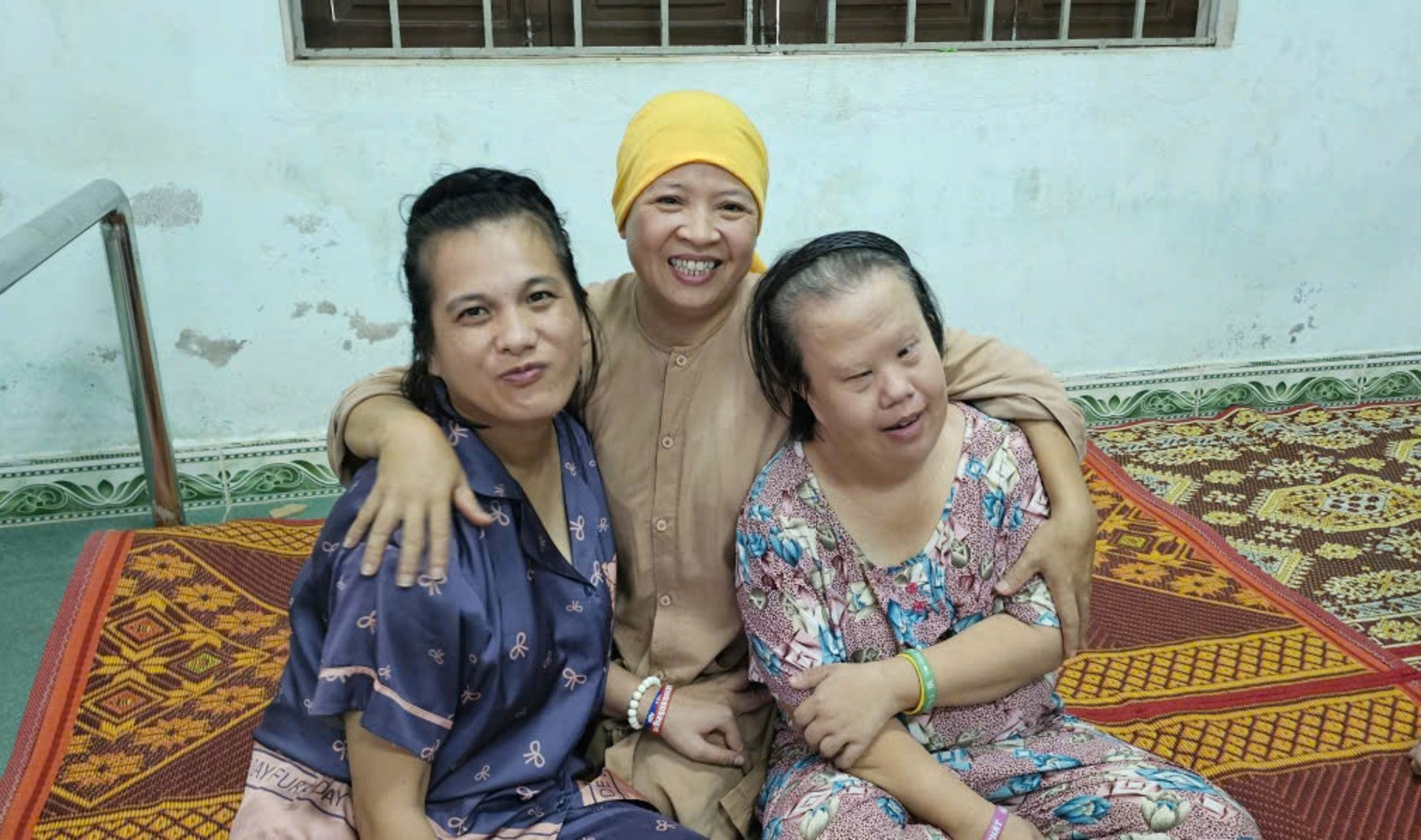
Every morning, while many people have yet to start their day, Hau Lien is busy preparing meals and taking care of the daily needs of 10 people with severe disabilities living at the monestery in Cam Lo Commune in Quang Tri Province.
Some need help eating, while others require assistance with everyday activities. Tasks that may seem simple have been part of the nun's daily life for many years.
Once the morning care routine is under control, she and her colleagues turn to making incense, agarwood products and natural essential oils. The products are sold to generate additional income and help sustain the home.
The monastery was established in 2008 in Tan Dinh Village, formerly part of Cam Thanh Commune, and now in Tan Thanh Village, Cam Lo Commune, Quang Tri Province.
The person behind the establishment was Hau Lien, whose birth name is Nguyen Thi Hien. Hoping to create a place where she could both practice Buddhism and care for people in particularly difficult circumstances, she gradually built the monastery into a shared home for those less fortunate.
Over the past 18 years, the facility has become a source of support for many people with disabilities, people affected by Agent Orange and impoverished families.
According to the pagoda, it currently provides full-time care for 10 people with severe disabilities who are believed to have been affected by Agent Orange, offers rehabilitation support to around 20 others, and regularly assists about 50 disadvantaged people in the local community.
Each month, the pagoda also distributes around 350 free meals to poor people, people with disabilities, families with children affected by Agent Orange and workers struggling to make ends meet.
For Hau Lien, the priority is not simply to give poor people a meal or a gift, but to provide vulnerable people with a place where they can find support, attention and long-term care.
A lifeline for three brothers affected by Agent Orange
Among those taken in by Ngoc Lo Monastery, the circumstances of three brothers - Mai Van Khoa, born in 2005; Mai Van Tuyen, born in 2007; and Mai Van Tien, born in 2015 - are particularly heartbreaking.
All three brothers have been affected by Agent Orange. Their family is already struggling financially, and their father also suffers from a serious illness, while all three children require long-term care.
Given their circumstances, the brothers were brought to Ngoc Lo Pagoda to be cared for. They now have a place to live and eat, as well as someone to look after their daily needs, easing some of the burden on their family.
However, caring for people with severe disabilities is not a task that can be measured in days or months. Some have difficulty moving, while others have limited communication abilities and cannot manage ordinary daily activities on their own.
Alongside taking care of their meals and sleep, Hau Lien also spends time helping them with physical movement and acupressure. She works with her colleagues to help the residents exercise according to their abilities.
The process requires patience, as even simple daily activities can be challenging for people with severe disabilities.
"These children have already suffered so many disadvantages. Things that seem perfectly ordinary to other people can be difficult for them," Hau Lien said.
The nun said she began studying and practicing Buddhism under her master's guidance at the age of 14. Through years of devotion to Buddhist life, her empathy for the pain and hardship of others has continued to grow.
Having witnessed many people affected by Agent Orange living in dependence on others for care, she wanted to establish a place where they could receive love and support rather than face their difficulties alone.
18 years of spreading compassion
Maintaining a home for people with severe disabilities requires considerable funding, effort and perseverance.
In addition to personally caring for those living at the pagoda, Hau Lien connects with philanthropists and mobilizes resources to support people in difficult circumstances.
The production of incense, agarwood incense cones and natural essential oils has continued, generating additional income to help cover the costs of caring for people with disabilities.
Beyond looking after its residents, the pagoda regularly organizes charity meal programs and provides assistance to poor families and vulnerable members of the community.
Huong Lai

