 Vietnamnet.vn

 Podcast


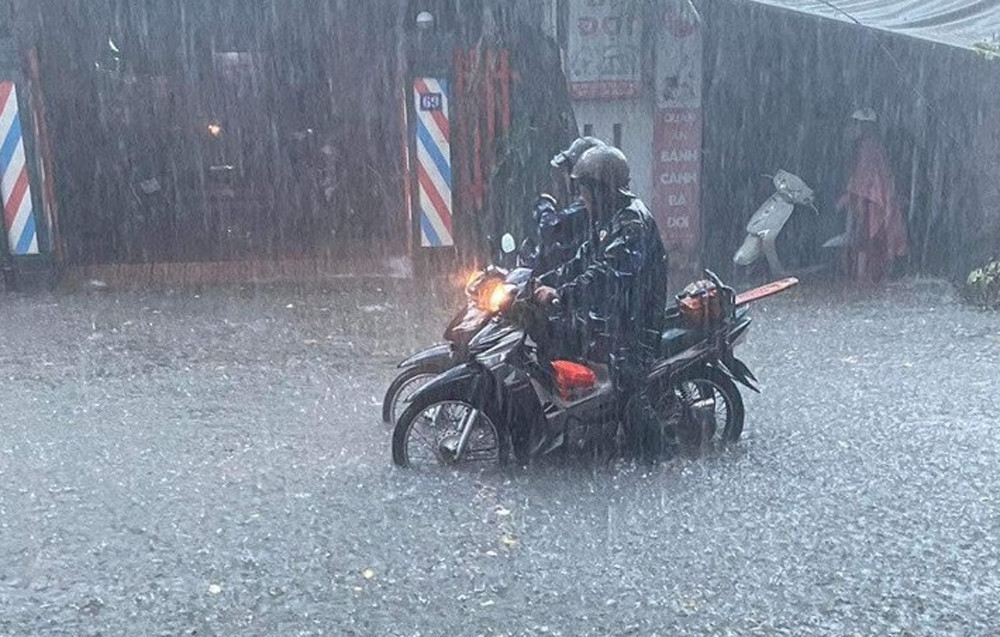
From the evening of November 27 to the morning of November 30, widespread heavy rain is highly likely to affect areas from Hue to Da Nang, the eastern parts of provinces from Quang Ngai to Dak Lak, and Khanh Hoa province.
Total rainfall is forecast to range from 200 to 400mm, with some areas receiving more than 600mm. Intense downpours exceeding 100mm within three hours are also possible.
Heavy rain could cause flooding in low-lying areas, urban centres and industrial parks, as well as flash floods along small rivers and streams and landslides on steep slopes.
With another spell of heavy rain expected immediately after the recent and ongoing downpours, the National Civil Defence Steering Committee has called on the authorities of Hue, Da Nang, Quang Ngai, Gia Lai, Dak Lak and Khanh Hoa, along with relevant ministries and agencies, to take proactive response measures.
Local authorities have been instructed to closely monitor forecasts and warnings of heavy rain, flooding, flash floods and landslides, and provide timely and comprehensive information to grassroots authorities and residents so they can take appropriate precautions.
The committee has called for emergency response teams to inspect vulnerable areas and proactively relocate or evacuate residents living along rivers and streams, in low-lying areas and in locations at risk of severe flooding, flash floods and landslides, particularly those already affected by heavy rain.
Local authorities should also clear obstructed waterways and keep response teams on standby to help residents deal with any damage.
Personnel should be deployed to monitor and control traffic, assist road users and ensure safety, particularly at low-water crossings, spillways, deeply flooded areas, locations with fast-flowing water and areas affected by or vulnerable to landslides.
Authorities must strictly prohibit people and vehicles from crossing unsafe areas to prevent avoidable loss of life caused by carelessness or complacency.
The six localities have also been asked to mobilise personnel, supplies and equipment to address emergencies, maintain traffic flow along major transport routes and prevent flooding in urban areas and industrial parks.
Inspections and safety measures must be implemented at mining tunnels and shafts, construction sites, reservoirs and downstream areas, with particular attention to small hydropower and irrigation reservoirs that are already full, as well as vulnerable reservoirs.
The National Civil Defence Steering Committee has also urged authorities to proactively regulate water releases from hydropower and irrigation reservoirs in accordance with regulations to ensure the safety of both infrastructure and downstream areas.
Personnel must remain on standby to manage reservoir operations and respond promptly to any emergencies.
Kieu Oanh

