A very strong El Nino could trigger severe drought and saltwater intrusion in Vietnam's 2026-2027 dry season, with the Mekong Delta potentially facing conditions similar to the historic crises of 2015-2016 and 2019-2020.
Vietnam is facing an increased risk of water shortages, drought and saltwater intrusion during the 2026-2027 dry season as a very strong El Nino is expected to significantly reduce rainfall and river flows nationwide.
Nguyen Thi Nhu Quynh, Deputy Head of the Hydrological Forecasting Division at the National Centre for Hydro-Meteorological Forecasting, warned that water resources would come under considerable pressure in the coming months.
Reduced rainfall and declining flows across major river systems could affect domestic water supplies, agricultural production and hydropower generation in several regions.
River flows already declining as El Nino intensifies
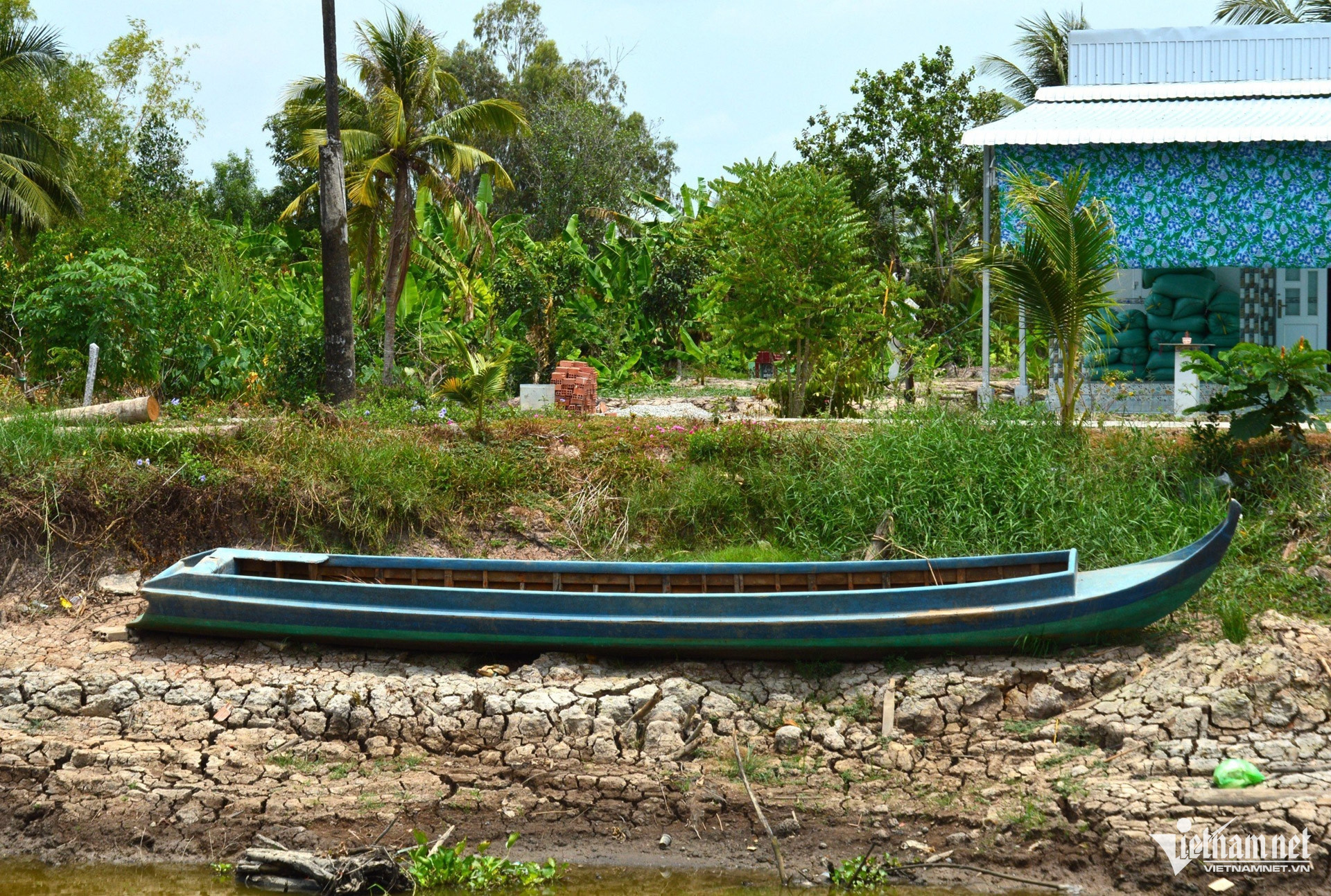
Severe drought and saltwater intrusion could affect parts of southern Vietnam during the 2026-2027 dry season as El Nino reduces rainfall and river flows. Photo: H.T
From August to the first half of November 2026, temperatures across Vietnam remained above the long-term average.
With fewer storms and tropical depressions affecting the country, many areas experienced rainfall deficits.
River flows were generally 15-30% below the long-term average, while some river basins recorded shortfalls exceeding 60%.
Water storage levels also varied significantly between regions.
Major hydropower reservoirs in northern Vietnam and areas stretching from Thanh Hoa to Hue held approximately 87-99% of their designed storage capacity.
However, reservoirs in areas from Da Nang to Dak Nong and Dong Nai were at only 40-80% of capacity.
Meanwhile, irrigation reservoirs nationwide generally held between 63% and 86% of their designed capacity.
These conditions have raised concerns about the availability of water for households, farming and electricity production during the approaching dry season.
Mekong Delta faces risk of severe saltwater intrusion
According to the national forecasting centre, El Nino is expected to continue influencing Vietnam's weather from late November 2026 through May 2027, although it may gradually weaken between March and May 2027.
During this period, temperatures are forecast to remain above the long-term average, while rainfall could fall 20-40% below normal levels.
River flows nationwide are projected to decline by 20-40%, with some rivers potentially experiencing deficits of up to 70%.
Inflows into northern hydropower reservoirs could be 20-40% below average.
In central and southern Vietnam, reservoir inflows are expected to fall by 30-50%, with some facilities potentially experiencing shortfalls of up to 70%.
The combination of higher temperatures and reduced rainfall is likely to increase the risk of drought and threaten water supplies for domestic consumption and economic activities.
Forecasters warned that parts of northern and north-central Vietnam could experience localised water shortages.
The south-central coastal region, the Central Highlands and the Mekong Delta are among the areas requiring particularly close monitoring.
The Mekong Delta faces an especially serious threat from saltwater intrusion, which could reach levels comparable to those experienced during the historic dry seasons of 2015-2016 and 2019-2020.
Those periods serve as important reference points for assessing the potential severity of the coming dry season.
Authorities urged to prioritise drinking water supplies
Covers content
Not interested
Inappropriate
Seen too often
ADBRO is the full service ad network for high impact contextual advertising with direct access to the exclusive in-image inventories across major local publishers.
We provide free creative adaptation into rich media, interactive and playable ads formats. Campaigns in our channel are delivered under guaranteed prices for actions with programmatic & managed delivery. We provide contextually segmented in-target audiences for over 60 industries with a full range of brand safety solutions.
ADBRO operates across SE Asia, including Singapore, Vietnam, Indonesia, Thailand, Philippines and Malaysia.
To test our channel for your advertising campaigns or consider partnership programs for publishers, please contact us at www.adbro.me
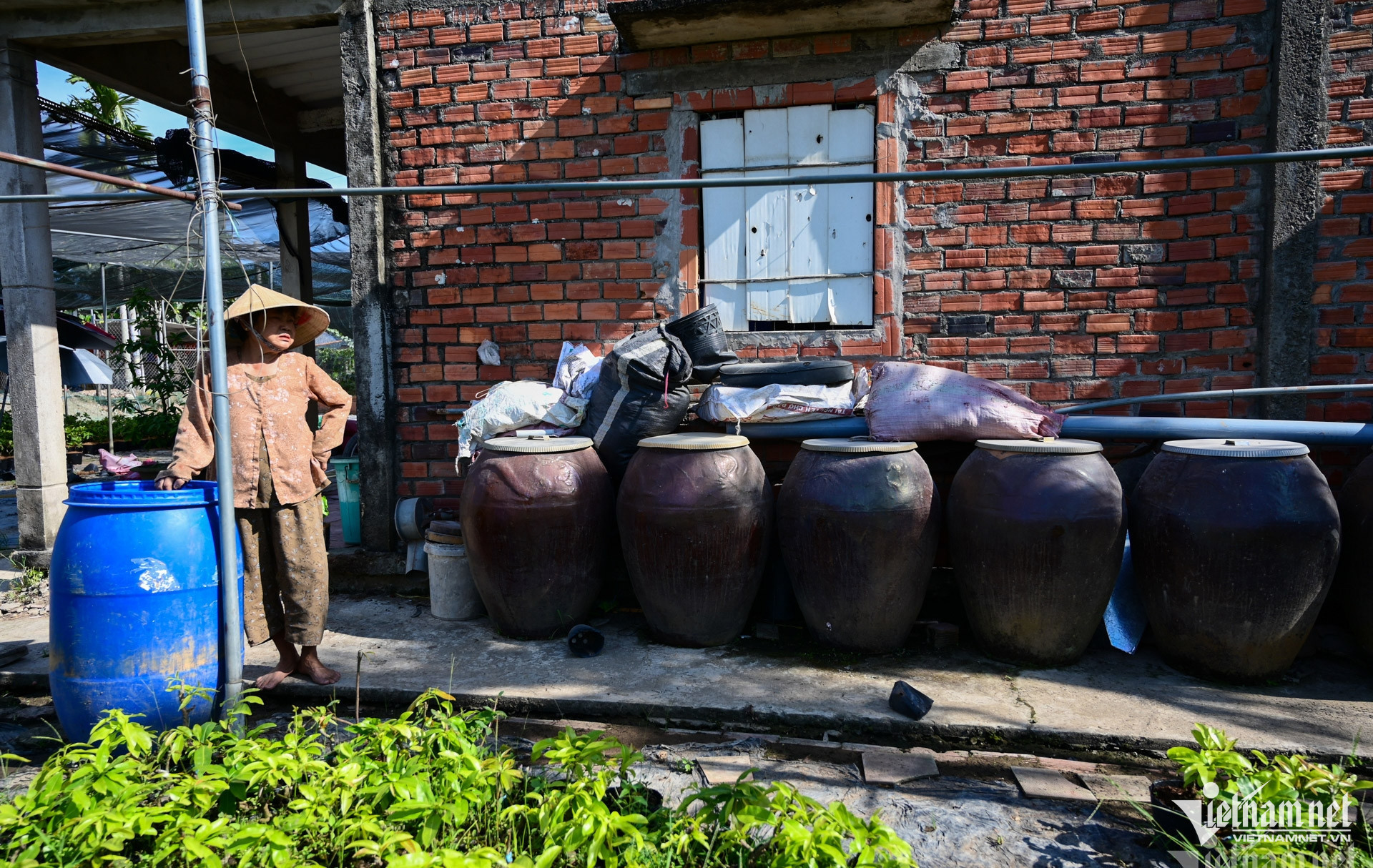
Residents in Ben Tre store freshwater during a previous period of drought and saltwater intrusion. Photo: Nguyen Hue
To minimise damage from drought and water shortages, the National Centre for Hydro-Meteorological Forecasting has called on residents, local authorities and infrastructure operators to prepare appropriate response measures.
Households and agricultural producers are advised to conserve water and store freshwater according to local conditions.
They should also regularly monitor weather forecasts, early warnings and guidance from local authorities to adjust production plans based on available water supplies.
In agriculture, local governments are urged to review cropping schedules and irrigation requirements to ensure efficient water allocation.
Water supplies should be prioritised during critical stages of crop development, while agricultural production areas should not be expanded beyond available water resources.
Authorities and operators of irrigation and hydropower facilities should closely monitor rainfall, river flows and reservoir storage levels.
This information should be used to update water supply plans, regulate reservoir operations and coordinate water releases across interconnected reservoir systems.
The forecasting centre stressed that household water needs must receive the highest priority.
At the same time, authorities should balance water requirements for agricultural production, electricity generation and the maintenance of minimum river flows.
Hydropower sector warned to prepare for 2027 heatwaves
The energy sector has also been advised to develop contingency plans to ensure a stable electricity supply, particularly during the peak hot-weather period in 2027.
Such plans should take account of available water resources and the actual operating conditions of hydropower reservoirs.
The forecasting centre urged local governments, infrastructure operators and residents to continuously monitor updated forecasts and warnings.
Early preparation, careful water storage and coordinated allocation will be essential to reducing the potential impacts of drought, water shortages and saltwater intrusion during the 2026-2027 dry season.
 Vietnamnet.vn

 Podcast