 Vietnamnet.vn

 Podcast



Nestled on the eastern slope of Nui Nua Mountain, this vast compound spans over two hectares, featuring rows of red-tiled houses arranged into distinct areas such as temples, community halls, schools, markets, and the mausoleum of Ong Tran.
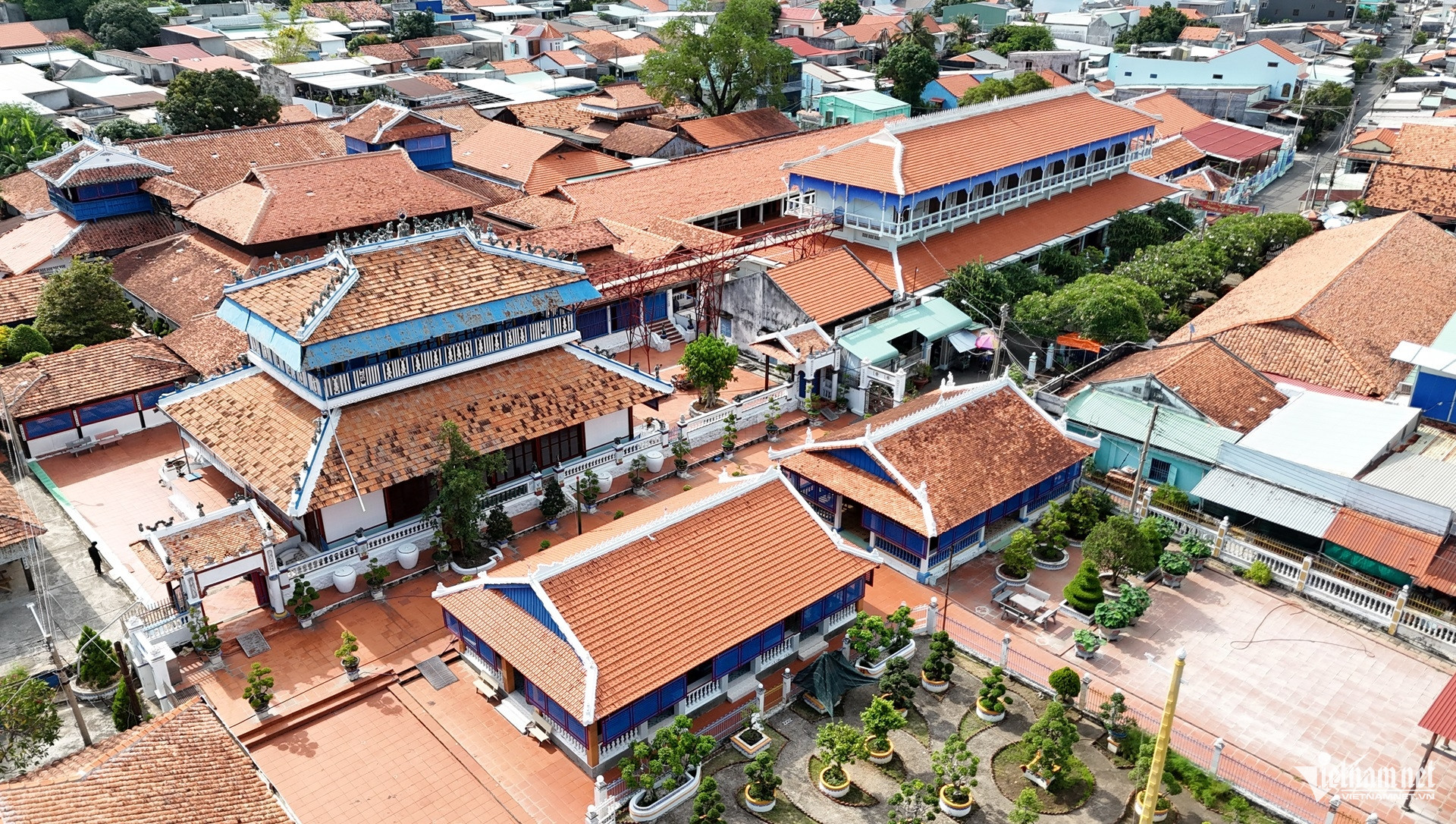
Built in the style of a traditional Vietnamese communal house, the complex combines wooden stilt and ground-level structures in an asymmetrical but harmonious layout. Its distinctive arrangement gives it a unique character while blending seamlessly with the surrounding landscape.
At the heart of the compound lies the main sanctuary, facing east, where Confucius and local ancestors are worshiped. Surrounding structures include the Heaven Pavilion, Buddha Pavilion, and Immortal Pavilion.
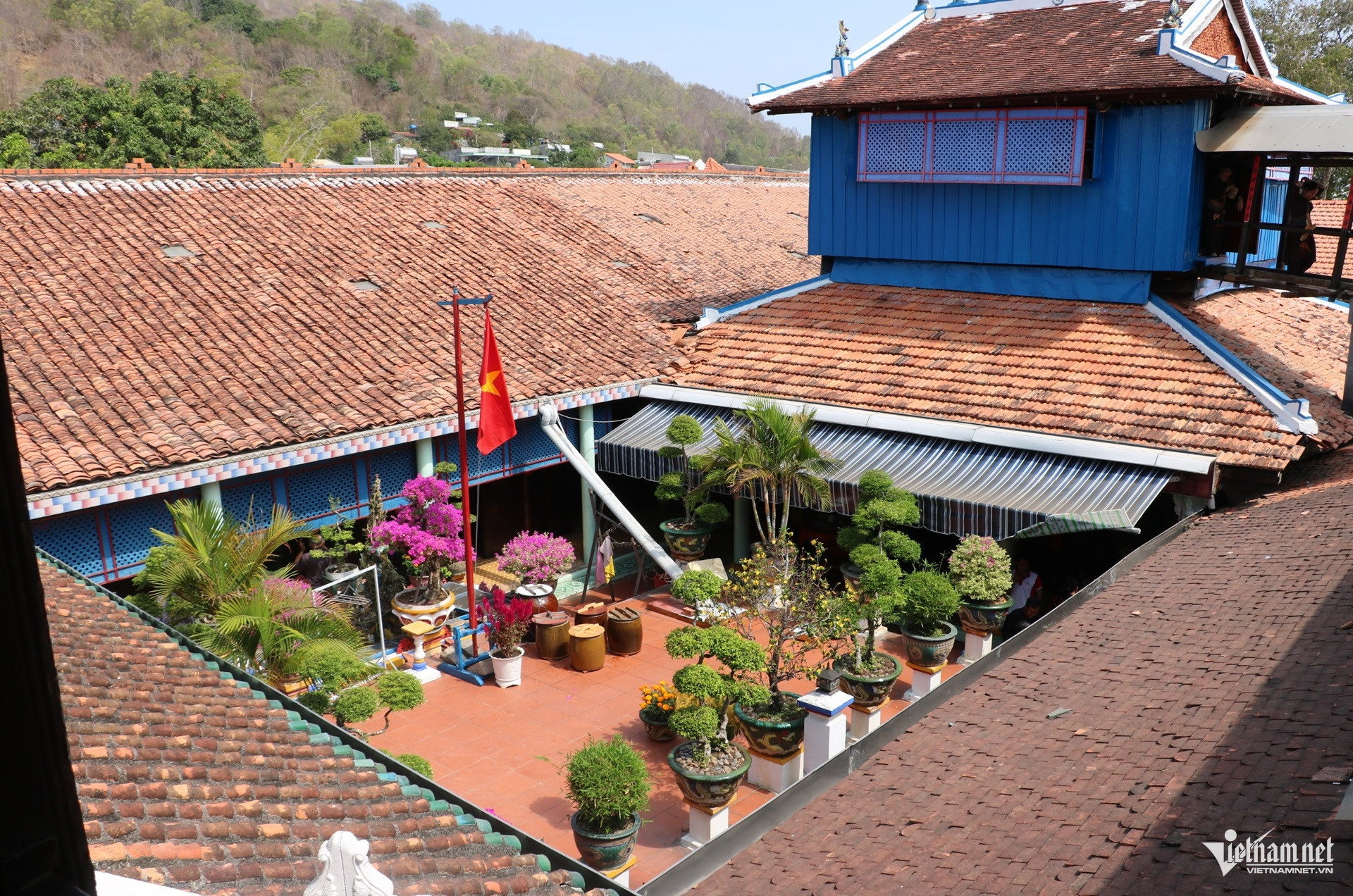
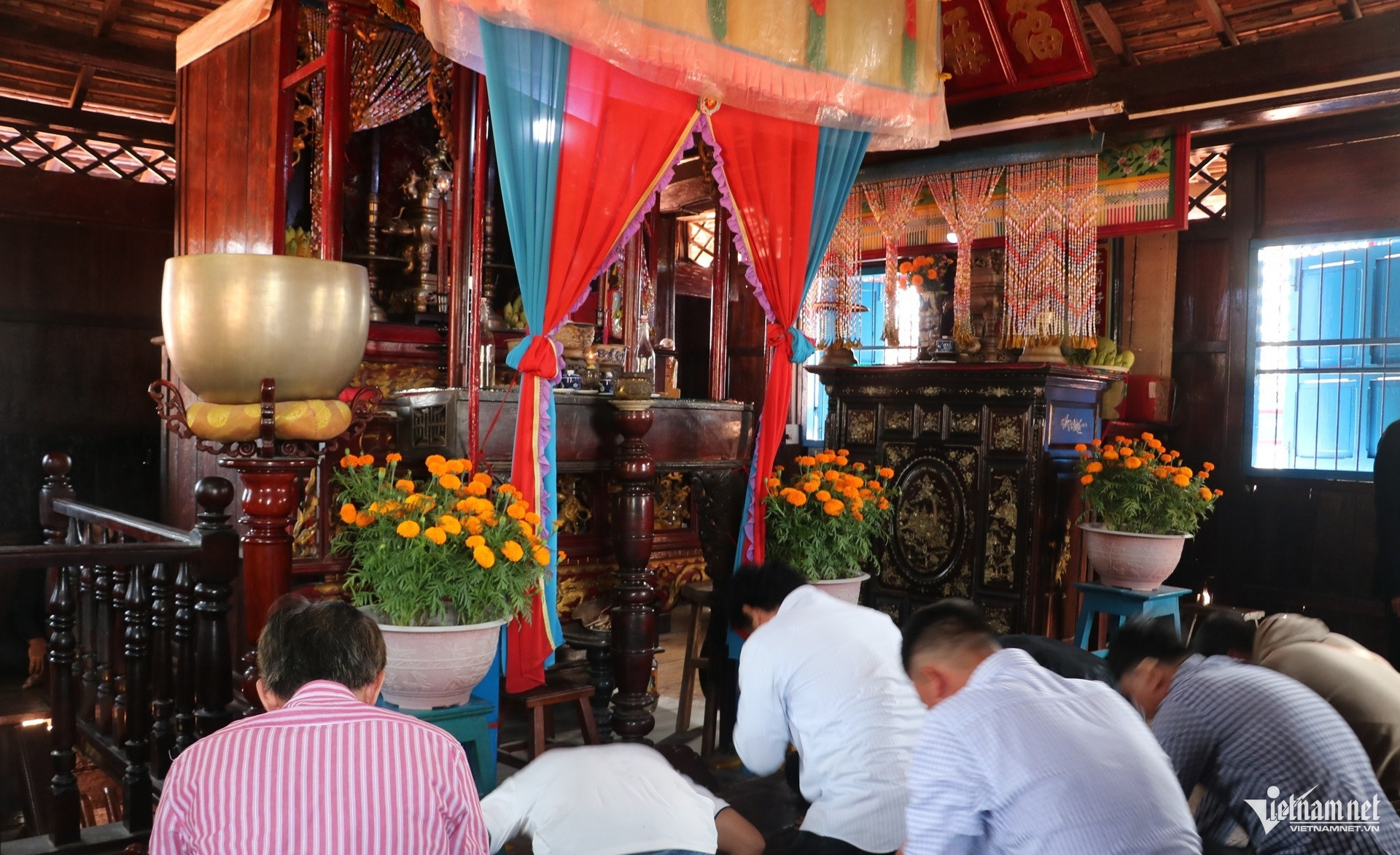
Inside, the complex features rare hardwood pillars, yin-yang tiled roofs, and red clay brick floors, reflecting a philosophy of simplicity, sustainability, and living in harmony with nature. Exquisite carvings adorn the space, including gilded calligraphy boards, lacquered altars inlaid with mother-of-pearl, and intricately carved furniture.
A unique detail is that instead of ancestral portraits, landscape paintings are placed on the altars.
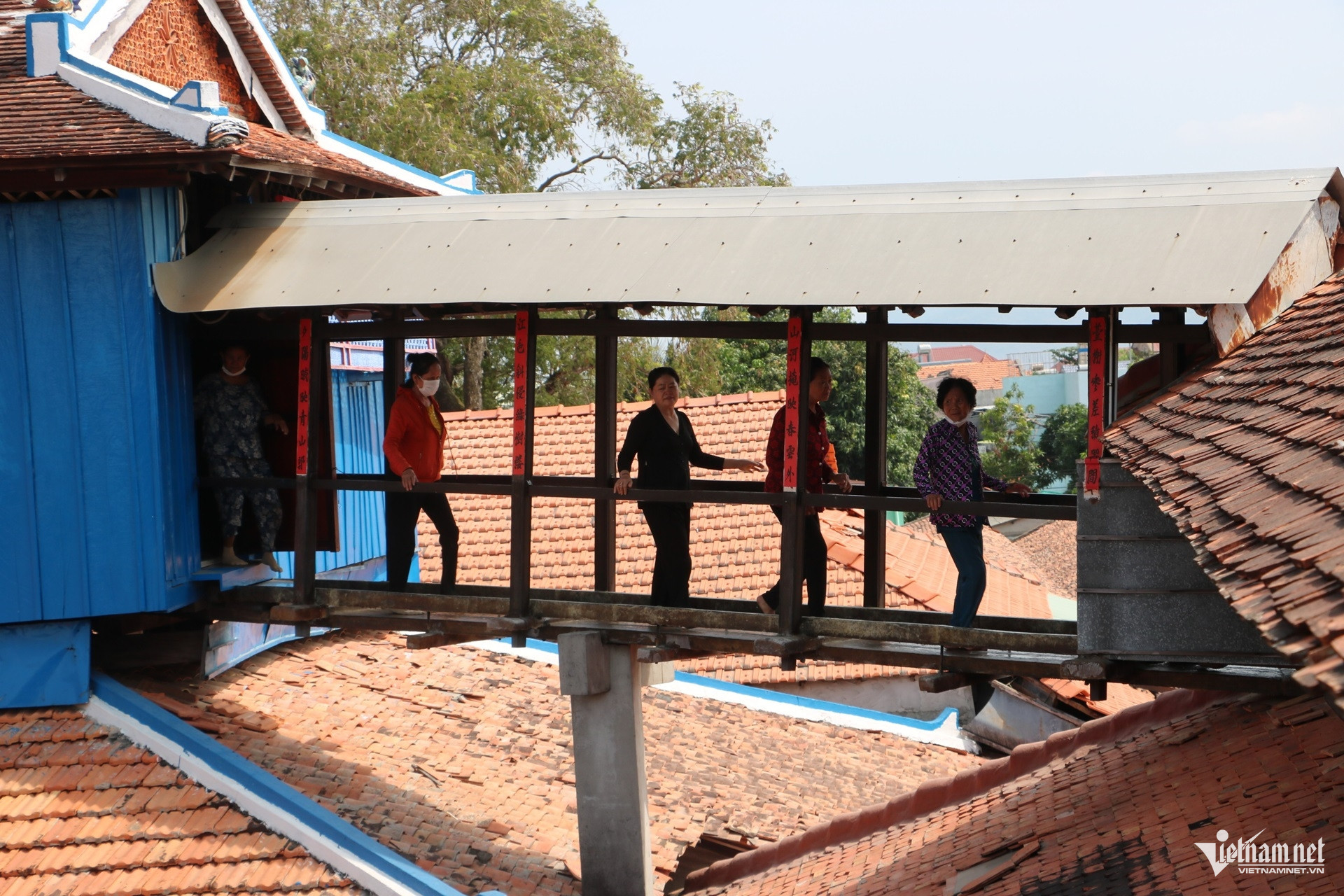
Built with low, simple roofs and minimal ornamentation, the structures are interconnected by elevated wooden bridges, making the compound resemble a self-contained village rather than a single temple. It integrates spiritual life, labor, education, and community gatherings into one harmonious space.
Other facilities include rice granaries, communal kitchens, guest houses, and a preservation hall for the traditional thunder boat (ghe sam), closely tied to the history of Ong Tran’s settlement.
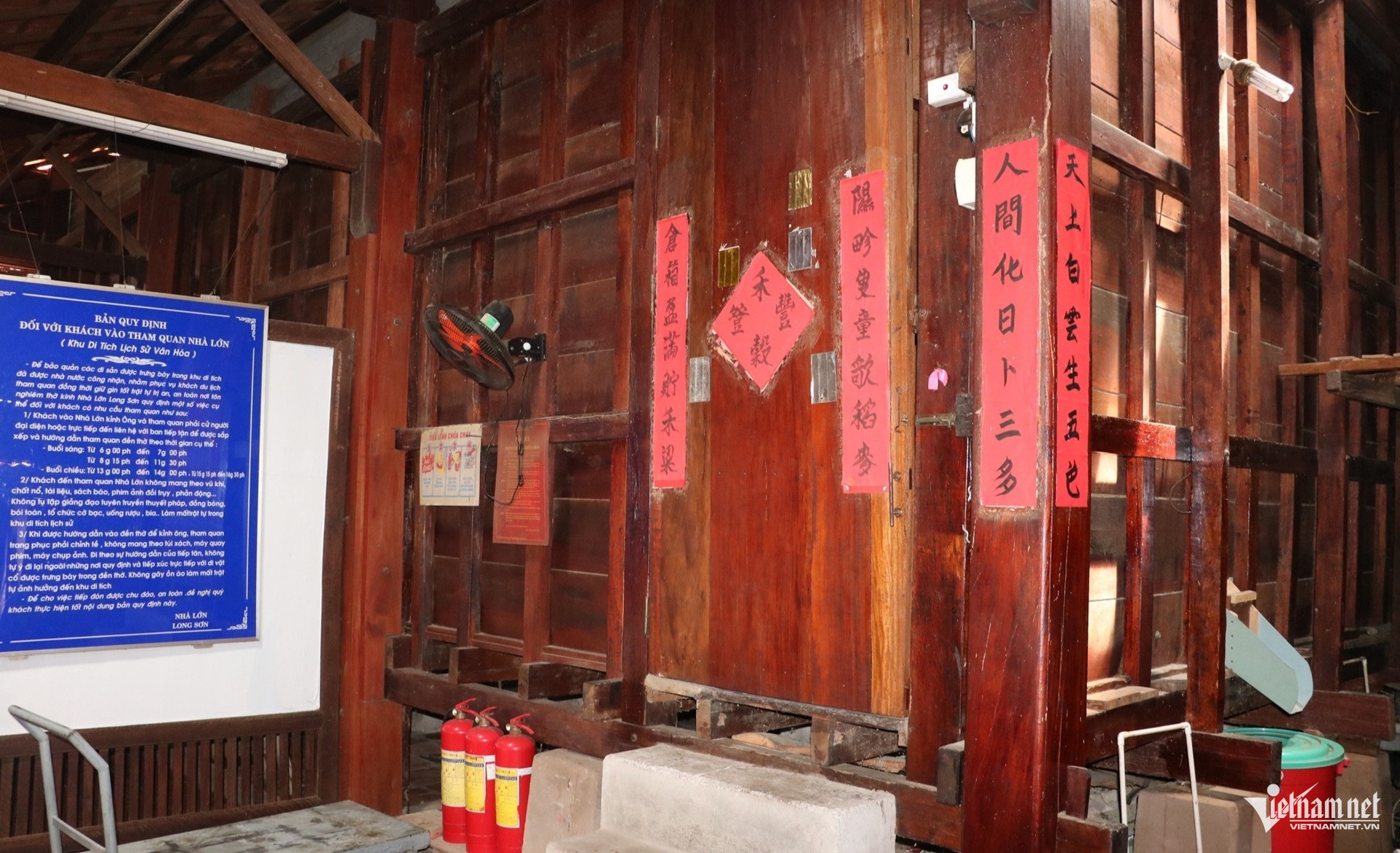
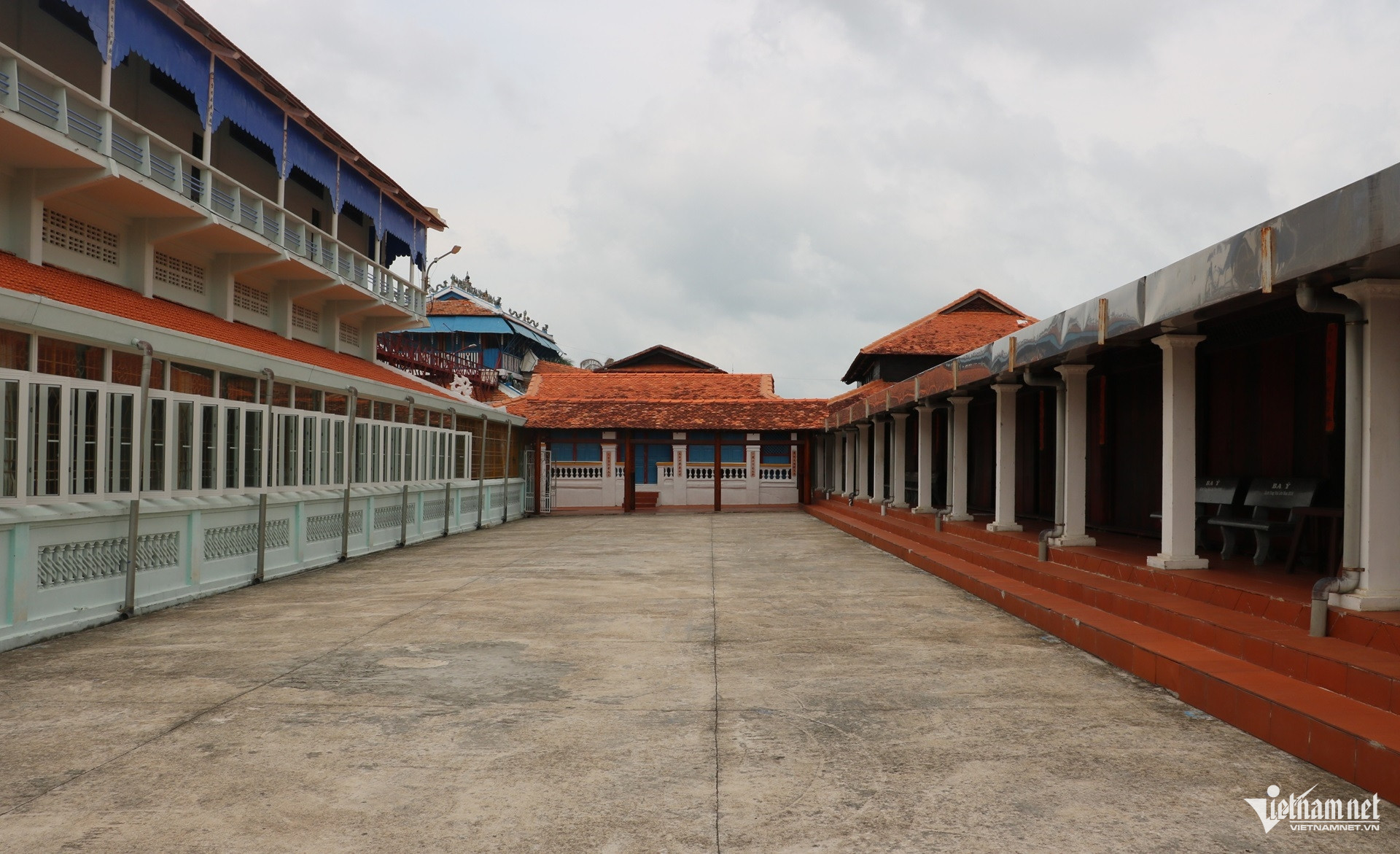
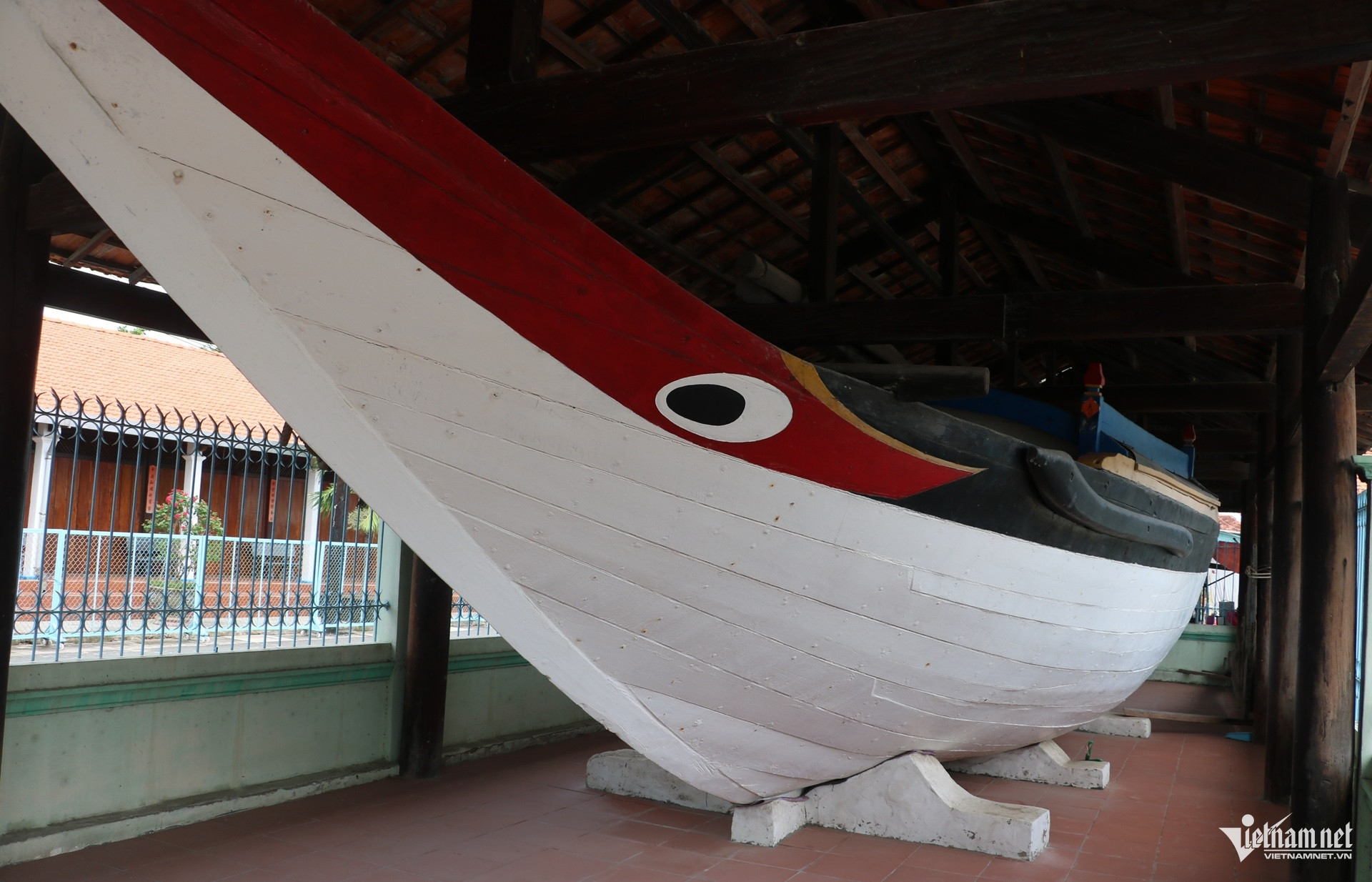
Nha Lon was founded between 1910 and 1929 by Ong Tran, whose real name was Le Van Muu, originally from Giang Thanh (now An Giang Province). After reclaiming land in Long Son, he established the complex, which later became known as the Temple of Ong Tran after his passing.
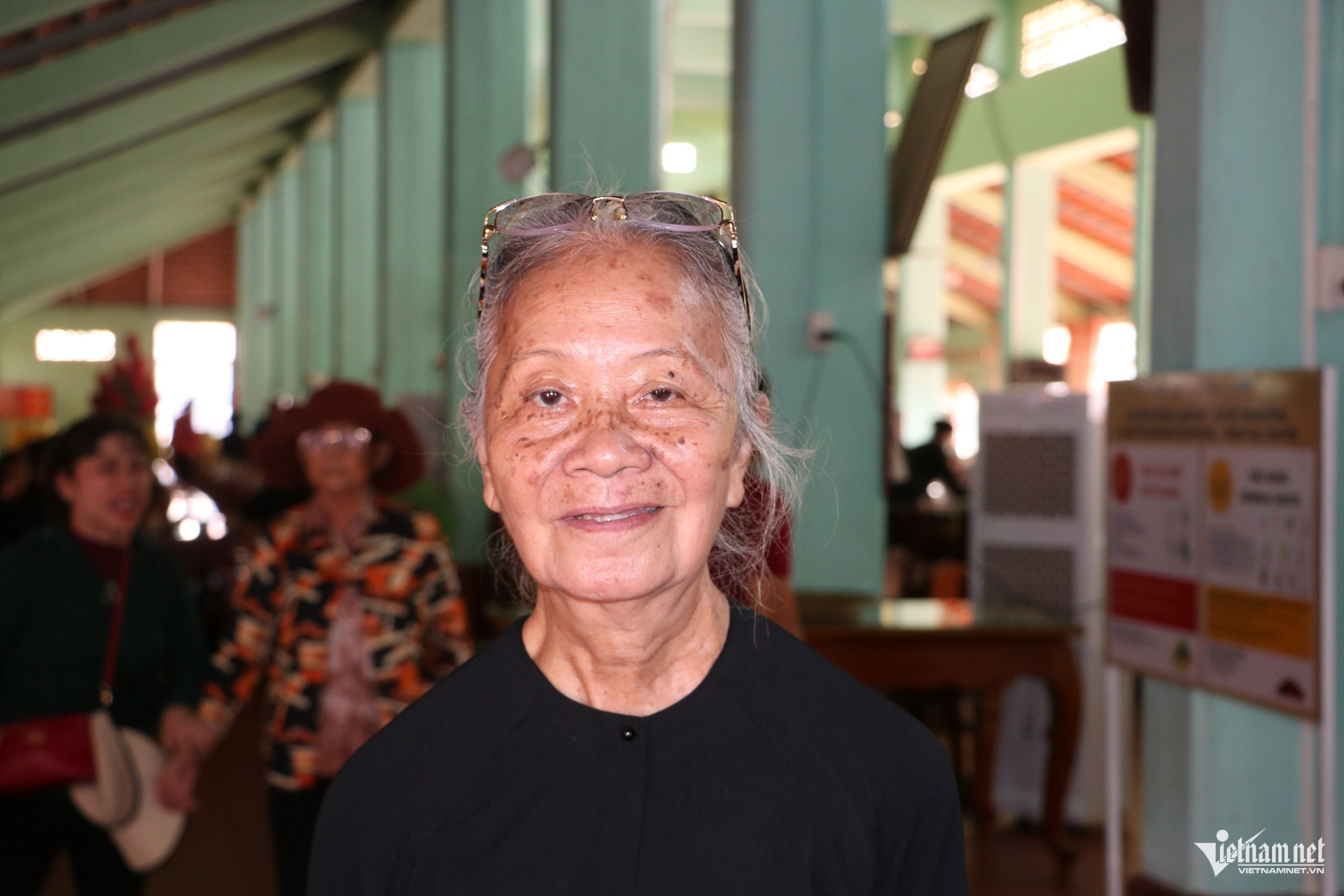
Le Thi Kiem, Ong Tran’s fourth-generation descendant, now cares for the site. She shared that maintenance and daily rituals are still carried out voluntarily by the community and Ong Tran’s descendants, with five caretakers taking turns every three days.
Residents maintain a simple way of life, wearing traditional black ba ba shirts and hair buns. They uphold unique customs, such as modest funerals without music or lavish displays, relying instead on tea, water, and heartfelt farewells.
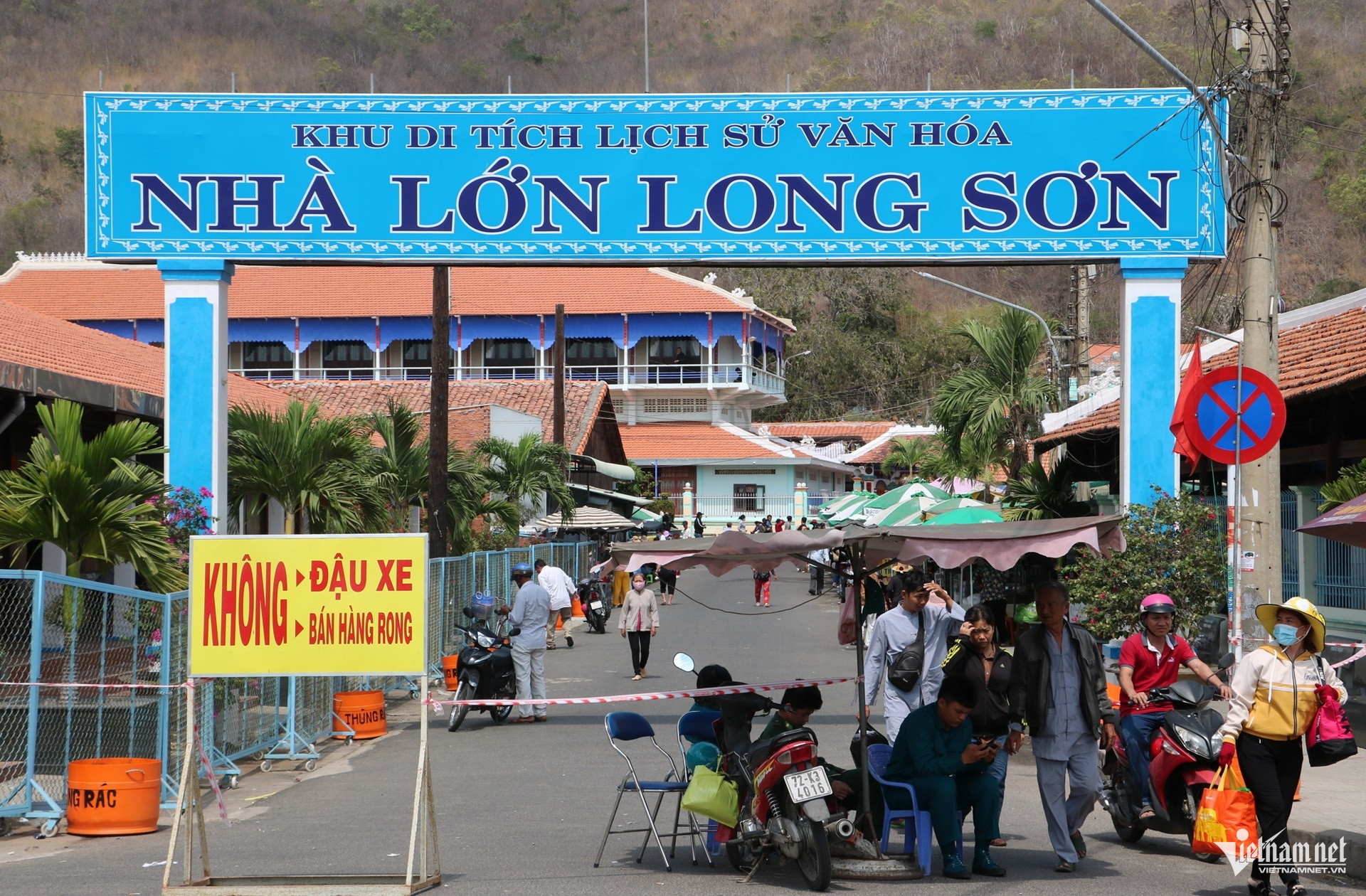
Each year, two major festivals are held: Ong Tran’s death anniversary on the 20th day of the second lunar month and the Double Ninth Festival (9/9 lunar calendar), attracting tens of thousands of pilgrims.
Recognized for its historical and cultural significance, Nha Lon Long Son was designated a national cultural heritage site in 1991.
Quang Hung
.svg)
