 Vietnamnet.vn

 Podcast



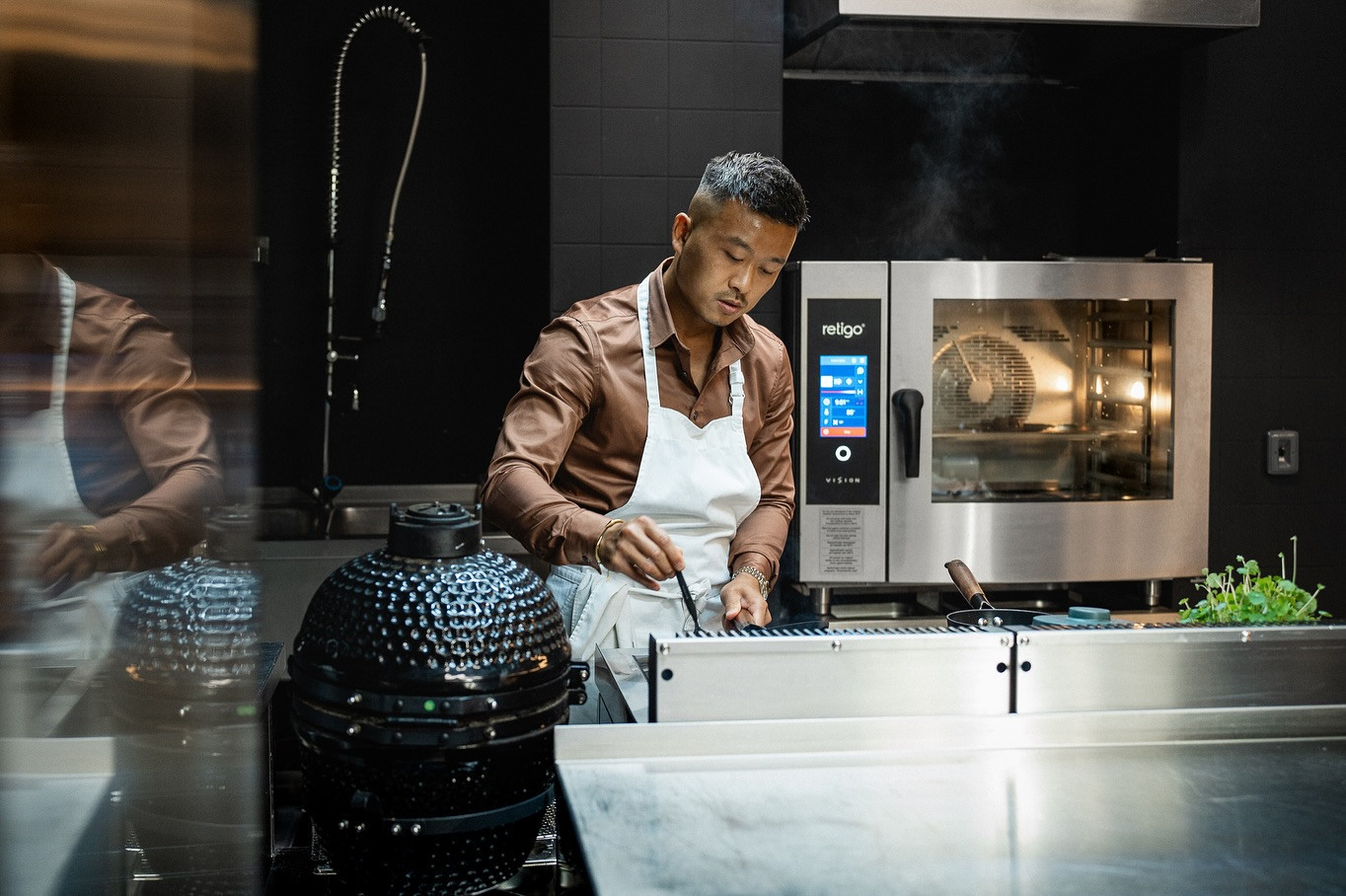
Chu Phuong Duy (Christian Chu, born 1991) is the founder and head chef of LEVITATE, a fine dining restaurant that offers Vietnamese, Asian and Nordic cuisine in Prague in the Czech Republic.
The restaurant opened in 2017 and after just 15 months was listed in the Michelin Guide. At the end of 2025, it received one prestigious Michelin star.
Duy is the first Vietnamese to have a restaurant awarded a Michelin star in the Czech Republic. Prior to that, he was named in Forbes Czech Republic’s 30 Under 30 list in 2020. LEVITATE has also been highly rated by the Gault & Millau guide.
The restaurant operates from Tuesday to Saturday, serving a maximum of 24 guests per evening to ensure a refined dining experience. The menu includes 12 or 18 courses, combining seasonal local ingredients with rare raw materials from around the world.
“My team and I were overwhelmed with emotion when we received the Michelin star. Since then, reservations have increased significantly,” chef Phuong Duy shared.
Duy was born in Phu Tho (formerly part of Hoa Binh) and moved to the Czech Republic in 2002 at the age of 10.
He said that from a young age he helped his parents cook, and cooking gradually became a natural part of his life.
At 14, he began formal training at his mother’s restaurant. Later, he worked at many fine dining restaurants in the Czech Republic and Nordic countries to hone his skills and gain experience.
During this time, he realized that Czech people and Europeans in general enjoy Asian cuisine, especially Vietnamese food. They appreciate its balance, harmony and health benefits. This motivated him to open his own restaurant to create refined dishes inspired by his homeland.
Whenever returning to Vietnam, he always takes time to explore food from street vendors to Michelin-starred restaurants. Dishes like banh cuon, pho, bun cha or traditional family meals remain his favorites.
“Vietnam has an incredibly rich cuisine. Each dish reflects the identity and culture of its region. I want to express Vietnamese ingredients and flavors through a modern culinary perspective,” he said.
Vietnamese ingredients
On the restaurant’s menu, diners can find dishes that “immediately evoke Vietnam” such as pho and bo la lot. Many other dishes are made from humble ingredients like green bananas, banana blossoms and familiar spices such as fish sauce, star anise, cardamom, pepper, fermented rice, and shrimp paste, but upgraded with modern techniques.
For pho, instead of traditional beef bone broth, the restaurant creates a 100 percent vegetarian version. The broth’s flavor comes from portobello mushrooms.
The mushrooms are roasted, then lightly toasted and steamed to develop flavor. The broth is simmered for 16 hours with cardamom, star anise, leek, ginger and kombu seaweed. “The long cooking process creates a rich, layered aroma,” he explained.
For bo la lot, he uses Wagyu Miyazaki A5 beef, thinly sliced and seasoned with fish sauce, sake, mirin and a touch of black truffle. The mixture is carefully wrapped in fresh betel leaves and grilled over Japanese charcoal. “It’s a Vietnamese-origin dish expressed in the language of contemporary fine dining,” he said.
Green bananas appear in another vegetarian dish. “We grill the bananas to add a light smoky aroma, then steam them until soft. They are combined with fermented rice, butter and sauce to balance sour, sweet and savory flavors. The mixture is blended until smooth and strained.
“To add texture and contrast, we fry banana blossoms until crispy, creating delicate chips,” he shared.
The chef said his goal is to achieve three Michelin stars and expand his restaurant to other countries.
Linh Trang
.svg)
