 Vietnamnet.vn

 Podcast



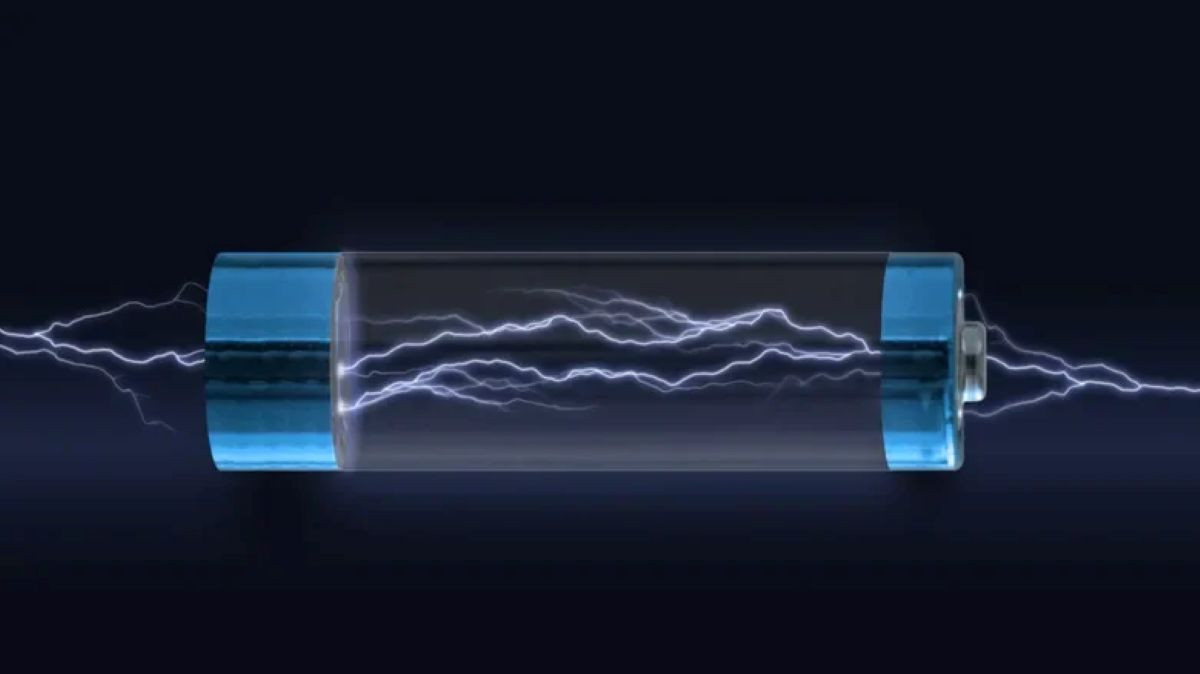
The global race for energy storage has reached what could be a major technological milestone, with Chinese scientists unveiling a water-based solution battery capable of operating for up to 120,000 charge-discharge cycles.
By comparison, today's widely used lithium-ion batteries typically begin to degrade after just 2,000 to 3,000 cycles. The new development promises to address some of the biggest challenges facing large-scale energy storage systems, including component lifespan, fire and explosion risks, and environmental impact.
The key to the battery's exceptional durability lies in replacing flammable organic solvents with a neutral, water-based electrolyte with a pH of 7.
The system uses a mixture of dissolved magnesium and calcium salts, creating a stable environment for ion transport without causing the severe electrode corrosion associated with conventional acidic or alkaline environments.
Its chemical reactions occur under extremely mild conditions, preventing the formation of dendrites - branching crystal structures that are a major cause of short circuits and capacity degradation in conventional metal batteries.
In technical terms, the 120,000 cycles recorded in laboratory testing would be equivalent to about 329 years of use if the battery were charged and discharged once a day.
Beyond its theoretically extraordinary lifespan, the battery's water-based composition also makes it highly resistant to risks such as overheating, fires and cascading explosions.
The battery cells can operate stably across a wide temperature range, while the raw materials are significantly cheaper than those required for batteries that depend on scarce metals such as cobalt or lithium.
Despite its advantages in durability and safety, however, the water-based battery still faces a major obstacle: energy density.
Its energy storage capacity by both volume and weight remains far lower than that of lithium-ion batteries, meaning the technology is not yet suitable for electric vehicles or compact mobile devices, where lightweight batteries and optimized dimensions are essential.
Experts nevertheless see the technology as an ideal solution for stationary renewable energy storage systems, or ESS, where space is less of a constraint but safety, long-term operating costs and the ability to store electricity generated by solar and wind power are critical.
The emergence of a water-based battery capable of 120,000 cycles marks a significant shift from the conventional model of periodic replacement toward the prospect of making a single investment that could serve multiple generations.
If successfully commercialized on an industrial scale, the technology could reshape global green energy storage infrastructure for centuries to come.
Dao Canh
.svg)
