 Vietnamnet.vn

 Podcast



The year 2026 marks 80 years since the first Vespa scooter was introduced in Italy by Piaggio.
What began as a practical post-war vehicle gradually evolved into one of the world’s most recognizable cultural icons.
In Vietnam, classic Vespas have become far more than aging scooters.
Over decades, they have inspired a vibrant collector culture and passionate enthusiast community that continues to thrive even as electric vehicles and modern mobility reshape urban transport.
With their distinctive two-stroke engine sound, wisps of blue smoke and monocoque steel bodies, vintage Vespas still hold a unique appeal for many Vietnamese riders.
From Italian icon to prized collector’s item in Vietnam
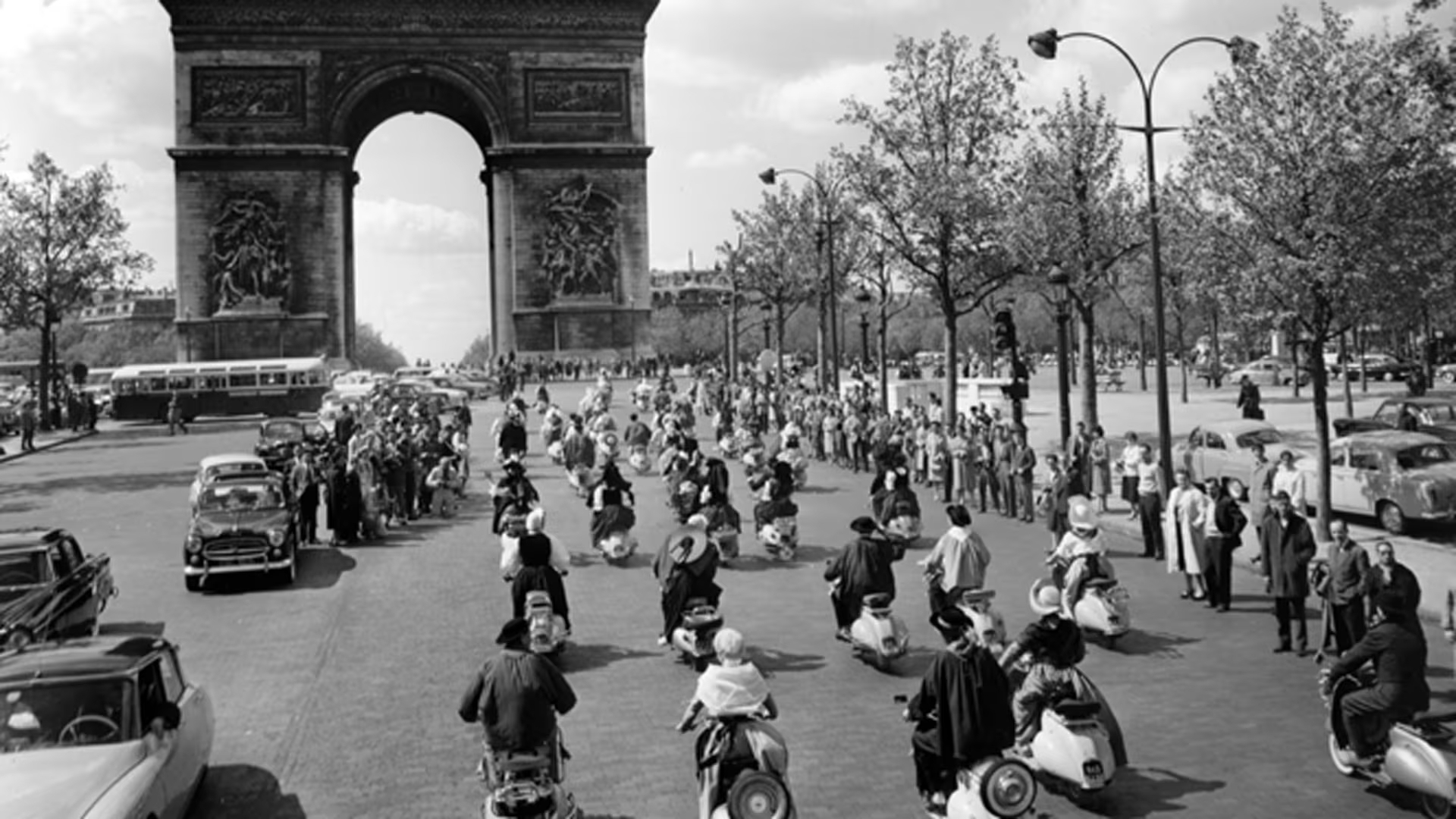
One of the earliest Vespa scooters produced after World War II is now valued at tens of billions of dong. Photo: Piaggio.
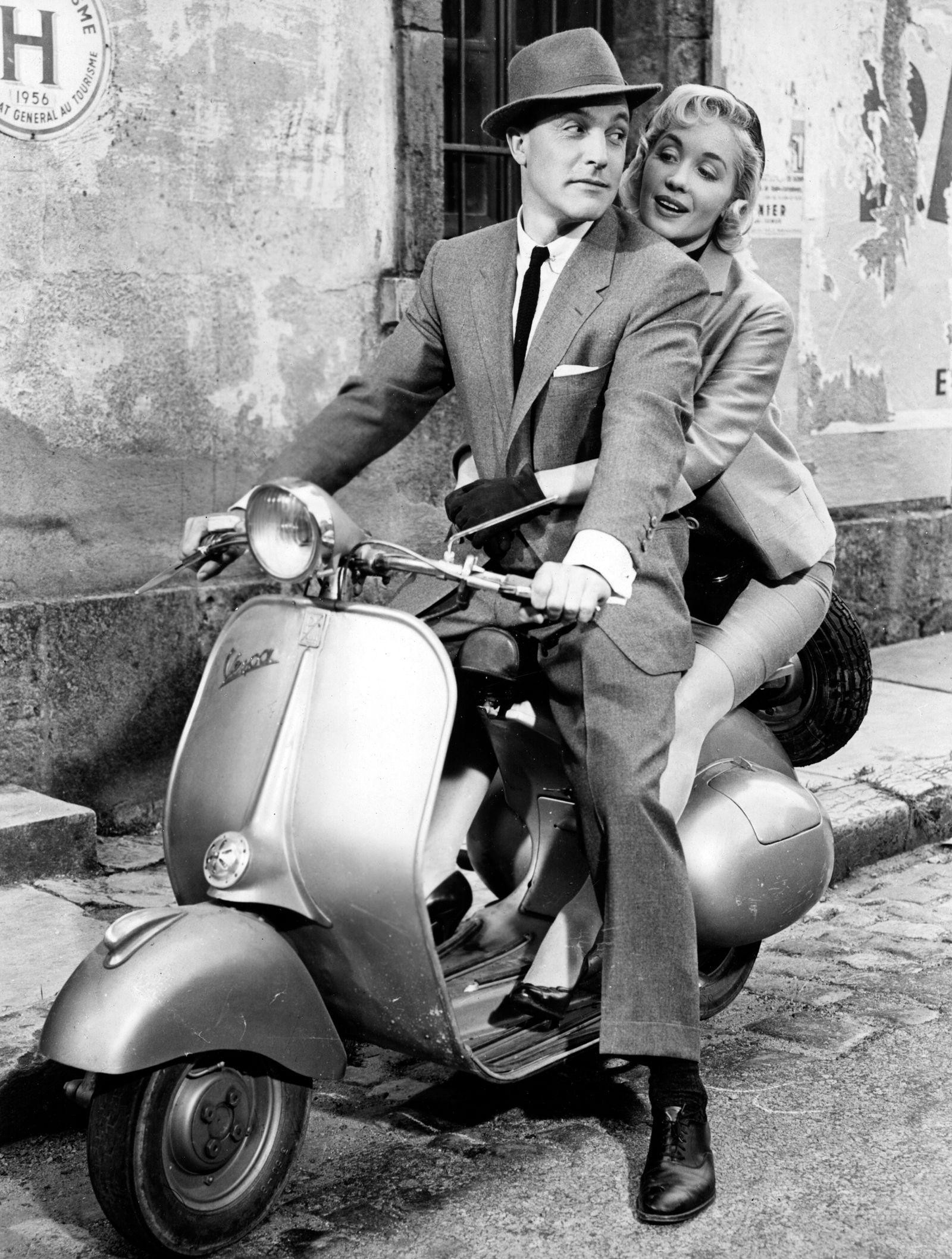
Audrey Hepburn and Gregory Peck ride a Vespa in the 1953 film Roman Holiday. Photo: Archive.
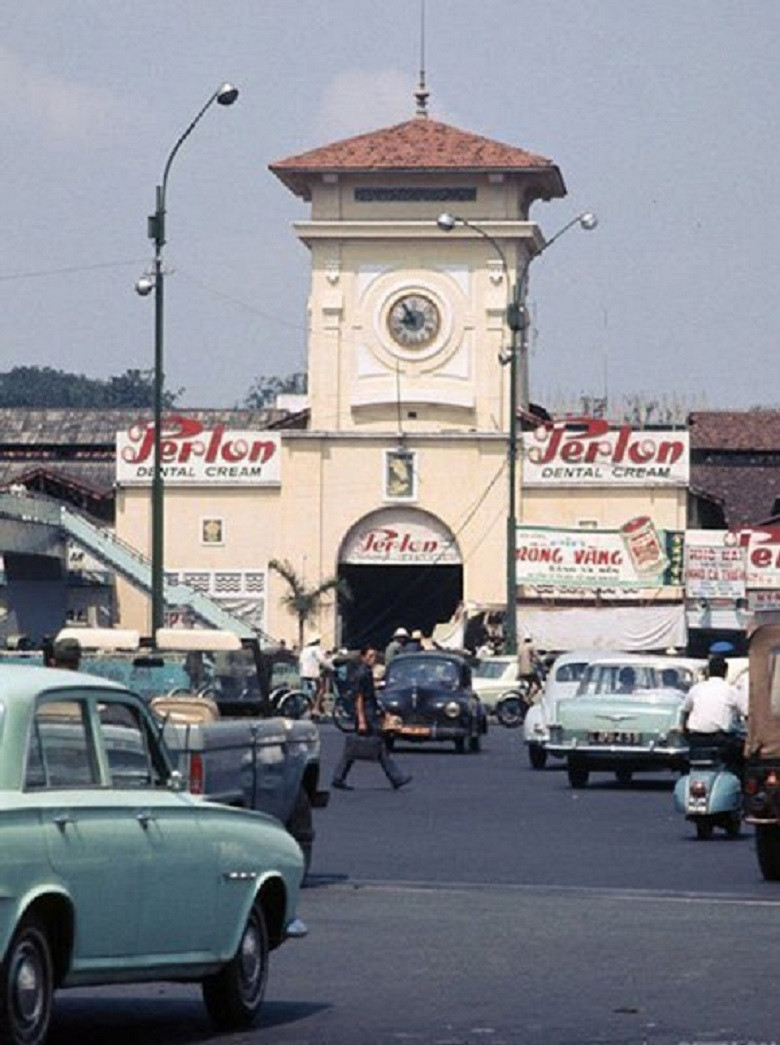
Saigon before 1975 was home to many classic Vespa scooters. Photo: Archive.
After World War II, Italy needed an affordable and practical urban vehicle.
Engineer Corradino D’Ascanio revolutionized scooter design by creating the Vespa with a unibody steel frame, flat floorboard, offset engine and elegant curves unlike the motorcycles of that era.
The name “Vespa,” meaning “wasp” in Italian, came from the scooter’s buzzing engine sound and slim rear shape.
Within just a few years, Vespa expanded beyond Europe and became a global symbol of youthful freedom and Italian elegance.
Its image was immortalized in popular culture after Audrey Hepburn rode a Vespa alongside Gregory Peck in the 1953 film Roman Holiday.
Alongside Lambretta, Vespa remains one of the few scooter brands carrying significance not only in engineering, but also in fashion, cinema and social culture.
The first Vespas arrived in Vietnam during the 1950s and 1960s, brought in by French residents and wealthy traders in Saigon.
With their European styling and steel body construction, the scooters quickly became associated with sophistication and social status.
Before 1975, owning a Vespa in southern Vietnam was often seen as a symbol of prestige.
Images of women in ao dai riding pillion on Vespa Standard, Super or Sprint models became part of old Saigon’s urban memory.
After 1975, amid economic hardship, many Vespas remained in use for daily transportation, hauling goods and even commercial services.
Despite war, shortages of spare parts and the arrival of Japanese motorcycles, classic Vespas survived remarkably well on Vietnamese streets.
Preserving mechanical memories through Vespa culture
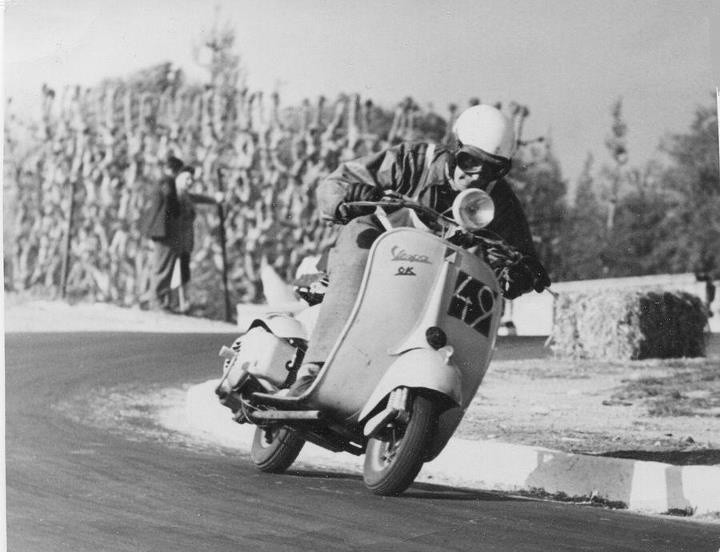
A classic Vespa competes in an international race during the 1950s. Photo: Archive.
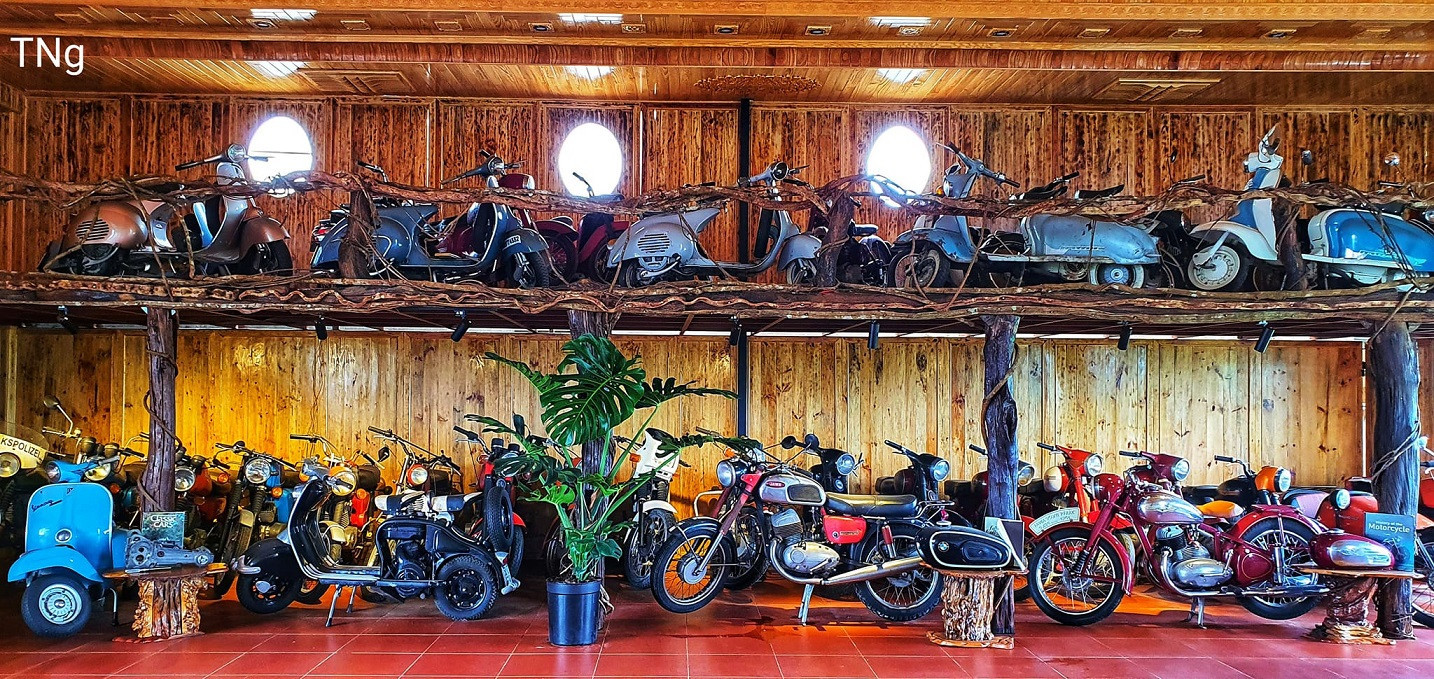
Part of Nguyen Xuan Thuy’s classic Vespa collection in Lam Dong Province. Photo: Nguyen Xuan Thuy.
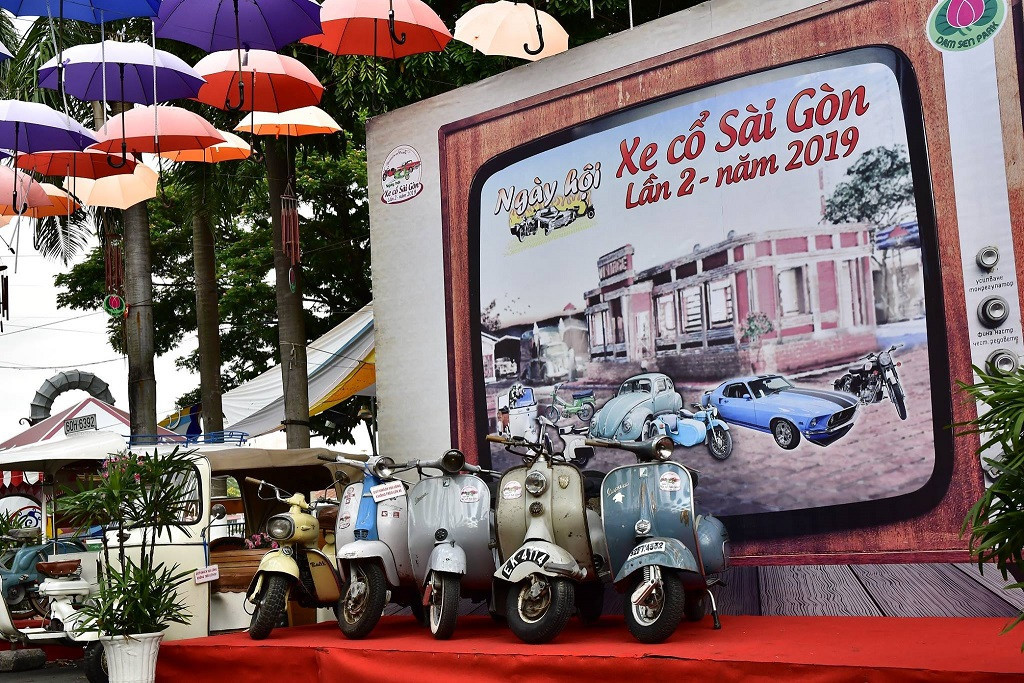
The second Saigon Classic Vehicle Festival in 2019. Photo: Nguyen Thanh Phuong.
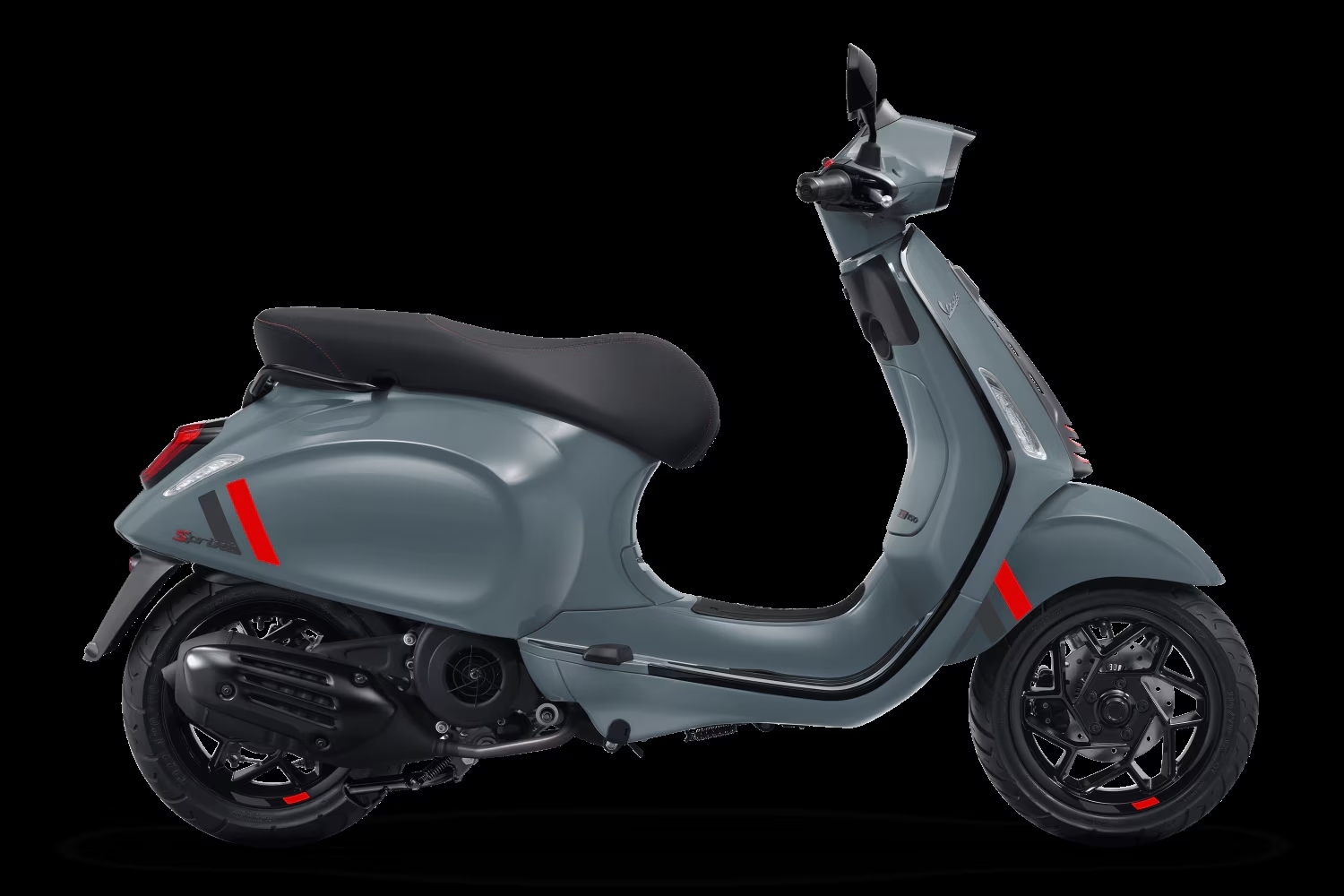
Modern Vespa models still retain their familiar vintage styling. Photo: Piaggio.
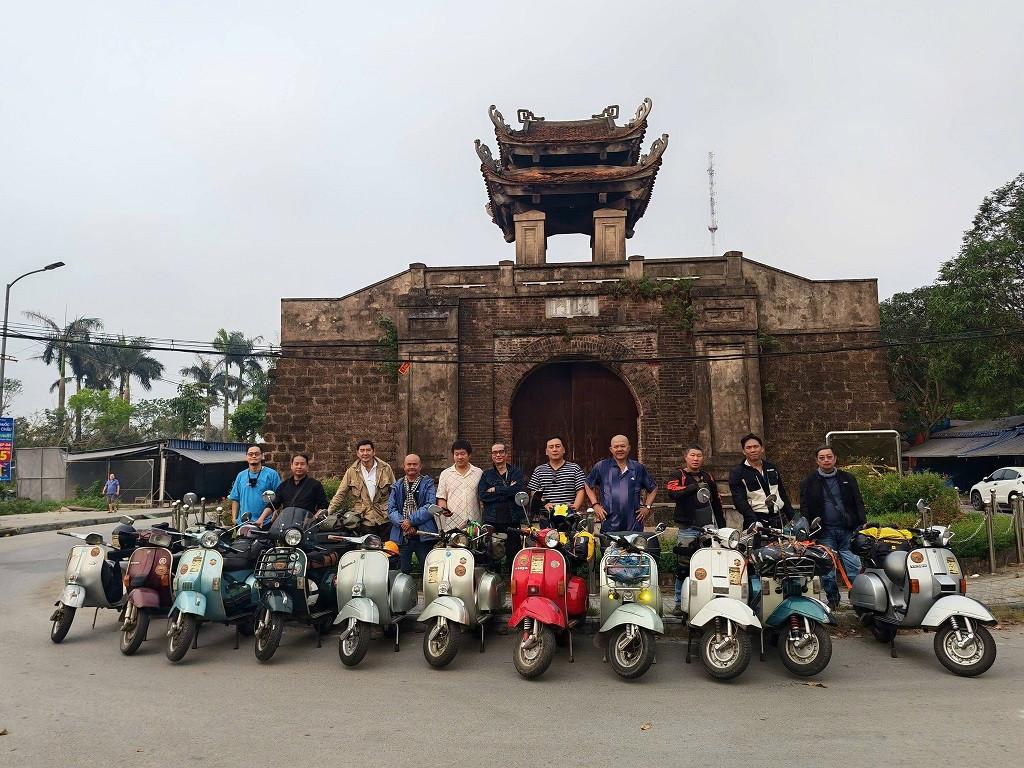
Classic Vespa enthusiasts during a cross-country journey in 2026. Photo: Tu Trung Vespa.
Unlike many modern scooters, classic Vespas possess a distinct mechanical character.
Piaggio produced a wide range of models from 50cc to 200cc, from elegant urban scooters to sportier versions used in international racing.
While Lambretta often carried a more masculine image, Vespa appealed broadly thanks to its graceful design, helping it gradually dominate the rivalry between the two Italian brands.
Vespa enthusiasts often say: “A Vespa is not just meant to be ridden, but to be felt.”
The sound of the two-stroke engine, the smell of fuel mixed with oil and the subtle vibrations of the steel frame create an experience modern scooters rarely replicate.
Over the past two decades, Vietnam’s classic Vespa scene has grown significantly.
From Hanoi and Hue to Ho Chi Minh City, Vespa clubs and communities have connected generations of Italian scooter enthusiasts.
Today, vintage Vespas are no longer restored merely for nostalgia.
Many owners have turned them into part of their lifestyle.
Classic Vespas are commonly displayed in cafés, used in wedding processions and taken on long cross-country journeys.
Even as internal combustion engines - especially two-stroke machines - face increasing restrictions in urban areas, many Vespas more than half a century old still roam Vietnamese streets daily.
From Piaggio’s factory in Pontedera to the narrow alleys of Hanoi and old Saigon, Vespa has traveled through eight decades of history while preserving its timeless charm.
More than transportation, classic Vespa scooters in Vietnam have become part of street culture, urban memory and a lasting passion for mechanical craftsmanship.
As electric mobility and digital technology become increasingly dominant, classic Vespas now carry even deeper emotional value.
For many young people, they represent slowness amid fast-paced city life and a return to authentic mechanical experiences.
That enduring connection across generations may be why Vespa remains one of the few vehicles never truly forgotten.
Xuan Thuy
.svg)
