 Vietnamnet.vn

 Podcast



Climate change and its impacts are no longer a distant threat. They are becoming increasingly evident across Vietnam’s economic and social life.
From a meteorological perspective, the signs are clear: as the planet warms, Vietnam’s average temperature is also rising, seasonal patterns are becoming more volatile, and weather patterns that were once relatively stable appear increasingly difficult to discern.
Meanwhile, extreme events are occurring more unpredictably and increasing in both frequency and intensity.
How is Vietnam’s weather changing?
The clearest manifestation of climate change is rising temperatures. Heatwaves are tending to arrive earlier and last longer, while record-high temperature thresholds continue to be broken. Temperatures are rising not only during the day but also at night, reducing the human body’s ability to recover after hours of working in extreme heat. In major cities, dense concrete development, limited greenery, fewer bodies of water and a lack of open space intensify the urban heat island effect, making heat conditions even more severe.
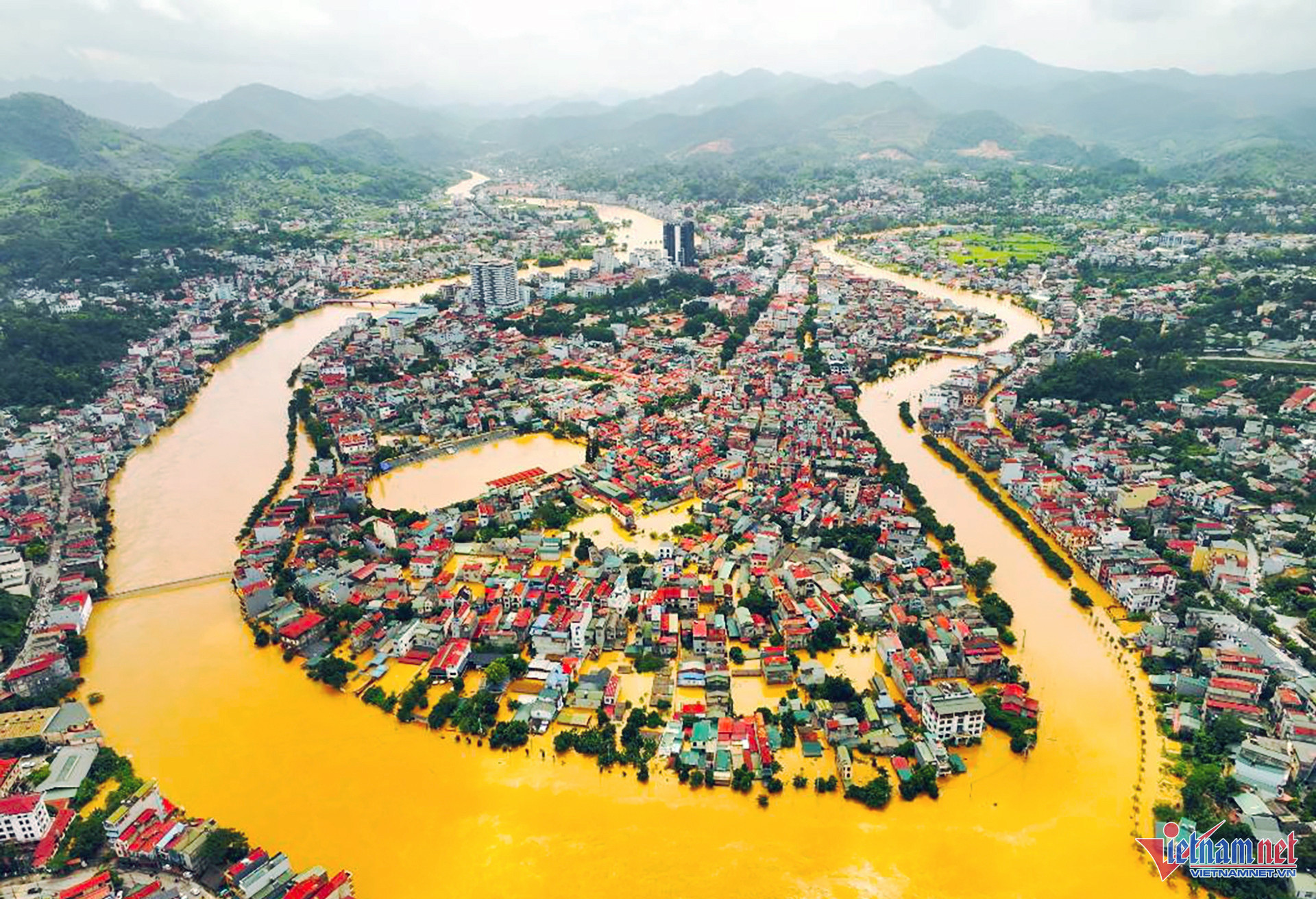
The increase in extreme rainfall events is also emerging as a major challenge. In many cases, total seasonal rainfall may remain unchanged, but precipitation is increasingly concentrated in a small number of episodes of very high intensity. Particularly severe downpours over short periods increase the risk of urban flooding, major floods in small river basins, flash floods and landslides in mountainous areas with steep terrain.
For typhoons and tropical depressions, statistical data do not indicate a clear trend in overall changes. However, there are signs of a growing risk of powerful storms that undergo sudden changes in intensity or follow complex tracks. Damage caused by storms may consequently increase due to the physical impacts of strong winds and gusts, heavy rainfall, coastal storm surges and high waves.
Drought and water shortages are also becoming more complex. Higher temperatures increase evapotranspiration, causing soil and crops to lose moisture more rapidly even when rainfall does not decline significantly. Drought reduces river flows, while water shortages can lead to excessive groundwater extraction.
When drought coincides with sea-level rise and reduced dry-season river flows, the risk of saltwater intrusion increases. The combination of drought, higher temperatures and extreme heat represents a form of compound risk that can seriously affect water security, agricultural production and economic development more broadly.
Why is the weather becoming harder to forecast?
Climate change has led to uneven warming across different regions of the Earth, altering atmospheric and ocean circulation systems. Although forecasting models continue to rely on systems of equations describing processes within the climate system, changes in these circulation patterns have increased the non-stationarity of those processes and amplified small-scale signals. As a result, empirical formulas based on past climate conditions and used in parameterisation schemes may no longer be entirely appropriate.
Events often described as “unusual”, such as unseasonal heavy rainfall or heatwaves arriving earlier than expected, generally differ from what people have become accustomed to observing in terms of timing, location or intensity. In many cases, they result from interactions among multiple atmospheric systems operating at different scales, ranging from global oscillations such as ENSO to monsoons, subtropical high-pressure systems, cold air masses, topography and regional sea-surface conditions.
One of the greatest challenges is forecasting small-scale phenomena that develop rapidly and are highly localised, such as extreme rainfall. Even a slight error in predicting where or when convective clouds will form can result in substantial differences in actual rainfall. The challenge is compounded by an observation network that is not yet sufficiently dense, radar and satellite data that have yet to be fully integrated, limitations in numerical forecasting models over complex terrain, and constraints on high-resolution computing capacity.
The challenge becomes even greater when forecasts extend beyond the 10-day horizon. Yet “difficult to forecast” should not be taken to mean that forecasts no longer have value. On the contrary, forecasting science is advancing rapidly, but it needs to move away from purely deterministic forecasting towards probabilistic and ensemble forecasting.
How should disaster forecasting and warning systems evolve?
First, Vietnam needs to continue modernising its observation network, particularly in mountainous and coastal areas, on islands and across small river basins. Data from automatic weather stations, weather radar and satellites need to be integrated and synchronised.
Second, the country needs to strengthen its high-resolution modelling capacity, develop ensemble forecasting systems and combine dynamical models with artificial intelligence. AI can help correct forecasting errors, identify hazardous weather patterns and process large datasets, but it should not be regarded as a complete replacement for physics-based models. A more appropriate direction is to develop hybrid forecasting systems that combine knowledge of atmospheric dynamics with AI’s ability to learn from data.
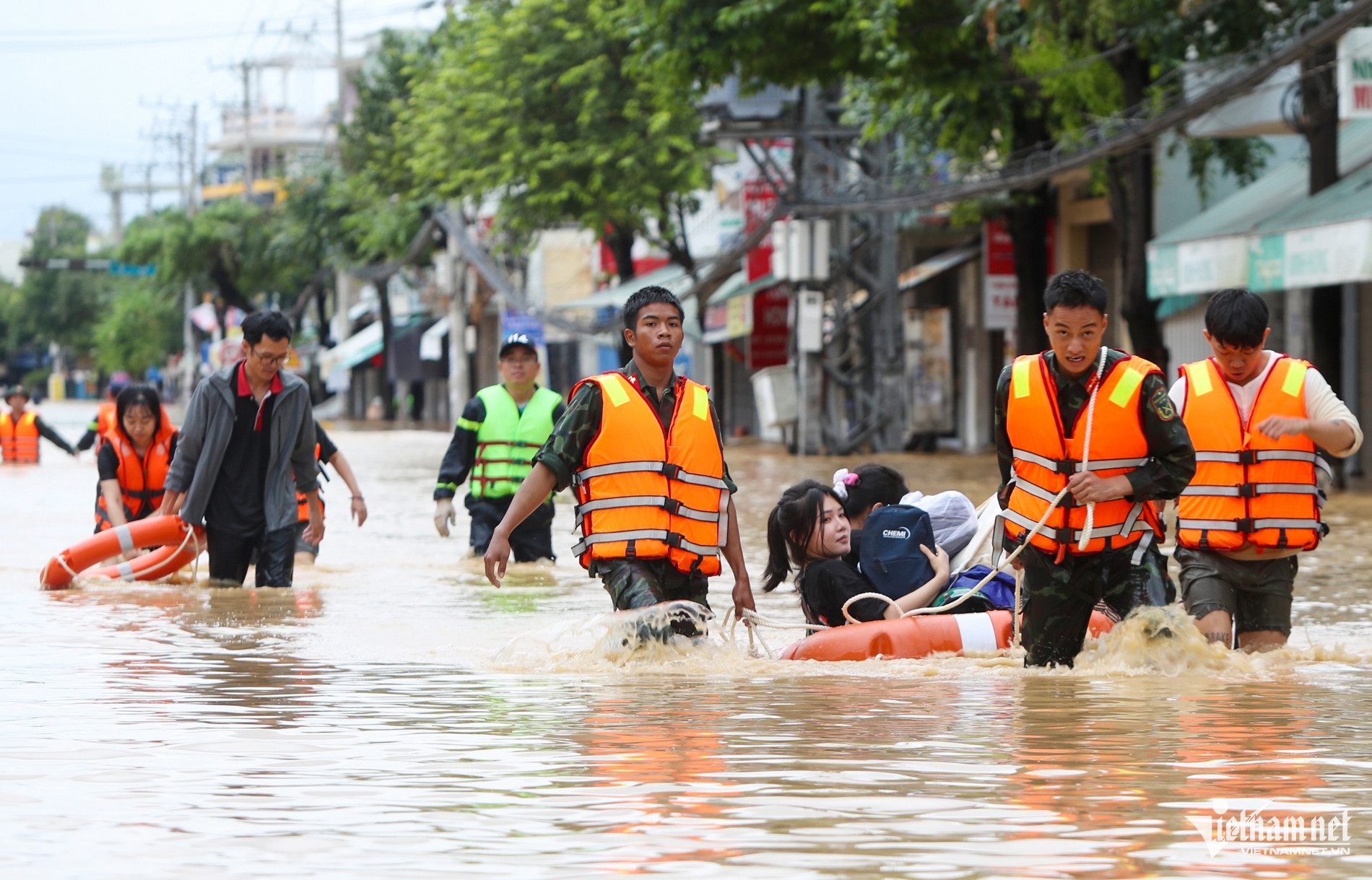
Third, forecasting needs to shift from predicting weather phenomena to impact-based forecasting. Users need to know not only how many millimetres of rain may fall, but also which areas are at risk of flooding, which roads could be cut off, which reservoirs may require regulation and which communities may need to be evacuated. Warnings must be tailored to different audiences and communicated in clear, accessible language, accompanied by specific guidance on what action to take.
Finally, regardless of how accurate forecasting models become, they cannot replace the role of human forecasters. Producing reliable, high-quality forecasts requires skilled and experienced professionals who are deeply committed to their work. This, in turn, depends on human-resource development as well as mechanisms and policies capable of attracting and retaining talented professionals.
Adaptation measures that should be prioritised
Over long timescales - decades or even hundreds of years into the future - climate change will unfold gradually, making its progression difficult to perceive directly. Adaptation under these circumstances must therefore be based on climate change scenarios.
All development planning needs to incorporate projections of future climate conditions. Vietnam should prioritise upgrading resilient infrastructure, including urban drainage systems, retention lakes, sea dykes and landslide-prevention structures, while expanding nature-based solutions such as restoring upstream forests and mangroves and preserving areas capable of storing excess water.
In agriculture, cropping patterns and seasonal calendars need to be adjusted and shifted, drought-, heat- and salt-tolerant varieties should be used, and water-use efficiency must be improved. Urban planning must account for scenarios involving extreme heat, intense rainfall, flooding and sea-level rise throughout the entire lifecycle of infrastructure.
However, to respond proactively to extreme events, improving forecast quality and extending forecast lead times are becoming even more urgent and important. Earlier and more accurate forecasts can significantly reduce losses and may be regarded as an effective way of contributing to GDP growth.
People need to change both awareness and action
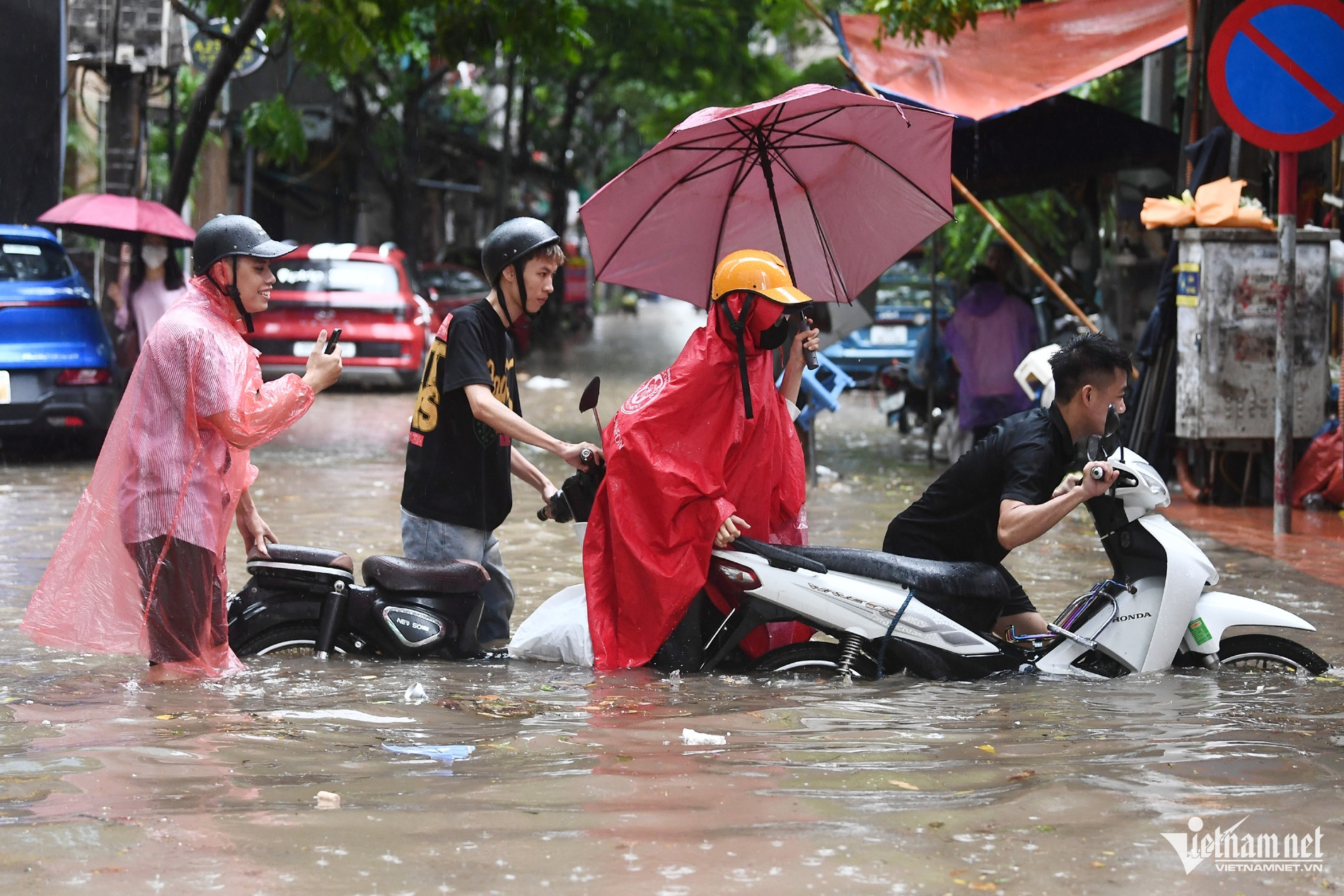
As extreme events become more frequent, volatile and difficult to anticipate, people need to move from passive response towards proactive risk management. Every household should understand the hazards facing the area where they live, know where they can evacuate to, what essential supplies they should prepare and whom to contact in an emergency.
People also need to follow weather forecasts and understand that uncertainty is inherent in forecasting information. They should not wait until danger has already materialised before taking action. A warning indicating a high probability of an event provides a basis for preparation, but it is not an absolute prediction.
Climate change is a long-term challenge. Reducing the damage it causes therefore requires coordination among the State, scientists, businesses, local authorities and individual citizens. Society’s capacity to adapt will depend not only on the quality of technology, but also on how ready people and institutions are to act before disasters strike.
Prof. Dr. Phan Van Tan
(Meritorious Teacher and a leading expert in meteorology, hydrology and climate change at the University of Science, Vietnam National University, Hanoi)
.svg)
