 Vietnamnet.vn

 Podcast



Standing tall on Nui Nho (Small Mountain) in Vung Tau Ward, Ho Chi Minh City, the Christ the King statue is not only an architectural landmark but also a popular spiritual destination drawing visitors from across the country.
Construction of the statue began in March 1974 and it was officially inaugurated in November 1994. It remains one of Vietnam’s largest religious architectural works.
Previously located in Ward 2 of Vung Tau City, Ba Ria - Vung Tau Province, the area was later re-designated as Vung Tau Ward under Ho Chi Minh City’s administration.
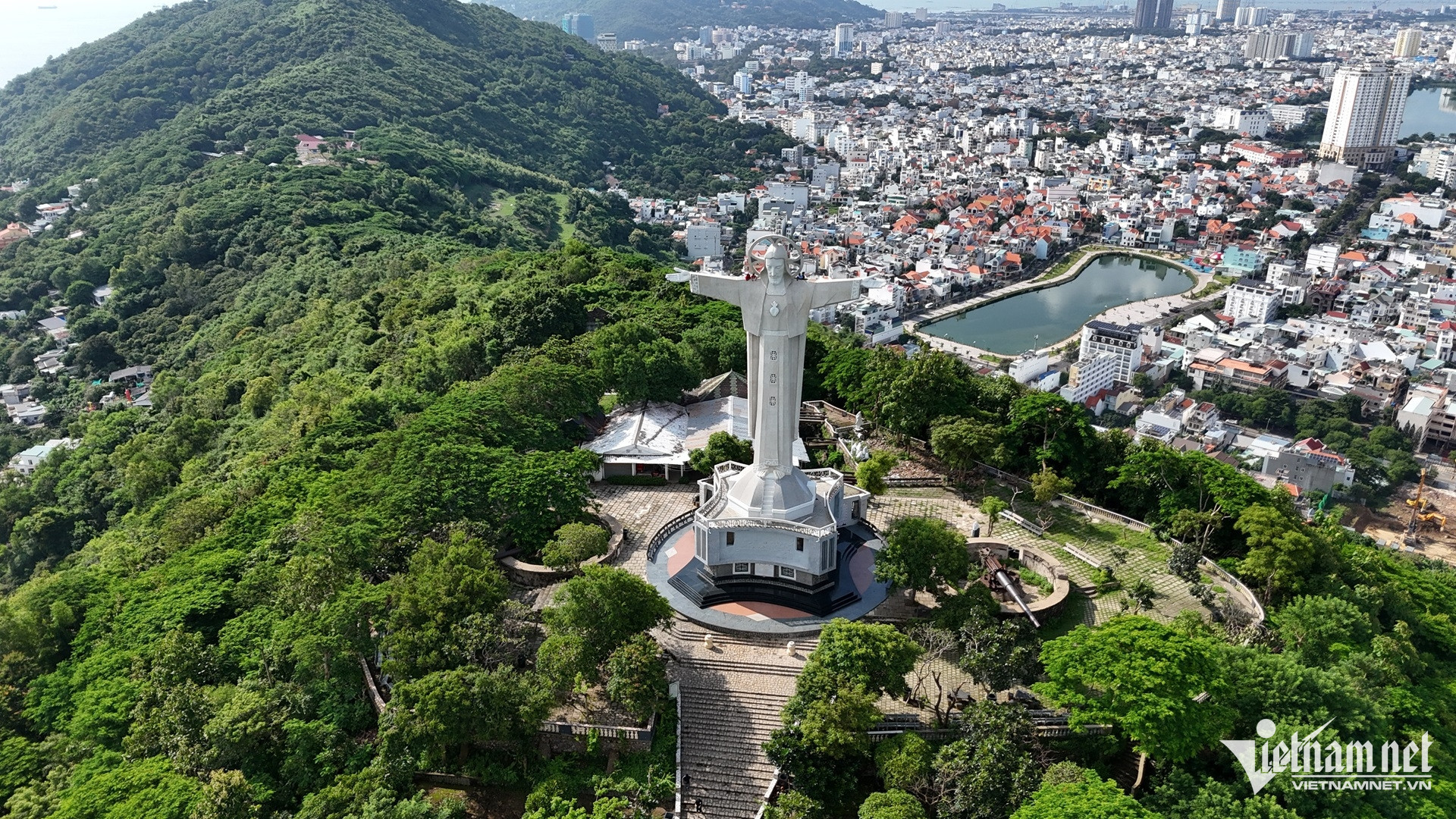
The statue sits atop Nui Nho, also known as Tao Phung Mountain, and stands 32 meters high (approximately 36 meters including its pedestal), with an arm span of 18.4 meters. Designed in a modern style, it conveys a sense of strength and solemnity amid the vast natural surroundings.

According to VietNamNet reporters, hundreds of tourists and pilgrims visit the site every weekend. The statue is open daily from 7:00 a.m. to 5:00 p.m., Monday through Sunday.
The path leading to the statue curves gently around the mountainside, shaded by dense greenery and offering fresh, cool air. Along the way, visitors can pause to reflect at 14 Stations of the Cross - symbolizing the journey of Jesus Christ.
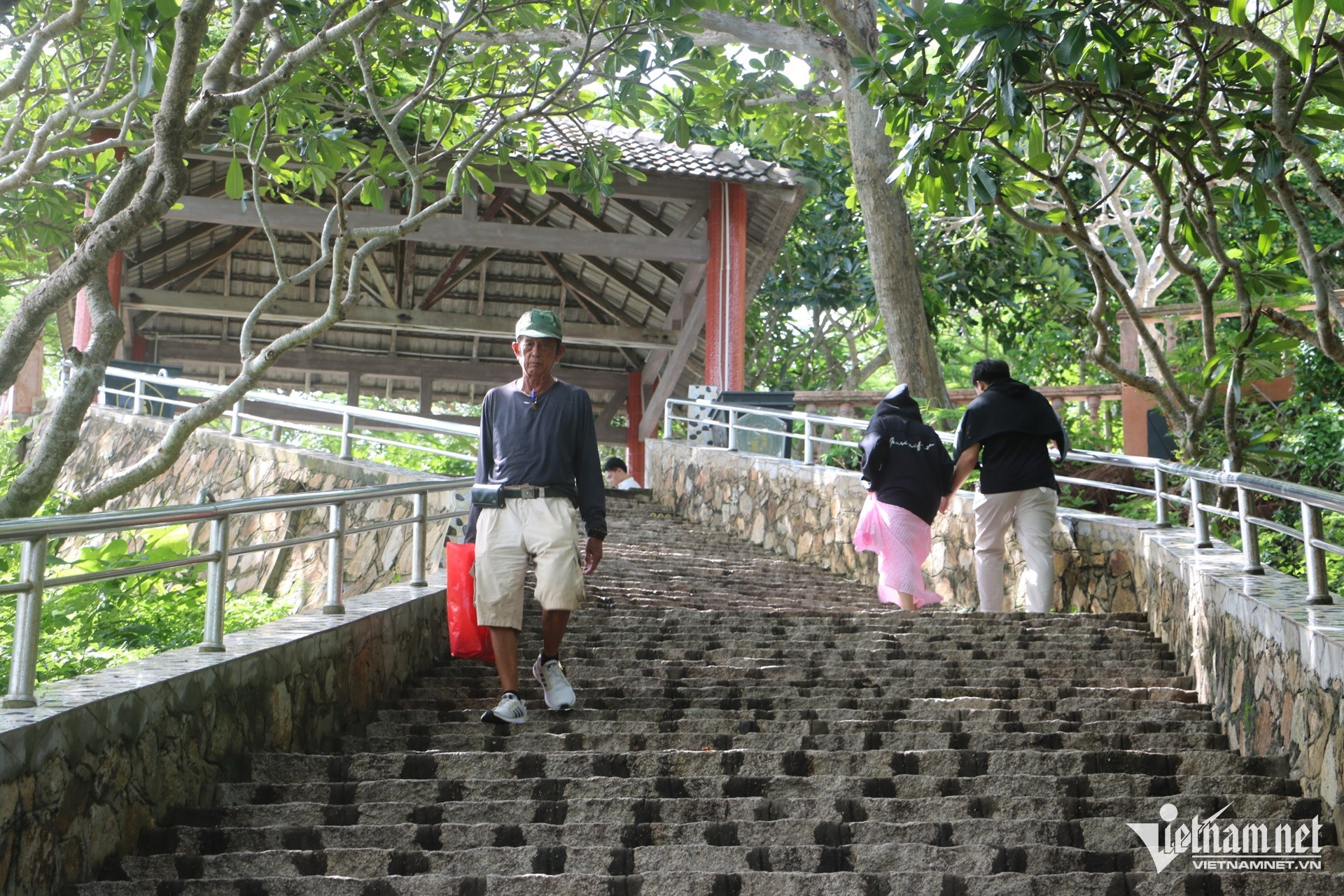
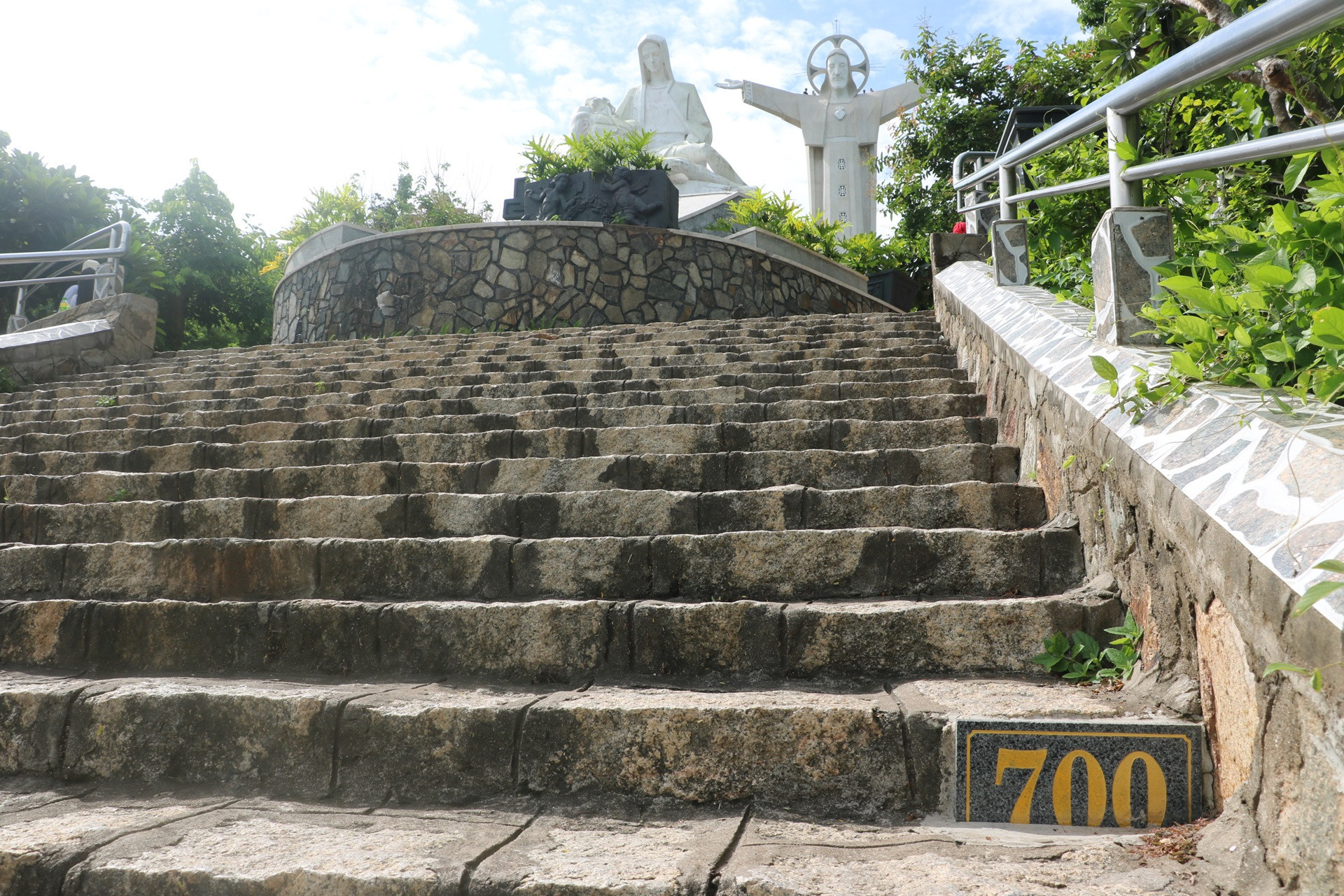
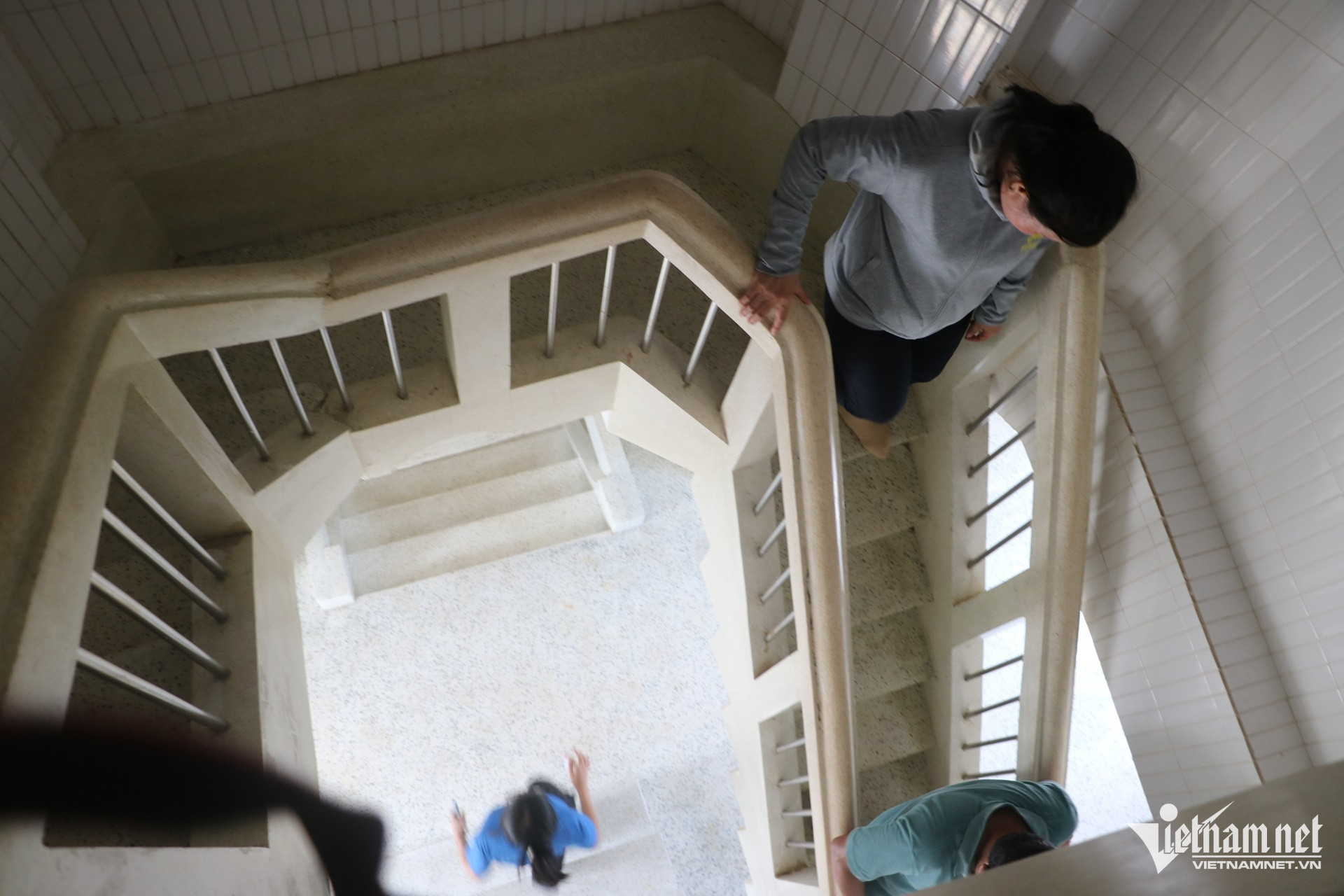
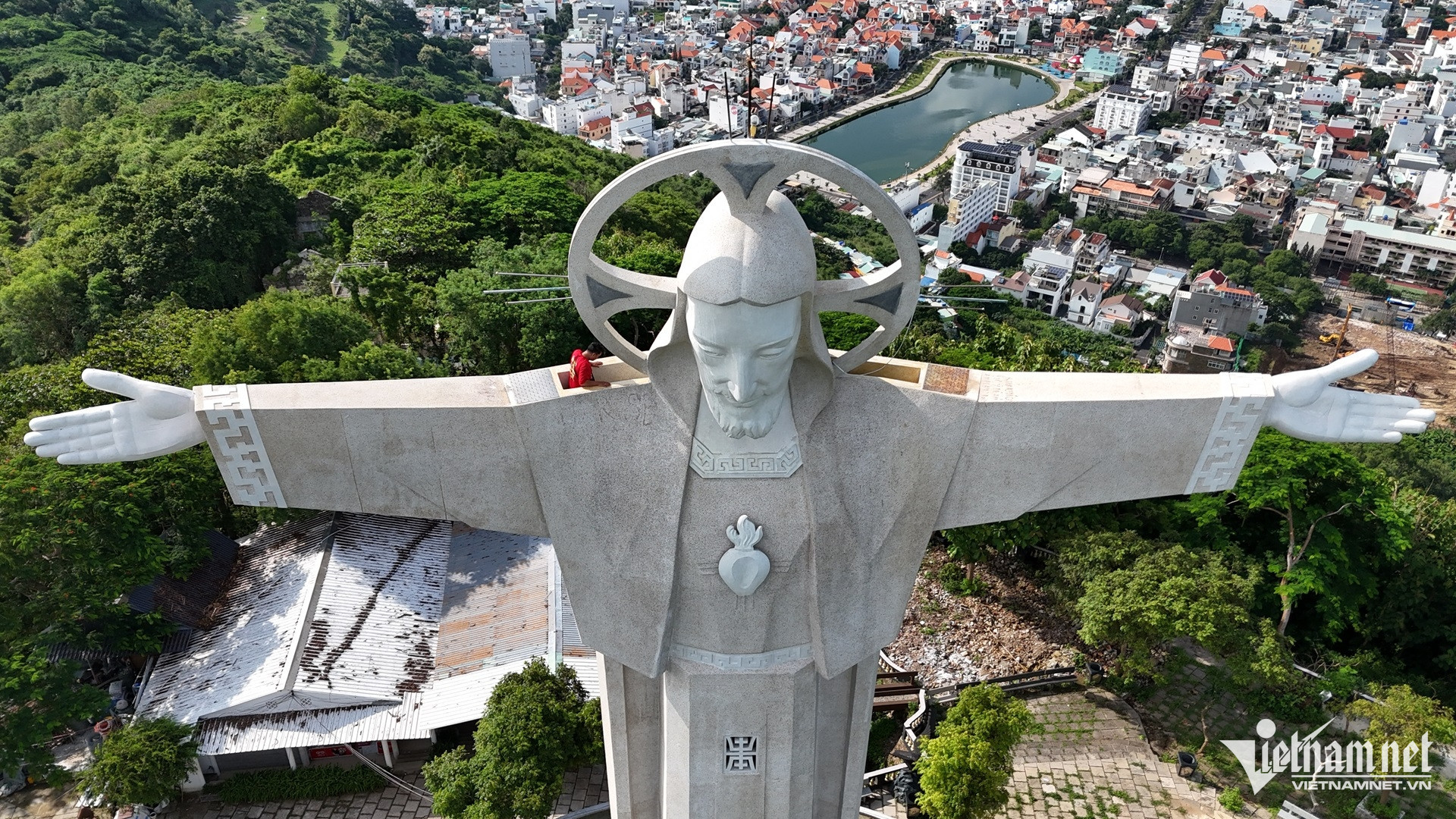
Amid the blue skies, the white statue stands upright with arms outstretched as if embracing the entire coastal city of Vung Tau, creating a scene that is both majestic and sacred.
Directly below the statue, three cannons from an old military outpost on Nui Nho are preserved. Each cannon is housed in a reinforced underground bunker.
To preserve the sanctity of the site, the management team broadcasts reminders for visitors to refrain from littering and to maintain order during their visit.
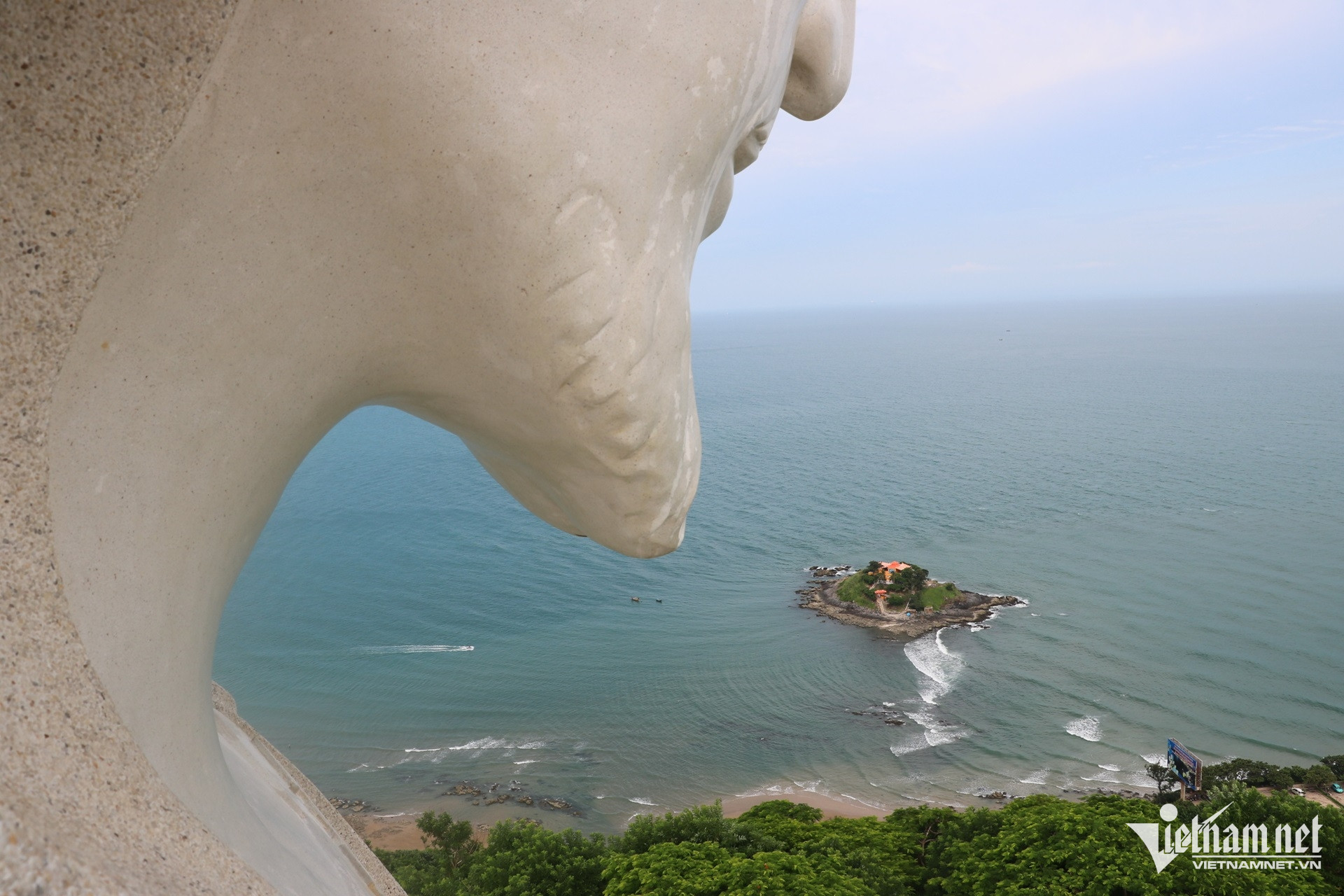

Trinh Thu Trang, a 28-year-old visitor from Hanoi, shared: “I’ve traveled to many places, but few offer the same sense of serenity and grandeur as here. Standing on the statue’s shoulder and taking in the entire Vung Tau coastline is simply breathtaking.”
Not only a pilgrimage site for Catholic followers, Christ the King has also become a signature tourist attraction of Vung Tau, drawing a large number of visitors.
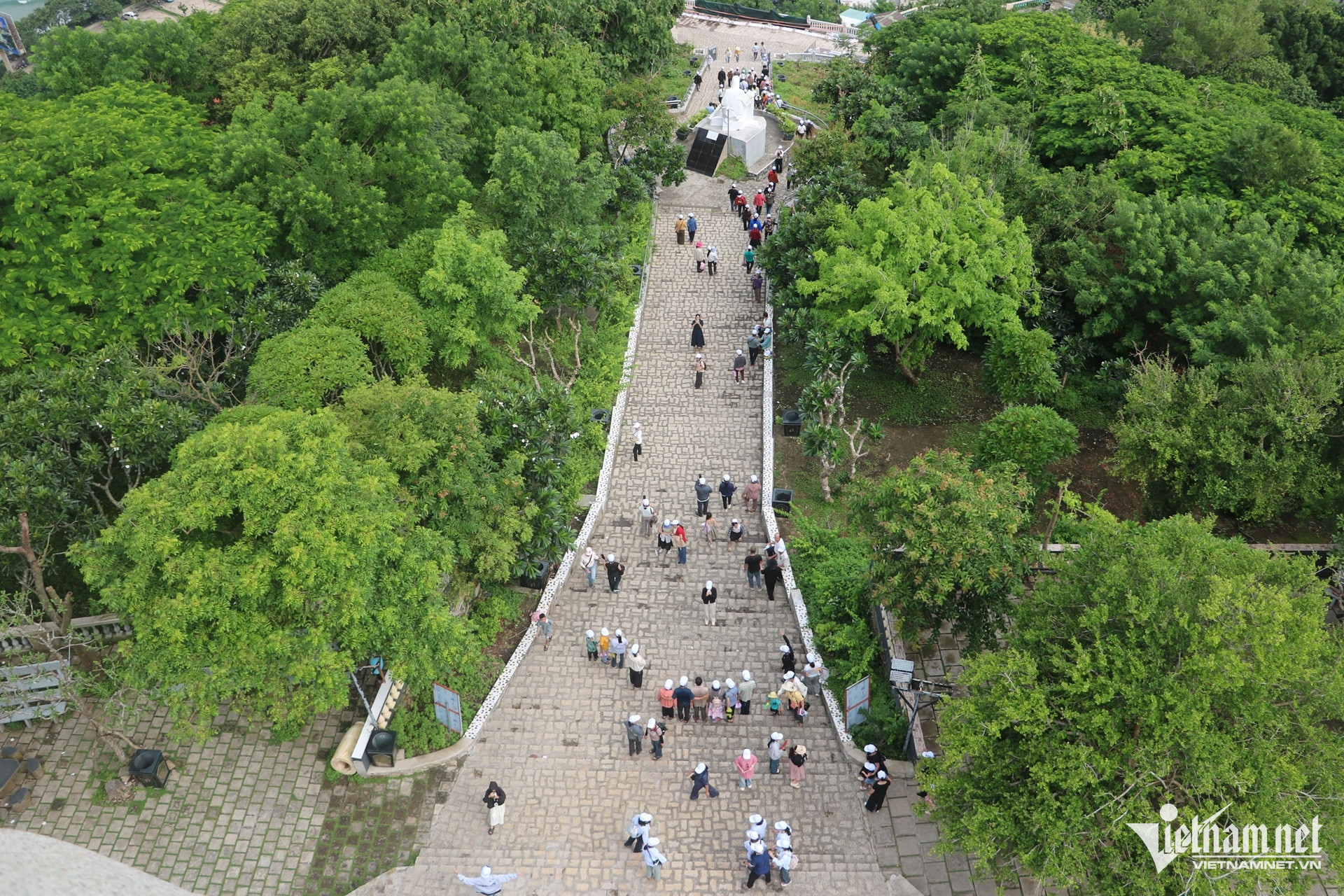
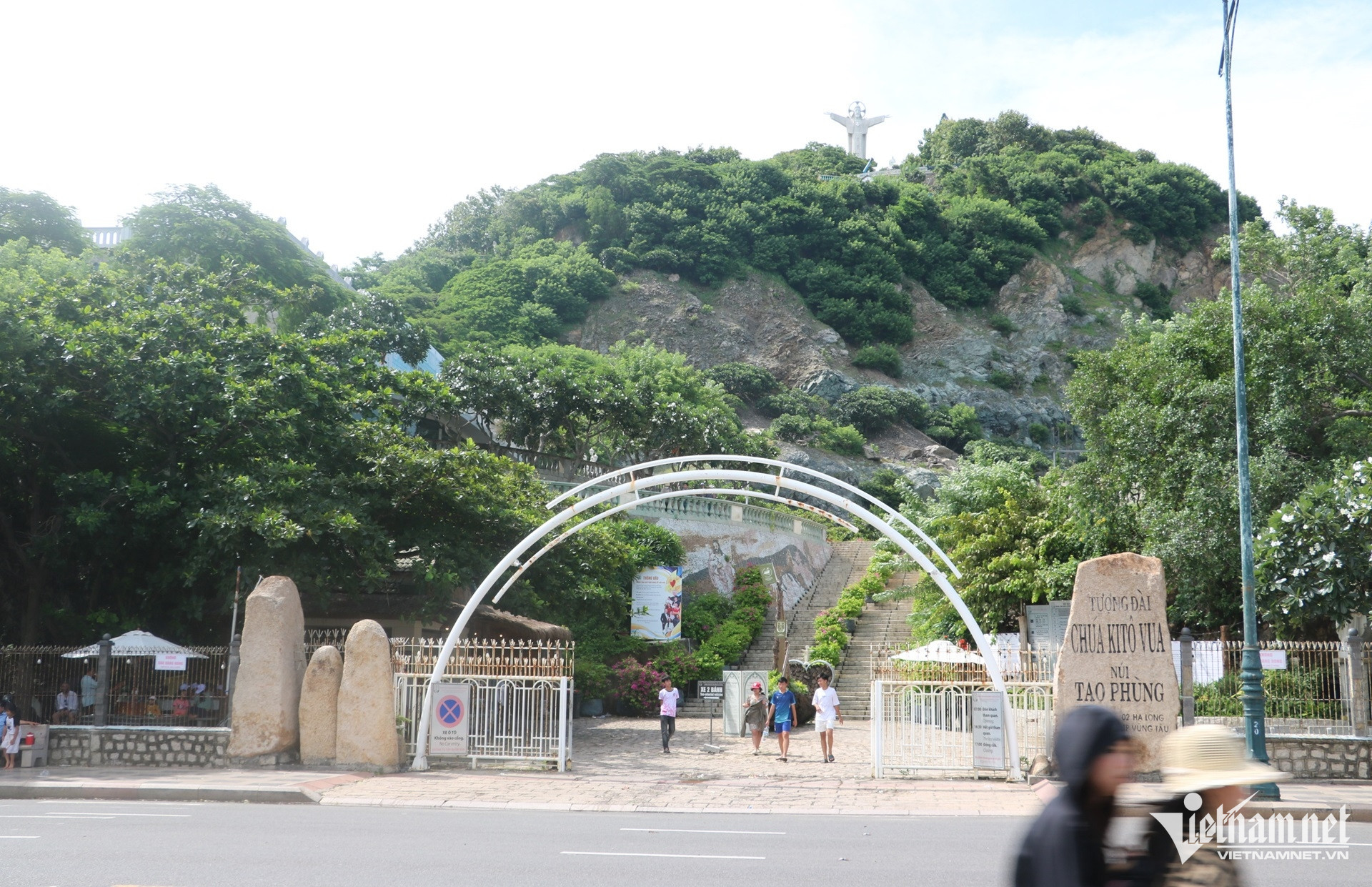
According to the Management Board of the Christ the King Pilgrimage Center, the statue welcomes nearly 1,000 visitors daily, with even higher attendance during holidays and weekends.
“In the near future, the center plans to organize exhibitions featuring religious and local cultural art to share and promote the site’s historical value with visitors,” the board stated.
Quang Hung
.svg)
