 Vietnamnet.vn

 Podcast



On the morning of November 6, a working delegation of the Standing Board of the HCM City Party Committee, led by Dang Minh Thong - Deputy Secretary of the municipal Party Committee and Standing Deputy Head of the Steering Committee for the development of science and technology, innovation, and digital transformation in HCM City - visited and held a working session at the CMC Creative Space (CCS) complex in the Tan Thuan Export Processing Zone, District 7.

The session aimed to review the implementation of Resolution 57 on promoting science and technology, innovation, and digital transformation, and Resolution 68 on enhancing the role of the private economy.
Also attending were Nguyen Xuan Thuy - Deputy Chief of Office of the City Party Committee; Nguyen Huu Yen - Deputy Director of the Department of Science and Technology; Nguyen Duc Chung - Deputy Director of the City Digital Transformation Center; and Nguyen Duc Huy - Deputy Director of the HCMC Center for the Fourth Industrial Revolution.
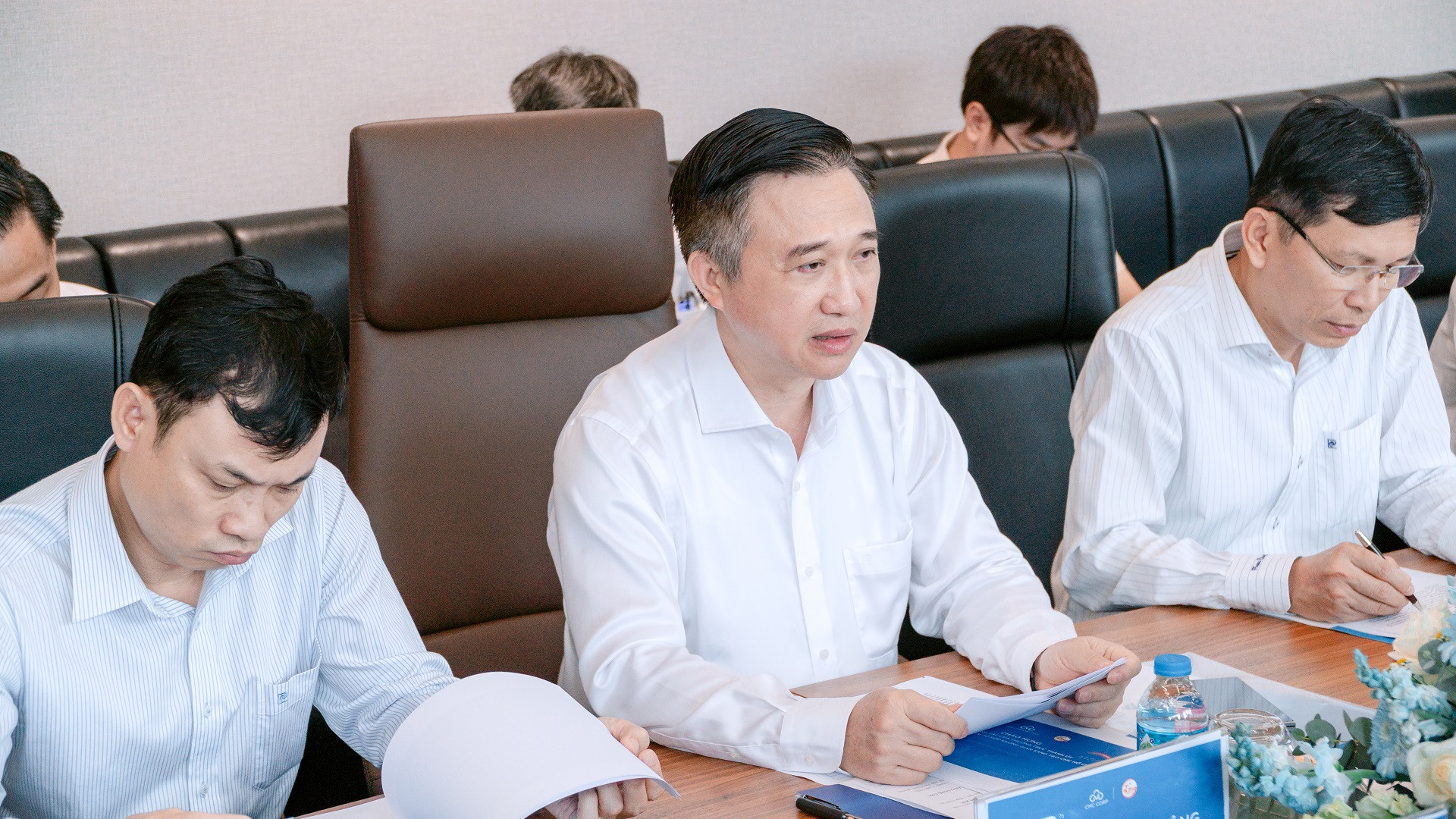
On the CMC side, the meeting was chaired by Nguyen Trung Chinh - Chairman of the Board and Executive Chairman of CMC - along with leaders from CMC TS, CMC Telecom, CMC ATI, CMC University, and CMC CS.
CMC emphasized its selection as one of eight organizations partnering with ministries and central agencies to implement Resolutions NQ57 and NQ68. CMC not only participated from the policy-formulation stage but also sits on Steering Committee 57.
At the meeting, CMC proposed that the city support three priority areas: talent development, connectivity and data infrastructure, and streamlined mechanisms for executing digital projects.
The company suggested establishing a branch of CMC University in HCMC and allowing training and research activities at CCS Tan Thuan from 2026, with a focus on AI and semiconductor design to meet the demand for high-quality tech talent.
Regarding infrastructure, CMC requested that administrative barriers be removed for two planned neutral landing stations for subsea fiber-optic cables in Vung Tau and Can Gio.
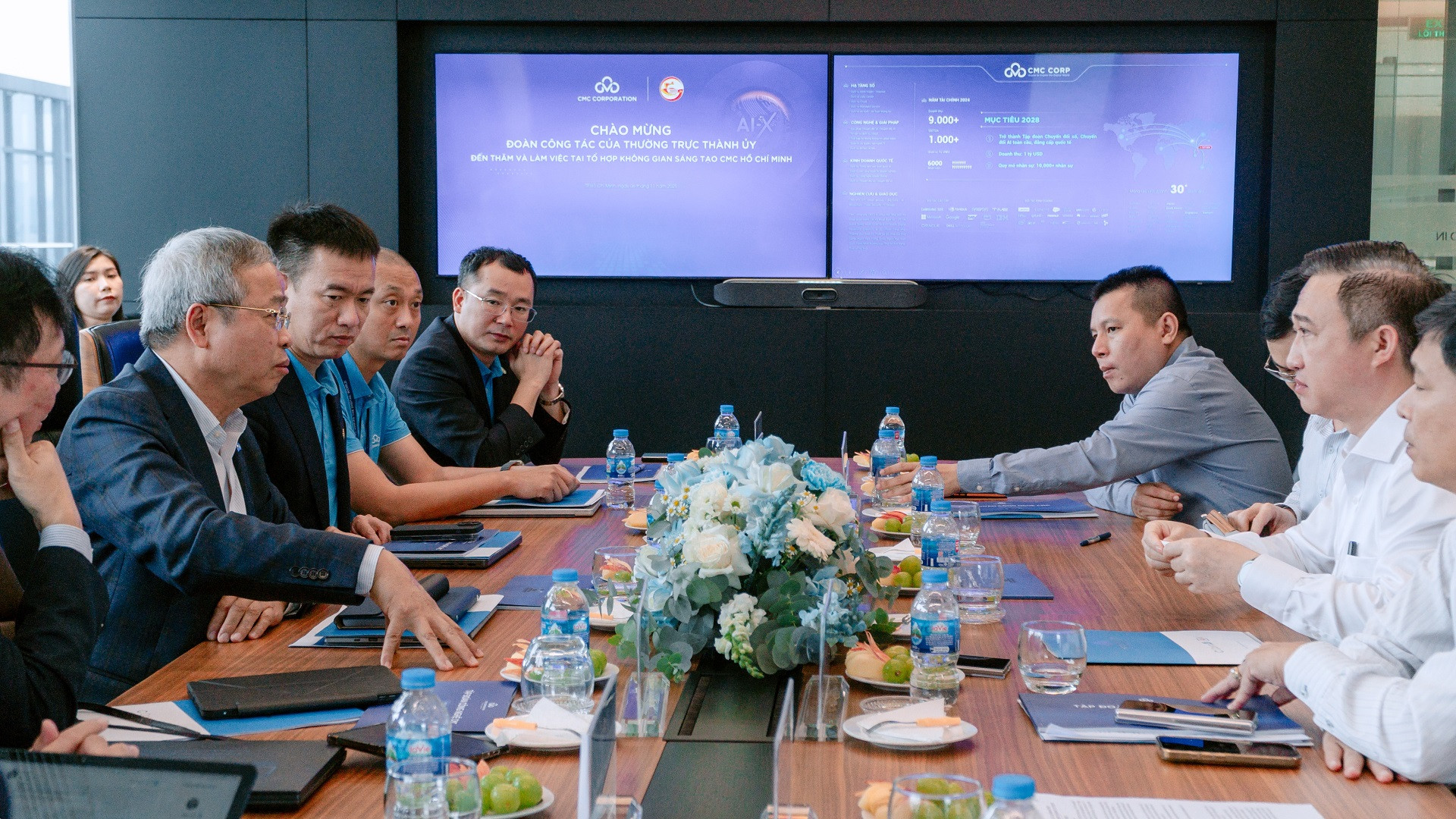
The company also proposed studying the creation of a CCS HCMC complex in Can Gio as an integrated science-technology-innovation urban model that combines R&D, data centers, AI and cloud services, education, and high-tech services.
Concerning the CMC Hyperscale Data Center at Saigon Hi-Tech Park, the company requested early approval for investor selection so that construction on Phase 1 can begin in 2026.
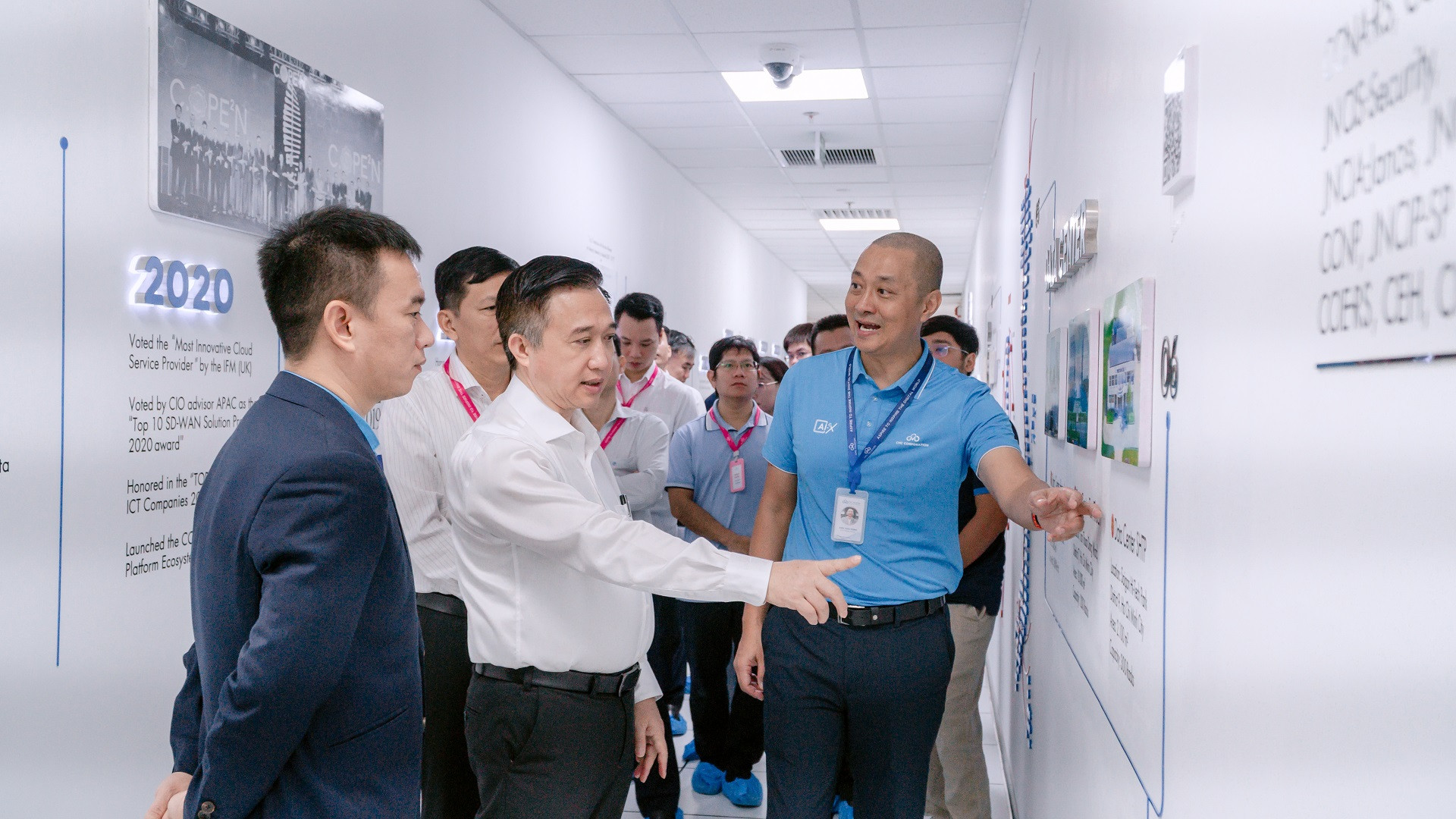
The delegation also visited the CMC Tan Thuan Data Center - the first in Vietnam to concurrently achieve international Uptime Tier certifications across all three categories: Design, Facility (Construction), and Operations.
Alongside infrastructure priorities, CMC presented its “AI First” strategy and ongoing collaboration with the Center for the Fourth Industrial Revolution (C4IR) to develop an AI Transformation Framework for HCMC.
This would be the first AI strategy framework at a local level in Vietnam.
CMC urged the city to move forward without waiting for the national AI framework, which depends on the future passage of an AI Law. The company recommended announcing the AI Transformation Framework at the HCMC Economic Forum (HEF) in November 2025.
To support this, CMC proposed a 2026–2028 pilot program showcasing “made by CMC” platforms. These include C-Agent (AI-powered assistants for process automation), C-LS (AI legal document review), digital operations platforms, AI surveillance cameras, smart document systems, digital transformation rankings, open tax data platforms, private cloud infrastructure, and classified information security systems.
Notably, the C-LS platform has already been approved by the Office of the National Assembly and is being considered for deployment to People’s Councils at all levels. A pilot implementation is also underway with the Ministry of Justice.
CMC also proposed integrating its AI Office and C-LS platforms as intelligent assistants into the Party Committee and People’s Committee administrative systems.
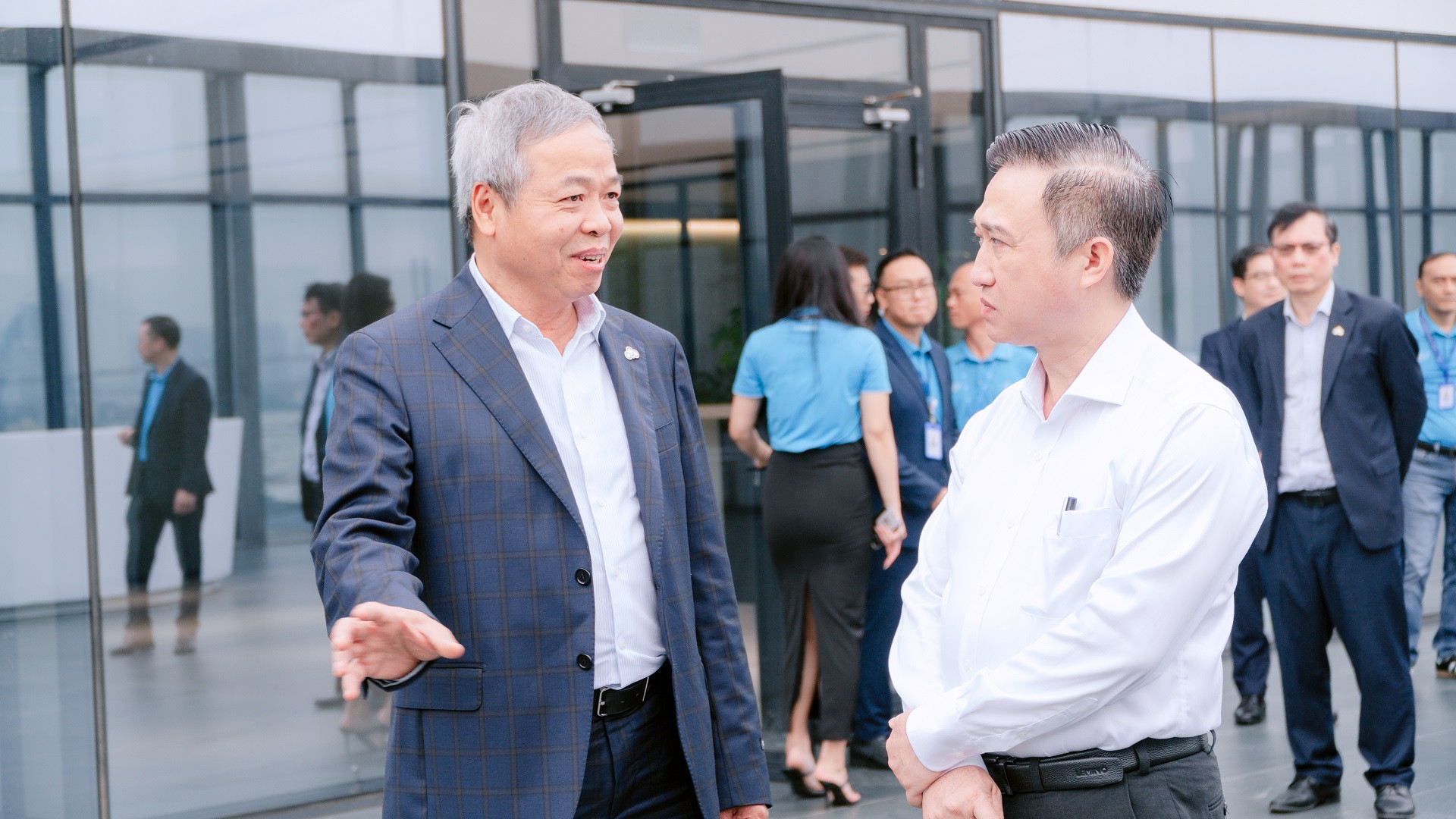
Speaking at the meeting, Deputy Secretary Dang Minh Thong praised CMC’s business achievements and technology roadmap, especially the development of core “Make in Vietnam, Made by CMC” AI capabilities.
He affirmed that the Standing Board of the City Party Committee will closely monitor all proposals and direct relevant agencies to conduct in-depth studies and provide actionable implementation plans, especially for pilot models that can deliver rapid results in public services and digital economy development.
On behalf of CMC, Chairman Nguyen Trung Chinh expressed appreciation for the city’s attention and support for pioneering technology enterprises.
He reaffirmed the Group’s commitment to fully mobilize resources to contribute to the development of Ho Chi Minh City and the broader national digital economy.
Founded in 1993, CMC is currently ranked among the top two technology firms on Vietnam’s stock exchange (according to Forbes Vietnam 2024–2025).
The group operates across four key pillars: Technology and Solutions, Digital Infrastructure, Global Business, and Research and Education.
Under its AI-X strategy and Go Global orientation, CMC is building a comprehensive digital product and service ecosystem, with deep investment in data, cloud computing, and data centers.
It is also developing C-OpenAI, a platform with 25 core technologies including large language models (LLM), computer vision, speech and voice processing, datalakehouse architecture, intelligent search, and cybersecurity - aimed at enabling industry-specific AI co-creation.
According to its consolidated financial statements for the first half of the 2025 fiscal year (ending September 30, 2025), CMC recorded revenue of approximately USD 186 million (VND 4,630 billion), up 16.3 percent year-on-year, with pre-tax profit reaching USD 10.96 million (VND 273 billion), up 37 percent.
In Q2 FY2025 alone, profit after tax grew by 49 percent year-on-year, driven by operational efficiency and cost optimization.
PV
.svg)
