 Vietnamnet.vn

 Podcast



At the National “Make in Vietnam” Forum 2025, held on the afternoon of December 30, CMC Technology Group captured national attention with its leadership in two key missions slated for 2025: CMC AI Cloud and CMC OpenAI/CLS.
Alongside this, CMC also announced its registration for six additional national-level technology missions for 2026. Among them, the C-HEALTH platform has already been selected by the Ministry of Science and Technology as a national mission for 2026.
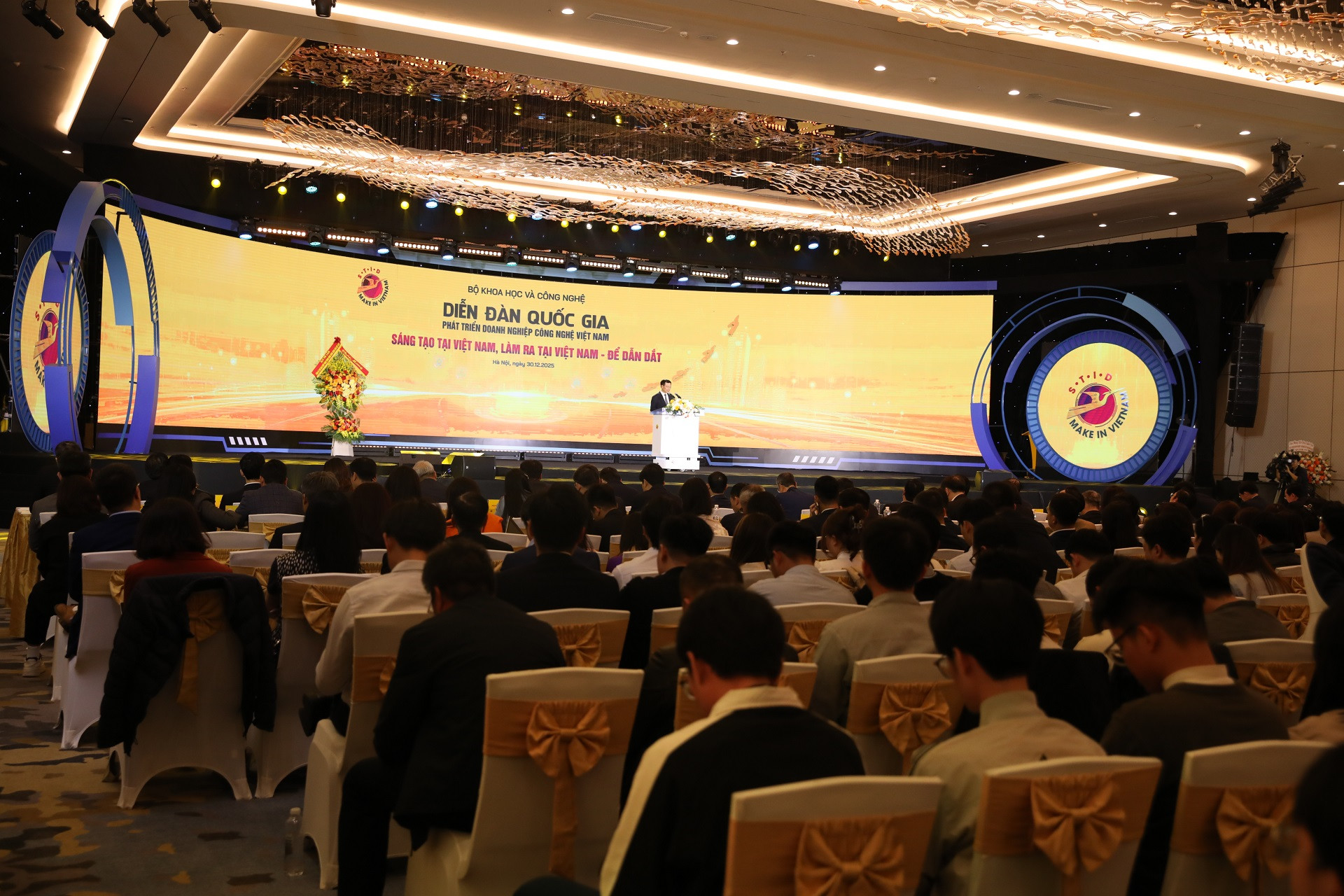
The forum’s core message centered on moving Vietnam’s tech sector into a new era - one defined not just by the ability to make digital products, but by leadership in platforms, core technologies, and complete ecosystems that enhance national innovation and strategic autonomy.
Two national missions in 2025: National cloud and AI for the legal sector
According to CMC, being entrusted with two national missions in 2025 reflects a major vote of confidence in the capabilities of Vietnamese tech companies. It also places high expectations for secure, scalable, and high-quality deployment at national scale.
For the CMC OpenAI/CLS mission, the goal is to build: (1) a legal virtual assistant tailored for the two-tier government system, and (2) a large language model (LLM) designed specifically for Vietnam’s legal domain, in line with the national roadmap through 2025.
This mission will bring AI into practical, high-demand legal applications, including legal review, information retrieval, synthesis, and document processing - critical tasks in a legal system experiencing constant growth and frequent change.
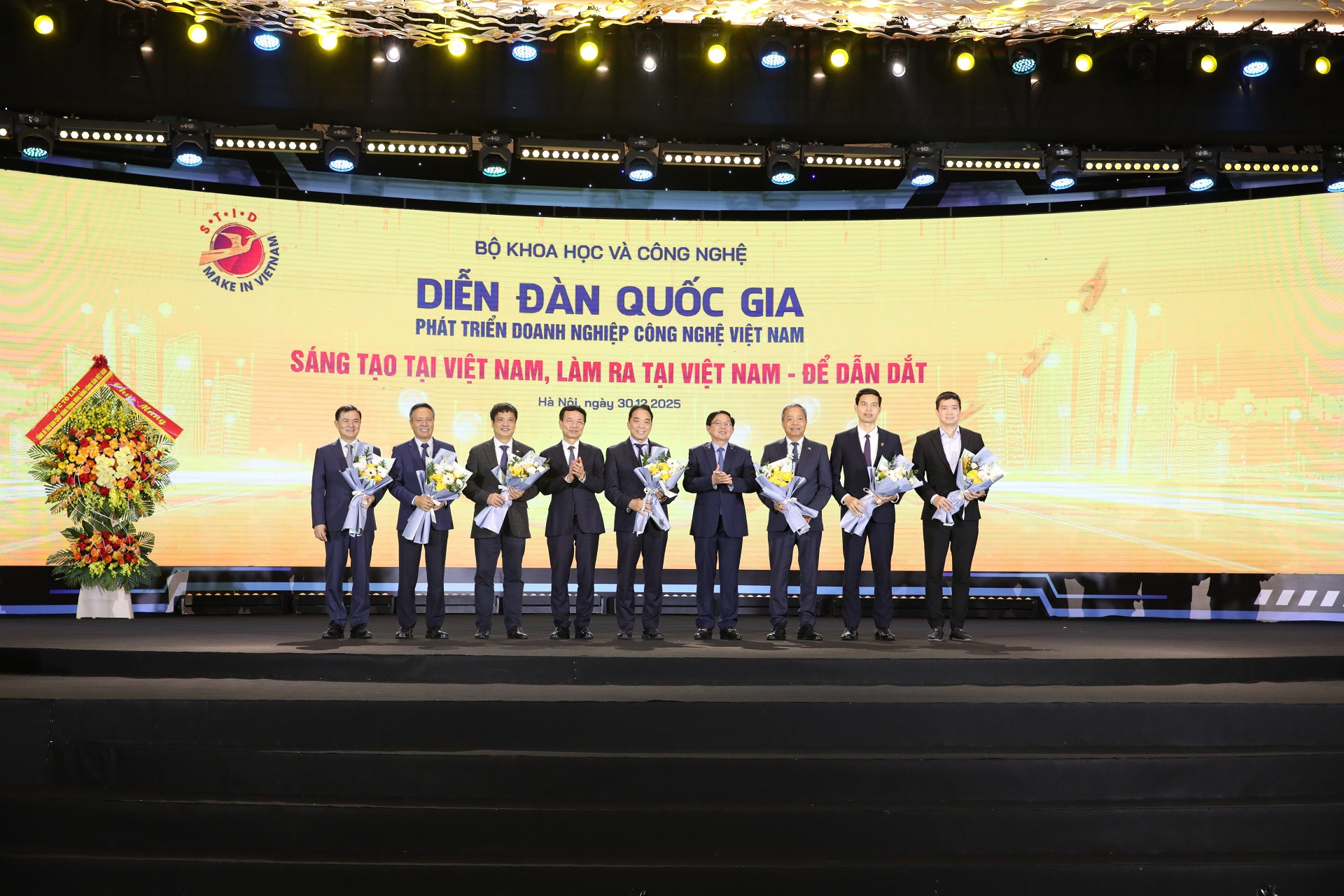
In the infrastructure realm, the CMC AI Cloud is presented as a national cloud platform aligned with Vietnam’s 2025 goals. According to CMC, cloud computing in the Make in Vietnam context must go beyond service delivery to include full autonomy in infrastructure, operations, and foundational platforms that can support shared national digital systems.
CMC emphasized its pursuit of high-readiness technology, firmly rooted in Vietnamese intelligence and data. The company is committed to mastering foundational technologies instead of relying on foreign proprietary platforms.
CMC Chairman’s keynote: Innovation for self-reliance and resistance to “technological colonialism”
Speaking at the forum, Nguyen Trung Chinh, Chairman and Executive Chairman of CMC, delivered a compelling keynote focused on mastering core technologies, especially AI and big data, which he described as critical to national productivity, competitiveness, and sovereignty.
He warned that without control over foundational technologies, nations risk being trapped in low-value-added assembly, losing control over data and knowledge, and compromising economic and security autonomy.
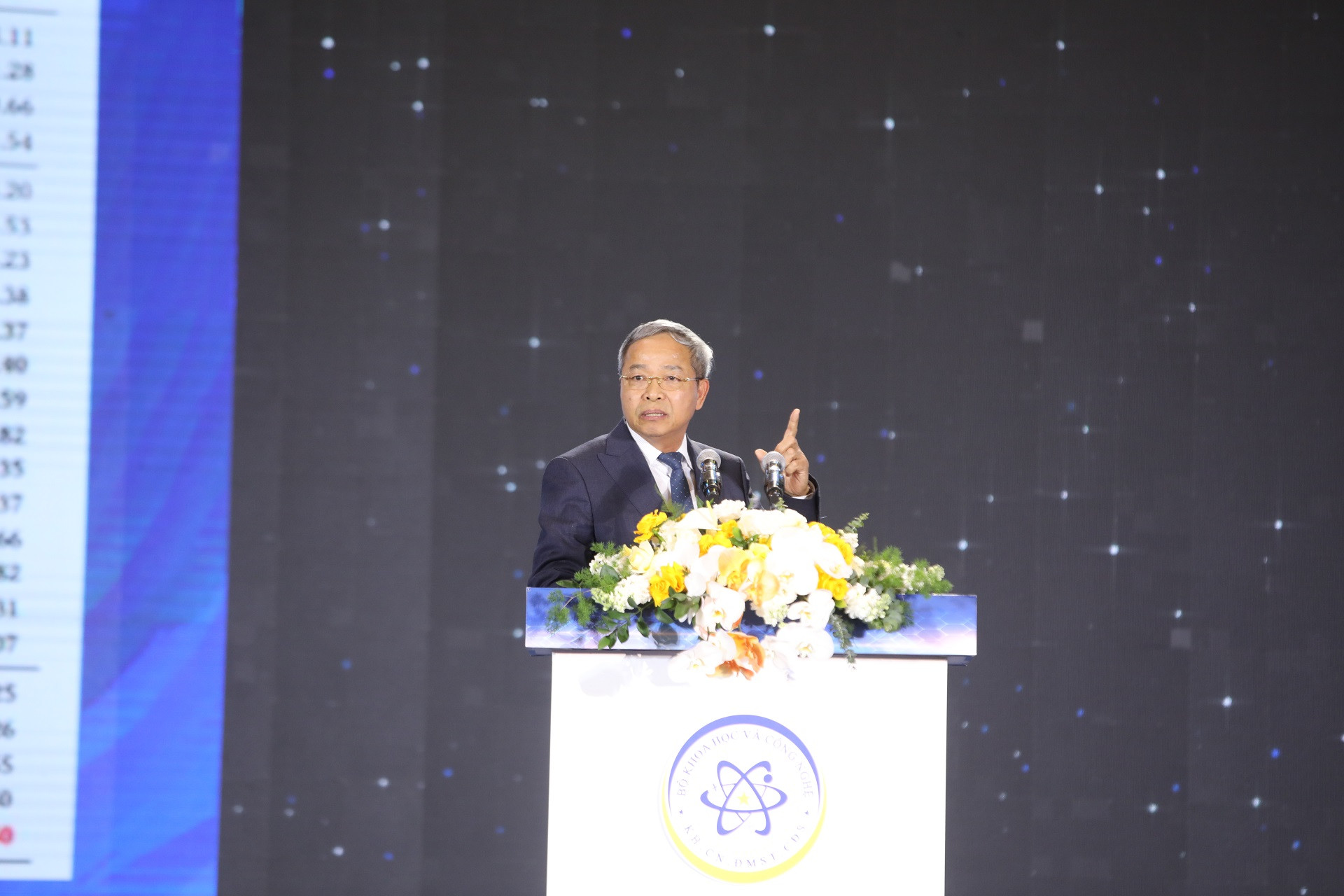
Chinh argued that science and technology investment should be viewed as investment in national sovereignty. He described a future threat in the form of “new types of technological colonialism,” where foreign entities dominate data flows, platforms, and digital standards.
Citing global history, he stated that countries mastering their own technologies can dictate their development trajectory. He emphasized that innovation is not optional - it is essential to raise productivity, break free from the middle-income trap, and remain globally competitive. Toward the 2045 vision, he said, Vietnam’s path must be one of technological leadership and self-reliance.
“Enterprises as architects of the innovation nation”: Four key priorities
In his address, Chinh proposed a national framework that positions businesses as the “architects of the innovation nation,” built on four foundational pillars:
First, institutions must foster innovation by tolerating risk and strengthening intellectual property rights, encouraging long-term investment in R&D and turning research into viable products.
Second, the country must prioritize foundational technologies - especially AI, semiconductors, and digital infrastructure - which are essential to national competitiveness and autonomy.
Third, Vietnam needs strong, scaled enterprises capable of making long-term investments, building technology ecosystems, and setting higher domestic market standards.
Fourth, the country should adopt a “Triple Helix” innovation model - connecting government, business, and academia in a collaborative ecosystem. The government’s role is to create institutions, policy sandboxes, and digital infrastructure. Enterprises must drive commercialization and lead in R&D. Universities must provide industry-ready talent, fundamental research, and innovation incubation.
CMC emphasized that this model addresses the challenge of building technology from national priorities and ensures innovation is measured by real-world implementation - not theory.
Six national missions registered for 2026, with C-HEALTH selected as early priority
Alongside its two missions for 2025, CMC also revealed it had registered six national missions for 2026, all aligned with core platform development for government, enterprise, and citizen needs.
These include the continued development of CMC OpenAI/CLS and CMC AI Cloud, as well as four new platforms: the CMC Comprehensive Security Platform for national cyber resilience; the C-GOV Platform for managing digital operations at commune and ward levels; the C-HEALTH Platform for smart healthcare; and the C-Vision Platform for intelligent surveillance and image analytics.
The Ministry of Science and Technology has selected C-HEALTH as a national mission for implementation in 2026. CMC views this as a strategic step in expanding Make in Vietnam initiatives into critical sectors with high requirements for data security, reliability, and public benefit.

CMC’s commitment: Full resource mobilization for national tech missions
In conclusion, Chairman Nguyen Trung Chinh expressed pride and a deep sense of responsibility in being entrusted with national missions. He affirmed CMC’s commitment to long-term investment in infrastructure, core technologies, data, and talent, aimed at ensuring successful deployment of both the 2025 and 2026 missions.
Through these efforts, CMC aims to build Make in Vietnam platforms that serve both the public and private sectors, contributing to Vietnam’s journey toward independence, autonomy, and long-term prosperity.
PV
.svg)
