 Vietnamnet.vn

 Podcast



Once considered a child marriage hotspot in Dak Lak Province, the area has undergone a remarkable transformation. “People understand now. They no longer allow their children to marry at a young age, and marriages within the same bloodline no longer happen either,” said the head of Cu Kbang Hamlet 15 in Ia Lop Commune.
Once a long-standing child marriage hotspot
The border commune of Ia Lop in Dak Lak is taking on a new look. Roads have been expanded, communications have improved and living standards are gradually rising. Yet for many years, the area struggled to eliminate outdated practices, including child marriage and consanguineous marriage.
Ia Lop is home to 1,914 households with a population of 6,446. Ethnic minority communities account for 938 households and 3,331 residents.
Several years ago, it was not uncommon in some villages for girls aged just 14 or 15 to marry and begin raising children. Some families believed that early marriage would provide additional labor to help support household production. In some cases, marriages between close relatives still occurred.
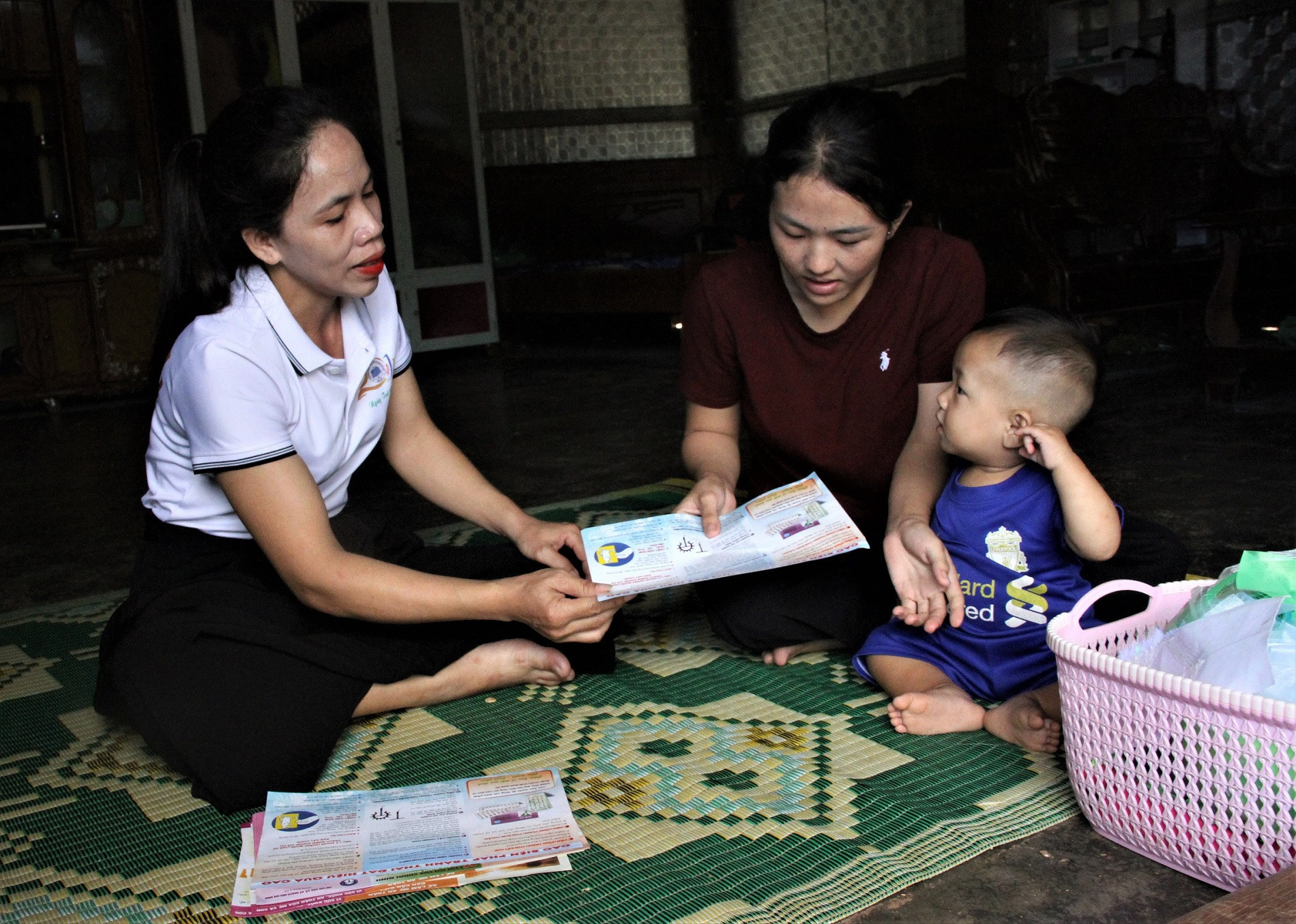
Ha Thi Phe, a resident of Dung Nhap Hamlet, recalled that efforts to change perceptions faced significant challenges only five years ago. At that time, some families believed that once children reached adolescence, they should marry early to establish a stable life. However, repeated awareness campaigns and discussions gradually helped residents understand the consequences of marriage before legal age.
According to Phe, Dung Nhap Hamlet no longer records cases of child marriage or consanguineous marriage. The most significant change is not simply the decline in numbers but the shift in public attitudes.
A similar story can be found in Cu Kbang Hamlets 13, 14, 15 and 16 in Ea Rok Commune, where large populations of ethnic minority residents, mainly Hmong and Dao communities, live. The area was once among the localities with the highest rates of child marriage.
Ly Ngoc Kim, head of Cu Kbang Hamlet 15, said the hamlet has 276 households, all belonging to ethnic minority groups. More than a decade ago, it was common to see girls aged 13 or 14 leave school to get married.
“The main reason was limited legal awareness. Many people did not fully understand the long-term impact of early marriage on children's health, education and future prospects,” Kim said.
In response, local authorities, mass organizations, village management boards and respected community figures worked persistently to raise awareness. Efforts extended beyond community meetings, with child marriage prevention integrated into local activities and direct visits to families for explanation and persuasion.
Gradually, many families began to change their views. Instead of encouraging early marriage, parents increasingly focused on their children's education and future career opportunities.
“People understand now. They no longer allow their children to marry when they are still young, and marriages within the family line no longer occur. The number of students leaving school to marry has also fallen significantly,” Kim said.
According to the Ea Rok Commune People's Committee, the commune recorded 24 cases of child marriage in 2024. By 2025, that figure had fallen to just seven cases, a decline of more than 70%. The locality has also recorded no cases of consanguineous marriage.
Change for sustainable development
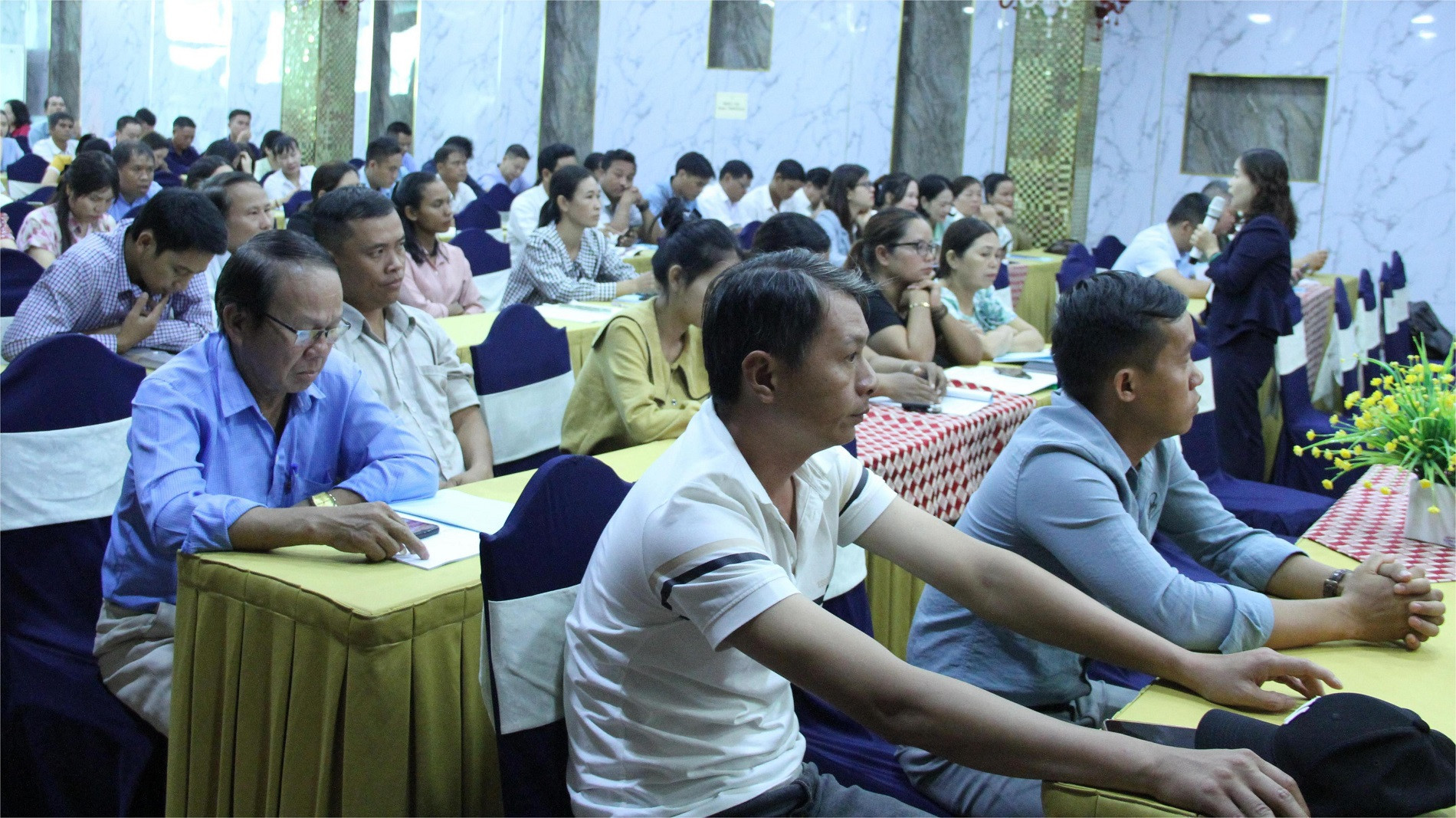
The transformation is not limited to Ia Lop or Ea Rok. Other areas across Dak Lak are also gradually changing their attitudes toward child marriage.
In Ea Knop Commune, where more than 22% of residents belong to ethnic minority groups and livelihoods depend largely on agriculture, villages such as Ea Puk, Cua Na San and Xe Dang once experienced cases of early marriage.
Today, however, the situation is steadily becoming a thing of the past. Many villages have gone years without recording a single case of child marriage. Children, especially girls, now have greater opportunities to remain in school rather than take on family responsibilities at an early age.
Nguyen Tien Thinh, Head of the Culture and Social Affairs Division of Ea Knop Commune, said eliminating child marriage cannot be achieved overnight and requires a long-term process of changing public perceptions.
“The key is helping people understand that marrying their children off early does not secure their future. Instead, it may deprive them of opportunities for education and personal development. Awareness efforts therefore need to be maintained continuously and linked with socio-economic development and poverty reduction,” Thinh said.
According to the Dak Lak Department of Ethnic and Religious Affairs, the province recorded 900 child marriage cases and five cases of consanguineous marriage in 2015. By 2025, the number of child marriage cases had fallen to 57, a reduction of 843 cases over a decade, while consanguineous marriage had been completely eliminated.
Behind these figures lies a broader shift in thinking within families and communities. More parents now recognize that their children's future depends not on early marriage but on access to education, career choices and the ability to build independent lives.
Nguyen Hoang Giang, Director of the Dak Lak Department of Ethnic and Religious Affairs, said that fully addressing child marriage and consanguineous marriage will continue to require sustained, long-term efforts centered on people, supported by communities and backed by the political system.
“To change customs that have existed for generations, we must proceed step by step. Patience is essential so that people can recognize the issues themselves and make lasting changes,” Giang emphasized.
Villages once regarded as child marriage hotspots are gradually overcoming long-standing barriers thanks to determination from local authorities and active participation from residents.
This progress is laying the foundation for improving population quality, building happier families and creating momentum for sustainable development in ethnic minority communities.
According to the Dak Lak Department of Ethnic and Religious Affairs, the province recorded 900 child marriage cases and five cases of consanguineous marriage in 2015. By 2025, the number of child marriage cases had fallen to 57, a reduction of 843 cases over the previous decade, while consanguineous marriage had been eliminated entirely.
Le Huong
.svg)
