 Vietnamnet.vn

 Podcast



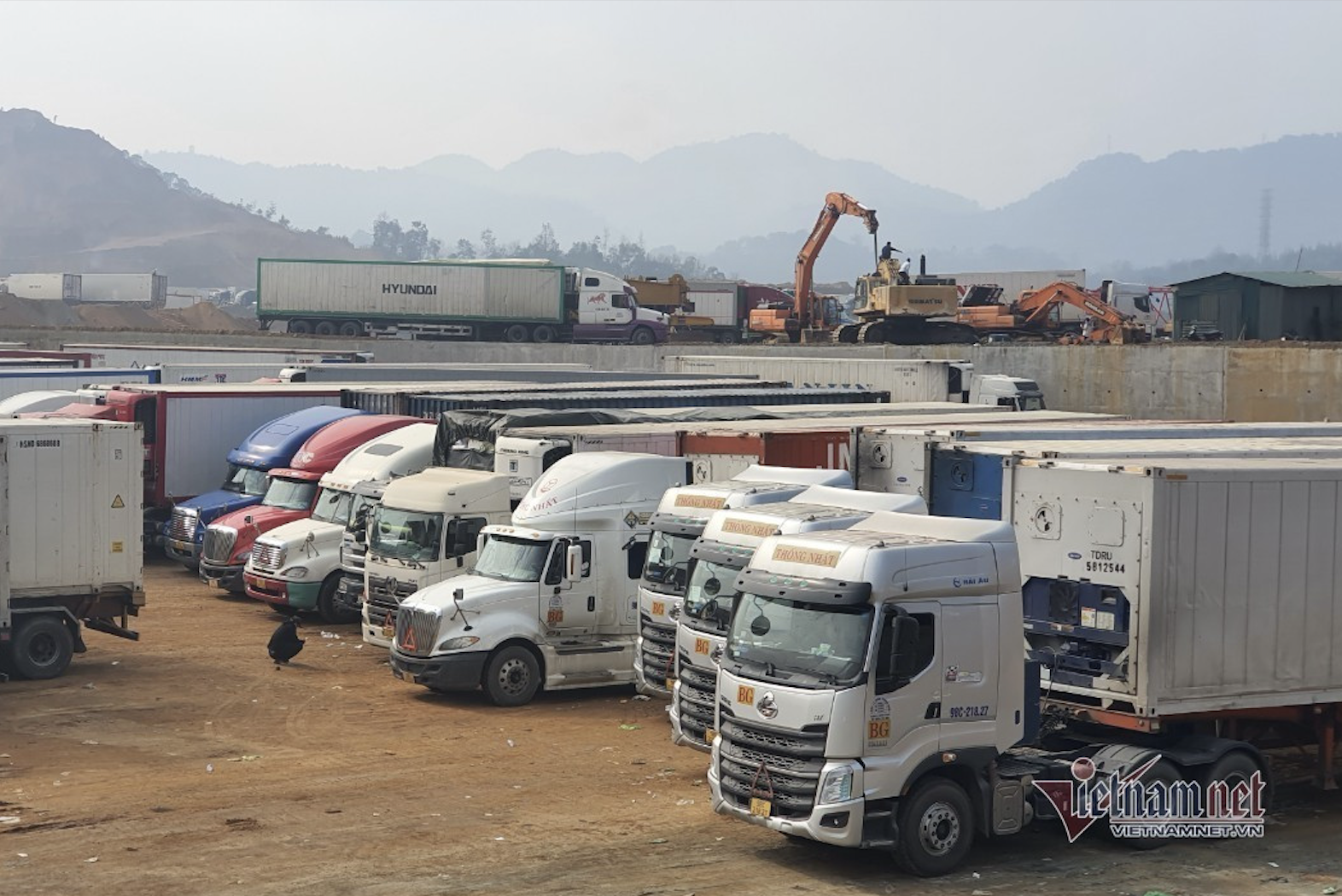
In a report to Prime Minister Pham Minh Chinh and Deputy Prime Minister Le Thanh Long, the Ministry described significant delays in clearing agricultural imports since Decree 46 came into effect on January 26, 2026.
Previously, inspections under Decree 15 ran smoothly without causing backlogs. But the new decree, which tightens control over food safety for imported goods, has led to mounting bottlenecks. By January 29, large volumes of fruits, vegetables, rice, cassava, and packaged food were still waiting for clearance.
While the Ministry supports stricter safety measures, it stressed that the immediate rollout of Decree 46 has caused logistical challenges, especially given the lack of necessary infrastructure at land border gates.
Under Article 25, Clause 2 of Decree 46, all imported foods under standard inspection must undergo document checks, physical inspections, and sample testing for quality and safety. These lab tests typically require 5–7 days, delaying clearance further.
Unlike Decree 15, the new policy adds physical inspection and sample testing as mandatory steps. However, most border points lack on-site labs, making this process difficult to implement.
Moreover, Article 21, Clause 2 tasks border agencies with selecting test criteria from a list, but no official guidelines have been issued on how to make these selections. This leaves inspectors without a basis to proceed.
Another issue lies in the newly required "Product Standard Declaration" for fresh produce imports. The absence of standardized templates or clear content requirements has made it difficult to verify documents.
These obstacles come at a critical time, as most of the stuck imports are fresh goods destined for Tet holiday consumption. Limited cold storage facilities at border gates increase the risk of spoilage, raising concerns over financial losses for importers.
Critically, Decree 46 does not allow businesses to transport goods to their own storage facilities while waiting for food safety results.
The Ministry has already mobilized local authorities and regional quarantine offices to ease the backlog, particularly in coordination with Tay Ninh province. By January 31, most of the gridlock had been cleared, though systemic issues remain.
The Department of Crop Production and Plant Protection has also submitted a memo to the Food Safety Department under the Ministry of Health, which drafted Decree 46, outlining practical challenges in the field.
To streamline enforcement, the Ministry is considering delegating food safety checks for agricultural imports to provincial governments, allowing them to handle cases locally and with more flexibility.
In the meantime, the Ministry recommends the Prime Minister assign the Ministry of Health to coordinate with other ministries to urgently revise Decree 46 for better feasibility.
While awaiting formal amendments, the Ministry also urges the issuance of interim implementation guidelines and the delegation of inspection responsibilities to local authorities. This would facilitate smoother import operations and better serve businesses during the Tet period.
Tam An
.svg)
