 Vietnamnet.vn

 Podcast



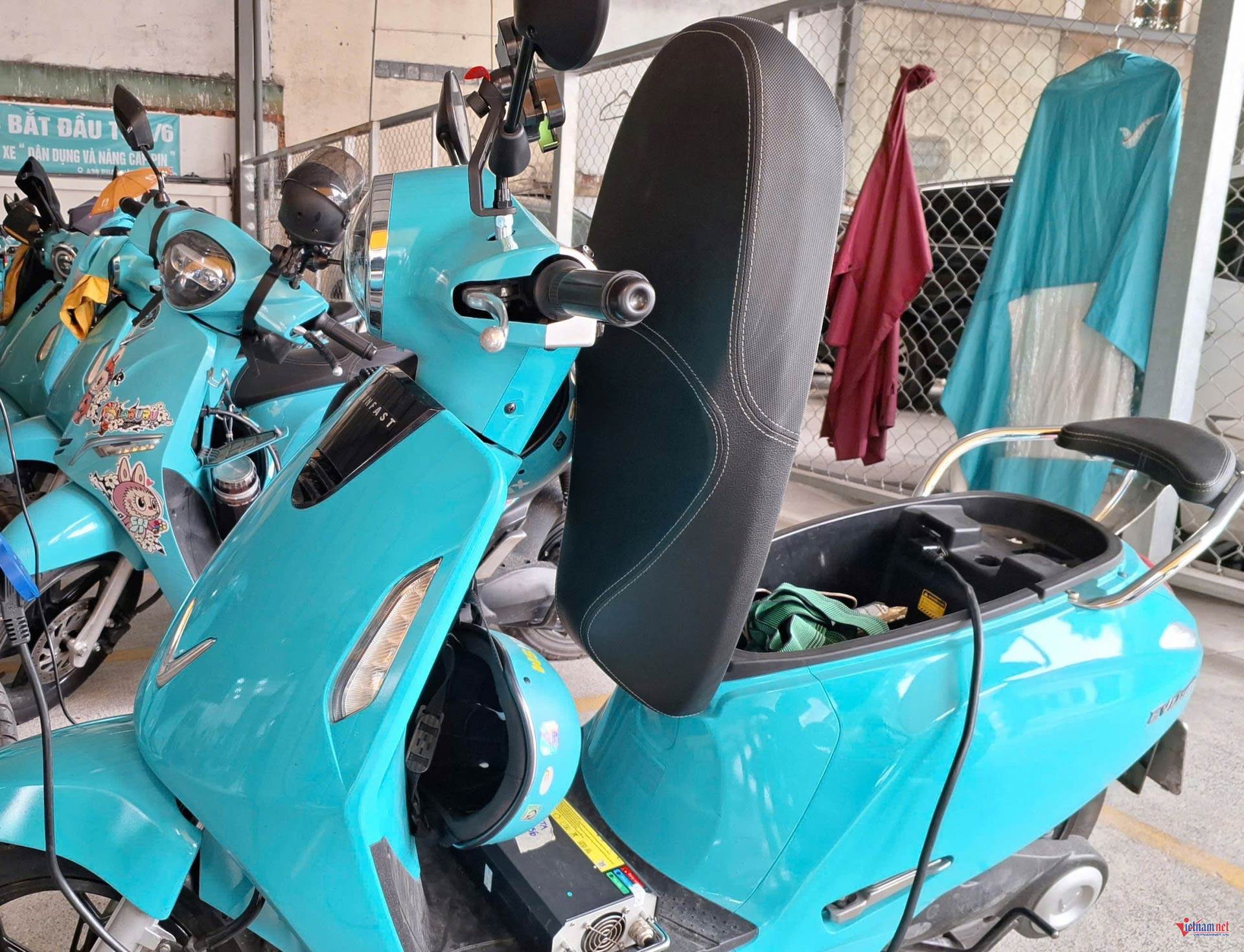
According to a 2024 survey and in-depth interviews conducted by Cho Tot Xe and KPMG, 44 percent of people prefer charging two-wheeled electric vehicles at home, 21 percent at dedicated charging stations, and 35 percent are flexible as long as charging points are available. Consumers want more charging stations at three key locations: residential areas, shopping centers, and workplaces.
A question has been raised: "Why buy an electric vehicle if there aren’t convenient charging options?"
The survey also found that the most critical factor for a successful charging network is fast-charging capability, scoring 3.65 points. Meanwhile, 38 percent of users accept a 15-30 minute charging time for two-wheeled vehicles, 28 percent prefer a maximum of 15 minutes, and only 9 percent are willing to wait over 60 minutes.
For ride-hailing drivers using electric vehicles, charging is even more critical than for regular consumers. As their work involves constant travel, time directly translates to income.
HCM City is planning to convert 400,000 gasoline-powered motorcycles used by ride-hailing drivers to electric ones, starting in 2026 and completing by early 2029. With this significant amount of electric vehicles, establishing a suitable charging network is a pressing concern.
Driver Nguyen Thanh Son (34, Tang Nhon Phu Ward, HCM City) said that ride-hailing drivers often visit charging stations and rest while waiting for a full charge. They avoid standalone roadside charging points unless the vehicle unexpectedly runs out of power.
"The more charging stations, the better, but we need rest areas combined. No one wants to stand outside for hours waiting for a charge," he said.
This explains why charging stations with coffee shops or rest areas for drivers are often packed. Drivers also prefer spacious, well-ventilated charging points for safety. A mobile app called "Nearby Familiar Spots" has been developed, available on both App Store and Android, allowing users to locate charging stations on a map using real-time positioning.
Safe charging
Driver Le Vu Truong Hinh (Tay Ninh) is a regular at roadside charging stations. To prevent fire hazards, he avoids overnight charging at home and only charges outside. He said after riding, he lets the vehicle rest for half an hour before charging. He also advises drivers not to modify or add extra batteries to extend use time capability, as this can lead to technical issues and fire risks.
Professor Jago Dodson, Director of the Urban Futures Impact Platform at RMIT University (Australia), said that public charging stations are essential for delivery drivers and those using vehicles frequently.
These stations should offer fast charging and follow city-wide standardized protocols. Battery-swapping models, used in other countries, are a viable option given HCM City’s large-scale motorcycle use.
The RMIT representatives noted that electric motorcycles consume relatively low energy, so many may charge at home. However, this could lead to unsafe practices. Safe charging solutions at the neighborhood level, designed to blend with urban aesthetics, are needed.
Nguyen Tan Nghiep, MA, Vice Chair and General Secretary of the Southern Power Association, estimated that HCM City has about 150,000 electric two-wheeled vehicles and 600 charging stations. With 400,000 new electric vehicles, 2,500-3,000 standardized charging stations will be needed.
He noted that the additional electricity demand for EV charging is not significant, but HCMC must plan phased investments in charging infrastructure. Authorities should study the current grid at charging locations, plan standardized station deployments, and establish charging protocols to avoid local grid overloads.
"The grid can handle 400,000 electric two-wheeled vehicles. However, without proper planning, rapid increases could lead to fire risks from charging. The city’s power sector needs to upgrade the grid capacity by 10 percent, mainly in medium and low-voltage networks, to meet the conversion plan’s demands," Nghiep said.
Establishing charging stations may involve land and construction issues. Nguyen Xuan Quy, Vice Chair of the Vietnam Clean Energy Association, said rooftop solar power is a solution to use available space. In the long term, transportation electrification should integrate with renewable energy.
With HCM City’s plan to convert gasoline vehicles to electric, Bui Trung Kien, Deputy General Director of HCM City Power Corporation (EVNHCMC), affirmed that the corporation will ensure sufficient power supply.
However, he noted that users should avoid charging during peak times to prevent localized grid overloads. Drivers should prioritize charging from solar-powered sources. Providers of charging stations should offer flexible solutions like battery swapping, and adhere to power system operation requirements.
Hoang Hiep
.svg)
