 Vietnamnet.vn

 Podcast



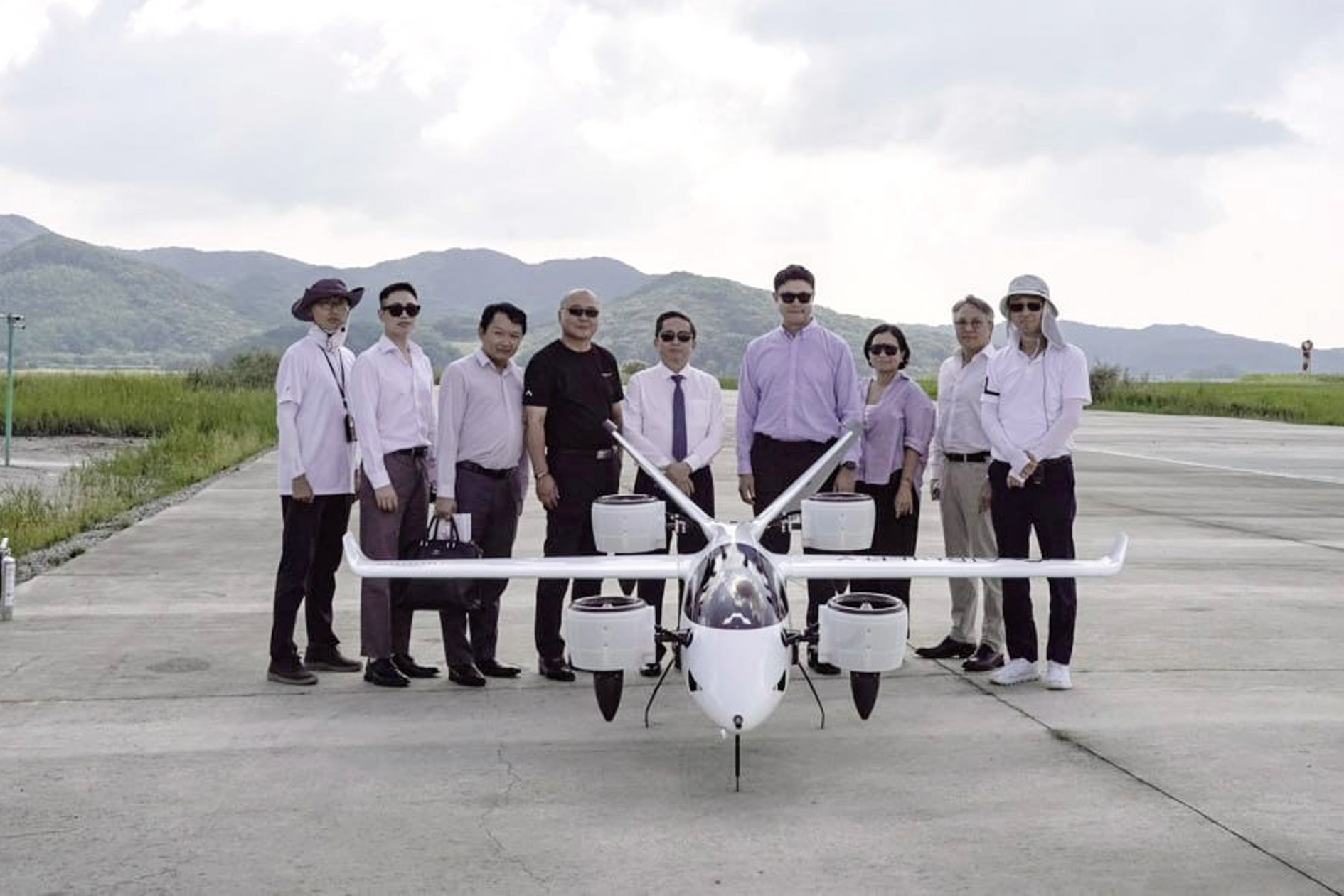
On the evening of August 11, Tan Son Nhat International Airport had to temporarily suspend operations twice after unauthorized unmanned aerial vehicles (UAVs) were detected near the airport, directly affecting flight safety. According to the Tan Son Nhat Approach Control Center, the incident affected 73 flights. The figure covers flights directly disrupted during airport operations when incoming aircraft had to be temporarily suspended to ensure safety.
The incident goes beyond aviation safety, touching directly on national defense, security, airspace management and the protection of Vietnam’s airspace. Many have argued that UAVs need to be managed at the source, covering everything from manufacturing, trading and imports to registration and operation.
Following the unauthorized UAV activity near Tan Son Nhat International Airport, CT Group submitted a proposal to the commander of the Ho Chi Minh City Command calling for UAVs to be managed through a dedicated chip, following a number of incidents involving unregulated drone operations near airports.
Tran Kim Chung, Chairman of CT Group, said UAV technology is developing rapidly, while unauthorized drone operations and incursions into areas surrounding airports have recently shown signs of increasing, posing a direct threat to the safety of aircraft during takeoff and landing.
UAV incursions around airports and their impact on civil aviation safety, both in Vietnam and internationally, show that the issue is no longer merely a potential risk but has become an urgent practical challenge requiring coordinated technological solutions and a nationwide regulatory framework, he said.
Meanwhile, countries around the world are beginning a race into the era of the Low-Altitude Economy (LAE). This high-tech field represents not only an opportunity for Vietnam to keep pace with global developments but also a potential new driver of economic growth and national defense and security. Developing the low-altitude economy while maintaining safety at airports and other sensitive locations will require highly specialized technological solutions.
Chung proposed managing UAVs through a processing chip that would also serve as a UAV-LAE registration and inspection chip.
The chip would incorporate an MCU module, a memory module containing UAV-related regulations, and an RF module capable of transmitting remote registration and identification signals while sending data to the National Data Center.
The MCU, or Microcontroller Unit, would handle control functions, execute flight-safety algorithms and geofencing, provide mandatory identification and implement control mechanisms required by law. The secure memory module would contain a digitized database of regulations, no-fly zones, flight corridors and management parameters that could be updated periodically, while also incorporating encryption and anti-tampering mechanisms. A dedicated RF module would transmit remote identification and registration signals while sending real-time operational data to the National Data Center through secure network infrastructure.
Under the proposal, Vietnam’s low-altitude economy could develop more rapidly by allowing UAVs to operate freely while remaining under strict control over their airspace, flight routes and data transmission. UAVs could operate in permitted areas and below restricted altitudes while automatically and proactively complying with regulations, eliminating the need to seek permission for every individual flight.
The chip would also be designed for integration with the physical infrastructure of Vietnam’s national digital twin while helping safeguard aviation security and national defense.
The government could use the chip to control UAVs operating nationwide and create UAV barriers or multi-layered UAV domes for the protection of airspace, borders, seas and islands.
The CT Group chairman also emphasized that the chip could become a hardware-based regulatory infrastructure, ensuring that every UAV operating in Vietnam complies with the law at the hardware level and minimizing the risk of systems being disabled or unlawfully manipulated.
The solution, he said, could provide the foundation for a coordinated, transparent and highly automated UAV management system while also opening opportunities to develop a domestic UAV industry ecosystem and low-altitude economy, alongside strengthening national security and defense.
Thai Khang
.svg)
