 Vietnamnet.vn

 Podcast


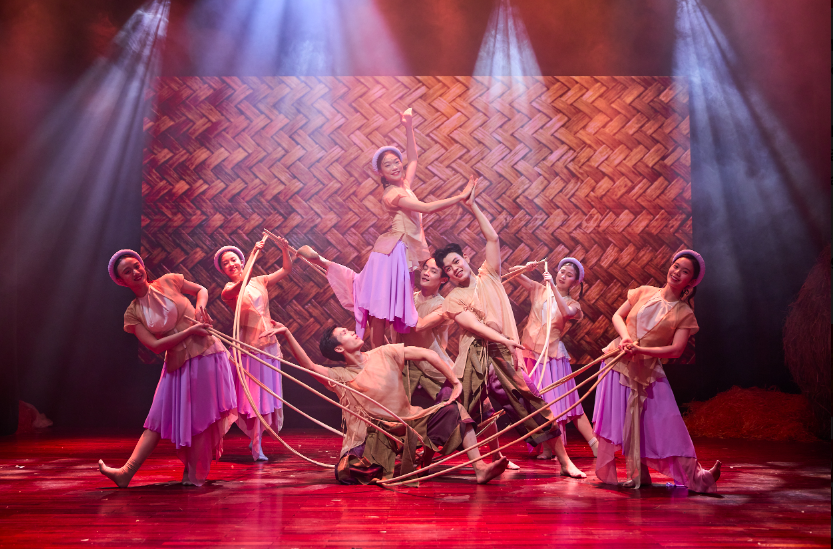
Through cooperation between the Hanoi Department of Culture, Sports, and Tourism and various art troupes and creators, several long-standing heritage sites have taken on a vibrant appearance. Unique artistic products have been and are currently being created, affirming the city's status as a "Creative City" in the new era.
Moving beyond conventional sightseeing, Hanoi's major historical sites are seeing a surge in nighttime experiential art programs. At the Temple of Literature – Imperial Academy, a program combining traditional Vietnamese music with 3D Mapping light show has attracted thousands of visitors each week. History is no longer confined to inscriptions on stone steles, but being brought to life through sound, light and contemporary theatrical performance.
Le Xuan Kieu, director of the Center for Cultural and Scientific Activities at the Temple of Literature – Imperial Academy, told VietNamNet: “We do not renew heritage by changing its essence. Instead, we use contemporary art and digital technology to translate that thousand-year-old language into the spirit of our times.”
Meanwhile, established tourism products such as the “Decoding the Thang Long Imperial Citadel” night tour and the “Sacred Night” experience at Hoa Lo Prison Relic continue to upgrade their scripts and incorporate multisensory interactive activities.
One notable highlight in Hanoi's cultural industries since the beginning of the year has been a new approach to traditional festivals and craft villages. The Thang Long – Hanoi Festival continues to demonstrate the effectiveness of a multilateral cooperation model involving government agencies, arts organizations, and media and tourism companies.
At major traditional festivals, including the Giong Festival and events at Co Loa Temple, as well as in craft village settings such as Bat Trang and Van Phuc, folk performances are being reorganized into fixed time slots and combined with ticketed heritage tours.
Craft artisans are no longer simply producing handicrafts; they are also working with designers from the UNESCO Creative Cities Network to develop highly artistic cultural gifts for domestic and export markets.
Raw material for creative economy
For years, efforts to preserve traditional performing arts such as cheo (Vietnamese traditional opera), tuong (classical Vietnamese theater) and water puppetry have been caught in a recurring dilemma: Who will watch the performances, and how can the revenue needed to reinvest in them be generated?
A solution has begun to emerge as Hanoi's artists and cultural managers increasingly view heritage not merely as a treasure from the past to be preserved, but as raw material for the creative economy.
A clear example of this shift is the program The Charm of Cheo in Hanoi. Rather than being fragmented into a series of disconnected acts, the production is structured as a continuous theatrical journey. Famous excerpts from traditional cheo are carefully interwoven and connected to create a coherent whole.
Instead of conventional performances of traditional cheo, which often require audiences to have a deep understanding of folk art, the program blends the essence of the traditional form with modern staging techniques. This allows younger audiences to appreciate and engage with it more easily.
“This is a new direction for us as the development of cultural industries is gaining strong momentum. Cultural industries are not just about creating entertainment products that generate revenue. They also involve creatively harnessing cultural resources and turning heritage into products with artistic, educational, promotional and economic value,” People's Artist Thu Huyen said.
The contemporary dance production Nhung Lop Phu Sa (Layers of Alluvium) uses body language and modern staging to tell a highly symbolic cultural story about Vietnam's northern region. Unfolding across five emotionally rich acts, the work presents a sweeping panorama, tracing the earliest origins of life through the flowering of love, labor and sacred beliefs.
The product reflects its creative team's approach to traditional materials: seeking ways to continue creating from values passed down through generations. Through a contemporary folk-dance vocabulary, these layers of culture return to the stage in a new form that resonates with the artistic sensibilities of today's audiences.
On October 8, Hanoi Drama Theatre staged The Legend of Hoan Kiem Lake, the standout production in the Moments series of cultural industry events.
The play portrays national hero Le Loi and historical figure Nguyen Trai, along with key milestones of the Lam Son uprising (1418-1427). It also recounts the legend of Le Loi returning the magic sword to the Golden Turtle, helping audiences, especially younger people, learn more about the origins of Hoan Kiem Lake's name and Vietnam's historical and cultural heritage.
Tinh Le

