 Vietnamnet.vn

 Podcast



Da Nang is intensifying efforts to develop its semiconductor and artificial intelligence industries. However, the shortage of highly qualified talent remains the most significant obstacle that must be addressed if the city is to achieve its goal of becoming a leading technology hub.
Speaking at a press conference on June 16 introducing the Economic, Finance and Technology Week, Da Nang Vice Chairman Ho Ky Minh said the city is transitioning from a growth model driven primarily by tourism and services toward one based on knowledge, technology and innovation.
According to Minh, Da Nang's vision now extends beyond traditional investment promotion forums. The city is aiming to establish a new growth structure built around three strategic pillars: an International Financial Center (IFC), artificial intelligence and the semiconductor industry.
Le Son Phong, Deputy Director of the Da Nang Department of Science and Technology, said that after three years of implementing semiconductor development programs, the city's workforce still falls short of meeting rapidly growing demand from businesses.
According to Phong, this remains the central challenge authorities are working to overcome.
Workforce development remains the critical bottleneck
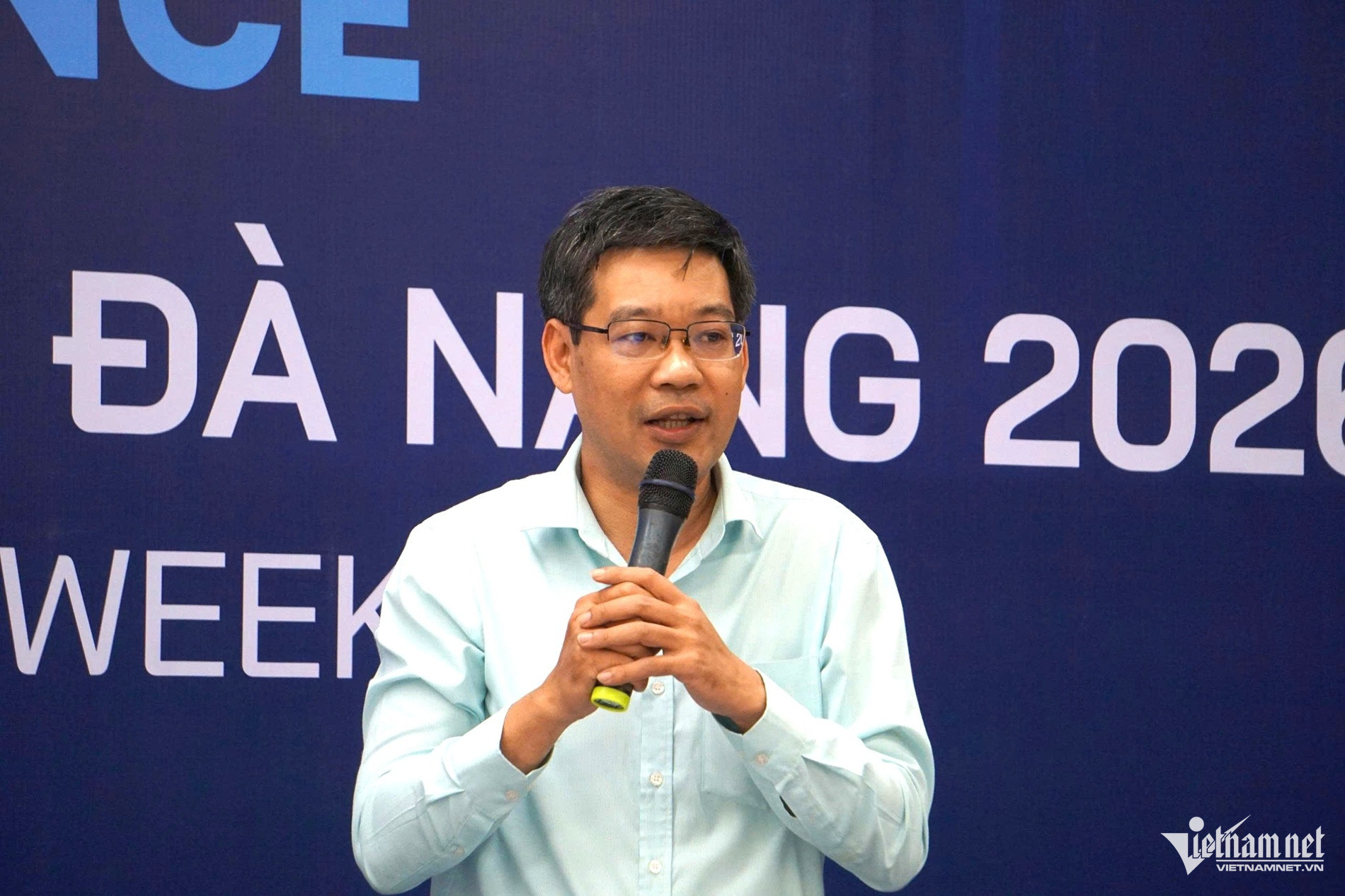
To date, Da Nang has issued seven resolutions related to strategic technology sectors, including dedicated policies supporting semiconductor talent development and innovation-driven businesses.
These policies are designed to create a favorable environment for attracting enterprises and investors while encouraging them to partner with the city in training, developing and recruiting high-quality talent.
At the same time, the "triple helix" model involving government, universities and businesses has been identified as a key solution for building a sustainable local workforce and attracting experts capable of supporting strategic technology industries.
The Department of Science and Technology is currently working with the University of Da Nang and industry specialists to strengthen this collaboration model, with the goal of developing training programs aligned with real-world business needs.
Early signs of progress
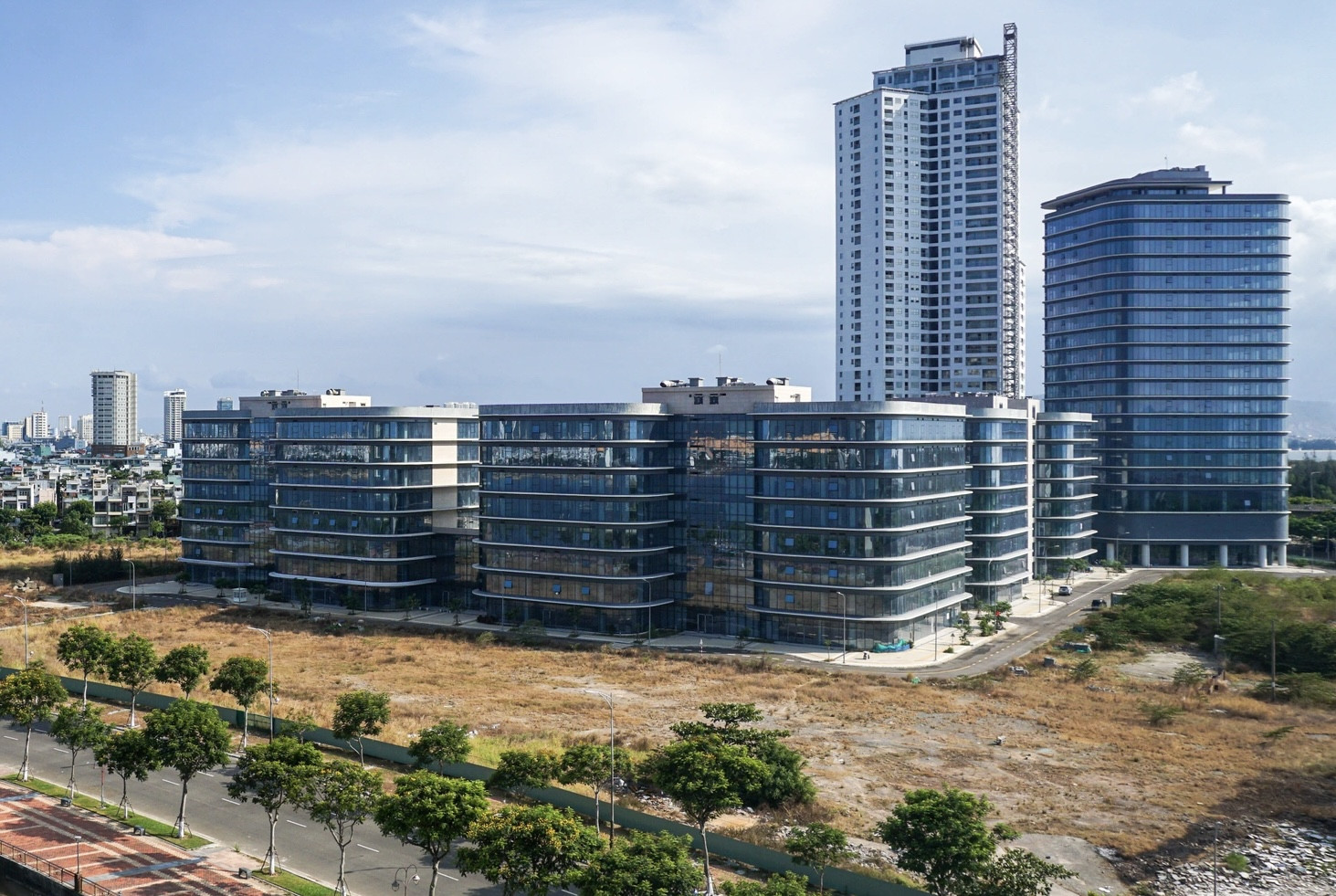
According to Phong, after more than a year of implementing the city's semiconductor and AI development strategy, Da Nang expects to see its first tangible outcomes as early as this year.
At Da Nang Software Park No. 2, the city has already established a laboratory dedicated to advanced packaging technologies, known as Fab-Lab.
The facility currently hosts around seven semiconductor-focused startups and more than 20 companies operating within the semiconductor sector.
Officials view these early achievements as an important foundation for attracting and retaining technology talent while building a stronger semiconductor ecosystem in the city.
Ho Giap
.svg)
