 Vietnamnet.vn

 Podcast



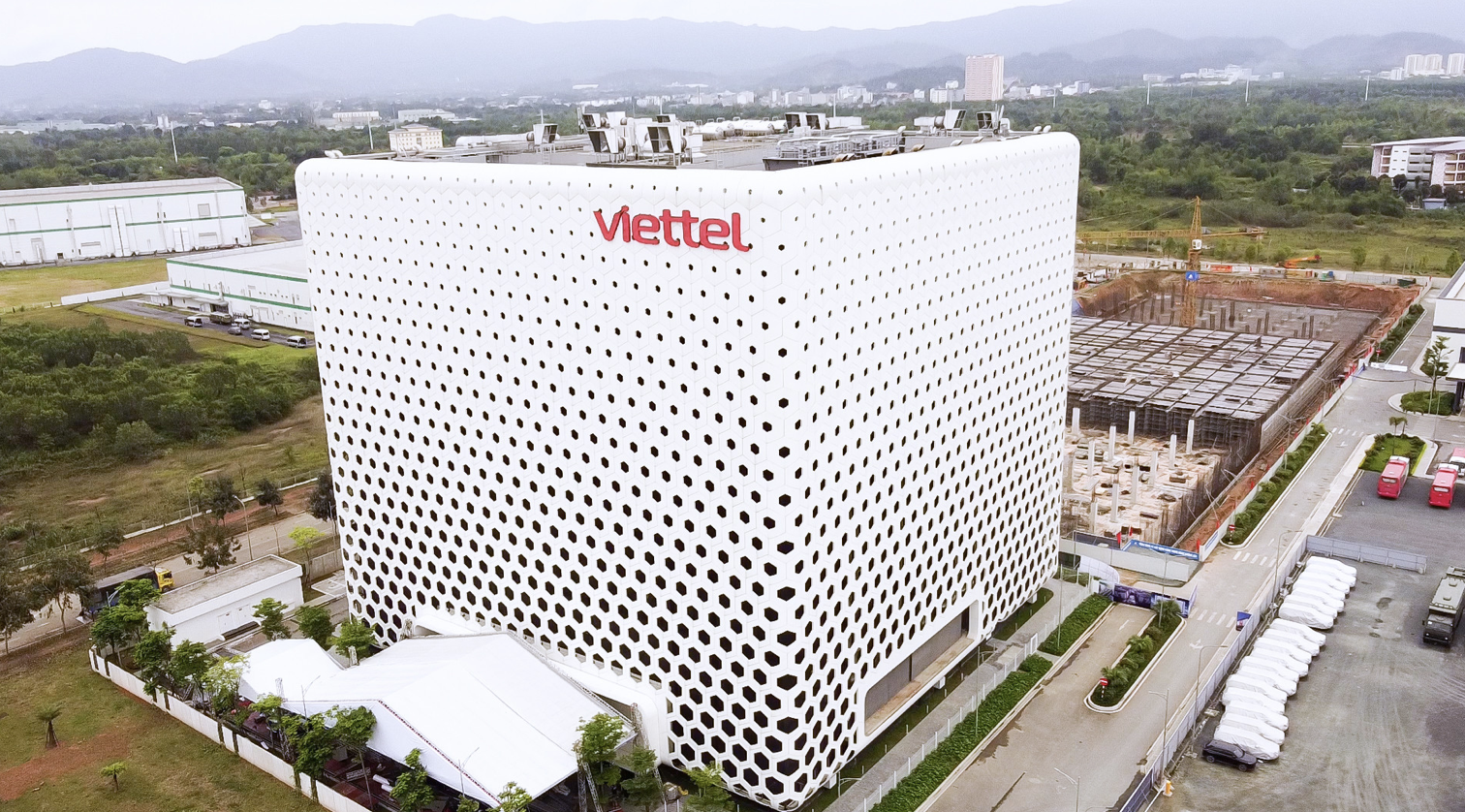
The Ministry of Industry and Trade has shared its response regarding the application of commercial electricity tariffs to data centers instead of production rates, a move that businesses say has driven costs up by 50 percent.
The ministry said it had previously received a petition from several telecommunications enterprises concerning the application of retail electricity prices for production to data center operations. The petition was also reported by VietNamNet in an article titled “Proposal to maintain electricity prices for data centers.”
Addressing the concerns raised by telecom companies, the ministry stated that under Decision No. 28 dated April 7, 2014 of the Prime Minister on the structure of retail electricity tariffs, it issued Circular No. 16 dated May 29, 2014 regulating electricity pricing and subsequent amendments to this circular. Known collectively as Circular 16, these documents provide guidance on applying retail electricity tariffs based on customer categories and usage purposes.
In earlier years, large scale data centers had not yet developed significantly. As a result, Circular 16 did not specify a separate electricity user category for data centers, and such facilities were subject to production electricity tariffs.
This approach was considered appropriate at the time, when data center activities had not yet been fully recognized as a distinct service sector within the digital economy.
Telecommunications enterprises have recently sent an urgent document to the Ministry of Industry and Trade regarding the application of commercial electricity tariff brackets instead of production rates for data centers, a change they say could cost businesses trillions of dong.
Regarding retail electricity pricing for telecommunications enterprises, Circular 16 stipulates that sectors eligible for production tariffs include telephone exchanges, transmission networks, and broadcasting and receiving stations operated by telecommunications and television companies, as well as mechanical product manufacturing, production of gold, silver and gemstone items, software production, negatives and packaging.
Sectors subject to commercial tariffs include business facilities of media, telecommunications and television companies, and establishments operating in the fields of information and postal services, except for universal postal services and mandatory public postal services.
“Accordingly, the application of retail electricity tariffs to enterprises in the telecommunications sector, whether under commercial or production categories, is determined by the nature of their business activities and the purpose of electricity use,” the ministry emphasized.
The provisions on electricity tariff application for telecommunications enterprises under Circular 16 have been carried forward in Circular No. 60, specifically Clause 9, Article 7 and Clause 3, Article 11.
To better align with market realities and based on feedback from regulatory agencies, enterprises and industry associations, the Ministry of Industry and Trade has supplemented specific provisions on electricity pricing for data centers. Clause 19, Article 11 of Circular 60 sets out regulations for facilities providing centralized data processing, storage and management services.
These provisions are grounded in the 2023 Law on Telecommunications and Decision No. 36 dated September 29, 2025 of the Prime Minister promulgating Vietnam’s System of Economic Sectors. Under these regulations, a data center is defined as infrastructure serving the storage and processing of digital data for the enterprise itself or for providing services to other organizations and individuals.
Accordingly, Circular 60 stipulates that if a data center provides data processing, storage and management services to third parties, it is subject to retail electricity tariffs for commercial purposes.
If a data center serves only the internal operations of an enterprise and does not provide services externally, electricity pricing is determined according to the usage purpose specified in the power purchase agreement.
In cases where a data center both serves internal needs and provides services to third parties, the electricity tariff will be calculated based on the proportion of electricity used for each purpose, as agreed between the parties in accordance with Point b, Clause 3, Article 3 of Circular 60.
Thus, data centers operated by telecommunications and television enterprises for their own activities are subject to production electricity tariffs. If those centers provide data processing, storage and management services to other organizations, enterprises or individuals, commercial electricity tariffs will apply based on usage purpose.
The Ministry of Science and Technology has also sent a document to the Ministry of Industry and Trade regarding enterprises’ proposals on electricity pricing regulations for data centers.
According to the Ministry of Science and Technology, data center operations of telecommunications enterprises are similar to other telecommunications activities that are currently subject to production electricity tariffs. Therefore, the proposal to apply production retail electricity prices to data centers has both practical and legal grounds.
On February 13, the Ministry of Industry and Trade sent a document to Vietnam Electricity Group, requesting it to base its actions on the provisions of Circular 60/2025/TT-BCT and to consider the opinions of the Ministry of Science and Technology in directing its power corporations to implement retail electricity pricing for data centers in accordance with regulations.
Tam An
.svg)
