 Vietnamnet.vn

 Podcast



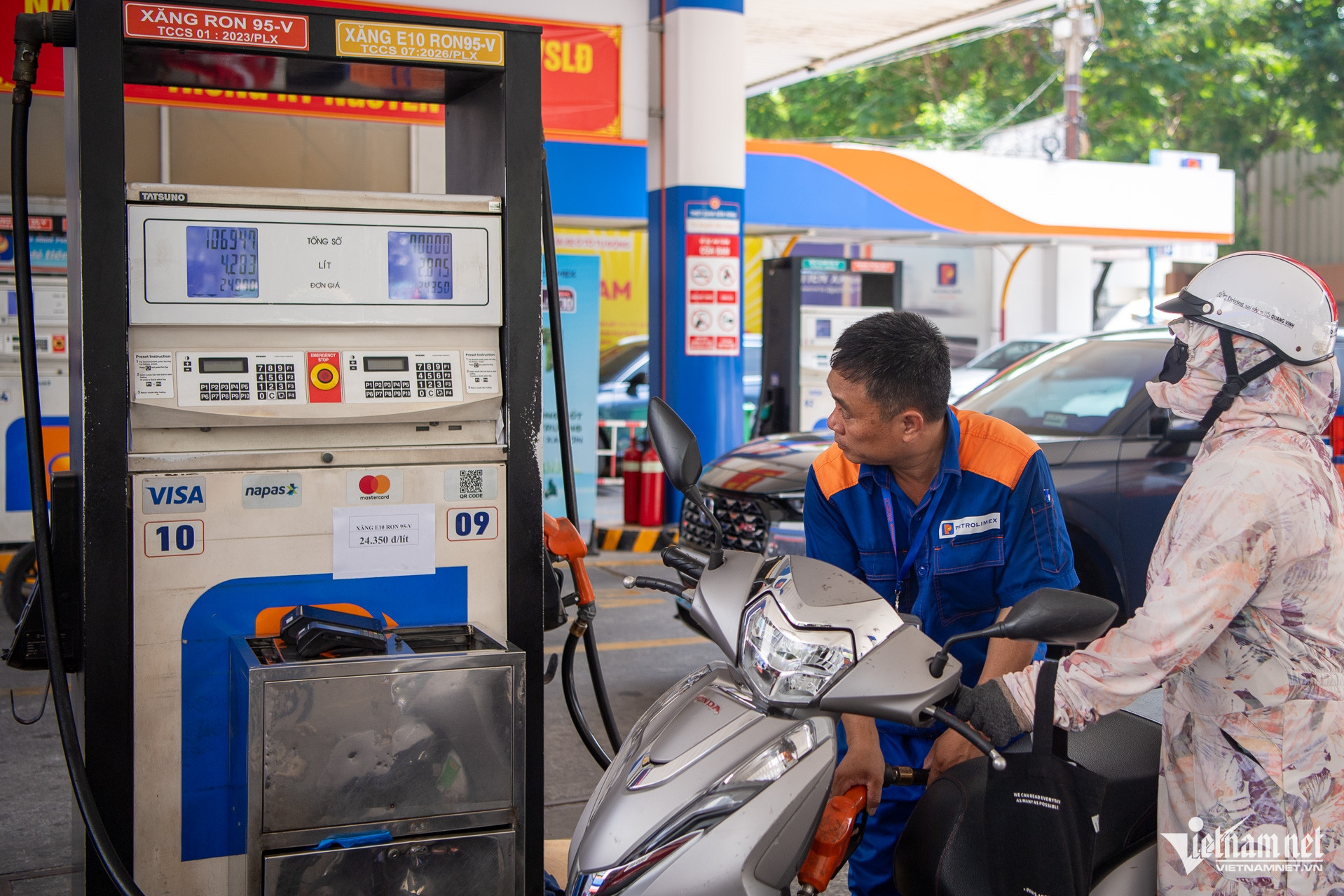
After years of testing, E5 gasoline officially entered nationwide distribution on January 1, 2018. However, the E10 roadmap outlined in Decision 53 was never fully implemented.
Following consultations with the government, the nationwide expansion of E10 RON95 gasoline from June 1 is now being viewed as the next step in Vietnam’s broader biofuel development strategy. Officials say the move aligns with the country’s energy transition goals, green growth agenda and commitments to reducing carbon emissions.
“The rollout of biofuel usage is not an imposed policy aimed at limiting consumer choice,” Nguyen Sinh Nhat Tan said. “It stems from the need for sustainable development, energy security, environmental protection and Vietnam’s international commitments on reducing greenhouse gas emissions.”
The deputy minister said Vietnam had previously allowed both mineral gasoline and biofuel products to coexist in order to give consumers time to adapt while businesses gradually upgraded distribution infrastructure, technical systems and supply chains.
However, he noted that experiences in many countries show that maintaining too many fuel types for an extended period can create logistical inefficiencies, increase storage and distribution costs and complicate operations for fuel retailers. It can also reduce the effectiveness of green energy transition policies.
Officials say E10 gasoline has already undergone extensive research and testing and is compatible with most vehicles currently in circulation.
According to the ministry, wider use of E10 could help lower emissions, reduce dependence on imported fossil fuels, support domestic biofuel production, create demand for agricultural feedstock and strengthen Vietnam’s energy self-sufficiency.
“We want to emphasize that the transition roadmap is designed to be gradual, carefully assessed and not implemented suddenly,” Nguyen Sinh Nhat Tan said. “During the rollout, the Ministry of Industry and Trade will continue coordinating with other ministries, businesses and stakeholders to ensure stable fuel supply, fuel quality and consumer interests.”
Addressing concerns over engine compatibility, the deputy minister said the ministry had worked with technical agencies, universities, automotive and motorcycle associations, fuel experts and businesses to evaluate the suitability of E10 gasoline for vehicles in Vietnam.
Reviews and international experience indicate that most cars and motorcycles currently operating in Vietnam can use E10 gasoline in line with manufacturer recommendations, he said. E10 is already widely used in countries including the United States, Brazil, Thailand and the Philippines, though ethanol blending ratios vary.
Vietnam has also conducted pilot programs and practical distribution trials through several major fuel distributors before moving toward nationwide implementation.
So far, authorities say there has been no official technical conclusion showing that E5 or E10 gasoline causes widespread damage to vehicle engines.
However, for older vehicles, infrequently used vehicles or those with poorly maintained fuel systems, the ministry recommends regular maintenance and adherence to manufacturer fuel recommendations to ensure optimal performance.
The Ministry of Industry and Trade said the development of biofuels must go hand in hand with technical safety standards, fuel quality assurance and consumer protection.
Authorities also pledged to strengthen public communication efforts and provide transparent, science-based information about biofuels in order to avoid confusion and prevent unverified claims from disrupting the market.
Tam An
.svg)
