 Vietnamnet.vn

 Podcast



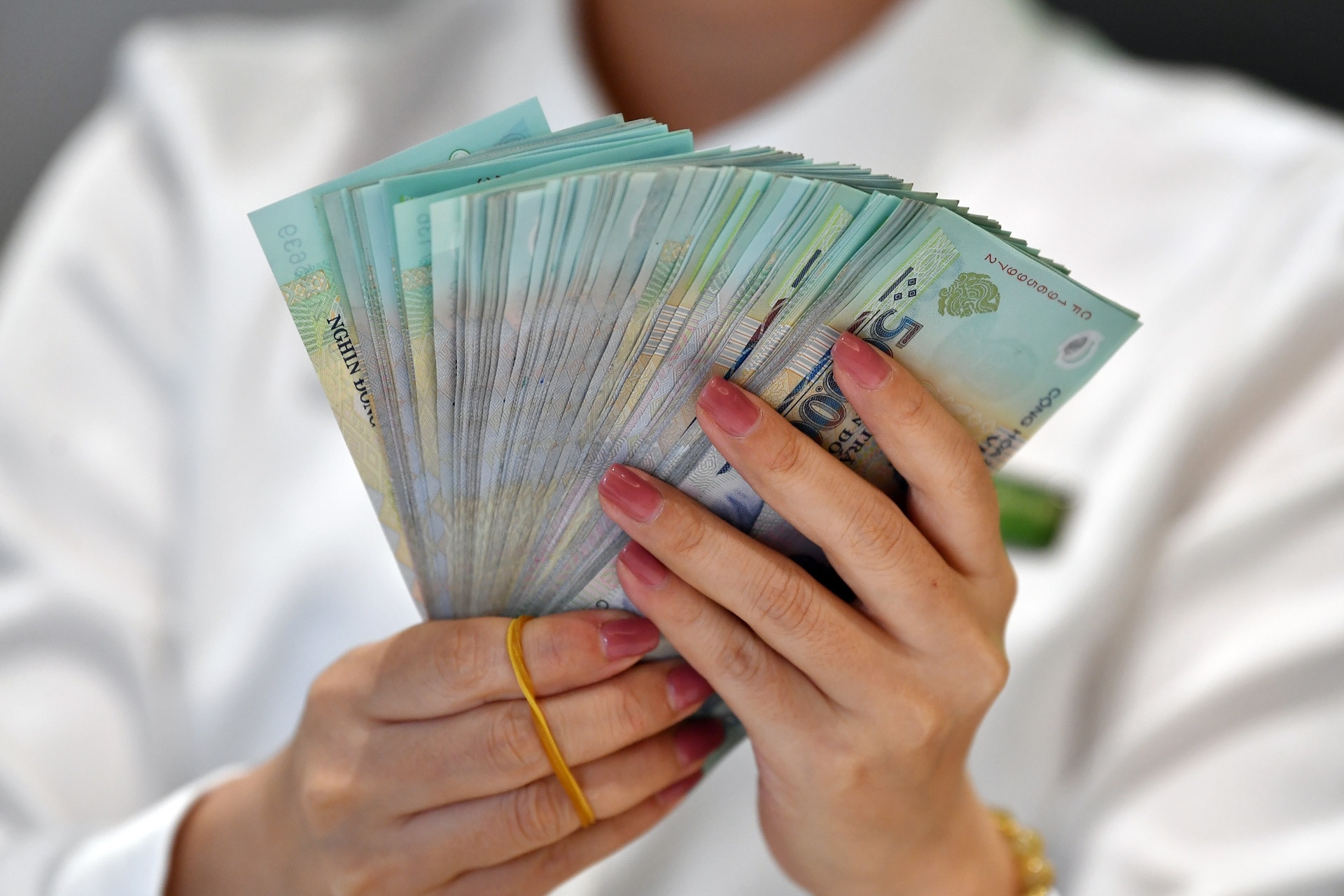
Nguyen Thi Lan, 28, has a stable job as a human resources officer with a monthly income of VND22 million, which is not low compared to the average for many young people in the city. However, for many years, she has felt that money is something distant, and investing is a game only for the rich.
After graduating from university and starting work at 23, Lan quickly developed a habit of disciplined saving. Each month, after covering living expenses, she deposited the remainder into a bank account with a fixed interest rate, believing this was the safest way to protect her money. When friends talked about stocks, investment funds, or online businesses, she would simply smile and shake her head.
In reality, her income is not low. But after five years of working, her accumulated savings have grown slowly. As housing prices, rents, and living costs are rising, she has begun to worry about her financial future.
Lan also faces another invisible pressure: the feeling of "standing still" while people around her seem to move forward very quickly. Peers have started buying houses, investing, opening side businesses, or talking about long-term financial plans. Meanwhile, she is still stuck with the goal of saving as much as possible but without a specific strategy for the next 5–10 years.
Her anxiety stemmed not only from slow asset growth, but also from a lack of initiative. She had no income-generating investment fund, no long-term financial protection plan, and no clear sense of what financial freedom meant for her. Every time she thought about changing, she felt uncertain, and afraid of making mistakes.
Lan realized that she always limits herself with thoughts like: "I'm not good with money," "investing is risky," or "what if I lose money?" These beliefs make her choose absolute safety, even though she feels increasingly insecure inside.
This is a challenge many young people face today: income is not lacking, but confidence and strategy to make money work for them are.
Fear of risk, missed opportunities
According to financial advisor Nguyen Manh Cuong, Lan’s case is far from unique. Many people grow up in environments where money is associated with risk, loss, or conflict. As a result, they develop a defensive mindset, prioritizing absolute safety over growth.
Cuong said a “poor mindset” does not mean low income. It reflects how people think about money: fear of risk, reluctance to change, and the belief that financial opportunities are not meant for them. When such beliefs repeat, individuals easily fall into a familiar loop: work, receive a salary, spend, save small amounts, and dare not invest. The root problem, he noted, is often not fear of losing money, but fear of losing control.
The solution starts with changing the questions we ask, according to Cuong. Instead of asking, “Do I have enough money to invest?” ask “What is the smallest amount I can start with?”
Investment is not a game for the rich; it is a tool to become wealthier over time. What matters is not the initial capital, but discipline and knowledge.
To break free from a poor mindset, individuals need to build a growth mindset in personal finance. This means accepting mistakes as part of learning, investing in knowledge before investing in assets, and focusing on long-term goals rather than short-term results.
In a volatile economic environment, knowledge and flexible thinking are assets no less important than money. According to Cuong, the biggest barrier on the journey to financial freedom is often not the market, but one’s own thinking.
The outlook for 2026 presents a mixed picture: gold and silver at high price ranges as central banks continue net purchases; equities approaching historical levels with valuations no longer cheap; real estate recovering alongside infrastructure development; bonds gradually reopening; and savings interest rates edging up.
When many investment channels are promising at the same time, the smart choice is not to seek a single answer, but to design a balanced portfolio structure, one that offers growth, defense, and discipline.
Nguyen Van Dinh, vice chair of the Vietnam Real Estate Association, said gold and equities are flexible arenas that allow investors with small capital to enter and exit easily. By contrast, real estate requires greater financial capacity, a solid capital base, or access to supporting financial resources, as well as the ability to use credit leverage effectively.
Tuan Nguyen
.svg)
