 Vietnamnet.vn

 Podcast


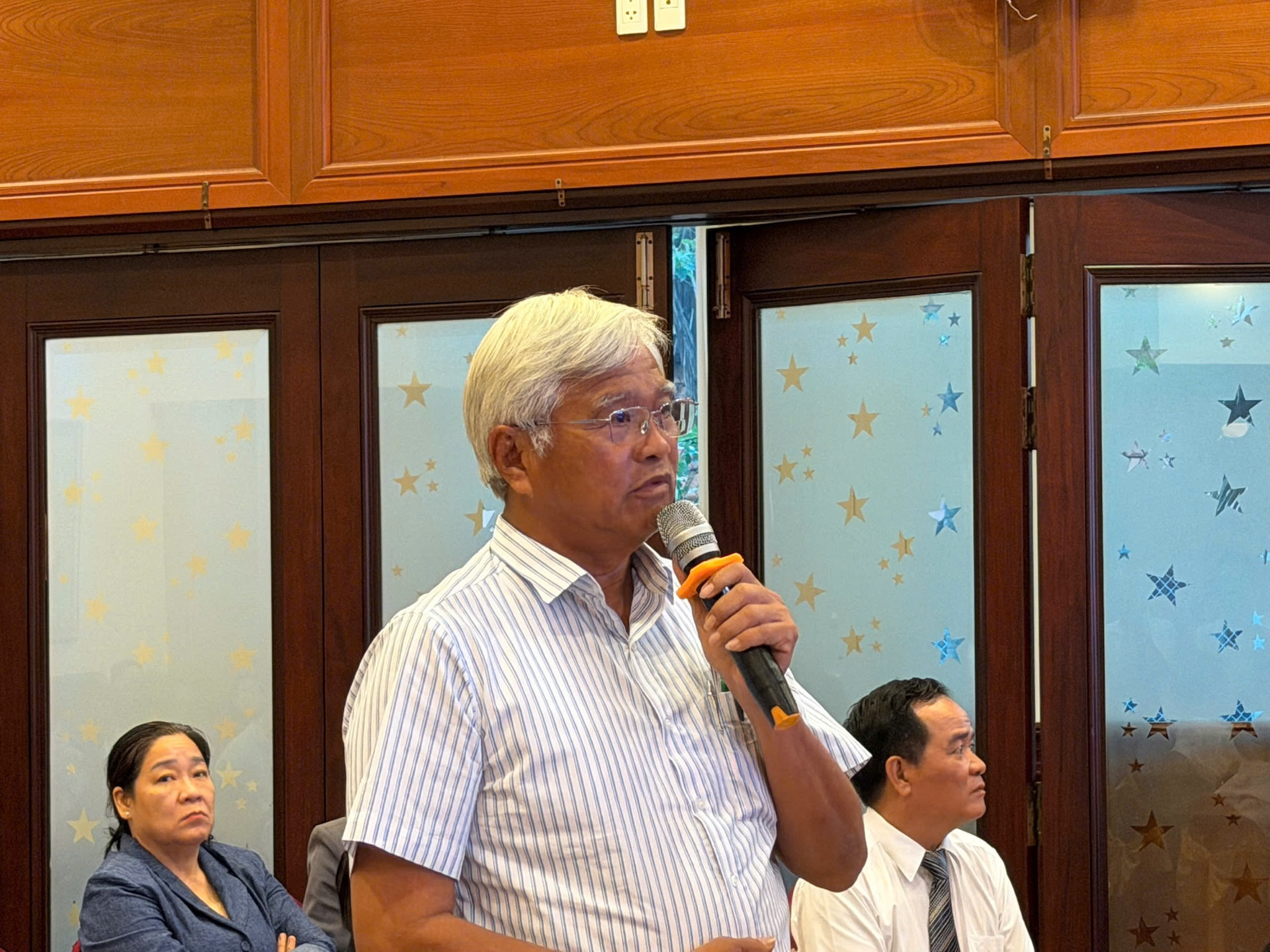
Tran Thanh Trong, General Director of Sang Ban Mai JSC, noted that the gross profit margin for manufacturing enterprises is 15–17 percent at maxium, while capital turnover cycles for projects stretch from six months to several years. If lending interest rates stay above 10 percent annually, corporate profits face severe erosion, diminishing investment and production momentum.
He said lending interest rates should be curbed below 10 percent per annum to support ongoing business operations.
Beyond capital costs, Trong complained that banks still require paper documents. Although regulatory agencies in HCMC have undergone digital transformation, banks continue demanding physical paper dossiers due to legal considerations.
He also raised concerns over shifting application workflows across bank branches whenever leadership personnel change, forcing enterprises to waste significant time completing procedures. In some cases, refinancing or transferring to another bank takes six to eight months.
In the logistics sector, a representative from the Dong Nai Logistics Association cited major cash flow pressures stemming from advance payments for fuel, seaport, and yard fees, while proposing shorter appraisal turnaround times and the development of specialized credit packages tailored to business cycles.
Uncertified land impairs access to bank capital
Collateral bottlenecks present another critical hurdle requiring resolution alongside capital access.
Tran Van Dung, General Director of Ba Ria - Vung Tau Seafood Processing Import-Export said in 2017 the enterprise complied with policy directives to relocate polluting factories away from residential zones, spending VND100 billion to construct three factories in the coastal area of Loc An (Dat Do town).
Despite relevant decisions issued by the Provincial People's Committee, the enterprise has gone eight years without being issued a land-use rights certificate (red book). This delay hinders the company from finalizing asset documentation and securing bank financing.
At times, the enterprise was restricted to a medium-term loan of only VND12 billion, despite generating an annual export turnover of around $60 million and providing employment for 1,000 workers.
He petitioned local authorities to resolve land procedures promptly so the business can leverage its invested resources.
Additionally, the enterprise spent over VND20 billion installing rooftop solar power systems across its factories to align with green growth goals, yet failed to access the 2 percent interest rate reduction package under national guidelines. The loan taken out for this system carries an interest rate of 11 percent annually for the first 12 months, subject to a floating margin of 3 percent per year thereafter.
Meanwhile, Vo Quan Huy, Director of Huy Long An - My Binh Co, which cultivates nearly 1,000 hectares of bananas, proposed expanding mid-term credit sources to fund high-tech agricultural infrastructure and circular economy initiatives.
Ngo Quoc Phuong, General Director of Cuu Long Electric Vehicles, noted that the valuation of land assets used as collateral by the enterprise in former Binh Phuoc province was marked down following an administrative merger. The company's credit limit was reduced from VND12 billion to under VND7 billion (a drop of over 40 percent). This rapid limit reduction caught the enterprise off guard.
Phuong asked banks to establish reasonable adjustment roadmaps, particularly for businesses maintaining steady cash flows and stable commercial contracts.
Capital for social housing
In the social housing segment, Le Huu Nghia, General Director of Le Thanh Construction and Trading, said that the enterprise is preparing a project in the expanded Tan Tao Industrial Park in the Ben Luc area, but remains concerned about capital sources despite having obtained investment approvals and 1/500 scale detailed planning.
According to Nghia, regulations restrict project profit margins for social housing to a maximum of 10 percent of total costs. If property developers must borrow at commercial interest rates, housing production costs will surge.
Meanwhile, if homebuyers face delays in preferential credit disbursements, cash flows paid to developers will suffer as well.
He questioned whether dedicated preferential capital packages exist for developers and whether the current credit "room" for homebuyers meets actual market demand.
Regarding the preferential credit package under Resolution No. 33/NQ-CP, 15 banks have committed to participating with a total scale of VND147 trillion. Applicable lending rates stand at 7 percent annually for developers and 6.5 percent annually for homebuyers. To date, participating banks have signed credit commitment contracts exceeding VND36 trillion, with actual disbursements reaching VND17.5 trillion.
Thu Ha

