 Vietnamnet.vn

 Podcast



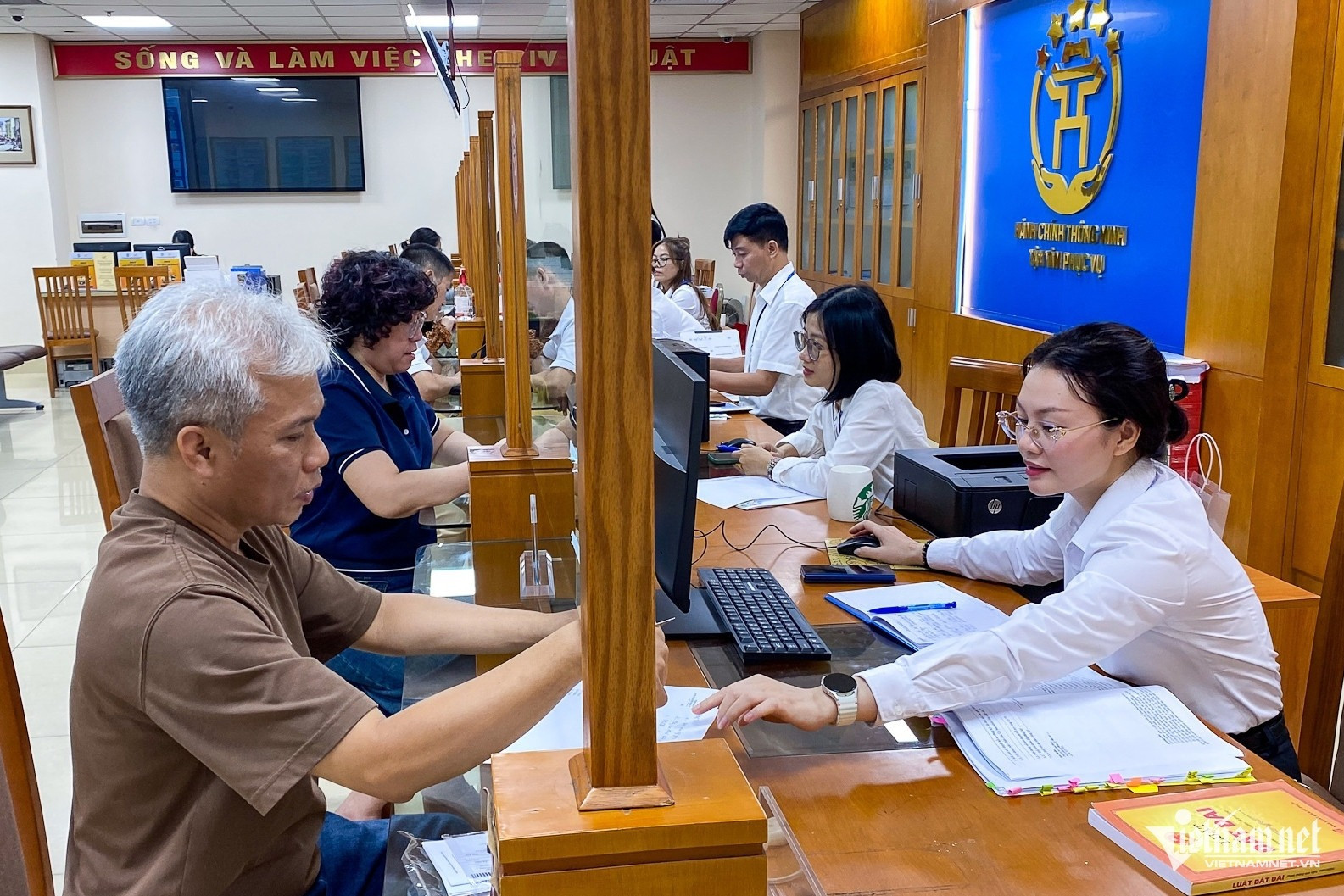
Under the decree, each government employee - whether a civil servant, public official, or public employee - will have an electronic personnel file that includes an electronic résumé and other components derived from employee data. These files will be uniquely identified using personal ID numbers, which will function as the digital record codes for personnel files across the entire system.
This unified approach ensures that each electronic file is tied to a unique identifier for efficient management and retrieval in digital environments.
The storage of these files will comply with laws governing documentation, archiving, civil service, and data management. Measures will be taken to ensure the integrity, accessibility, and availability of the data over time.
The electronic résumé will be created simultaneously with the digital personnel file and will be linked to a single, corresponding digital record. Its identifier will be the same as the file’s unique digital ID, with all information sourced from civil service data.
Mandatory regular updates to digital records
Government employees are responsible for regularly updating their personal information whenever changes occur. They are also legally accountable for the accuracy and honesty of the information they provide.
Organizations employing public servants are likewise required to promptly update personnel data arising from human resource management activities. These updates must be reflected in the national database within three working days of the information becoming available.
Data generated by internal human resource systems must be integrated into the digital files and synced with the national database no later than one day after relevant processes are completed.
For data produced by other agencies or organizations, the entity managing the national database must work with relevant data holders to coordinate weekly data syncing. This ensures the ongoing collection, verification, and updating of digital personnel files. If the data systems involved are not yet operational or compatible, updates must be manually entered into the files by the employee or their employing organization.
Digital files to replace paper in civil servant management
The digital components within the national personnel database will replace paper-based records in HR and administrative processes, in accordance with legal provisions.
In cases where paper records are still required for operational needs, authorized agencies can access digital files from the database and print the necessary documents. Public employees will not need to resubmit any information already contained in their digital files.
Government bodies may not request employees to re-provide data already available in the national database, except in cases where doing so is necessary to protect legitimate interests. If discrepancies in the data are discovered, individuals and agencies must update the records within their jurisdiction accordingly.
Access to these digital files is restricted to authorized individuals and organizations, and only with the employee’s electronic consent. Employees can also withdraw their consent at any time. However, if the information is required for personnel management purposes, authorized entities may access it within the scope of their duties and are bound by law to protect the confidentiality of personal data.
For information classified as state secrets, the agencies managing the national database and HR systems must implement secure measures to ensure data privacy during storage, transmission, and use, as mandated by law.
Backup, extraction, and use of data classified as state secrets must follow national regulations on state secret protection and cybersecurity.
Ngan Anh
.svg)
