 Vietnamnet.vn

 Podcast



In places once known as communication dead zones, new signals are beginning to appear on remote mountain peaks. They are not only telecommunications, internet and data signals, but also waves of knowledge, new governance methods and development opportunities reaching deep into highland villages.
From settlements perched on rugged mountainsides, dozens of kilometres from commune centres, geographical barriers are gradually being reduced through technology. These new "waves" are connecting residents with the outside world while helping government policies reach people faster and more effectively, gradually replacing paper notebooks and the long journeys once made by grassroots officials.
The series "Digital Waves on the Mountain Peaks" documents these changes, where technology is crossing mountains and overcoming geographical divisions to connect remote communities with the country's broader development journey. It also highlights how behind every telecommunications tower, internet connection and digital database lies a determination to ensure that no village is left behind.
Part 1: How technology is reshaping governance in Vietnam’s mountainous regions
For every household and every village to be fully represented on the digital map of public policy, many ethnic minority and mountainous localities are gradually building digital government from the grassroots level, with villages serving as the foundation.
Thanks to technology, many meetings no longer depend on lengthy travel, while administrative procedures can increasingly be completed locally. From Zalo communication groups and digital notebooks to online management software, daily operations at the grassroots level are becoming more convenient and transparent.
Technology is helping local governments reorganise community life through digital tools, from administration and production to social activities. Although still in the early stages, these changes are gradually breaking down geographical barriers and paving the way for a shift from experience-based management to data-driven governance, unlocking local potential for development.
From digital villages to digital government
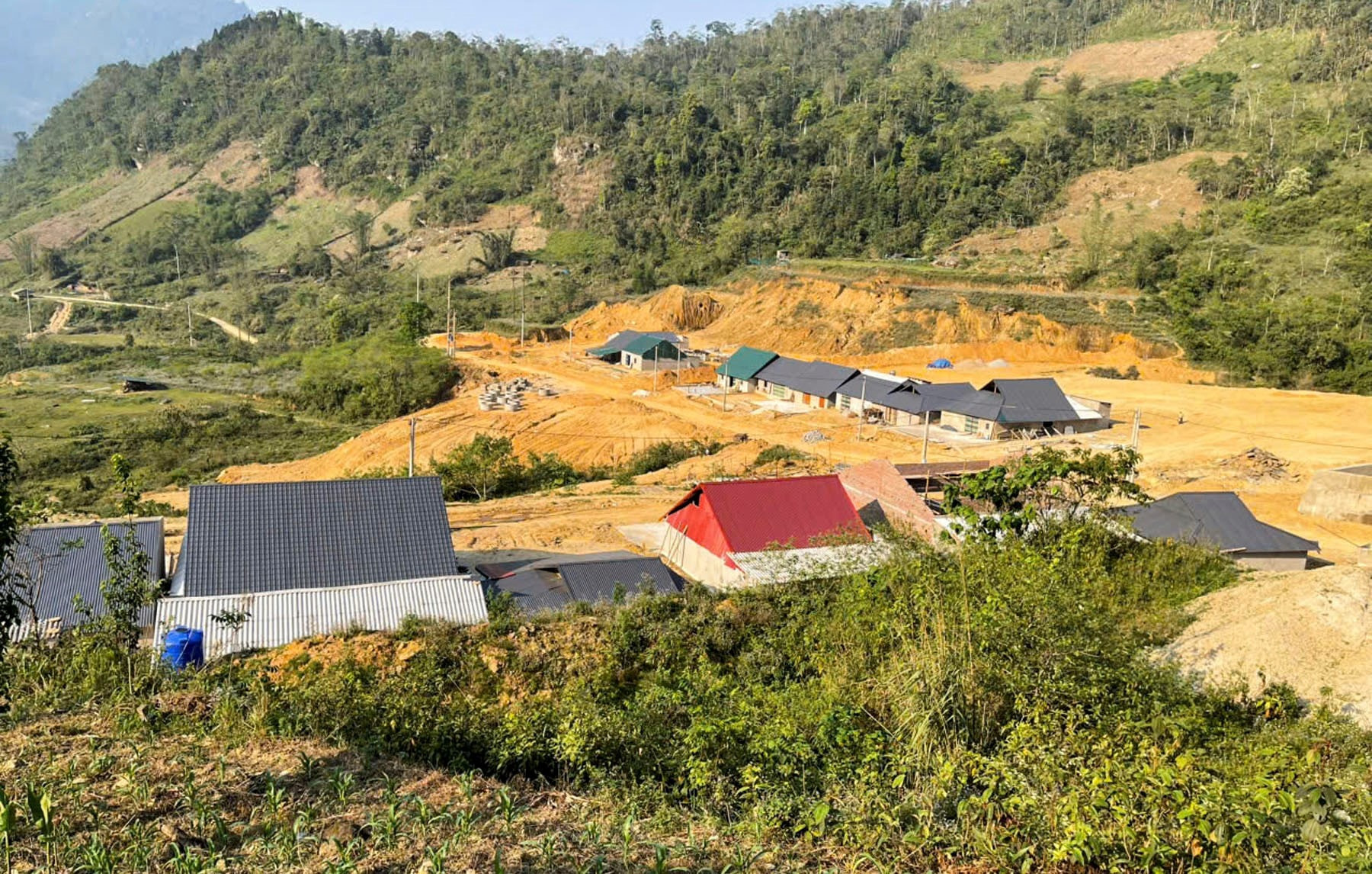
Lao Vang is one of the most remote and disadvantaged villages in Bat Xat Commune, Lao Cai Province. Mountainous terrain divides the area, and many of its 93 households are scattered across hillsides, making access to public services and policy implementation particularly challenging.
To bring government closer to residents, Lao Vang was selected in November 2025 as a pilot site for a digital village model.
Basic equipment and infrastructure were provided to bring digital connectivity into the community, allowing residents to access public services more quickly and without the time and travel costs previously required.
Vang Thong Din, a local resident, said that in the past villagers had to travel to the commune centre whenever they needed administrative documents processed.
"For elderly people who cannot ride motorbikes, every administrative procedure was a difficult journey," he said. "Now many simple procedures can be handled at the village cultural house, where residents receive online guidance and support from commune officials through computers."
According to Chao Duan Phau, head of Lao Vang Village, the digital village model has proven especially valuable in addressing urgent community issues.
Timely data updates have helped accelerate policy implementation and respond more effectively to residents' needs.
Lao Vang is considered one of Bat Xat Commune's most landslide-prone areas. In 2022, funding from the National Target Programme 1719 was allocated for a nearly seven-hectare resettlement area.
However, due to various challenges, including slow information updates and reviews, only half of the site preparation work had been completed by the end of 2025.
More regular updates of population data, resettlement needs and household information helped authorities resolve many obstacles in implementing the project.
The digital village model contributed to accelerating progress, and the resettlement area's infrastructure has now been completed. Grid electricity arrived in early May 2026, and 19 households have already relocated.
Lao Vang demonstrates that digital transformation in mountainous regions does not necessarily begin with complex technologies. It can start with helping residents save a journey, reducing one mountain crossing for local officials and bringing public policy closer to daily life.
Lao Cai expands digital village model

Bat Xat Commune is currently piloting the digital village model in seven villages and plans to expand it to three more during 2026.
Building on these results, the Lao Cai Provincial People's Committee issued Decision No. 828/QD-UBND on March 27, 2026, establishing provisional criteria for "Digital Villages and Smart Villages."
The criteria are divided into three levels - basic, advanced and smart - to accommodate varying levels of development across different localities.
Building digital citizens in remote communities
For ethnic minority and mountainous areas, the digital village model carries particular urgency.
With vast territories, difficult terrain, dispersed populations and limited transport infrastructure, digital connectivity is helping not only to narrow governance gaps but also to ensure residents can access government policies fully and promptly.
More broadly, digital villages are laying the foundation for grassroots digital government, helping reduce geographical barriers, narrow development gaps and ensure no citizen is excluded from the digital transformation process.
Yet in many disadvantaged communities, digital transformation is not simply about installing equipment or internet connections. More importantly, it requires improving residents' digital skills.
Against this backdrop, helping people become comfortable with technology and gradually developing "digital citizens" has become a priority for local authorities.
Back in Lao Vang, economic conditions remain challenging, and many residents have limited access to smart devices and digital skills.
As a key pilot site for the digital village programme, Bat Xat Commune has organised numerous digital transformation training sessions for villagers.
Most recently, on May 29, 2026, the commune launched a programme to help residents meet the requirements of Lao Cai's provisional Digital Village and Smart Village criteria.
With support from Bat Xat's Digital Transformation Task Force and the village's Community Digital Technology Team, residents were introduced to digital services in a safe and practical manner.
According to Le Manh Hung, Chairman of the Bat Xat Commune People's Committee, residents received training on online public services, electronic health records, the Digital Literacy for All platform, Smart Agriculture applications, utility bill payments, SIM card verification and telecommunications services supporting digital transformation.
"To ensure the digital village model is practical and effective, task force members also visit households directly to assist elderly people, people with disabilities and those facing difficult circumstances who cannot attend centralised support sessions," Hung said.
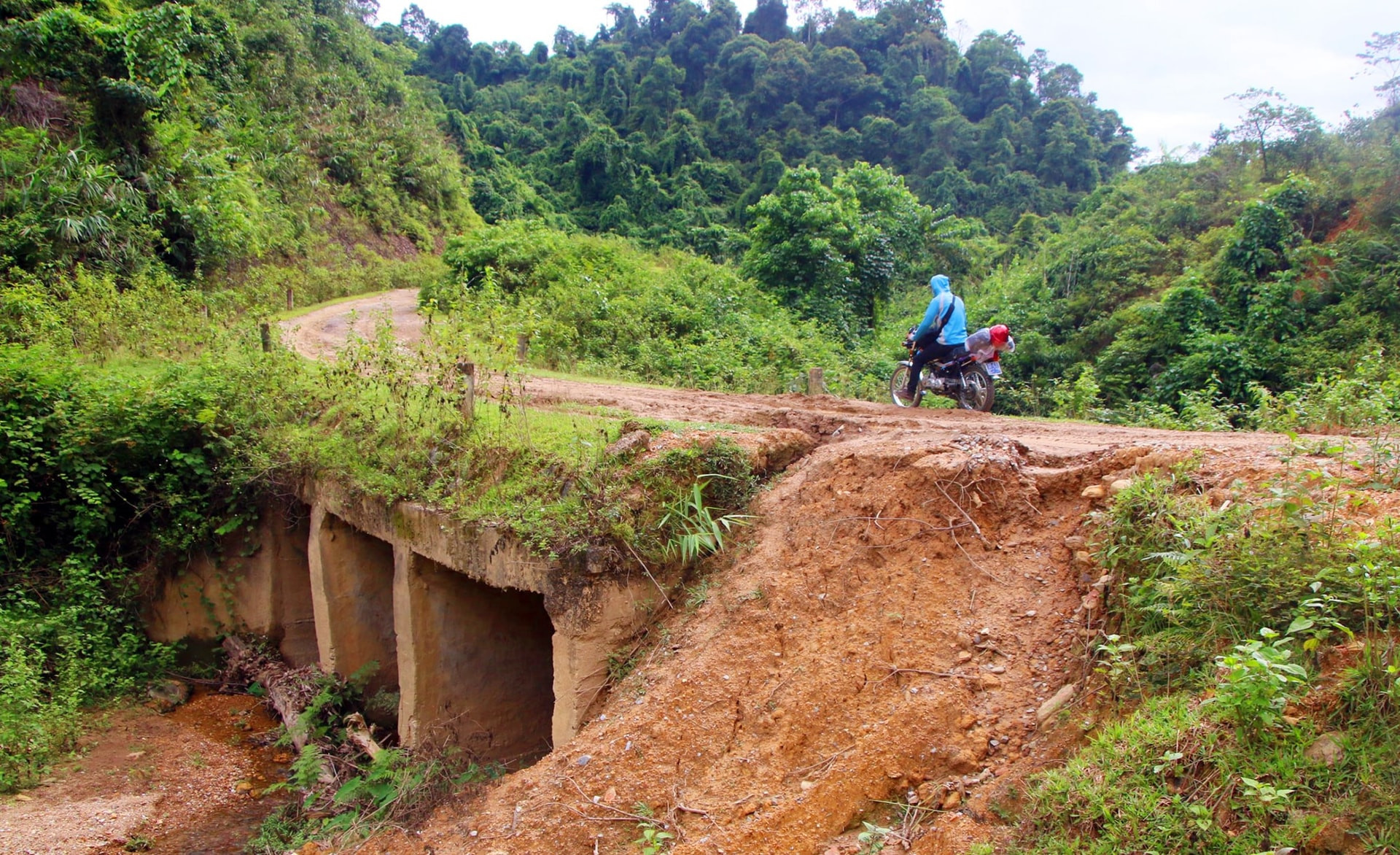
Many more training programmes like those in Bat Xat need to be replicated across ethnic minority and mountainous regions.
Digital transformation cannot succeed through infrastructure, devices and connectivity alone. The decisive factor is creating digital citizens - people with the skills needed to access information, use digital services and turn technology into a development tool.
When residents can independently complete administrative procedures, access agricultural knowledge and use essential services through a smartphone, the signals reaching remote mountain communities become much more than telecommunications or internet connections.
They become bridges to opportunity, narrowing development gaps and opening new pathways for highland communities to move confidently into the future.
According to Report No. 812/BC-BDTTG issued by the Ministry of Ethnic and Religious Affairs on March 31, 2026, following administrative restructuring there are currently 33,764 villages in ethnic minority and mountainous areas nationwide, including 13,139 classified as especially disadvantaged.
Across these regions, 97.5% of villages now have paved road access. However, the rate stands at 95.9% in the Northern Midlands and Mountainous Region, including 93.8% in Dien Bien Province and 82.8% in Son La Province.
Sy Hao
.svg)
