 Vietnamnet.vn

 Podcast



Representatives of wood manufacturing and processing enterprises have voiced concerns and proposals aimed at enhancing the role of the Vietnam Timber and Forest Products Association (Viforest) in supporting business connectivity, trade promotion, and policy advocacy.
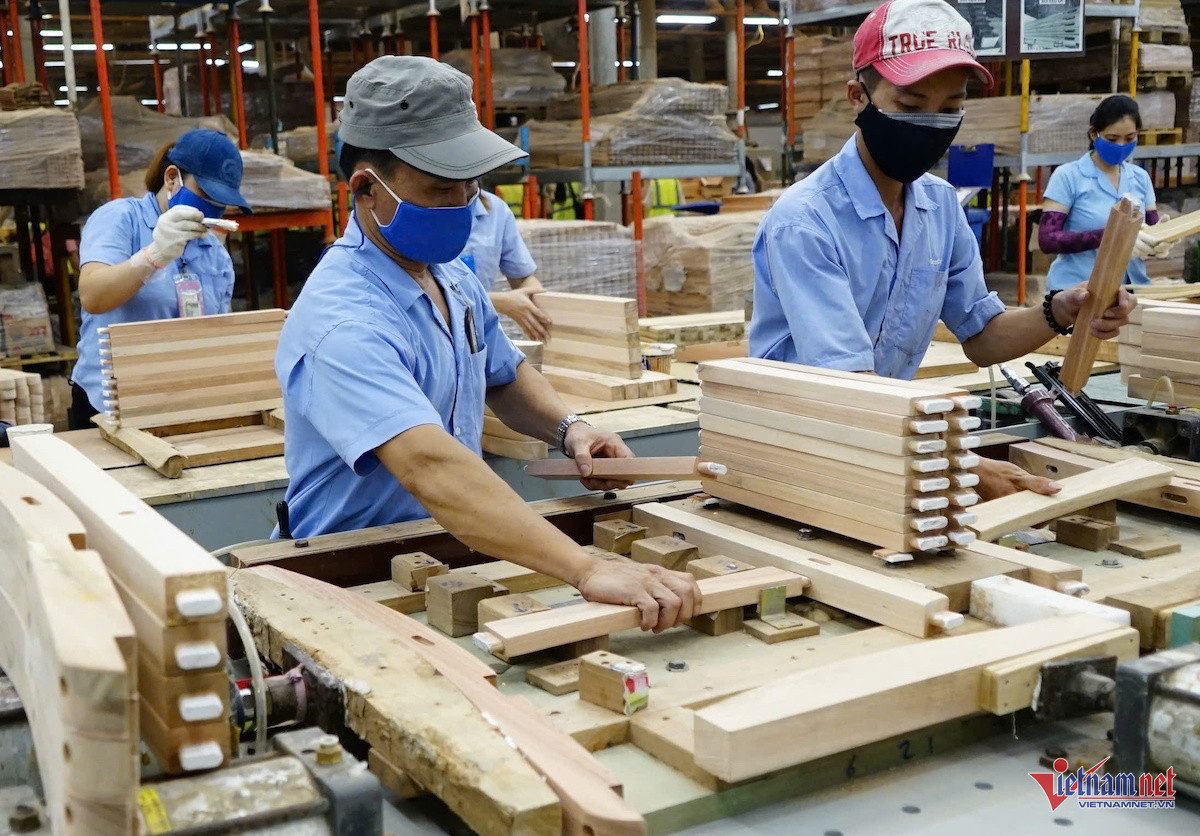
During the 5th Congress (2025–2030) of Viforest held on December 11 in Ho Chi Minh City, leading figures in the industry shared their experiences and frustrations in adapting to new market demands, particularly around digitization and governance.
Le Duc Nghia, Chairman of the Board of Directors at An Cuong Wood JSC, emphasized the importance of direct engagement among businesses. He believes such forums offer clearer perspectives on the industry and help companies identify solutions for sustainable growth.
According to Nghia, domestic wood companies benefit from a highly skilled labor force and are capable of producing goods competitive with foreign brands. Yet, he admits that managerial capacity remains a major challenge.
Recalling his own company's turning point a decade ago, Nghia said An Cuong reached approximately 1 trillion VND (around 40 million USD) in revenue, but he felt unprepared to manage growth efficiently. This pushed him to restructure and invest 1 million USD in digital transformation.
“Digitization has helped An Cuong streamline operations and gain full process control over the past five years,” he stated.
At the congress, Vu Quang Huy, CEO of Tekcom JSC, noted his company currently earns around 100 million USD annually (approximately 2.5 trillion VND), primarily from plywood and kitchen cabinets. However, he warned that the wood and plywood industries are evolving rapidly and face mounting pressures from tariffs, origin traceability, and transparency standards.
Huy highlighted several systemic challenges: rising input costs amid falling product prices, legal risks tied to sourcing, and supply chain disruptions as more firms resort to importing raw materials themselves.
To navigate these issues, Huy proposed three key strategies: increasing transparency in sourcing, promoting collaboration and specialization, and transforming supply and value chains.
“If we strengthen cooperation, Vietnamese supply chains can rival those of Thailand or China,” Huy affirmed.
Sharing deep concerns about the future of woodworking as a craft, Nguyen Thi En, Standing Vice President of the Van Diem Craft Village Association, stated that traditional woodworking villages are facing immense pressures in today’s market.
According to En, traditional handicrafts - once celebrated for their cultural value - are being squeezed out by mass-produced goods and shifting consumer tastes.
Moreover, many traditional designs no longer match modern consumer needs, limiting access to younger audiences and high-end markets. Although artisanal products receive praise in Europe, craft villages still struggle to meet international standards.
En also pointed to digital transformation and e-commerce as serious obstacles. Most workshop households still operate independently, lack digital marketing strategies, and have limited adaptability to rapid market changes and higher digitization demands.
For long-term sustainability, En believes craft villages must be restructured into larger models that allow collaborative production to boost competitiveness.
“Authorities and Viforest need to strengthen support in trade promotion, product design innovation, and digital training for producers. Only by preserving traditional values while adapting to modern needs can woodworking villages truly thrive,” she said.
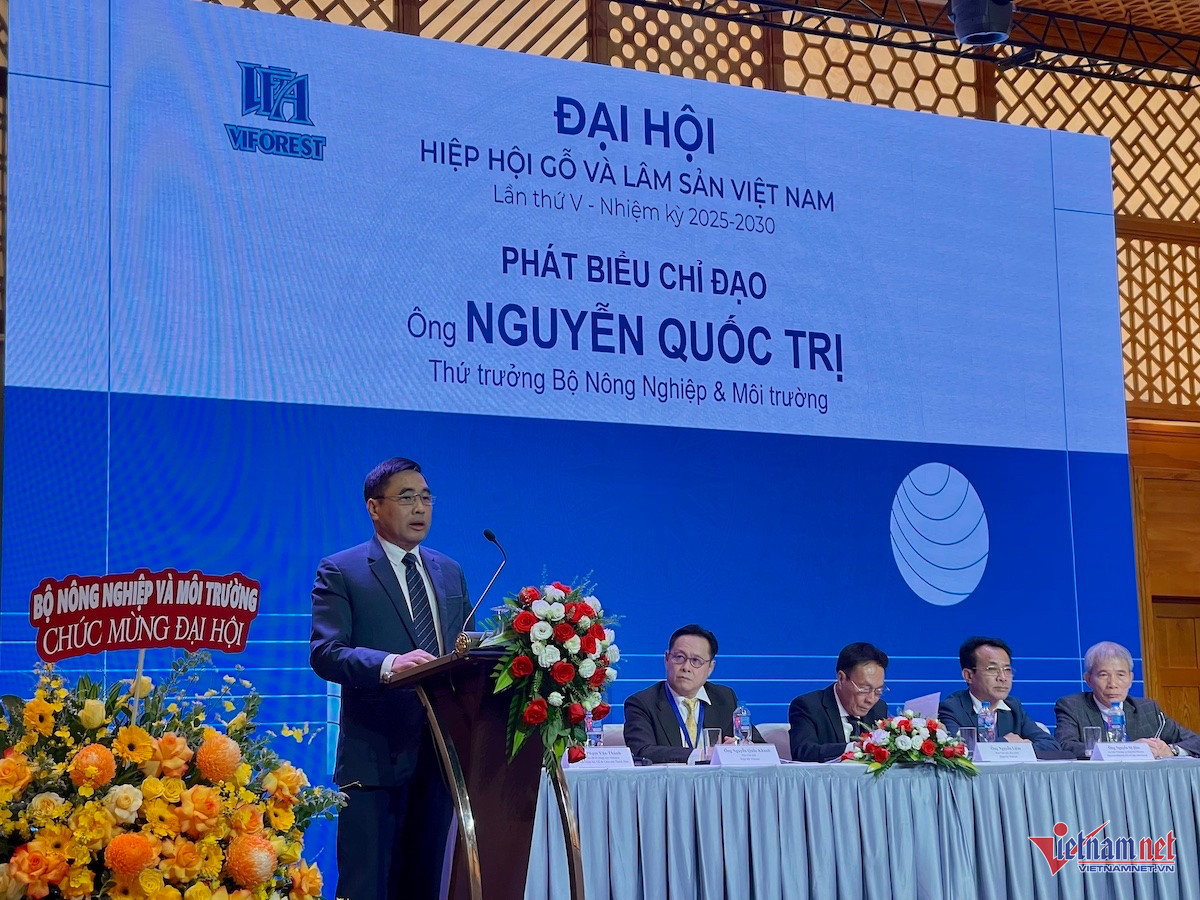
Deputy Minister of Agriculture and Environment Nguyen Quoc Tri, speaking at the congress, praised Viforest’s contributions to wood processing and exports.
To help businesses meet stricter standards - especially regarding legal timber, product origin, and carbon emissions - he urged the association to adopt new mindsets, reform operations, and accelerate the implementation of key plans.
For the 2025–2030 term, the Deputy Minister outlined core goals for Viforest: to continue helping businesses overcome challenges, actively participate in policymaking, expand markets, and promote the development of high-value products.
He emphasized the need for a transparent, eco-friendly production model that meets the growing expectations of international markets, and called on Viforest to strengthen its role in building a legal wood supply chain.
The congress also approved key revisions to the association's organizational charter and elected a new 31-member executive board for the 2025–2030 term. Nguyen Quoc Khanh, Chairman of AA Architecture Construction JSC, was elected as Viforest’s new President.
Anh Phuong
.svg)
