 Vietnamnet.vn

 Podcast



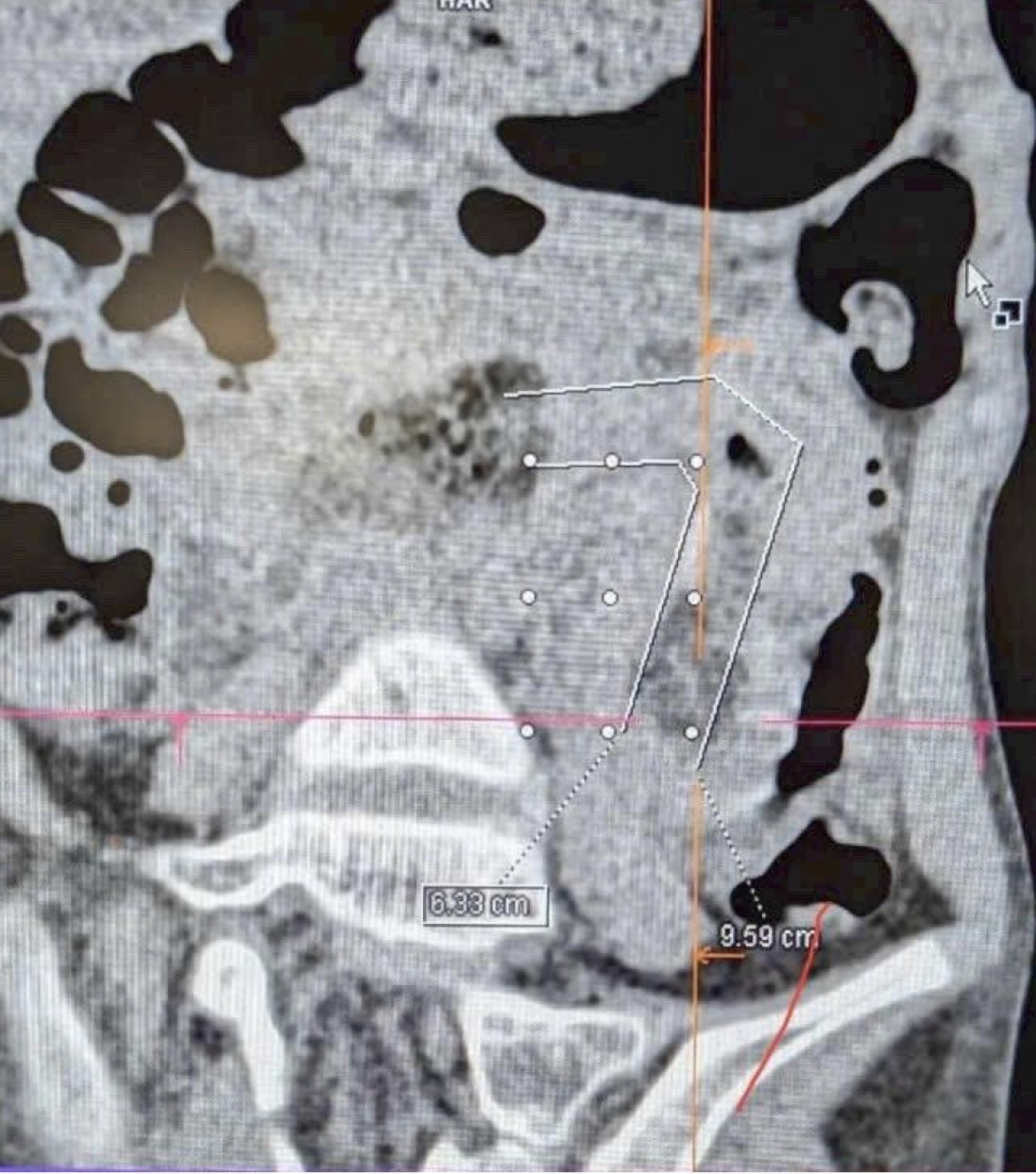
The girl, identified as H., was brought to the hospital after suffering from prolonged abdominal pain, persistent vomiting, noticeable weight loss, and pale skin. Initial symptoms pointed to a digestive disorder, but a thorough examination and consultation among specialists in general surgery, gastroenterology, and diagnostic imaging revealed something far more serious.
A CT scan showed a dense, rope-like mass of hair completely obstructing the digestive tract. The hairball extended from the stomach to the small intestine, causing a full blockage.
“When examining her, I noticed her hair looked unusually dry and stood on end. This led me to dig deeper into her habits,” said Dr. Le Duc Tuan from the Department of General Surgery at FV Hospital. “Her mother then revealed that the child had a long-standing habit of pulling and eating her hair, which began when she was around two or three years old. For years, the family dismissed it as harmless.”
Doctors explained that hair is indigestible. Over time, the strands accumulate and entangle inside the stomach, forming a solid, rope-like mass that can lead to severe gastrointestinal obstruction.
Three-hour surgery to remove the hairball
Doctors at FV Hospital deemed this an extremely rare and complicated case due to the size and density of the hairball, which spanned multiple segments of the intestine. If not handled properly, the risk of intestinal necrosis and life-threatening complications would have been high.
The main challenge was choosing a treatment approach that would minimize trauma and reduce recovery time. An open surgery could have posed greater risk of infection and a longer healing process.
After careful evaluation, the surgical team opted to combine two minimally invasive techniques: gastrointestinal endoscopy from above and laparoscopic abdominal surgery from below. The endoscope helped pinpoint the location and guide the extraction from the stomach, while the laparoscopic procedure allowed access to the obstructed intestine.
This dual-approach method avoided the need for open surgery and helped the patient recover more quickly.
Thanks to the coordination between the two surgical teams, the hairball was successfully removed after about three hours, fully resolving the blockage without damaging the intestines.
Post-surgery, the girl experienced fast pain relief, resumed eating, and was discharged from the hospital five days later. At recent follow-up visits, she has gained weight and shown significant emotional improvement.
Doctors warn of ‘harmless’ habits with hidden dangers
According to Dr. Tuan, hair-eating behavior, medically known as trichophagia, is often linked to mild psychological disorders or anxiety. Such habits may begin in early childhood and are frequently overlooked by families as simple playfulness.
“This behavior should never be considered just a quirky habit. If left unaddressed, it can lead to severe consequences and even become life-threatening,” Dr. Tuan warned. “Some cases may require psychological counseling to prevent recurrence.”
In H.’s case, the hospital provided the family with guidance before discharge. Parents were advised to monitor the child closely, engage in more communication, and seek professional mental health support if the behavior resurfaces.
Phuong Dung
.svg)
