 Vietnamnet.vn

 Podcast



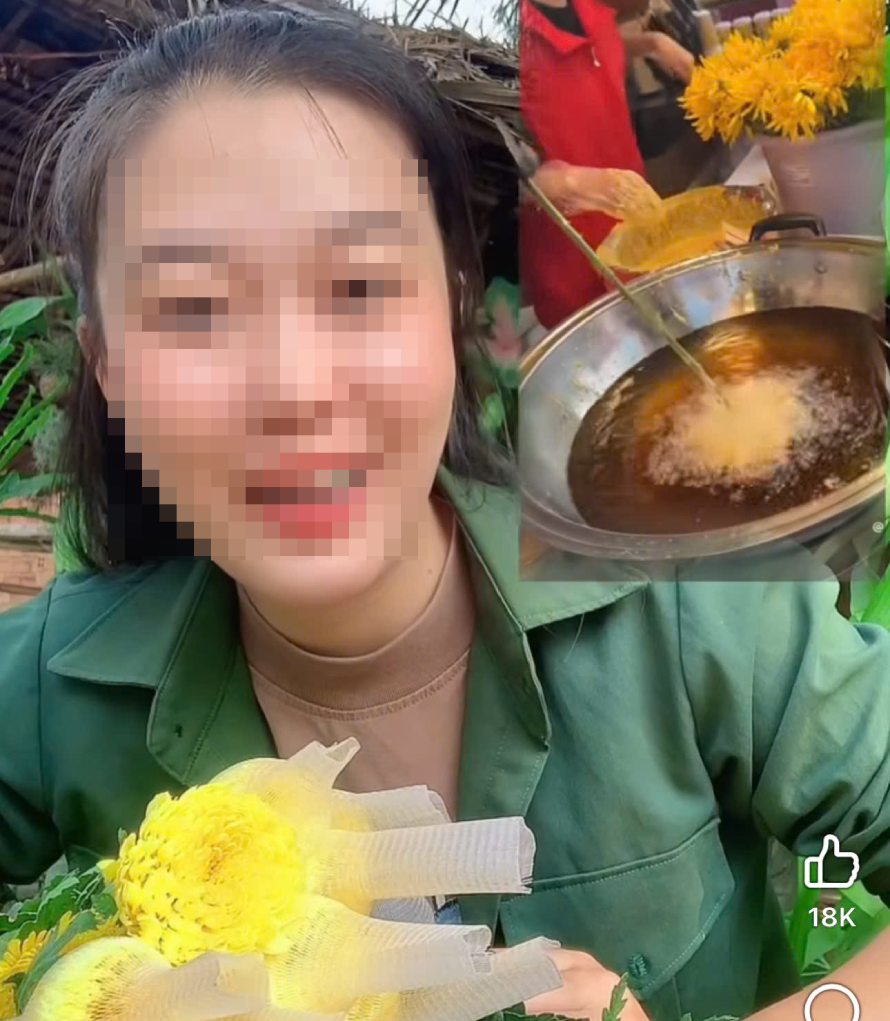
A social media user shared a recipe for fried chrysanthemums, where the flowers are washed, dipped in batter, coated with cornstarch, and deep-fried. According to the user, the dish mainly tastes of batter and oil, while concerns remain about pesticide residues on the flowers.
In reality, certain familiar flowers such as pumpkin blossoms, sesbania flowers, lotus, butterfly pea, and Telosma cordata have long been used in Vietnamese cuisine and are considered safe when properly prepared.
According to Dr. Nguyen Huy Hoang, a member of the Vietnam Society of Underwater Medicine and Hyperbaric Oxygen, consuming flowers can offer some nutritional benefits. Preliminary studies suggest that certain flowers contain antioxidants, flavonoids, vitamins, and bioactive compounds that may support cardiovascular health, the nervous system, or sleep.
However, these benefits are largely based on laboratory or animal studies and are not sufficient to classify flowers as therapeutic foods.
Hidden risks
Dr. Hoang emphasized that overusing or overestimating the benefits of flowers can lead to dangerous misconceptions and health risks.
Toxicity risks are among the most serious concerns. Some flowers are highly poisonous if mistakenly consumed. For instance, oleander can cause heart rhythm disturbances and even death, while Datura may lead to hallucinations and respiratory failure. Others, such as hydrangea, daffodil, and lily of the valley, can trigger poisoning symptoms ranging from nausea and abdominal pain to cardiovascular complications.
Identifying flowers by sight alone is not easy, especially for those without botanical knowledge.
Chemical exposure is another major risk. Most flowers on the market are not grown under food-grade standards. Many are treated with pesticides, plant protection chemicals, or growth stimulants to maintain color and freshness.
These substances can remain on petals and enter the body when consumed, potentially affecting the liver, nervous system, and endocrine system, and even increasing cancer risk over time if accumulated. Additionally, flowers grown in polluted environments may contain heavy metals such as lead and cadmium.
Bacterial contamination and allergies also pose threats. Flowers are often eaten raw or lightly prepared, so if not thoroughly washed, they may carry bacteria such as E. coli or Salmonella, leading to digestive disorders, diarrhea, or food poisoning.
At the same time, individuals with allergies may react to proteins in flowers, causing itching, hives, swelling of the lips, or even life-threatening anaphylactic shock.
Expert advice for safe use
To ensure safety, Dr. Hoang advises that people should only consume flowers that are clearly identified as edible, have a known origin, and are grown according to food safety standards.
Consumers should avoid flowers purchased from florists, decorative flowers, or those collected from roadsides. During preparation, flowers should be thoroughly washed under clean water, with stamens, calyxes, and inedible parts removed.
Flowers should only be consumed in small quantities as a supplementary ingredient rather than a main food source, and should not be eaten frequently.
In particular, pregnant women, individuals with underlying health conditions, or those prone to allergies should exercise caution and consult medical professionals before consuming such foods.
Phuong Thuy
.svg)
