 Vietnamnet.vn

 Podcast



Here are the five most impactful developments that shaped Vietnam’s automotive and motorbike landscape in 2025:
1. Policies reshape the auto and motorbike market
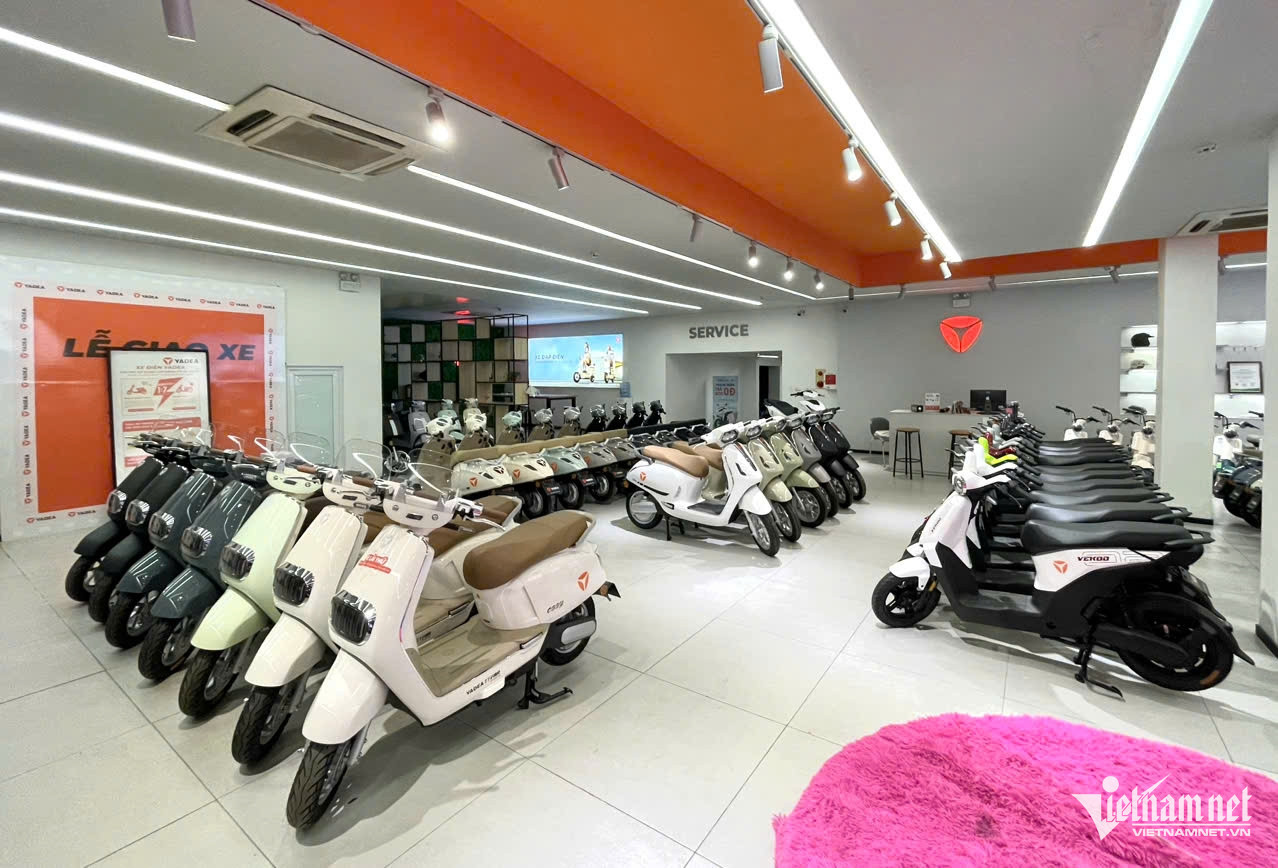
In 2025, Vietnam's transportation policies shifted from encouragement to decisive market restructuring. Central to these efforts was the roadmap to restrict fossil-fuel vehicles and boost the adoption of electric vehicles, especially in major cities grappling with pollution and congestion.
Under the government’s directive, local authorities were tasked with crafting concrete plans to gradually limit gasoline-powered vehicles in downtown areas - starting with inner-city beltways and expanding outward over time.
This wasn’t just administrative action for emission reduction; it sent a clear policy signal forcing market adaptation. As space and time for internal combustion engine (ICE) vehicles become restricted, their usage and resale values will shift, directly influencing consumer behavior.
At the same time, eco-friendly vehicles gained priority. Tax incentives, reduced registration fees, and an expanding charging network across residential zones, commercial centers, and traffic corridors made EVs more accessible.
Not only electric cars, but electric motorbikes - ubiquitous in Vietnam’s urban mobility - were also supported via financial aid and usage encouragement programs. Expanding supportive policies for both segments has had a compounding effect, reshaping supply and demand across the board.
2025 marked the year when policy no longer stood on the market’s sidelines - it became the central driver steering consumer trends and the restructuring of Vietnam’s personal transport sector.
2. Carmakers slash prices, buyers reap benefits
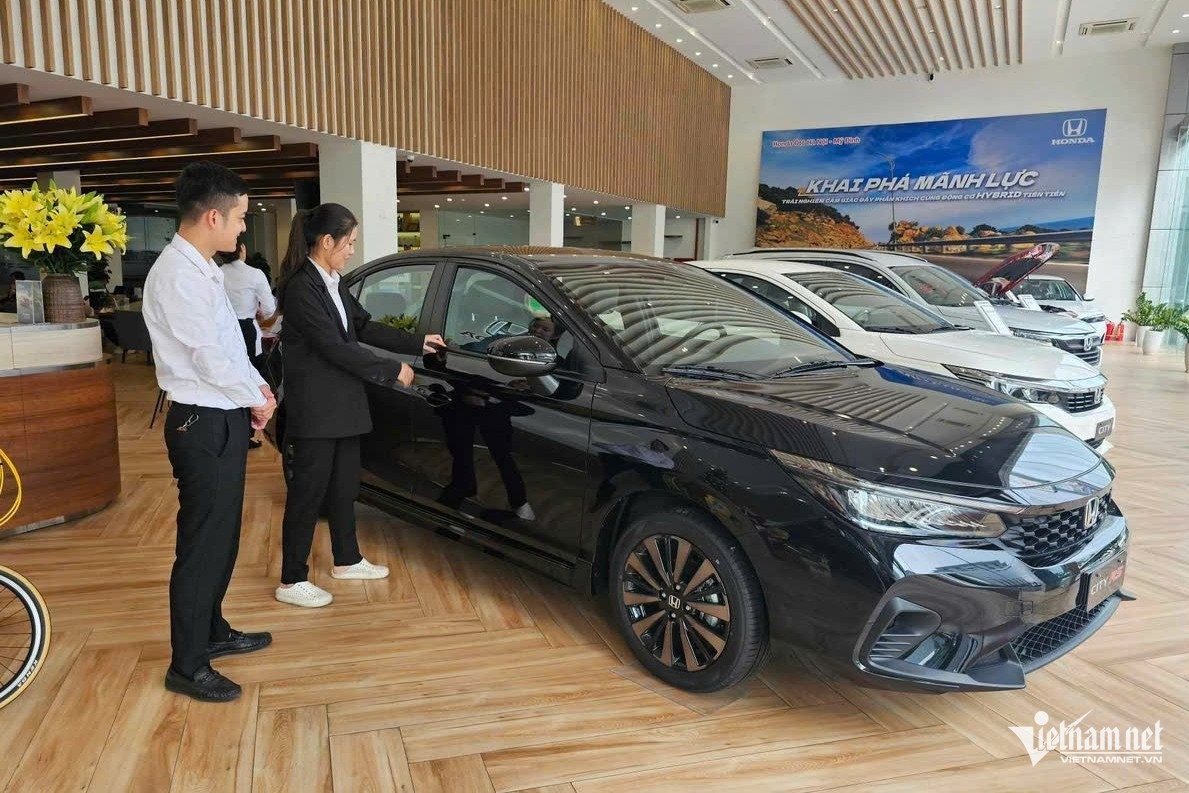
The year 2025 marked a new chapter for Vietnam’s automobile market, with widespread, unprecedented price drops across nearly every segment.
The discount trend extended beyond isolated models, affecting economy cars, urban SUVs, and even many imported vehicles. Models that once sold with huge markups of tens to hundreds of millions of VND just a year or two ago saw dramatic price cuts.
Waves of promotions - from registration fee discounts to cash rebates and free accessories - drove down actual car prices to their lowest levels in years.
Oversupply, fierce brand competition, and cautious consumer spending drove this sharp decline. The influx of new models, especially SUVs and EVs, forced older versions to lower prices to stay competitive.
Meanwhile, the motorbike market saw a stark divide. Gas-powered bikes lost appeal, often sold below listed prices. In contrast, electric motorbikes gained ground, drawing consumer interest with low running costs and eco-conscious appeal.
In this record-low pricing climate, consumers benefited most - gaining broader choice and better value aligned with their needs and budgets.
3. Green vehicles go mainstream
In 2025, Vietnam’s green vehicle movement moved from trend to mainstream reality. Electric and hybrid vehicles no longer served as trial balloons - they became real consumer priorities.
The market saw an influx of electric and hybrid models across various segments - from compact EVs to electric MPVs and mid-range hybrid sedans.
Automakers integrated electric and hybrid options into their core offerings, signaling a strategic shift. These green models were no longer optional - they were future pillars. Hybrids especially became a key bridge, helping consumers ease into electrification without abandoning ICE flexibility.
EV and hybrid sales grew rapidly, both in volume and as a share of overall car sales. Their growth outpaced traditional ICE vehicles, highlighting a shift in consumer values: lower long-term costs, reduced emissions, and compliance with evolving urban transport rules.
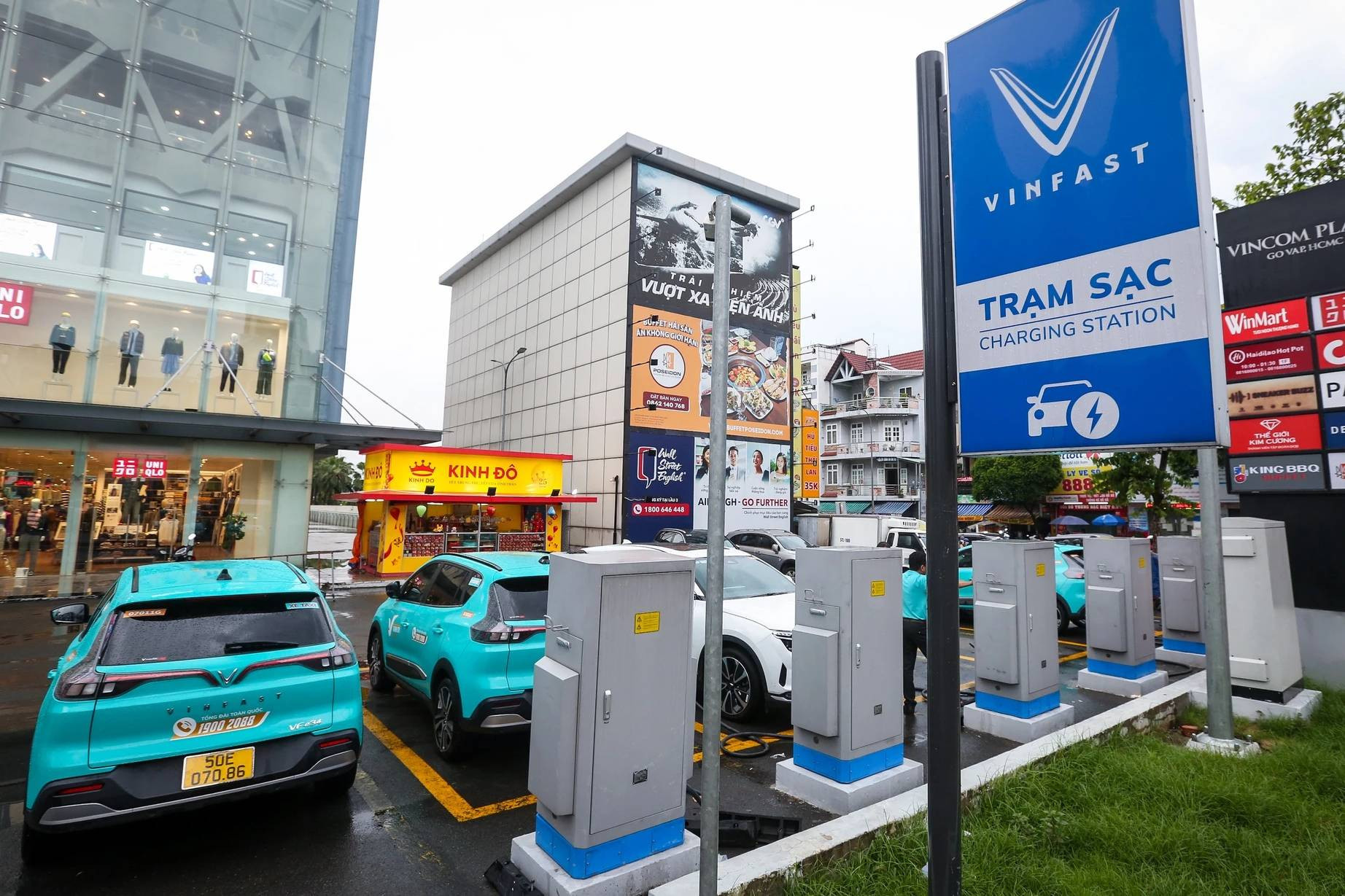
Charging infrastructure also expanded, easing worries about range and maintenance costs. Together, these factors marked a turning point - green vehicles became the new norm, shaping product lines, corporate strategy, and consumer habits.
4. VinFast retains undisputed market leadership
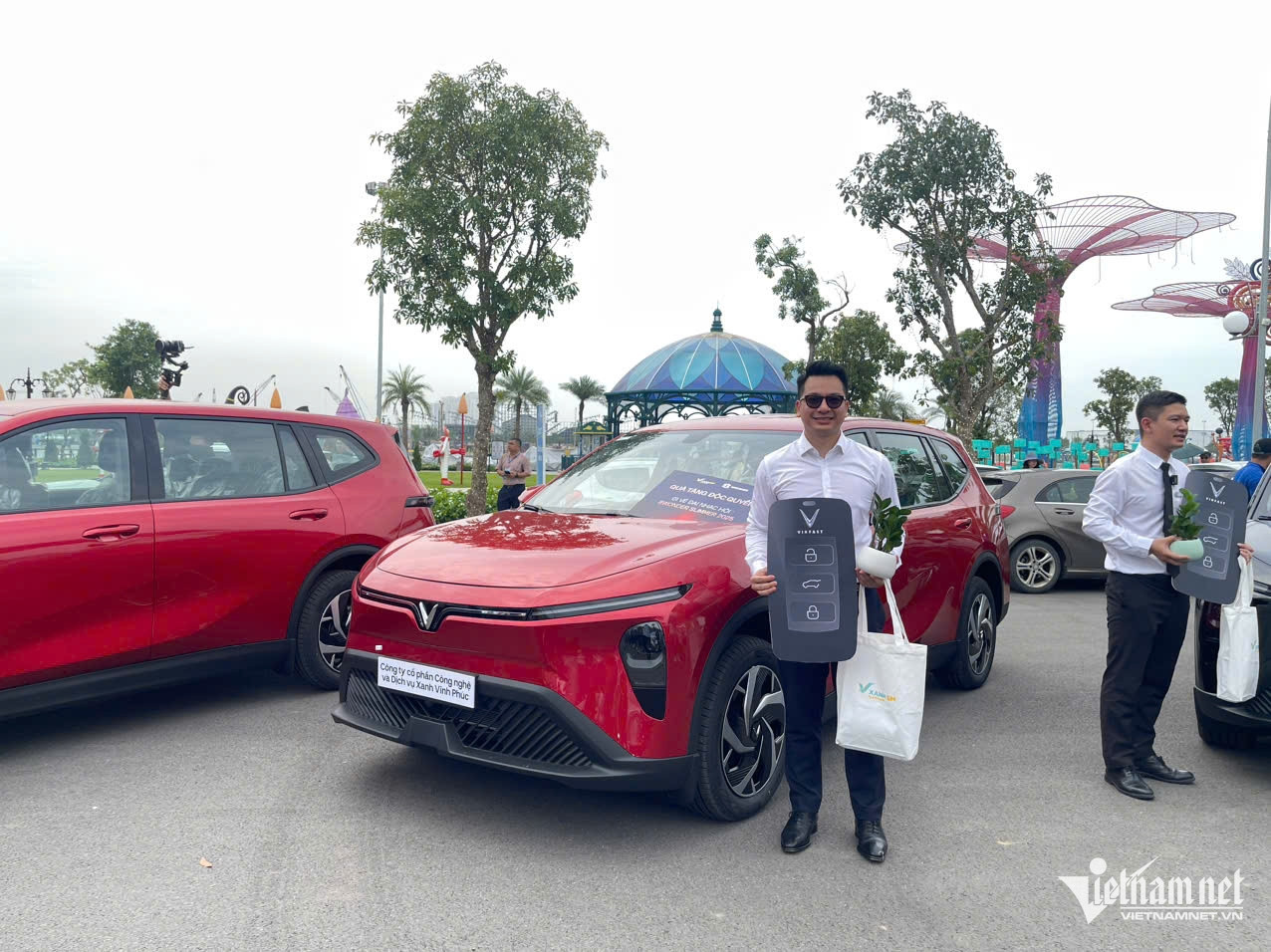
Amid the green surge, VinFast remained Vietnam’s dominant automaker in 2025, thanks to robust sales and a strong infrastructure edge.
By November, VinFast had sold 147,450 units - nearly half of the total 328,669 units sold by all Vietnam Automobile Manufacturers Association (VAMA) members combined.
Its success stemmed from a diverse lineup. Compact EVs like the VF 3 and VF 5 sold around 5,000 units monthly, regularly topping sales charts. Mid-range VF 6 maintained steady traction with young families.
In the premium MPV space, the newly launched Limo Green - introduced in August - quickly made waves, selling nearly 10,000 units in November alone and becoming a favorite for both families and service providers.
Crucially, VinFast also expanded its charging station network across urban areas, interprovincial roads, residential zones, malls, and public lots - addressing the biggest EV hurdle: convenience.
Combining top-tier sales, a comprehensive product range, and proactive charging infrastructure, VinFast not only dominated in numbers but also led Vietnam’s automotive electrification in 2025.
5. Vietnam becomes a strategic hub for vehicle production
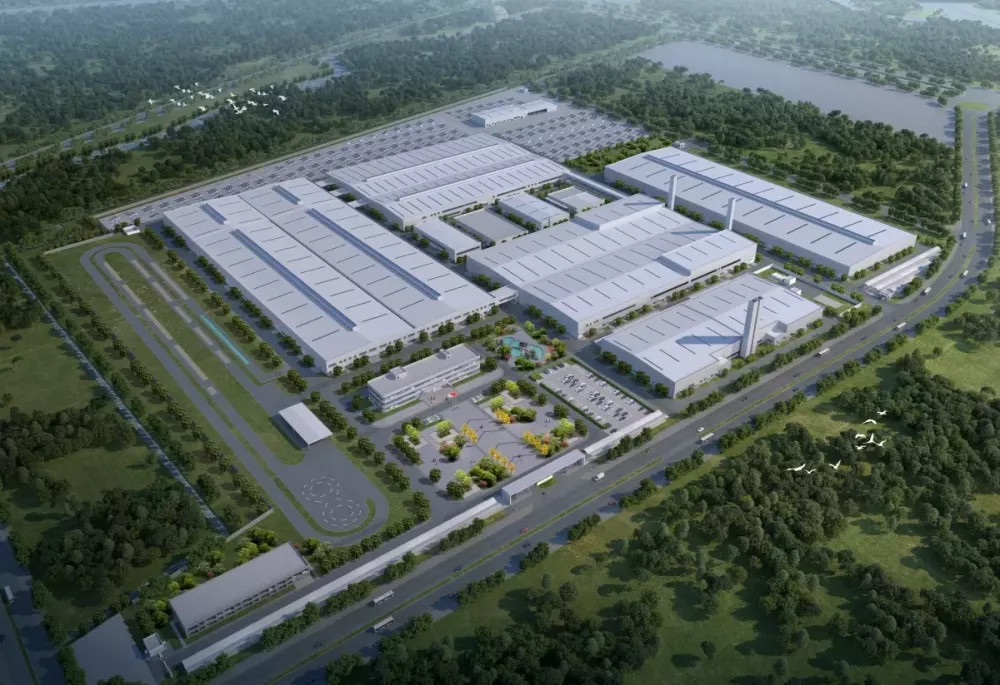
With electrification and market restructuring underway, 2025 saw major momentum in auto manufacturing investment. Vietnam evolved from just a consumer market to a rising production hub in Southeast Asia.
Existing factories expanded capacity and added more locally assembled models. Firms increased localization to reduce imports, lower costs, and improve market responsiveness.
Domestic production also unlocked policy incentives and improved price competitiveness - key amid fragile but recovering consumer demand.
Meanwhile, foreign investors adopted longer-term strategies. Instead of relying on imports, they began establishing local factories and ecosystems.
A standout was the Thanh Cong Viet Hung plant in Quang Ninh, which began assembling European Skoda models like the Slavia and Kushaq - marking the brand’s localization era in Vietnam.
Omoda & Jaecoo Vietnam also began building a plant in Hung Yen (formerly Thai Binh), aiming to launch its first “Made in Vietnam” models by mid-2026.
These developments highlight Vietnam’s growing status not only as a vibrant vehicle market but also a strategic production base - serving domestic and export demand with geographic, workforce, and investment advantages.
Hoang Hiep
.svg)
