 Vietnamnet.vn

 Podcast



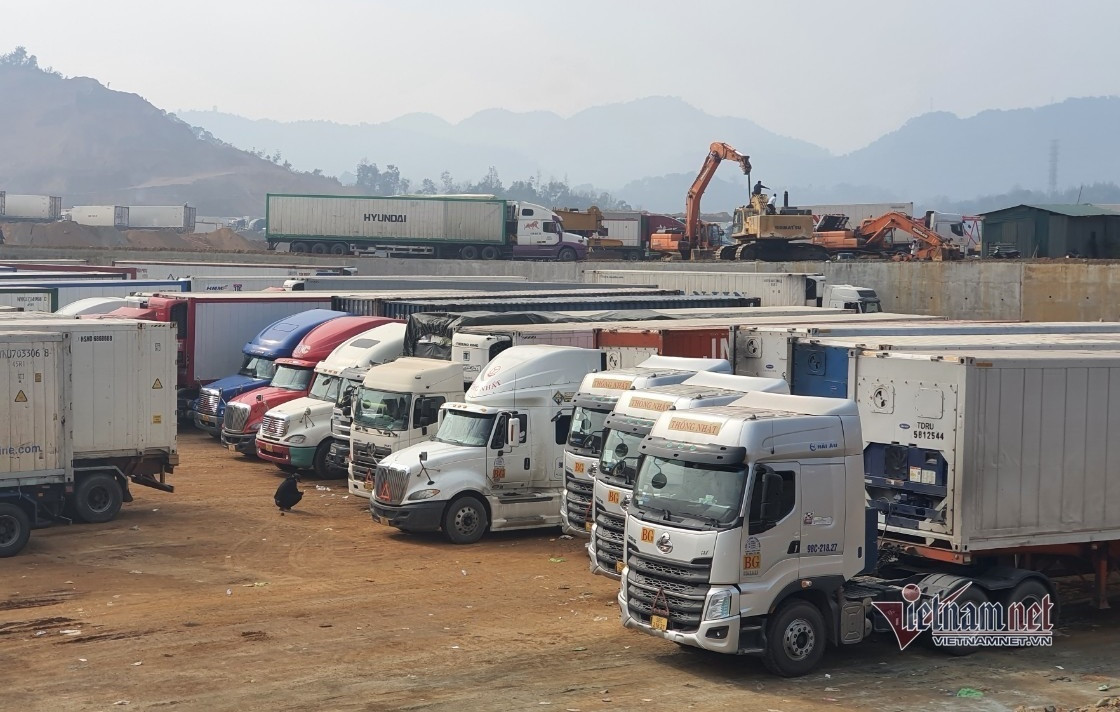
Around 25-30% of Vietnam's tractor-trailers are currently sitting idle because transport companies cannot recruit enough drivers with Category CE licenses, according to the Vietnam Automobile Transport Association.
Industry representatives warn that unless obstacles in driver training, licensing examinations, license issuance, and traffic management are addressed soon, Vietnam's road freight network could face serious disruption within the next few years.
Speaking to VietNamNet, Nguyen Van Quyen, Chairman of the Vietnam Automobile Transport Association, said shortages of Category CE drivers, who operate tractor-trailers, and Category D drivers, who operate large passenger coaches, have become widespread across the country.
Since early 2025, transport companies in Hanoi, Hai Phong, Ho Chi Minh City, Da Nang, and other major cities have experienced severe recruitment difficulties.
Approximately 25-30% of tractor units remain parked because operators cannot hire enough Category CE drivers, while passenger transport companies are also struggling to recruit licensed coach drivers.
Quyen explained that long-haul freight services between northern and southern Vietnam previously assigned two drivers to each truck, allowing journeys to be completed within 36 to 48 hours.
Today, however, many trucks operate with only one driver because of labor shortages.
Under Vietnamese regulations, drivers must take mandatory breaks after every four consecutive hours behind the wheel, extending delivery times from roughly three days to as many as four days on some routes.
The shortage is also affecting operations at ports and logistics centers.
At some facilities, a single driver must rotate between two or three vehicles during cargo loading and unloading, creating localized congestion and reducing operational efficiency.
According to Quyen, the workforce holding Category CE and Category D licenses is aging rapidly while too few younger drivers are entering the profession.
Without timely solutions, many transport companies could face severe driver shortages within the next three to five years, potentially affecting freight transportation, logistics services, and broader supply chains nationwide.
Multiple factors are driving people away from the profession
Quyen said the shortage stems from several causes, including recent changes to driver training, testing, and licensing regulations.
Following the implementation of Vietnam's new Road Law and the Law on Road Traffic Order and Safety, requirements for driver training became more stringent.
Many training centers have been unable to meet new standards for facilities and practice grounds, preventing them from offering courses.
In Ho Chi Minh City, the number of training centers authorized to provide Category CE courses reportedly fell from seven to just one, while Hanoi currently has no training center offering Category CE instruction.
However, Quyen believes the deeper problem is a sharp decline in demand for training, further limiting the future supply of qualified drivers.
The association also argues that current minimum age requirements for higher-class driving licenses no longer reflect labor market realities, leaving potential workforce resources underutilized.
In addition, the transfer of driver testing and licensing responsibilities from the former Ministry of Transport - now part of the Ministry of Construction - to the Ministry of Public Security caused several months of disruption to training, examinations, and license issuance.
Long-distance truck and coach driving also remains a demanding profession, involving overnight work, extended hours, and considerable pressure, while wages have not kept pace with the job's challenges.
At the same time, stricter traffic enforcement and Vietnam's driver license demerit point system have encouraged some experienced drivers to leave the industry or seek other occupations.
In response, the Vietnam Automobile Transport Association has urged the Ministry of Construction to report the issue to the government and the National Assembly, recommending revisions to regulations governing driver training, license upgrades, and license issuance.
The association also called for a review of outdated traffic management measures, particularly road signs that no longer reflect current traffic conditions, including urban area signs.
It further proposed incorporating policies to develop the workforce of Category CE and Category D drivers into Vietnam's Transport Services Development Strategy through 2035, with a vision to 2050, while encouraging dialogue between government agencies and transport companies to address the growing driver shortage.
Vu Diep
.svg)
