 Vietnamnet.vn

 Podcast



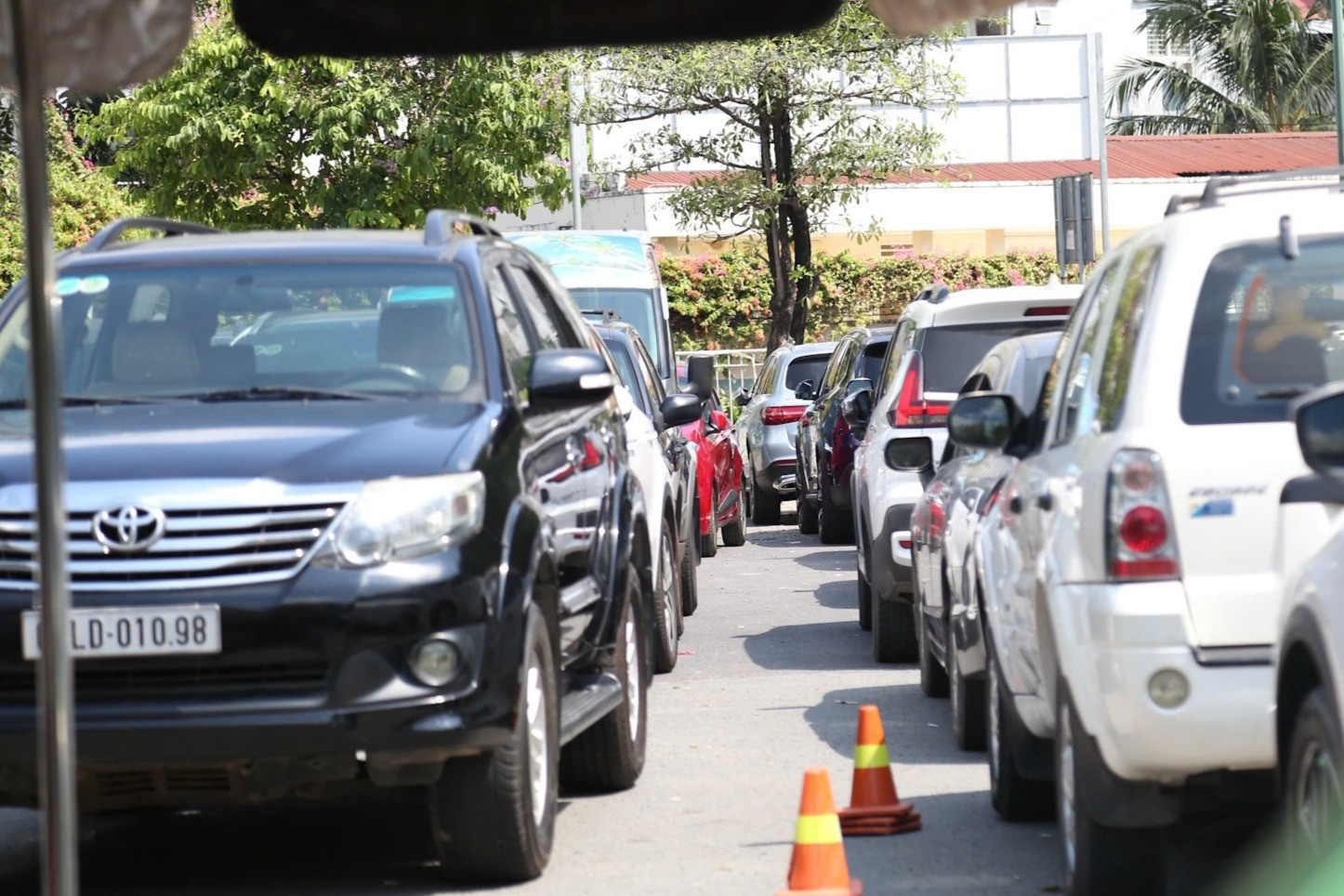
Beyond technical hiccups, tighter emissions measurement standards have also left many drivers anxious, while inspectors must conduct more meticulous checks and provide detailed guidance on each item.
Leaders of the Ho Chi Minh City Department of Construction advised vehicle owners to proactively maintain lighting systems, tires and engines at reputable garages before inspection to ensure compliance.
Contrary to the concerns of owners of older vehicles, many drivers with well-maintained cars appeared confident, saying stricter emissions standards are necessary to protect the environment.
“As long as you service the vehicle regularly and use the correct fuel and oil, there is nothing to worry about,” one driver said.
The nationwide digitalization of inspection data has been widely welcomed by both inspection authorities and drivers for its practical benefits.
Many citizens believe the move will improve flexibility in vehicle flow management, optimize traffic and make travel more convenient.
Drivers also no longer need to worry about safeguarding paper documents, reducing the risk of loss or damage.
For authorities, the digital system is viewed as a powerful tool to enhance oversight and cross-monitoring.
According to the Vietnam Register, from March 1 vehicle owners can look up their electronic inspection certificates by visiting https://gcndangkiem.vr.org.vn and entering the license plate number with plate color, the last six digits of the chassis number and the vehicle type. The system provides detailed information on inspection results, emissions levels, validity periods and a QR code for quick verification.
If needed, vehicle owners may still request a stamped paper copy generated from the software without using pre-printed certificate forms as before.
Under the new emissions roadmap, vehicles manufactured before 1999 must meet Level 1 standards; those produced from 1999 to 2016 must meet Level 2; vehicles from 2017 to 2021 must comply with Level 3; and vehicles manufactured from 2022 must meet Level 4 immediately upon the regulation taking effect, rising to Level 5 from 2032.
In Hanoi and Ho Chi Minh City, stricter standards will apply. Vehicles produced between 2017 and 2021 must meet Level 4 from 2027, while those manufactured from 2022 must meet Level 5 from 2028.
From 2029, all cars operating in these two cities must comply with at least Level 2 standards.
Tuan Kiet
.svg)
