 Vietnamnet.vn

 Podcast



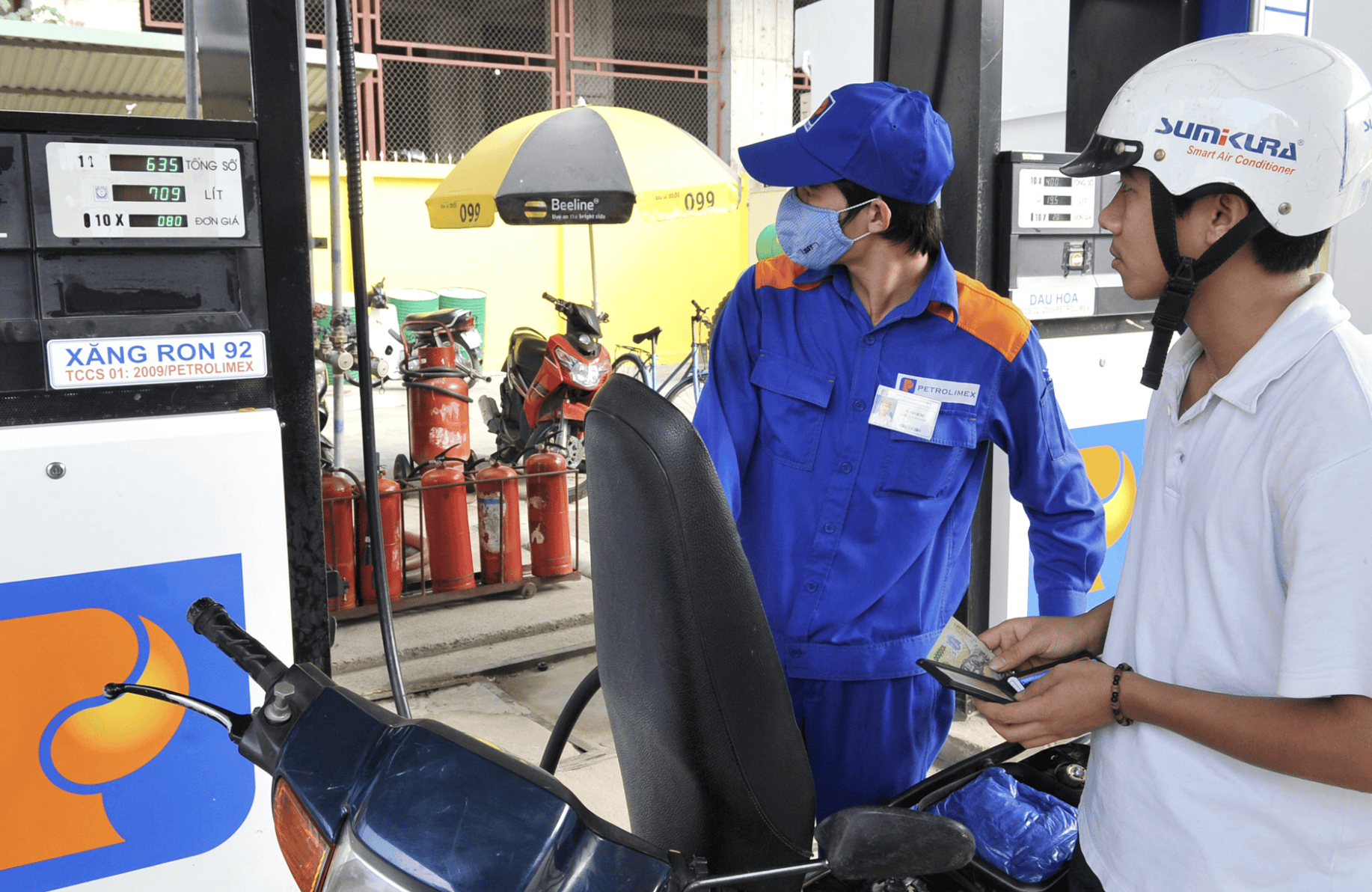
From June 1, Vietnam's fuel market marks a major turning point as RON95 mineral gasoline is officially replaced by E10 biofuel (RON95 gasoline blended with 10 percent ethanol). This effort aims not only to reduce emissions but also to ensure national energy security and promote a sustainable agricultural value chain.
At a recent workshop, Dao Duy Anh, Deputy Director of the MOIT’s Agency for Innovation, Green Transition, and Industrial Promotion, spoke clearly about the roadmap for transitioning to biofuel, the scientific basis, as well as the challenges of popularizing E10 gasoline in Vietnam.
E10 impact is only About 1-2%
According to Anh, the transition starting June 1 is a follow-up to the pilot distribution phase of E10 gasoline. In fact, since August 1, 2025, two petroleum "giants," Petrolimex and PVOil, have implemented pilot distribution of E10 gasoline in HCMC, Hanoi, and Hai Phong.
As of April 15, 2026, PVOIL reported that 418 out of its 988 gas stations are selling E10. Petrolimex expects to basically complete the introduction of E10 to all stores in its network by May 15.
One of the biggest barriers to using biofuel is consumer hesitation. Regarding this issue, Dao Duy Anh affirmed that MOIT has carefully evaluated the practical situation in Vietnam as well as international experience before proposing the transition roadmap.
"The nationwide distribution of E5 biofuel since 2018 and the E10 pilot process by Petrolimex and PVOIL since August 2025 to date have not recorded any negative feedback from customers regarding biofuel affecting engine lifespan or performance," he emphasized.
Studies from Hanoi University of Science and Technology (HUST) and the University of Transport also indicate that the impact of E10 on performance and engines is very small, ranging from 1-2 percent in terms of efficiency and fuel consumption, an almost negligible level. Thus, consumers can feel completely secure when switching to this fuel.
Using biofuel has become a common trend in many countries. For example, the US began using biofuel as early as the 1980s and currently uses blends from E10 to E85. Brazil commonly uses E30; Europe uses E10; the Philippines uses E15 and plans to increase to E20 by 2026.
3 benefits of biofuel
MOIT emphasized that using E10 biofuel is also part of the green transition strategy. It is estimated that for every 1 liter of mineral gasoline burned, approximately 2.5kg of CO2 is released into the environment. With a 10 percent blending ratio, if Vietnam reduces 1 million m3 of mineral gasoline out of a total annual consumption of about 12 million m3, it would cut up to 2.5 million tons of CO2 emissions.
Beyond environmental benefits, biofuel provides a boost to the biofuel and agricultural industries. Ethanol is produced from agricultural products such as cassava and sugarcane, crops suitable for remote and isolated areas.
Developing this fuel helps create stable demand, ensuring outlets for agricultural products while creating jobs for people in difficult areas. This forms a value chain from raw material areas and production plants to distribution and consumption.
Furthermore, in the context of complex global geopolitics and gradually depleting fossil fuel supplies, blended biofuel becomes a good solution for energy security.
Anh cited statistics as warning that if no new oil and gas resources are discovered, Vietnam's existing reserves are only sufficient for extraction for another 15-20 more years.
Currently, although Vietnam has two oil refineries meeting about 70 percent of national fuel demand, the Nghi Son refinery (accounting for 40 percent) depends on crude oil imported from Kuwait. If the supply is interrupted, about 70 percent of the domestic petroleum supply could be affected.
With the current 10 percent blending level, Vietnam immediately can reduce the amount of mineral fuel it must import by 10 percent. And the 10 percent ratio is just the beginning. In the future, Vietnam will continue to increase the ethanol blending ratio in gasoline.
The benefits and roadmap for the transition to biofuel have been determined. At this moment, the authorities are focused on three factors: ethanol supply, the blending capacity of enterprises, and distribution infrastructure.
In this regard, MOIT affirmed that the ethanol supply basically meets requirements. Any shortage would be insignificant and can be fully compensated through import channels.
However, the "bottleneck" lies in blending capacity. Currently, only 3 out of 12 major enterprises nationwide are licensed to blend E10, with a total capacity of over 700,000 m3/month. Meanwhile, national demand is approximately 1 million m3/month.
Tuan Nguyen
.svg)
