 Vietnamnet.vn

 Podcast



As the nation eagerly looks ahead to the 14th National Party Congress, under the Party’s leadership, the Government, along with ministries, sectors, and localities, is actively preparing to implement the Congress’s resolutions with determination, coordination, and effectiveness across all fields.
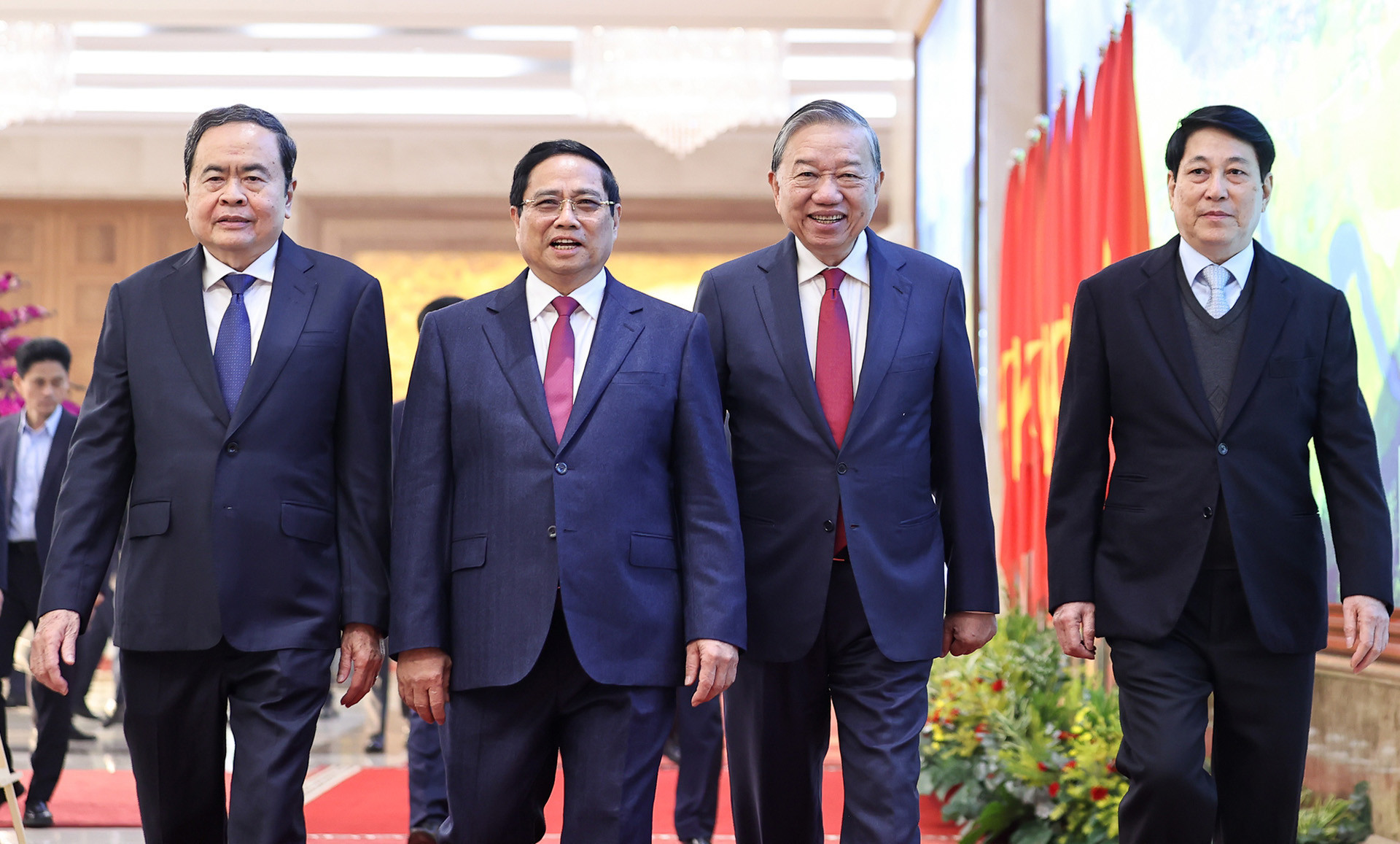
Photo: Nhat Bac
Among these efforts, economic diplomacy plays a particularly vital role - "paving the way and leading the path," attracting resources, creating new opportunities, and opening fresh development spaces to help our country achieve rapid and sustainable growth in a new era.
The year 2025 marks a historic turning point: 80 years since our nation reclaimed independence, 80 years since our people won their freedom, and 50 years since the country was reunified.
Under the leadership of the Party and our beloved President Ho Chi Minh, the Vietnamese people have achieved monumental milestones.
From a country once barely recognized on the world map, Vietnam today has earned a growing foundation of strength, capability, stature, and international prestige.
Entering a new era of development, with unwavering resolve, intellect, compassion, and the aspiration to rise, the entire Vietnamese nation is setting sail with full determination, confidently steering the ship of Vietnam into the open seas.
Throughout the tides of time, at every stage of the country's rise, Vietnamese diplomacy has made substantial and meaningful contributions.
From the early days of safeguarding our fragile independence, to the struggle for national unification, and on to the efforts to break through isolation and sanctions, Vietnamese diplomacy has been deeply impactful - transforming threats into opportunities, turning hardship into strength, shifting landscapes, and adjusting mindsets - laying the foundation for the most favorable external environment for national development.
In the mid-1970s, after peace was restored and the country reunified, with strategic foresight, sharp thinking, and an accurate assessment of both global and domestic conditions, our Party promptly identified economic diplomacy as a new direction essential to national postwar recovery.
Since then, economic diplomacy has left a defining mark on numerous strategic milestones in Vietnam’s development and global integration journey.
Notably, in the 1980s, research into global development trends and models informed the Party and State’s formulation of economic policy and national renovation strategies.
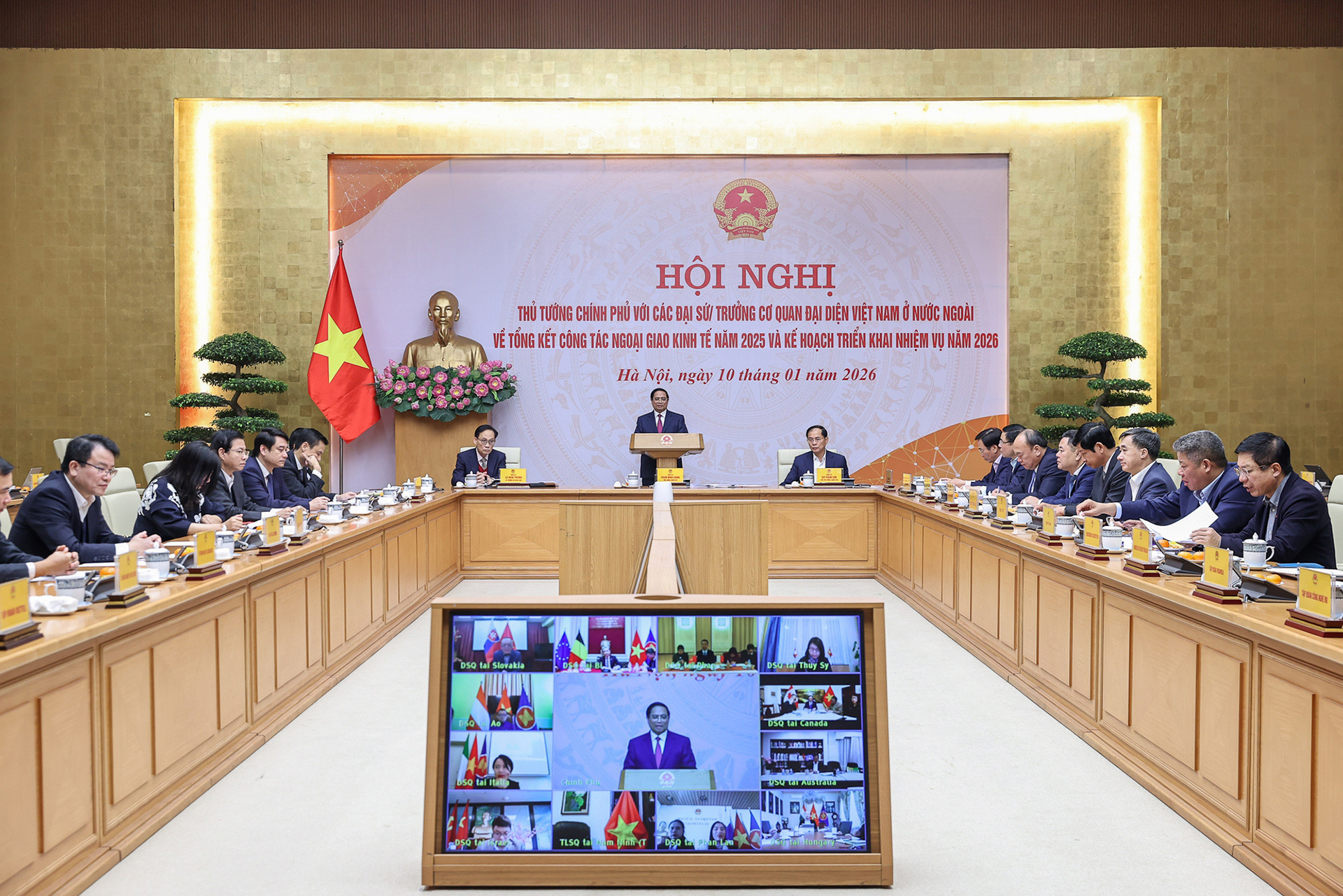
Photo: Nhat Bac
In the 1990s, Vietnam broke through sanctions, normalized relations with major financial institutions, gradually integrated into the global community, attracted foreign investment and aid.
From 1995 to the present, economic diplomacy has led the way in international integration through strategically significant turning points that reshaped the nation’s profile.
These milestones have unlocked immense opportunities for development and confirmed Vietnam’s role and contributions to the regional and global economy.
The Party and State’s thinking and awareness around economic diplomacy have continuously evolved to keep pace with the rapid shifts of the era and to meet the country’s new development demands.
Economic diplomacy is now regarded as a central, ongoing, and foundational task in foreign affairs - an essential driving force to foster rapid and sustainable national progress.
Over the past five years, the world has been more unstable and uncertain than in previous periods.
While challenges and opportunities have coexisted, the difficulties have outweighed the advantages.
Yet, with strong resolve, great effort, and decisive action from the entire Party, people, and army, our nation has achieved important, historic accomplishments across all sectors.
The economy has become increasingly resilient to external shocks.
In 2025, GDP growth reached 8.02%, placing Vietnam among the highest-growing economies in the region and the world.
Macroeconomic stability has been maintained; inflation controlled; major economic balances safeguarded.
By 2025, the economy had reached approximately USD 514 billion, with GDP per capita estimated at USD 5,026, placing Vietnam in the upper middle-income group.
Traditional growth drivers have remained effective.
Vietnam ranks among the top 15 developing countries globally in terms of foreign direct investment attraction and among the top 20 countries in global trade volume.
New growth drivers have also made notable strides.
Digital economy and ICT industry growth rates have surpassed that of GDP.
Vietnam ranks highest among its income-level peers in the Global Innovation Index.
We have seen early breakthroughs in cutting-edge sectors such as artificial intelligence, high-speed rail, semiconductors, and nuclear energy, along with the development of high-quality human resources.
Culture and social sectors have progressed steadily.
Environmental protection is receiving greater attention.
Social security is being ensured.
The material and spiritual lives of the people are improving continuously.
Defense and security capabilities have been strengthened.
National independence, sovereignty, and territorial integrity are firmly protected, and public order and safety are well maintained.
Notably, foreign affairs and international integration have emerged as bright spots in a challenging global context, with economic diplomacy achieving remarkable results.
Technology diplomacy has also been intensified, helping to spur breakthroughs in science, technology, innovation, digital transformation, and the building of an independent, self-reliant economy deeply and effectively integrated into the global system.
Vietnam’s international prestige and position are rising steadily in the global economy, international politics, and human civilization.
Vietnam has now signed or joined 17 free trade agreements (FTAs), established diplomatic relations with 194 countries - including all UN member states - and developed comprehensive partnerships or higher with 42 countries, including 17 G20 members and all five permanent members of the UN Security Council.
Vietnam has also taken on major multilateral responsibilities: re-elected to the UN Human Rights Council for the 2026–2028 term, host of the ASEAN Future Forum, the 4th P4G Summit on green growth and global goals, and the signing ceremony of the Convention on Cybercrime.
To achieve these milestones, diplomacy in general - and economic diplomacy in particular - has made essential, practical, and effective contributions.
First, diplomacy has helped maintain a stable, favorable environment and expand development space for the nation, deepening economic cooperation and strengthening shared interests with partners - especially neighboring countries, major powers, and long-standing friends.
Second, it has attracted external resources to support national development, diversified markets, brought in investment, facilitated knowledge and technology transfer, and harnessed the strength of the overseas Vietnamese community.
Notably, the swift and determined implementation of “vaccine diplomacy” made a direct, vital contribution to COVID-19 control, paving the way for economic and social recovery.
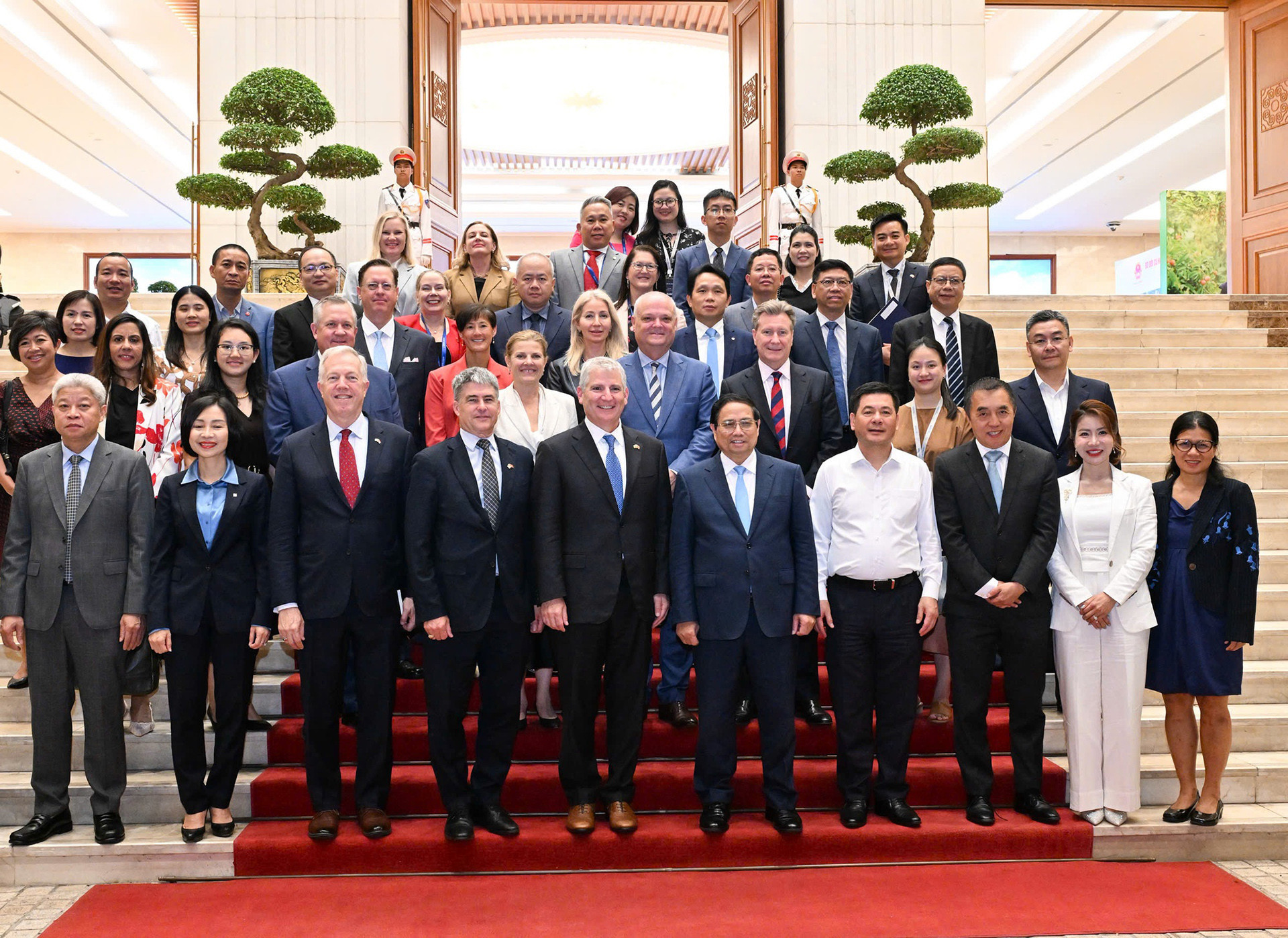
Third, diplomacy has taken a pioneering role in promoting international economic integration - boosting Vietnam’s participation and influence in multilateral mechanisms, contributing to new international rules, and leveraging FTAs to position Vietnam as a regional connectivity hub.
In parallel, economic diplomacy has supported localities and businesses in their external economic activities and global integration efforts, delivering tangible and significant results.
As Vietnam enters a new phase of development in a complex, uncertain global landscape where challenges outweigh opportunities, economic diplomacy faces the imperative to transform boldly - aligning with the nation’s determination to fulfill its two centennial development goals.
The draft documents for the 14th Party Congress highlight the need to “intensify comprehensive diplomacy in service of development, with a focus on economic and technology diplomacy.”
Reforming economic diplomacy is no longer an option - it is an objective necessity, a strategic priority, and one of the foremost requirements for realizing the national aspiration for strength and prosperity.
Accordingly, economic diplomacy in the coming period will take on three major responsibilities:
First, contributing to the creation of strategic space for Vietnam to enter a new era of wealth, civility, and prosperity.
Second, serving as a powerful engine to attract resources, remove bottlenecks, and solve major development challenges - especially in science, technology, innovation, digital transformation, and green transition.
Third, building an independent, self-reliant economy that is proactive and actively engaged in international integration.
Guided by the principle that “resources come from thinking and vision; motivation arises from innovation and creativity; strength comes from the people and enterprises,” economic and technology diplomacy must fully internalize three key lessons and resolutely reform its mindset, update objectives, content, targets, and methods - closely aligned with the “five enhancements” approach.
The three key lessons are:
First, steadfast commitment to national independence and socialism; an independent, self-reliant, multilateral, diversified, proactive and responsible foreign policy; and being a reliable friend, partner, and responsible member of the international community.
Second, being resolute yet flexible - protecting national interests while remaining adaptive to achieve results.
Third, gaining deep understanding of the global landscape and offering timely, adaptive, effective policy recommendations.
The “five enhancements” approach includes:
First, more strategic and responsive thinking to detect new trends, seize opportunities, and improve economic adaptability.
Second, more focused and prioritized goal and solution-setting, aligned with Vietnam’s developmental objectives for each period.
Third, broader and deeper engagement in partnerships and sectoral cooperation - especially in science, technology, innovation, and digital transformation.
Fourth, more decisive and creative implementation, with clearly assigned responsibilities and results - aligned with the principle of “six clarities”: clear personnel, tasks, responsibilities, authority, timelines, and outcomes.
Fifth, more proactive and responsible contributions to international economic mechanisms and strategic global and regional issues aligned with Vietnam’s capabilities and interests - especially in global economic governance.
Above all, foreign affairs - particularly economic diplomacy - must embody the spirit of “Loyalty and dedication,” “Confidence and creativity,” “Courage and adaptability,” “Negotiation and persuasion,” “Top effectiveness,” and “The nation above all.”
With foresight, deep thinking, and timely decision-making, diplomacy must remain a pioneering force - bringing new opportunities, new momentum, and new external resources to serve rapid, sustainable national development and enhance Vietnam’s international stature.
As Vietnam steps into a new development stage, foreign affairs and economic diplomacy must focus on thoroughly and effectively implementing the 14th Party Congress resolution, the Party’s resolutions, those of the National Assembly and Government - especially Politburo Resolution 59 on international integration in the new context.
Priority should be given to economic cooperation, trade, investment, science and technology, digital transformation, green and energy transition, education, healthcare, culture, labor, tourism, environmental protection, and climate change response.
Technology transfer must be accelerated in key economic areas such as nuclear energy, high-speed rail, and semiconductors - with the goal of completing a chip manufacturing plant by the end of 2027.
Comprehensive solutions must be implemented to diversify markets, products, and supply chains - especially by unlocking potential markets and promoting Vietnamese-branded products abroad.
FTA negotiations should be expedited with countries and regions in the Middle East, Central Asia, Africa, and Latin America.
Support for localities and enterprises - particularly small and medium-sized businesses - must be a priority in international integration, helping them expand investments and global presence, join deeper in global value chains, and attract major tech group investments and overseas Vietnamese experts.
At the same time, the diplomatic sector must work closely with all levels and sectors to propose breakthrough mechanisms, policies, and solutions in foreign affairs - particularly to drive economic and technological diplomacy, contributing to the achievement of double-digit growth in 2026 and beyond.
Within this larger picture, we must stay clear-sighted, act decisively, and work relentlessly to foster scientific and technological breakthroughs, inspire innovation, and push forward the green transition in the digital age.
This is the core engine - and the “golden key” - for Vietnam to catch up, rise alongside, and surpass global peers, achieving fast and sustainable development and realizing our two centennial strategic goals.
By 2045, Vietnam aims to become a developed, high-income country.
On this journey, we will continue to promote comprehensive reform, foster a creative, enabling environment, remove institutional and structural bottlenecks, and accelerate administrative reform to unlock the full potential of science, technology, innovation, digital and green transformation - making them the true driving forces for the nation's future.
The achievements of the past 80 years have laid a strong foundation - a promising starting point for Vietnam’s new journey.
Under the Party’s leadership, united as one people, and guided by the motto emphasized by General Secretary To Lam - “creating and preserving a peaceful, stable environment, pioneering in building cooperation and development, opening and attracting resources, and constantly enhancing national prestige” - we are confident that foreign affairs in general, and economic diplomacy in particular, will continue to build on their proud traditions and achievements.
With a spirit of “putting localities, enterprises, and people at the center of service, and national interest as the guiding compass,” we will strive to overcome all challenges and fulfill the sacred missions entrusted by the Party and State - building a resilient, fast-growing nation that delivers prosperity and happiness to its people.
.svg)
