 Vietnamnet.vn

 Podcast



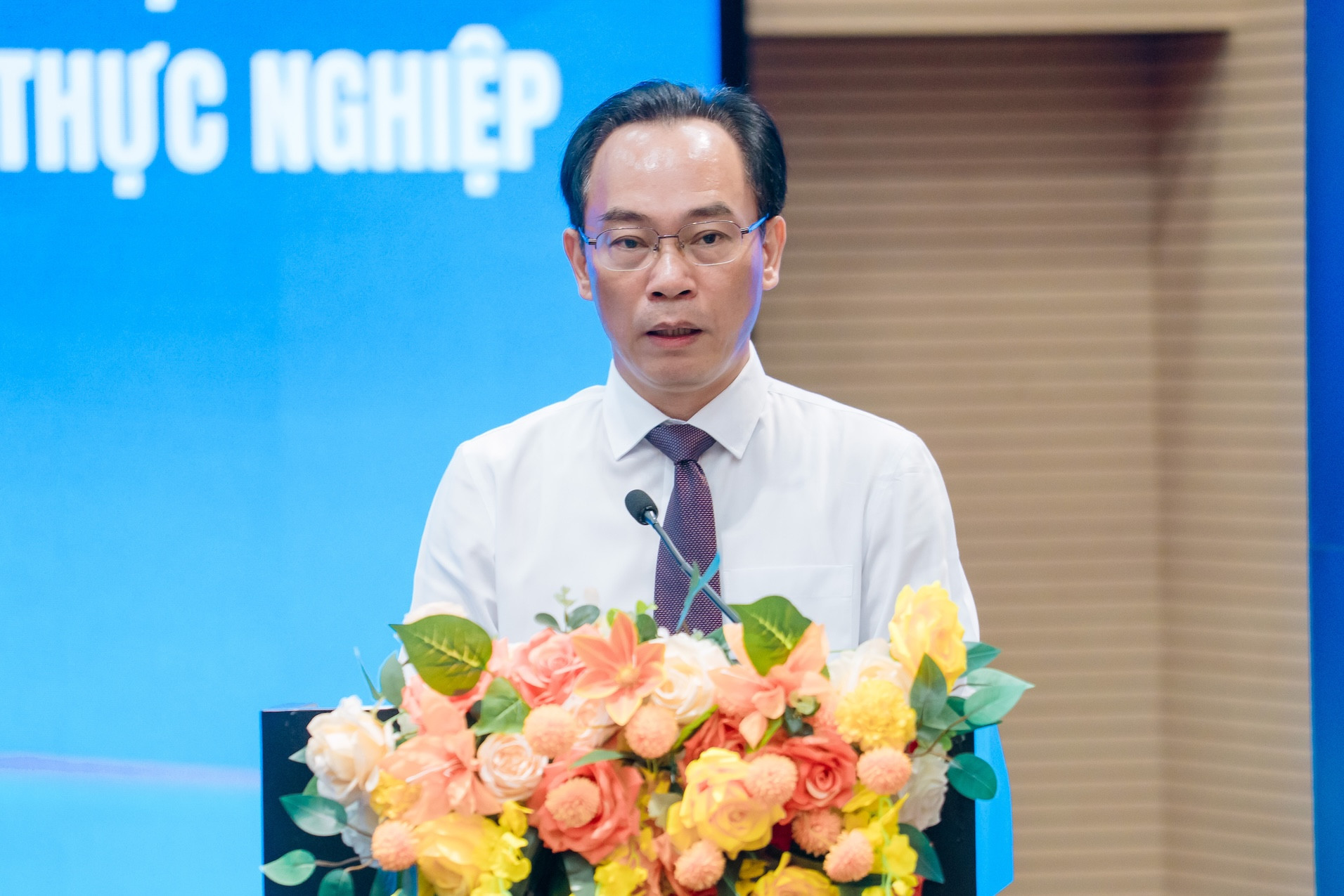
On the morning of October 1, the Ministry of Education and Training (MOET) organized the 2026 Higher Education Conference as higher education enters a new phase following the issuance of Resolution 71 and ongoing implementation of Resolution 57.
According to Son, the legal framework governing higher education has been reformed and substantially completed, creating a new legal corridor for institutions.
"For the first time, we have a dedicated decree establishing mechanisms to foster institutional autonomy, implement outcome-based training orders, alongside a series of new policies targeting faculty and learners," Son said.
Son requested focus on three major issues: First, what changes does higher education need to make to adapt to new requirements, particularly the impact of AI?
“How must teachers change? How must students' learning change? How must education models, university models and education and training programs change? How should the links between training and science and technology change?” the minister saud.
Second, what must each university and the higher education system as a whole do to create value for students and society and contribute to national development?
“Why do students choose this university and this field of study? Why does the State invest in this field and this university? And why do businesses invest in this research group or cooperate with this university?” the minister asked.
Third, according to the minister, the proportion of people pursuing higher education has increased significantly. The target of 269 university students per 10,000 people by 2050 is also drawing closer.
“Universities need to make a strong shift from expanding enrollment to focusing on quality; restructure qualification levels and fields of study, and focus on areas the country needs and where demand is high,” Son stressed.
There are 95,198 university lecturers, but only 36 percent hold PhDs.
A report presented at the conference showed that the total number of university lecturers increased from 86,048 in 2022 to 95,198 in 2026, an increase of more than 9,100, or around 10.6 percent. Of these, 36.3 percent hold PhDs. However, the proportion varies significantly among universities, ranging from just over 20 percent to 70 percent.
The number of lecturers holding PhDs and academic titles of professor and associate professor has increased.
In 2022, Vietnam had 760 professors holding PhDs; by 2026, the figure had risen to 872, an increase of 112. The number of associate professors holding PhDs increased from 5,331 to 6,833, or by more than 1,500 over four years.
Meanwhile, the number of PhD-holding lecturers rose sharply from 21,170 in 2022 to 29,454 in 2026, an increase of more than 8,200, or around 39 percent.
The number of lecturers holding master's degrees also increased, from 51,302 to 55,116. In contrast, the number of lecturers with bachelor's degrees fell significantly, from 6,175 in 2022 to 2,923 in 2026.
The figures indicate that the lecturer workforce is shifting toward a higher proportion of postgraduate-qualified staff, particularly those holding PhDs.
Data for the 2023-2024 to 2025-2026 academic years also showed a continued increase in the proportion of lecturers with PhDs. The figure rose from 32.6 percent in 2023-2024 to 34.4 percent in 2024-2025 and 36.3 percent in 2025-2026. Over the two-year period, the proportion increased by 3.7 percentage points.
However, as the number and qualifications of lecturers have increased, so has the number of students per full-time lecturer. The ratio rose from 24.3 students per lecturer in 2023-2024 to 29.6 in 2024-2025 and 30.1 in 2025-2026.
However, MOET said that increasing the proportion of lecturers with PhDs must go hand in hand with substantive productivity and capacity. Work performance is assessed through full-time equivalent workloads, postgraduate supervision, scientific publications and technology-transfer outputs.
University autonomy is considered to have created conditions for higher education institutions to recruit, train and develop PhD-level lecturers in line with the needs of individual fields.
Under Circular 34/2026/TT-BGDDT, enrollment capacity is determined in connection with the number and qualifications of lecturers and other quality-assurance conditions. This means enrollment capacity also requires universities to continue developing their teaching workforce.
The project to improve the capacity of lecturers and managers under Decision 89/QD-TTg continues to be implemented. MOET has asked higher education institutions to prioritize training and recruiting PhD holders in fields where shortages remain, linking workforce development with training needs and research capacity.
Le Huyen
.svg)
