 Vietnamnet.vn

 Podcast



On Tuesday, the Central Commission for Communication, Education and Mass Mobilization coordinated with the Ministry of Public Security, the Ministry of Ethnic and Religious Affairs, and the Ninh Binh Provincial Party Committee to hold a conference to disseminate and implement directives from the Secretariat on ethnic and religious work in the new context.
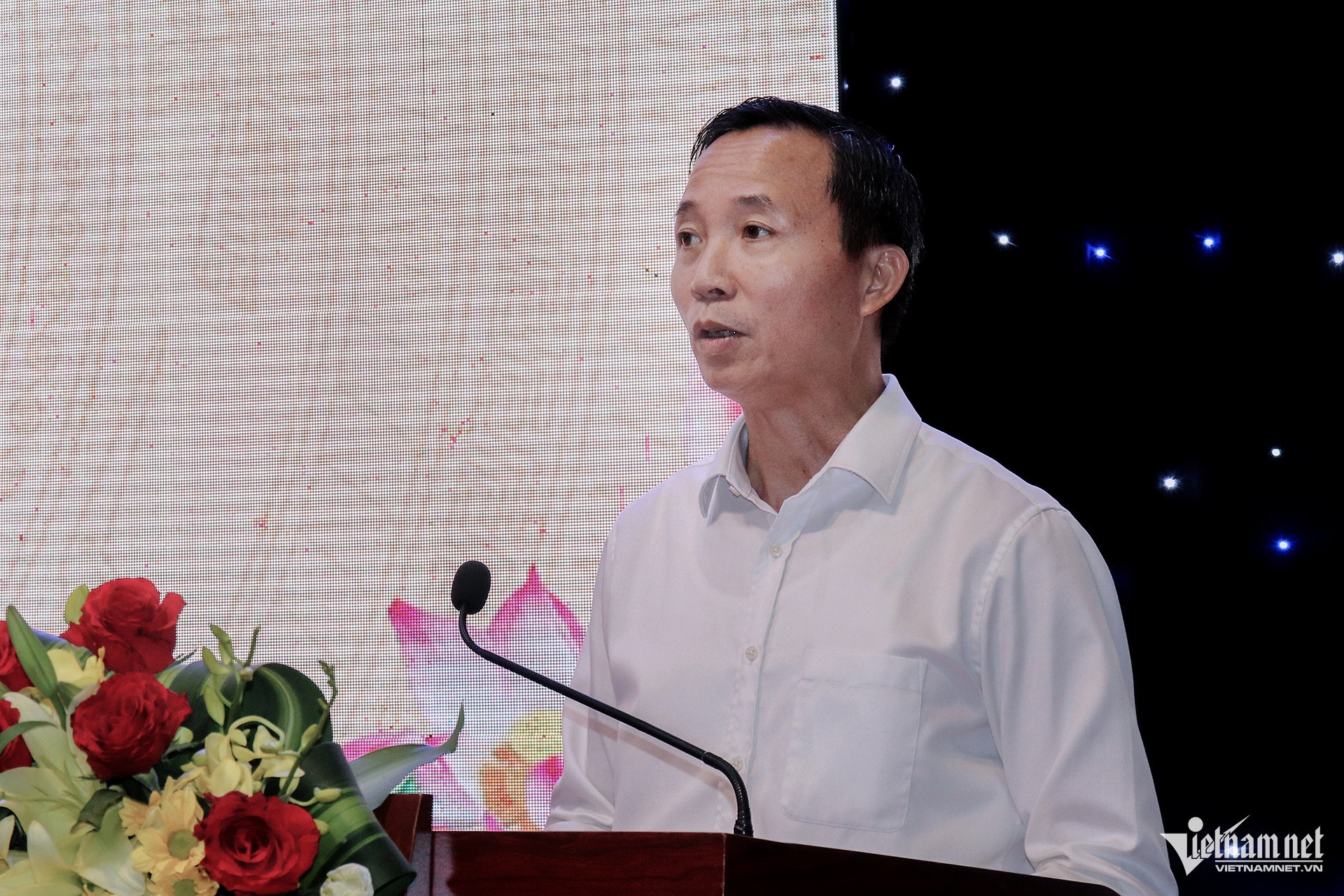
Representatives from the Department of Ethnic and Religious Affairs under the Central Commission, the Internal Security Agency of the Ministry of Public Security, and the Government Committee for Religious Affairs presented updates on the implementation of recent conclusions and thematic reports.
Delivering keynote remarks, Trinh Van Quyet, Politburo member, Secretary of the Party Central Committee and Head of the Central Commission for Communication, Education and Mass Mobilization, stressed that ethnic and religious work is of strategic and long-term significance.
He underscored its critical role in consolidating the great national unity bloc, safeguarding socio-political stability and ensuring sustainable national development. The Secretariat has issued directives and conclusions to consistently implement the Party’s viewpoints on ethnic and religious affairs in the new situation.
According to him, these efforts must be understood as a responsibility of the entire political system and integrated into the country’s broader development strategy, closely linked with socio-economic progress, national defense, security and the strengthening of national solidarity.
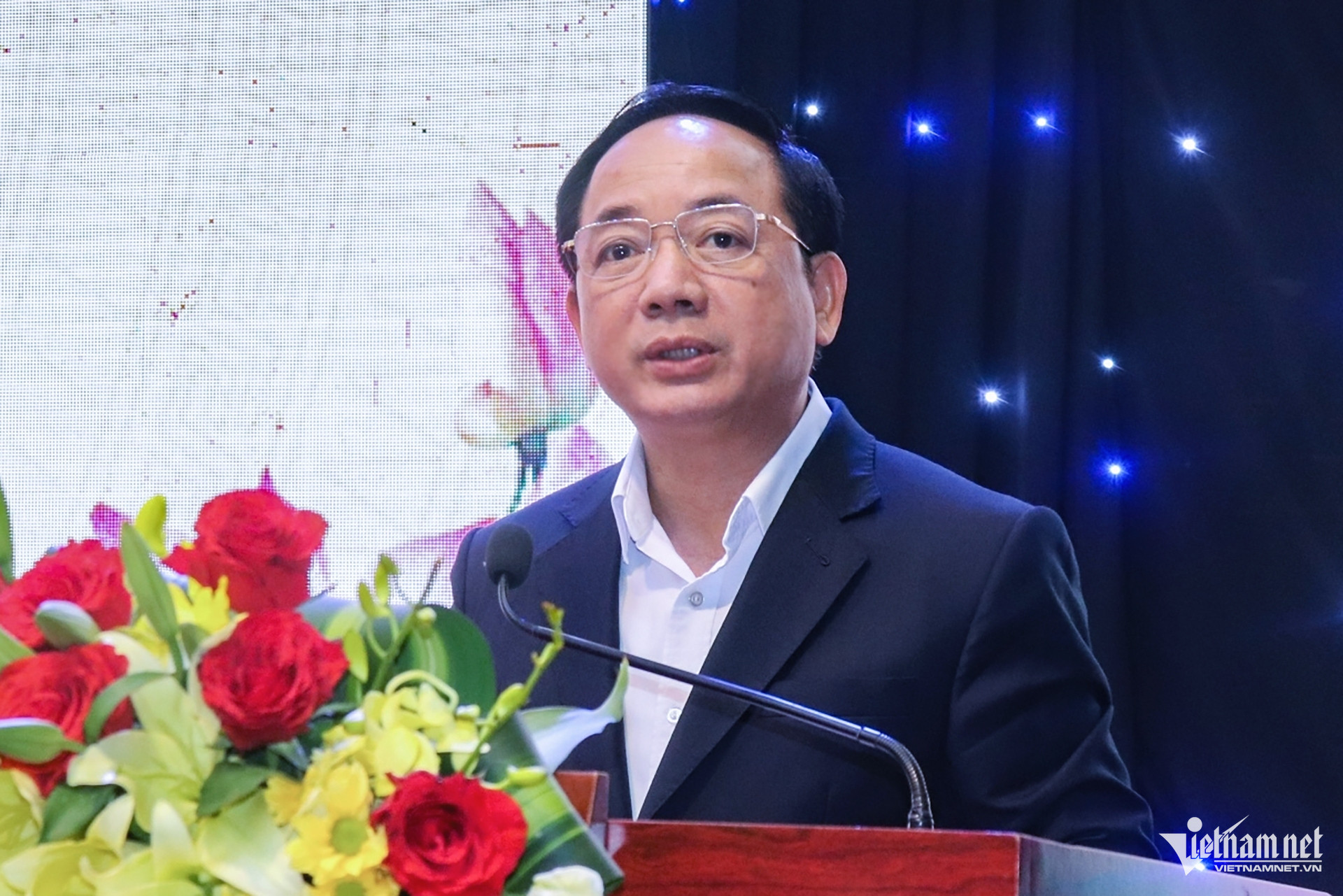
In the context of implementing a two-tier local government model, ethnic and religious work now requires greater proactiveness, direct engagement and effectiveness at the grassroots level. Authorities are expected to closely monitor developments, promptly address emerging issues and prevent the formation of potential “hotspots,” thereby maintaining stability from an early stage.
Trinh Van Quyet noted that recent years have seen significant progress in ethnic and religious affairs, with improved awareness and responsibility among authorities at all levels, alongside more innovative approaches to leadership and implementation. These efforts have contributed to strengthening public trust, preserving cultural identity and ensuring national defense and security.
Looking ahead, he called on Party committees and organizations to continue effectively implementing the Secretariat’s directives in alignment with the 14th Party Congress Resolution, ensuring unity in both awareness and action under the guiding principle of “leading the way, accompanying implementation and reviewing outcomes.”
He also emphasized the need to shift from a purely administrative management approach to one based on partnership, support and development.
At the same time, methods of engagement should be further renewed to remain closely connected with grassroots realities, promote the role of local Party committees and officials, and place people at the center. Ethnic and religious work should be closely tied to socio-economic development, national defense and security, and the preservation of socio-political stability.
Tran Nghi
.svg)
